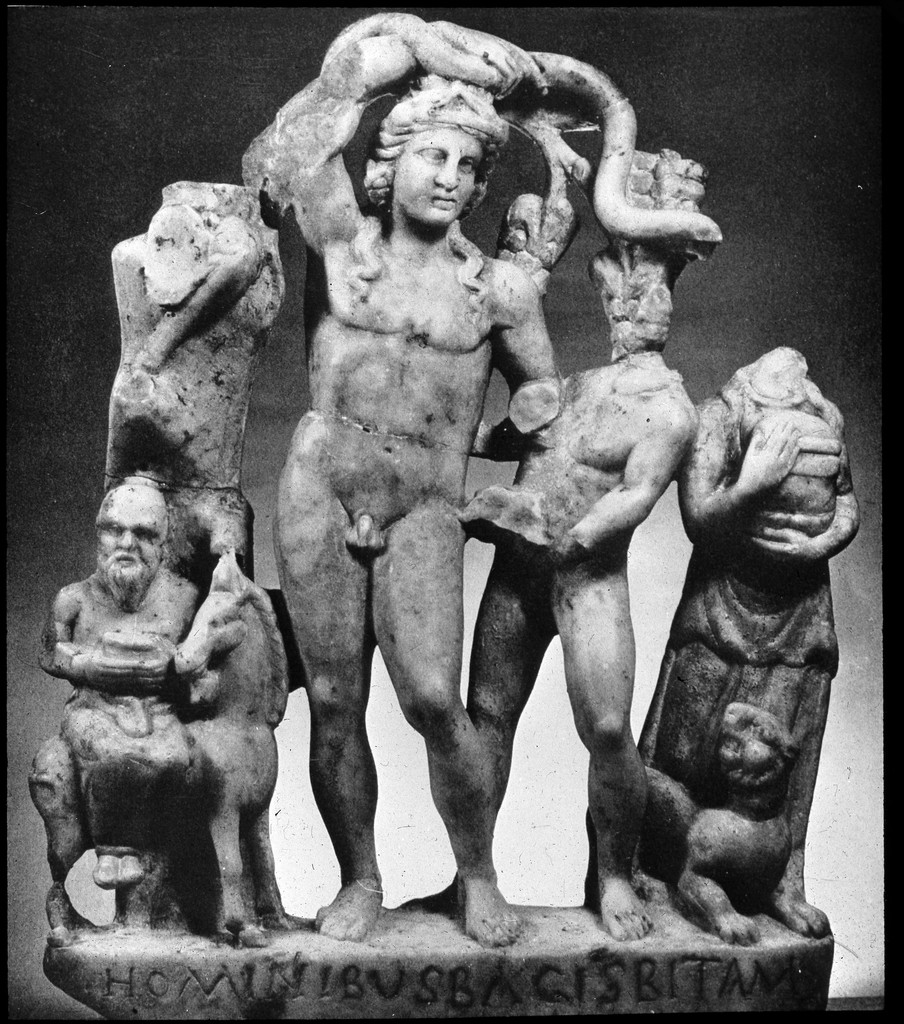
Re-reading Herculean labors through philosopher’s lens
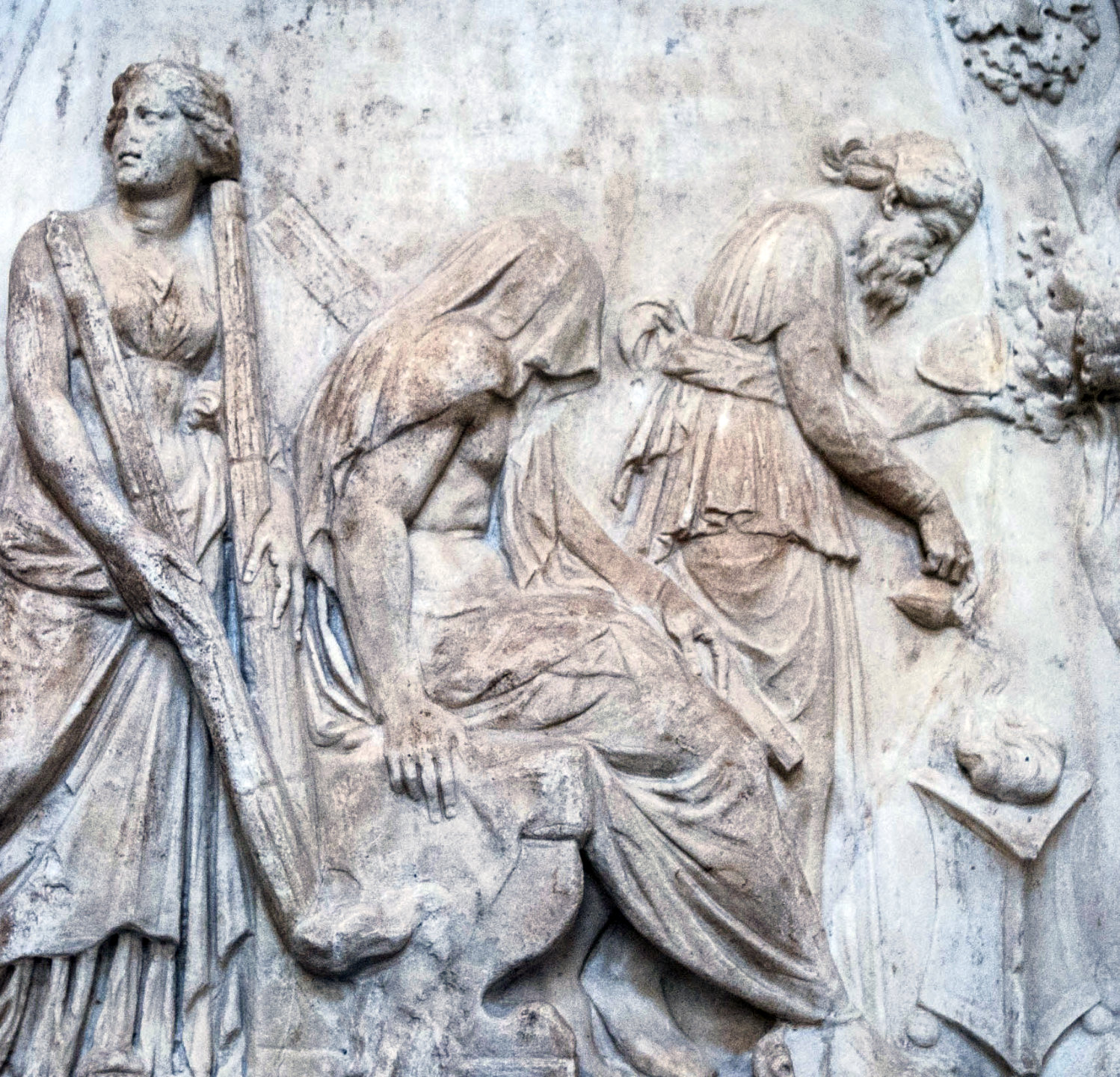
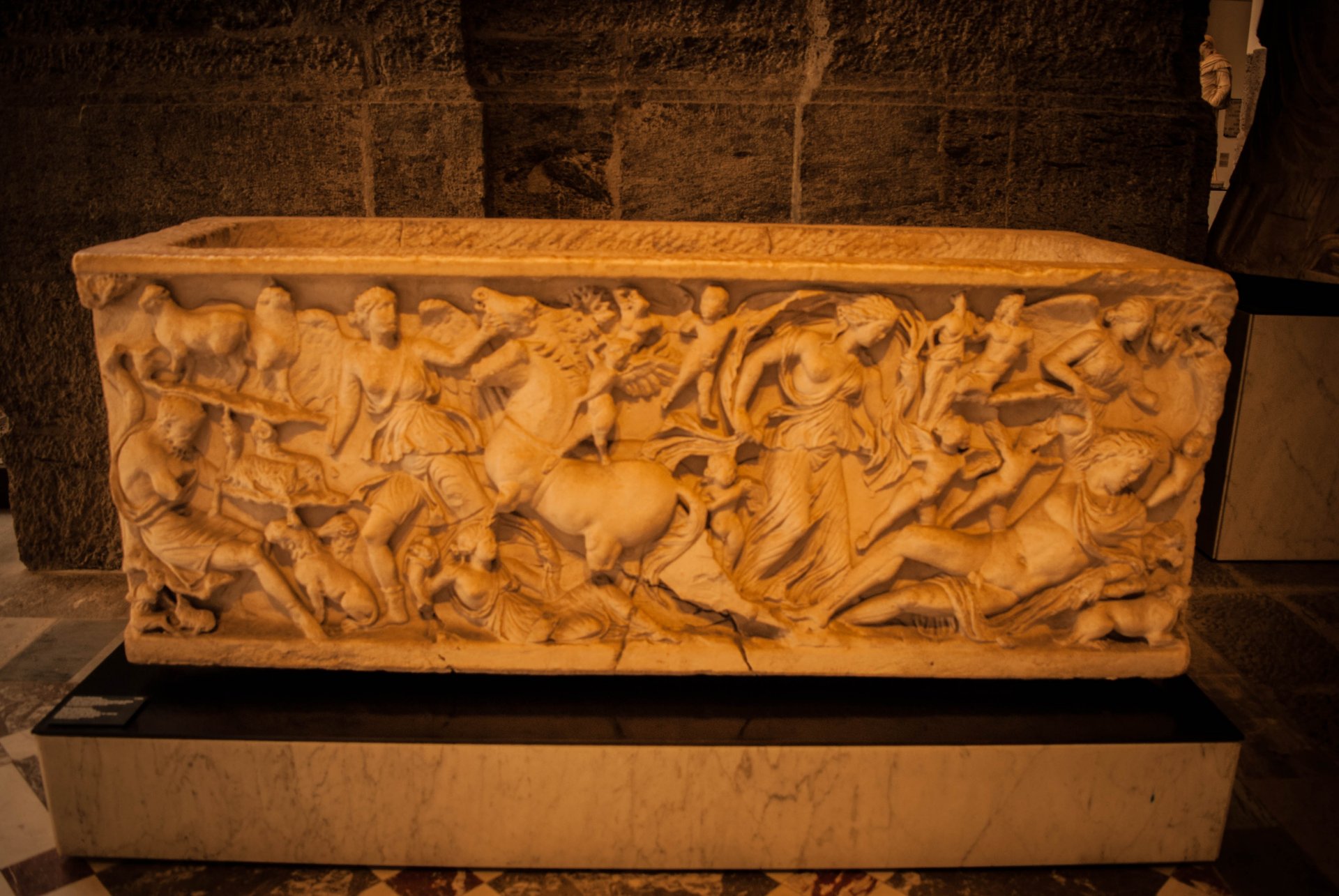
Hercules as Eleusinian Mystes, Archeological Museum of Napoli, Italy.
Mateusz Zalewski-Grzelak
Not depriving Hercules of his labors, philosopher, read through non-reductionist eyes. Stand in awe at what is true, take it for truth, and interpret according to what you may in the Hermetic endeavor. Put the word sophon back into philosophy, lest it perish in untruth, delusion, deception, and lie!
Dedicated to the Caducean masters and maestras illuminating the day and night sky, committing to this land from their stations in the stars and planetary spheres from above. For those that are ready to wield the Herculean club, conquering inner and outer labors!
Eoai!
Just like the Homeric Odyssey is a sacred text allegorizing the journey of the soul to Penelope, the individuated Eros, Philia, and Agape in the Anima Mundi, in the superstructure of Hellenic beliefs and theologies it was rather clear. Nowadays, we are rather seeing it as an epic of adventures that do not lead into such psychagogic, mystagogic, and instructive dimensions. It is attested at least by the neoplatonizing Porphyry in his The Cave of the Nymphs; perhaps it is a neoplatonic re-reading of the Odyssey, but my personal, strongly held belief is that every heroic text indicates the heroic journey of the gigantomachy of the mind and soul against tartarisms and the pull of the void.
Myth was for teething children, as the neoplatonic emperor Julian posited, but those who can read behind them, equipped with Heathen theology, are discovering a plethora of wonder of deep forces and powers in their continuous interaction, humanizing the spectacle a bit. In fact the beholders of true philosophia may read any myth, legend, folk-tale with great understanding, making a Diogenic (sic!) museon of themselves (the house of Muses).
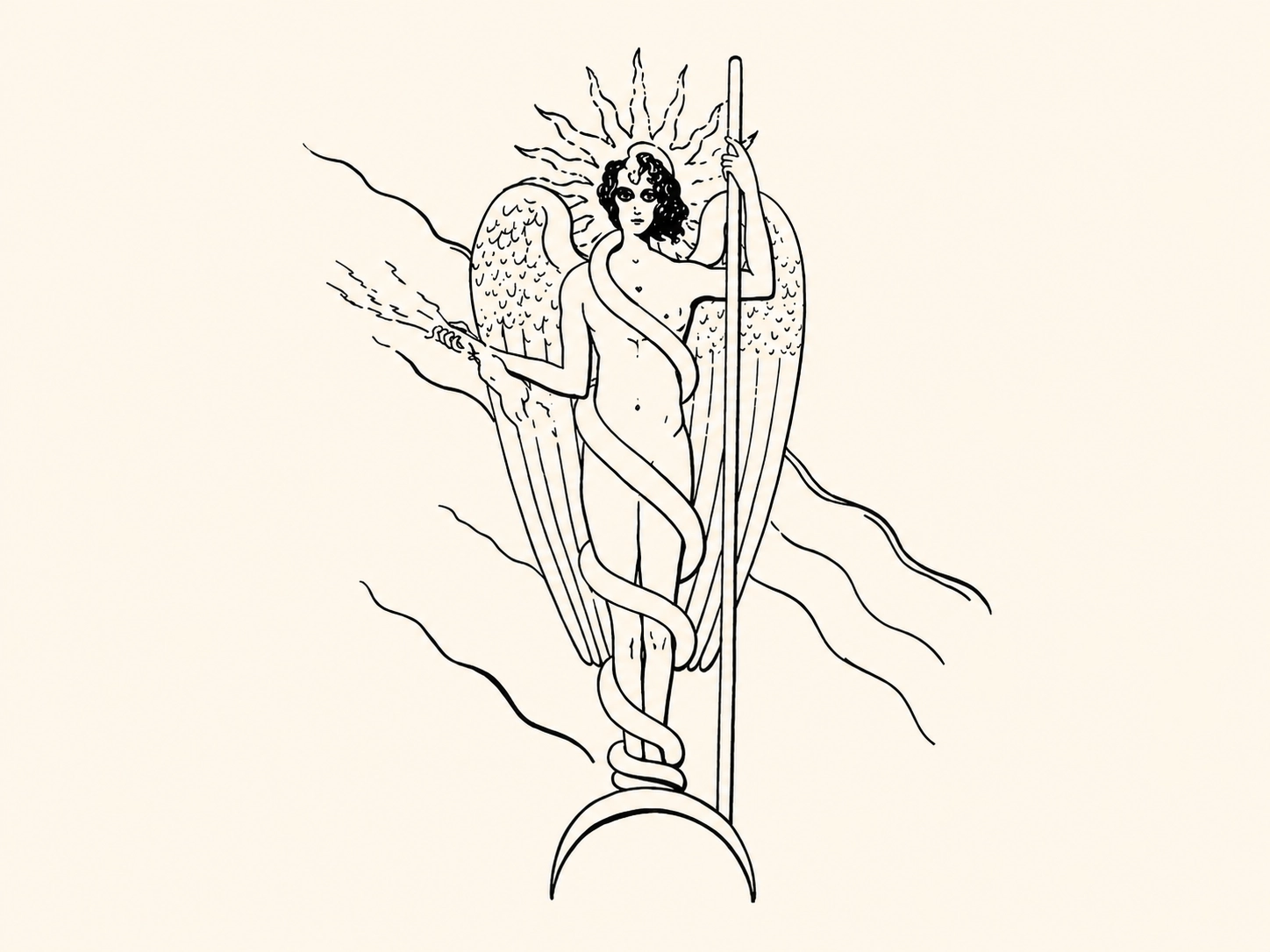
When I was walking, much disconsolate on one of the streets of Warsaw, destitute and buried in debt, I saw Athena Glaukopis as a blue-yellow-silver ephemeral skyscraper-tall statue, towering above the city, and between weeping and strong affirmation I felt recognized. Perhaps some intelligible wisdom, a clarity that I had battled for years, was given a silent, polite, politeia’c nod from that power. Those forces that monolithized themselves in that old Goddess whose statue once stood in the Parthenon. How many times at night I’ve seen the winged Caducea as symbols and emblems of masters and maestras that ascended triumphantly, and call continuously in great labors those few who didn’t sink into the matter and rigmarole of earthly everyday business. In fact, the knots of the winged Caduceus are seven in number; they represent the accomplishments belonging to those heroic individuals that somehow correlated their lives with the great works of the Chaldean-known planets belonging to the ancient path. Of this path, the Eleusinian mystes Heracles is a golden standard revered both in Greece and Rome.
It is Hercules who embodied the way of the mystagogical archetype, which is an ontological experience that redeifies the soul to the heroic status, that is, the One Who Remembers. For according to the Orphic Golden Tablets, heroes were those who remember (Mnemosyne) truth (aletheia), for a-letheia was the remembrance of truth that doesn’t turn to oblivion. How should we read the labors? As true events? Do we need to conquer the Nemean Lion or clean the Augean Stables? Or is it a mythopoetic alchemizing of the combat of the soul and heart that somehow correlated with the natures of the powers and forces in a grand gigantomachia?
It would be great if the work, apart from its esoteric (inner), had an exoteric (active in the world) nature, especially in modern-day politics and society, and it does! For often the esoteric combat creates an exoteric byproduct in the world, withal denying life nor the world! A heroic spirit cannot be silenced from acting in the world, but may be inhibited, obscured, stopped, and compromised from the act in the world out there, yet it nevertheless preserves its spirit unscathed, ready to ascend to its assigned stations and places and inspire, call from the great beyond those few mortals who still open their ears, eyes, minds, souls and hearts not to the mediocrity of modernity, but to the tremendous calling!
The initiatory cycle
The Season: When did the Heracles works begin/end? An indication is a festival in his honor in the month of Metageitnion in the season of Virgo, sometime after August which would correspond with his Eleusinian intitation.
The First Work: Slaying the Nemean Lion (Leo), therefore the creative onset on the path of Zeus—the beginning of the work under the Sun, Sol Invictus.
The Twelve Zodiacal Gods: Internalized mysteriosophy and alchemy of the great work by expanding in life and nature and sublimating, rectifying it by deeds and heroic reason.
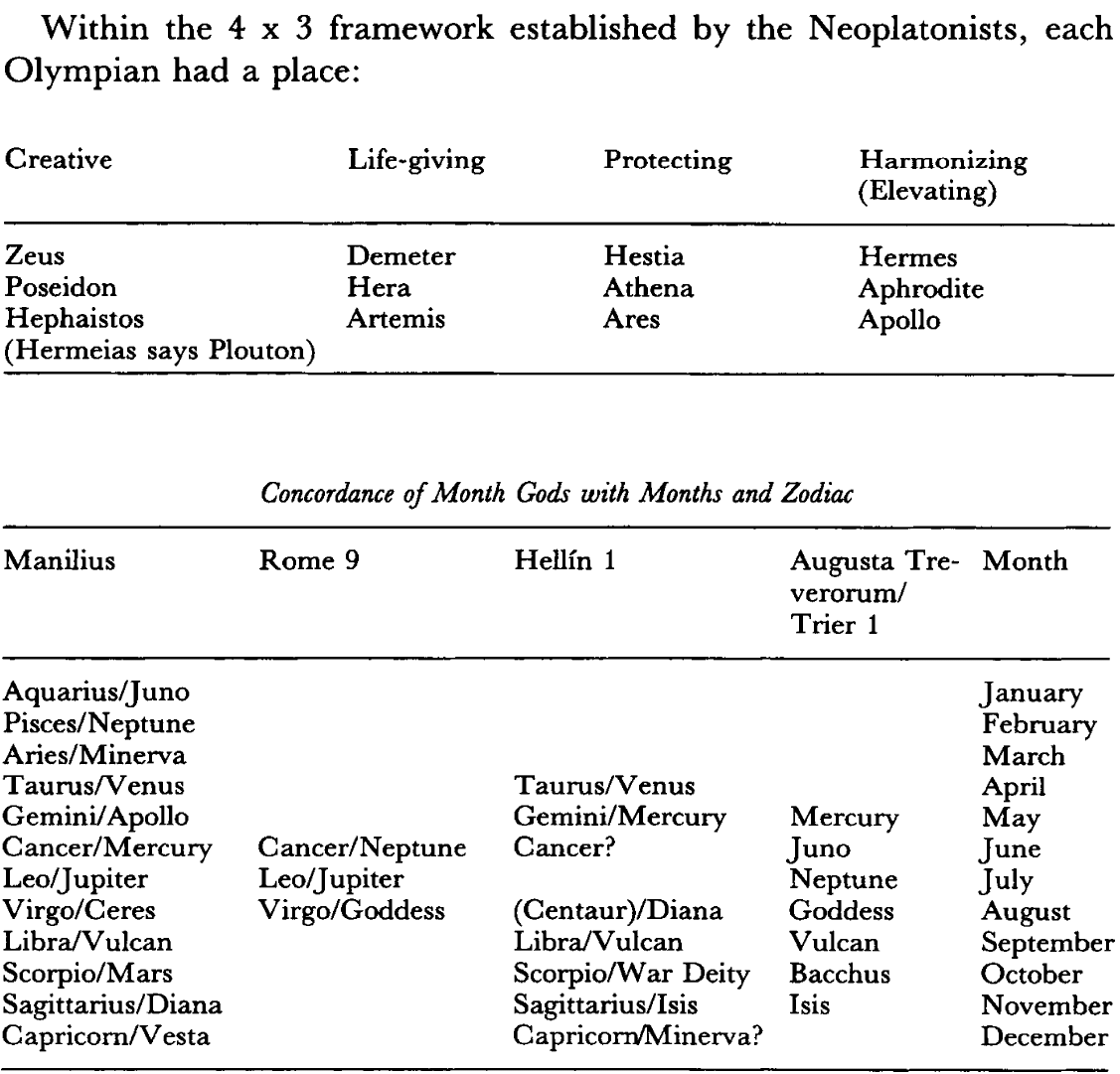
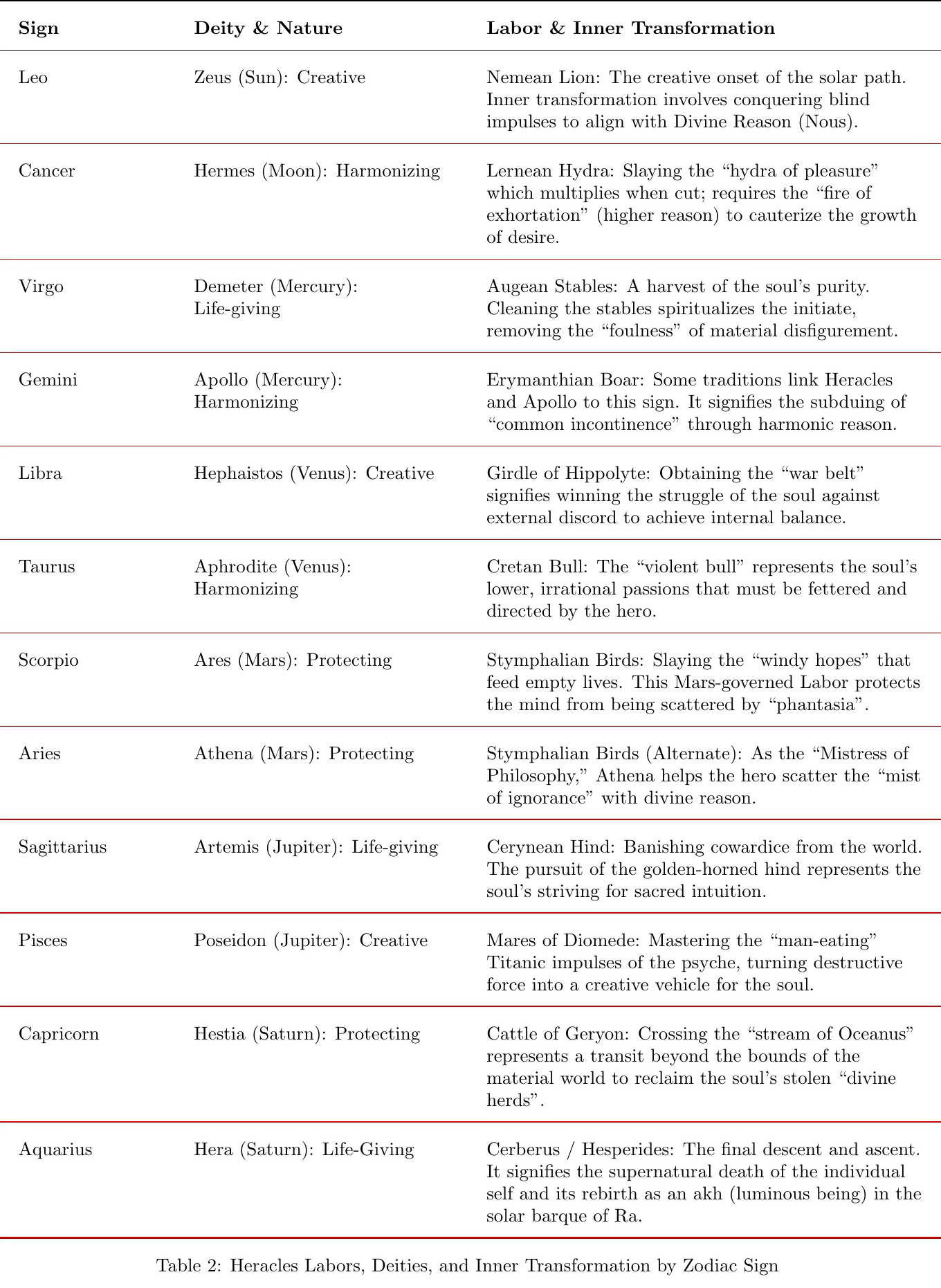
Classification: Athloi (Twelve Works) and Parerga (Side-Deeds). The Olympian-Zodiacal correspondences According to Manilius and Neoplatonic frameworks, the twelve gods are divided into creative, life-giving, protecting, and harmonizing works.
The Olympian-zodiacal correspondences
According to Manilius and Neoplatonic frameworks, the twelve gods are divided into creative, life-giving, protecting, and harmonizing works.
In this light the Twelve Labors of Heracles should be understood not merely as historical or literal chronicles of monster-slaying, tale-tales of bygone heroes, but as a mythopoetic alchemizing of the soul’s combat, a theurgical process of inner transformation that simultaneously produces a civilizing “byproduct” in the external world. This dual nature allows the hero to act as a culture hero (exoteric) while pursuing apotheosis (esoteric).
How to read the labors: esoteric and exoteric
In the Neoplatonic and theurgic tradition, the Labors represent the via dialectica, a path of purification and restoration of unity with the divine principles. Esoterically, Heracles is a paradigm for the soul that descends into the “Underworld” of material existence and then ascends back to the solar realm of Nous (Divine Intellect) in the realm of the stars. The combat is an internal struggle against irrational passions and “monsters” of the heart; for example, the Nemean Lion is seen allegorically as the “indiscriminate rush towards improper goals,” and the Lernean Hydra as “pleasure” that multiplies when cut. “Everything in moderation, nothing in excess” - may the moderation still not be lackluster, but like like suspended sword, a stout bow, a combative, militant, intellectual moderation, focused and magnanimous in its power.
Exoterically, these internal victories manifest as active service to society. Heracles “tamed the uncrossable land and the wild sea,” clearing the earth of wild beasts and establishing order over disorder. In modern politics and society, this represents the “heroic spirit” that refuses to be silenced, acting as a defender of civilized values even when inhibited by external forces. Historically, rulers like Alexander the Great and Roman emperors used this “Heraclean” identity to justify their role as protectors and founders of cities.
The initiatory cycle and the season
The timing of the Heracles cycle is deeply rooted in the zodiacal year. The canonical work begins under the sign of Leo.
The First Work (Nemean Lion / Leo): As the “creative onset on the path of Zeus,” this Labor signifies the beginning of the work under the Sun (Sol Invictus). The Lion’s invulnerable skin represents the tough exterior of material existence that can only be overcome by the “bare hands” of heroic reason and brute spiritual strength. Once conquered, the lion-skin becomes the hero’s protective “trophy,” a protective hellenic Alke, symbolizing his newly mastered nature.
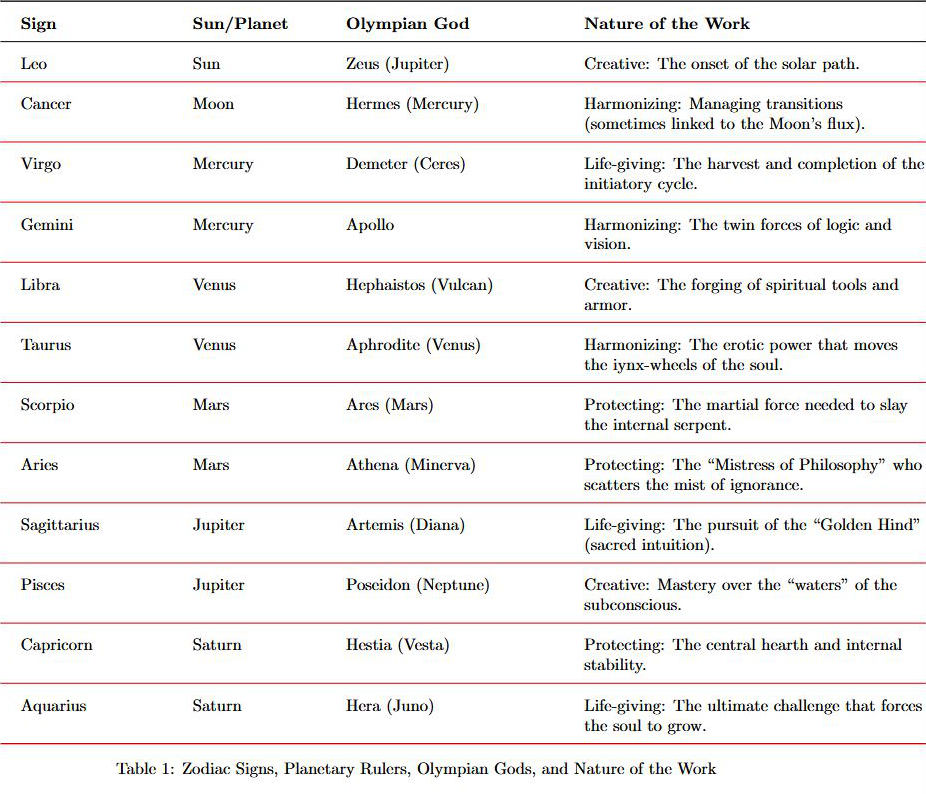
The Initiatory Goal: This cycle passes through the “Twelve Night Hours” of the soul’s journey (analogous to the Egyptian Duat), leading to immortality. Classification: Athloi and Parerga The hero’s deeds are divided into two categories that distinguish his primary mission from his incidental impact on the world: Athloi (Twelve Works): These are the mandatory labors imposed by Eurystheus the wicked as penance or fate, penance for murdering his family in great fury and insanity imposed not due to his own fault. They represent the structured path of the soul’s “test and struggles” (the performative sequence). Parerga (Side-Deeds): These are adventures Heracles encounters while traveling to or from his main tasks, such as freeing Prometheus or fighting the Centaurs. They illustrate how the esoteric journey (the athlos) naturally produces heroic actions in the world (the parergon). Olympian-Zodiacal Correspondences According to Neoplatonic frameworks and the tradition recorded by Manilius, the twelve Olympian gods serve as the tutela (guardians) of the zodiacal signs, reflecting a division of labor between creative, life-giving, protecting, and harmonizing forces. Based on the framework you provided and the supporting sources:
Inner transformation as alchemical work
The Labors function as an internalized mysteriosophy. To “clean the Augean Stables” is esoterically to clear the “mass of dung”, the moral foulness and material disfigurement, the alchemical nigredo from the soul. This “spiritualization” turns the initiate into an akh (an enlightened being of light), restoring the “Sound Eye” (truth and wholeness). By imitating the Sun’s voyage through the zodiac, the hero (and the initiate) connects the end to the beginning, ultimately achieving a “supernatural death” where the individual self dies so that the divine self can be reborn into the starry worlds.
The Twelve Labors of Heracles, viewed through the lens of Neoplatonism and theurgy, constitute a mythopoetic alchemizing of the soul’s voyage toward the divine. Rather than literal events, these labors are an internalized mysteriosophy where the hero’s “athloi” (mandatory works) represent the structured path of purification and the “parerga” (side-deeds) illustrate the active civilizing by-product of this inner spiritualization in the external world.
The Initiatory Cycle and Inner Transformation
The initiatory cycle follows the Sun’s voyage around the circular cosmos, serving as a paradigm for the soul’s homecoming to the noetic-noeric realm. This process is a via dialectica, a withdrawal from diversity to unity and from the image (eidolon) to the archetype (eidos). In this alchemical framework, the Labors are read as the soul’s combat against irrational passions: Cleaning the Augean Stables: Allegorically represents clearing the “mass of dung” or moral foulness that disfigures humanity. Slaying the Nemean Lion: Conquering the “indiscriminate rush toward improper goals”. Capturing Cerberus: Represents the mastery of the three branches of philosophy—logic, physics, and ethics—which must be brought into the “light of day”. The Apples of the Hesperides: Represents the acquisition of the three “apple-virtues” needed to overcome anger, greed, and the love of pleasure. Olympian-Zodiacal Correspondences and the Works According to the frameworks of Manilius and Neoplatonic theology, the Labors correspond to the twelve signs of the zodiac, each guarded by an Olympian tutela. This cycle represents the soul’s transition from the “titanic” divided life to a unitary divine life.
Olympian-zodiacal correspondences and the works
According to the frameworks of Manilius and Neoplatonic theology, the Labors correspond to the twelve signs of the zodiac, each guarded by an Olympian tutela. This cycle represents the soul’s transition from the “titanic” divided life to a unitary divine life.
The theurgical result
Heroic Reason and Logos in the World The esoteric combat of the heart produces an exoteric byproduct: the civilizing of the world. By taming “uncrossable lands” and clearing “wild beasts,” the hero establishes Maat (order and truth) over chaos. For the Neoplatonist, the Labor of Heracles is an imitation of heroic strife of Numen Multiplex, Divinity; though his spirit may be inhibited by the material “Eurystheus,” his heroic reason remains unscathed, eventually leading to his apotheosis, the reunion with his divine Father.
References
- Charlotte R Long (1987) The Twelve Gods of Greece and Rome.
- Daniel Ogden (2021) The Oxford Handbook of Heracles.