Biography
of Silvestrius Silvinus
- Silvestrius Silvinus, a free citizen, is attested as a member of a Mithraic community (syndexios) at the Mithräum von Dieburg.
- Also recorded as Quadratarius (stoneworker / sculptor).
- Attested in 200.
- Attested at Vicus Vetonianus, Germania superior, Germania (TNMM 231).
TNMP 54
Silvestrius Silvinus was a stoneworker or sculptor (artis quadratariae) of Biturigan origin active at Dieburg (Vicus Vetonianus) in Germania Superior, probably around the late second or early third century CE. He is attested as a member of the Mithraic community associated with the Mithraeum of Dieburg (TNMM 232) and is best known as both a dedicator and the probable maker of its remarkable two-sided cult relief (TNMM 231; CIMRM 1247).
The inscriptions on the relief name him together with Silvestrius Perpetus and Silvinius Aurelius. Silvestrius Silvinus is identified as practising the ars quadrataria, the craft of stoneworking, while Perpetus, described as his frater, practised the ars sutoria, the shoemaker’s trade. Aurelius is described as nepos, although whether this should be understood here as nephew or grandson is uncertain. Together they dedicated the monument to the invincible god Mithras and recorded the fulfilment of a vow, votum solverunt libentes laeti merito (Finke 1927, no. 187; Behn 1928; Vermaseren 1956, Clauss 1992; Matijević and Wiegels 2004, no. 7).
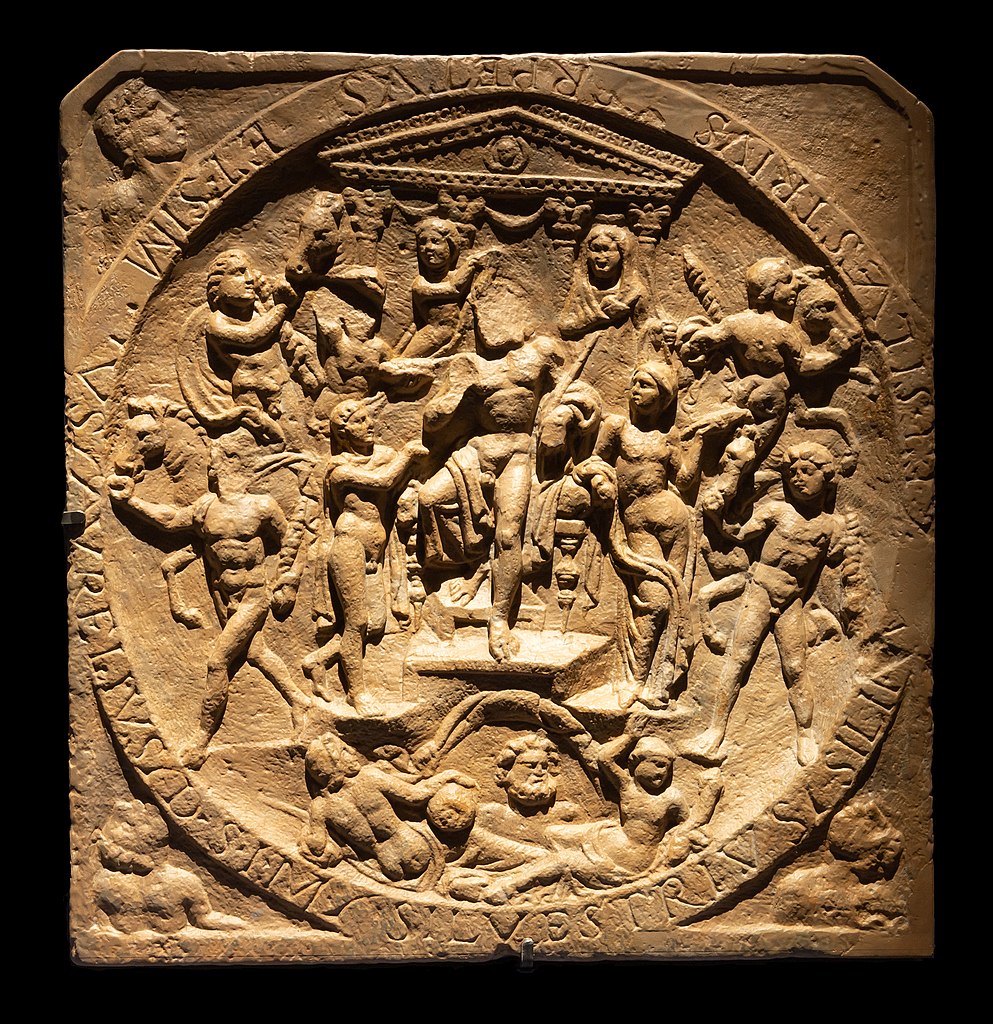
Silvinus appears to have been more than a donor. The explicit reference to his profession on the relief led Behn (1928) to identify him as the craftsman responsible for its execution. This interpretation was accepted by Vermaseren (1956), who calls Silvinus the artist, and by Clauss (1992), who observes that, as a stoneworker, he was able to realise his own artistic ideas in the monument. The attribution is particularly significant because the two-sided relief of Dieburg (TNMM 231) is exceptional among surviving Mithraic monuments, both for the range of its iconography and for its construction: the stone was mounted on a pivot so that either decorated face could be displayed.
One face centres on Mithras riding on horseback and shooting his bow, surrounded by episodes from the Mithraic myth, including the rock-birth, the carrying of the bull and the banquet with Sol. The reverse presents an elaborate cosmic composition centred on Sol and a youthful figure traditionally interpreted as Phaethon-Mithras, accompanied by the Seasons, Winds, Caelus, Tellus and Oceanus. Vermaseren (1963) drew particular attention to this unusual composition and to the possibility that the revolving monument allowed different imagery to be displayed during Mithraic ceremonies.
Silvinus is independently attested by another inscription from Dieburg associated with a monument to Diana (CIL XIII 6434). This inscription is significant because it identifies him as a Biturex, establishing his origin among the Bituriges of Gaul, and again records his profession as a stoneworker. Behn (1928) recognised that the Silvestrius Silvinus named there was the same man as the craftsman of the Mithraic relief. Clauss (1992) likewise stresses the Celtic character of the names represented among members of the Dieburg community and uses Silvinus’s explicit designation as Biturex as additional evidence for their regional background.
Behn (1928) further suggested on stylistic grounds that other sculptures from Dieburg may have been products of Silvinus or his workshop. More recent study has also noted technical similarities between the two-sided relief from Dieburg and the fragmentary revolving cult relief from the nearby Mithraeum at Stockstadt, raising the possibility that both were produced by the same workshop, although there is no direct evidence that Silvinus himself carved the Stockstadt monument (TNMM 2065; Osnabrügge 2025).
Silvestrius Silvinus thus offers an unusually detailed glimpse of an individual Mithraist in Germania Superior: a migrant of Biturigan origin, a professional stoneworker, a member and donor of the Mithraic community at Dieburg, and very probably the craftsman responsible for one of its most elaborate surviving cult monuments.
References
Attestations
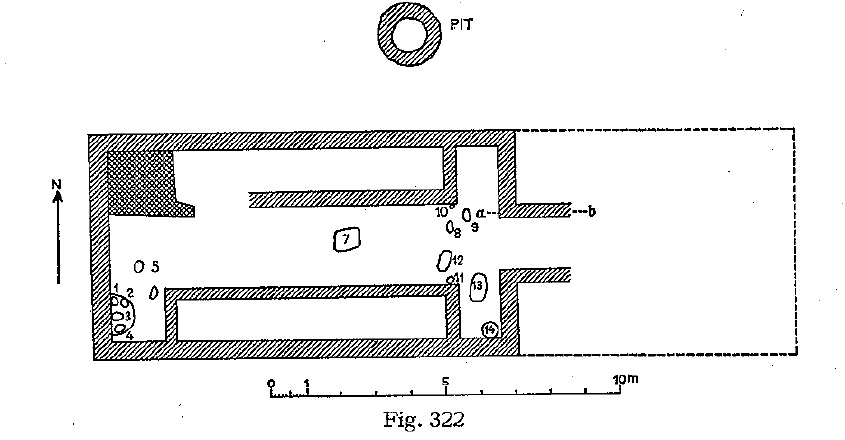
Mithräum von Dieburg
TNMM 232
There are references to two places of worship from Dieburg, whereby the Mithraeum, discovered in 1926.
Two-sided relief of Dieburg
TNMM 231
The relief of Dieburg shows Mithras riding a horse as main figure, surrounded by several scenes of the myth.
Perpetus fra/te[r] artis sutor[iae]. / Silvinus ar/tis quadratari/ae Aureli[us ---] d[ono] d[ederunt].
[Side B:] D[eo] S[oli] i[nvicto] M[ithrae] Silvestrius Sil[v]inu[s] et Silvestrius Perpetus et Silvinius Aurelius.
[Side B:] To the invincible god Mithras, Silvestrius Silvinus, Silvestrius Perpetus and [Silvinus?] Aurelius, their nephew, fulfilled their vow willingly, gladly and deservedly. Perpetus, brother, a cobbler by trade, and Silvinus, a sculptor by trade, Aurelius [---] gave this as a gift.