This site uses cookies to offer you a better browsing experience.
Find out more on how we use cookies in our privacy policy.

 
Support The New Mithraeum The New Mithraeum is an independent, non-profit project dedicated to Mithraic studies, ancient religions and classical culture. Developed and maintained independently since 2007, the site exists without advertising, paywalls or institutional funding. If you have found value in its articles, interviews, photographs or database, please consider supporting the project with a contribution. Every contribution helps keep The New Mithraeum open, free and alive. Thank you.
Support us →
Locus

Neapoli

Naples has been inhabited since the Neolithic Age. In the 2nd millennium BC, the Mycenaeans settled in the area. During the Roman period, Naples maintained its Greek language and customs, and greatly expanded.

Mithraic monuments of Neapoli


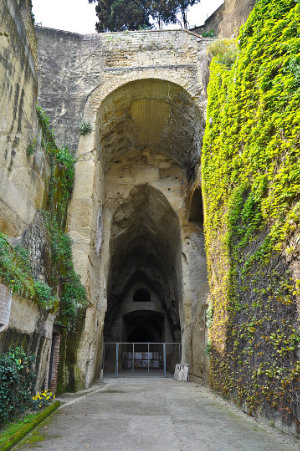
Mithraeum of Naples

The Mitreo della crypta neapolitana was used a des legends about its use, from a cult place devoted to Priapus to celebrate Aphrodite.


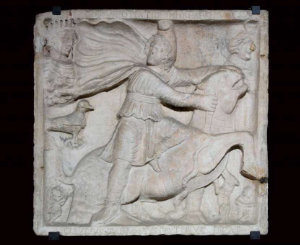
Tauroctony from Naples

The marble relief of Mithras killing the bull in Naples bears an inscription that calls the solar god omnipotentis.

CIMRM 174


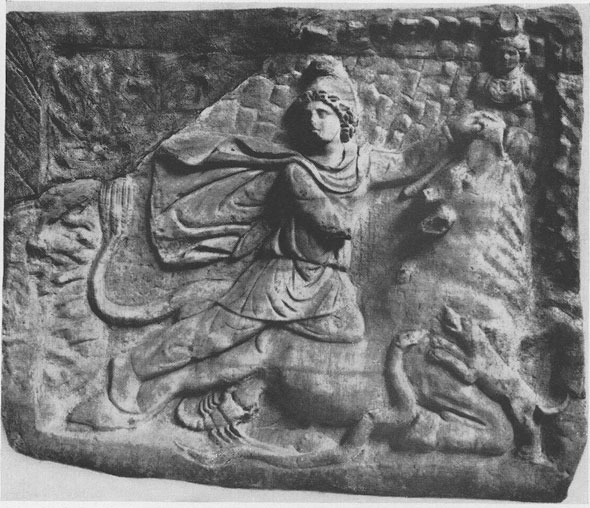
Tauroctony relief from Naples

This marble tauroctony relief, probably originating from Naples, depicts Mithras slaying the bull within a cave-like setting, accompanied by the usual animals and celestial busts.

CIMRM 173

Inscriptions from Neapoli

Tauroctony from Naples

Omnipotenti Deo Mithrae Appius / Claudius Tarronius Dexter v[ir] c[larissimus] dicat.
To the almighty god Mithras, Appius Claudius Tarronius Dexter, senator, dedicates [this relief].

References

  • Epigraphik-Datenbank Clauss / Slaby. Tauroctony of Naples in EDCS
  • Vittoria Canciani (2022) Archaeological Evidence of the Cult of Mithras in Ancient Italy
Back to Top