Your search Al-Ankawi gave 2247 results.
Pessinus was an Ancient city and archbishopric in Asia Minor, a geographical area roughly covering modern Anatolia.
Dalj is a village on the Danube in eastern Croatia, near the confluence of the Drava and Danube, on the border with Serbia.
The Bad Ischl area has been inhabited since the time of the prehistoric Hallstatt culture. Documentary evidence of the settlement dates back to 1262, when it was referred to as Iselen.
Palermo is a city in southern Italy, the capital of both the autonomous region of Sicily and the Metropolitan City of Palermo, the city's surrounding metropolitan province.
Venetonimagus, now Vieu, part of the town of Valromey, would have been called Venetonimagus or Venetonimago in Gallo-Roman times.
Jabal al-Druze, officially Jabal al-Arab, is an elevated volcanic region in the As-Suwayda Governorate of southern Syria.
La Bâtie-Montsaléon is a commune in the Hautes-Alpes department in southeastern France. It is notable for being the location of the Battle of Mons Seleucus in 353, when Constantius II defeated the usurper Magnentius.
Icosium was a Berber city that was part of Numidia which became an important Roman colony and an early medieval bishopric in the casbah area of actual Algiers.
Boulogne-sur-Mer; Picard: Boulonne-su-Mér; Dutch: Bonen; Latin: Gesoriacum or Bononia, often called just Boulogne, is a coastal city in Northern France.
Caetobriga, now Setúbal of Proto-Celtic *Caetobrix, became a Turdetani settlement which passed under Roman rule. In the time of Al-Andalus the city was known as Shaṭūbar.
Kalkar is a municipality in the district of Kleve, in North Rhine-Westphalia, Germany.
Apulum, now within Alba Iulia, was a Roman settlement first mentioned by the mathematician, astrologer and geographer Ptolemy. Its name comes from the Dacian Apoulon.

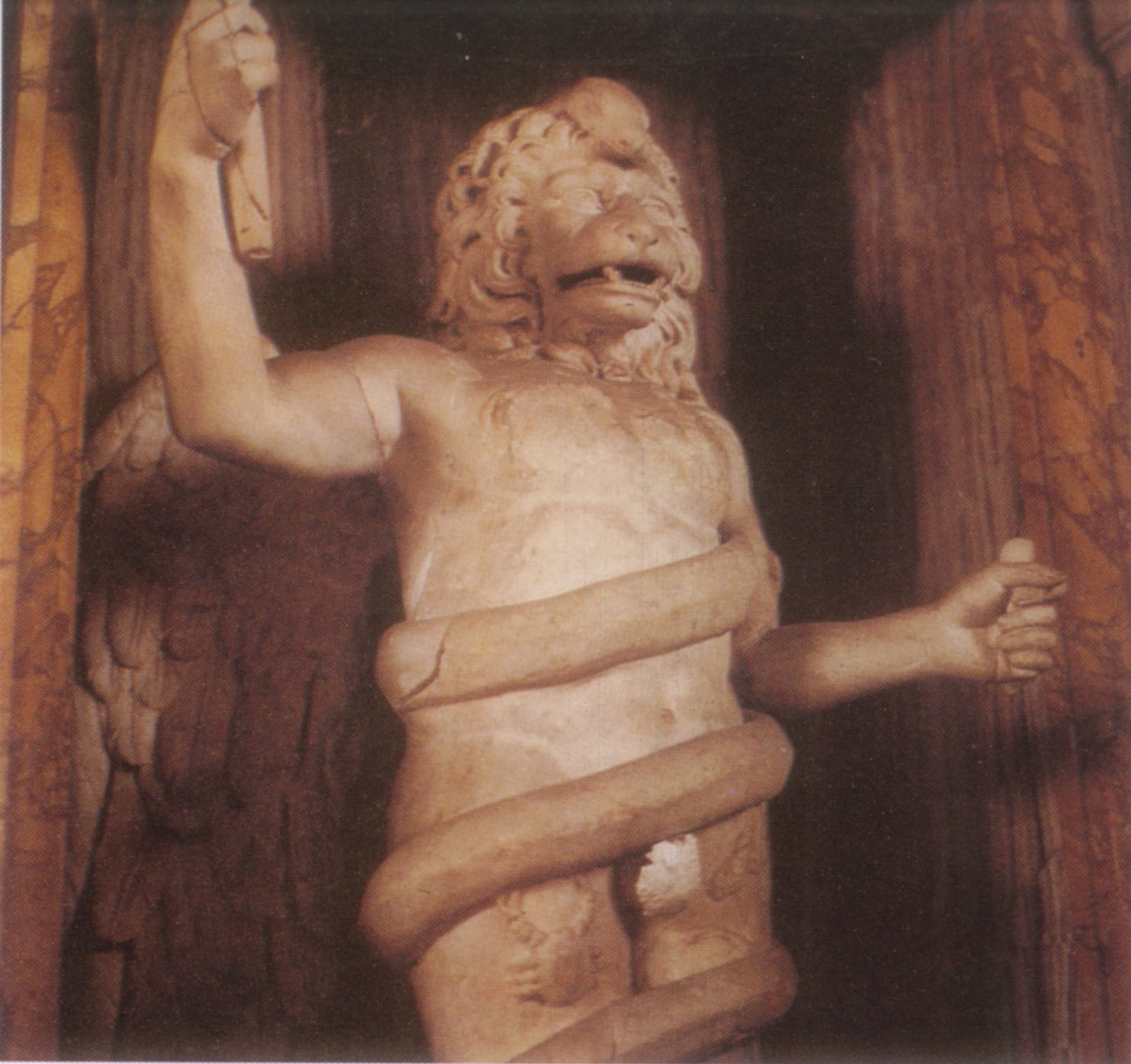
This monument has been identified from ’Memorie di varie antichità trovate in diversi luoghi della città di Roma’, a book by Flaminio Vacca of 1594.
