Your search Arsha wa Qibar - Qaybar - Qeibar - Qibare, al-Hawa gave 3149 results.

The locality of Waggendorf belongs to the southeastern Alpine landscape historically linked with Noricum.
Alesia became famous as the site of Caesar’s decisive siege during the Gallic Wars.

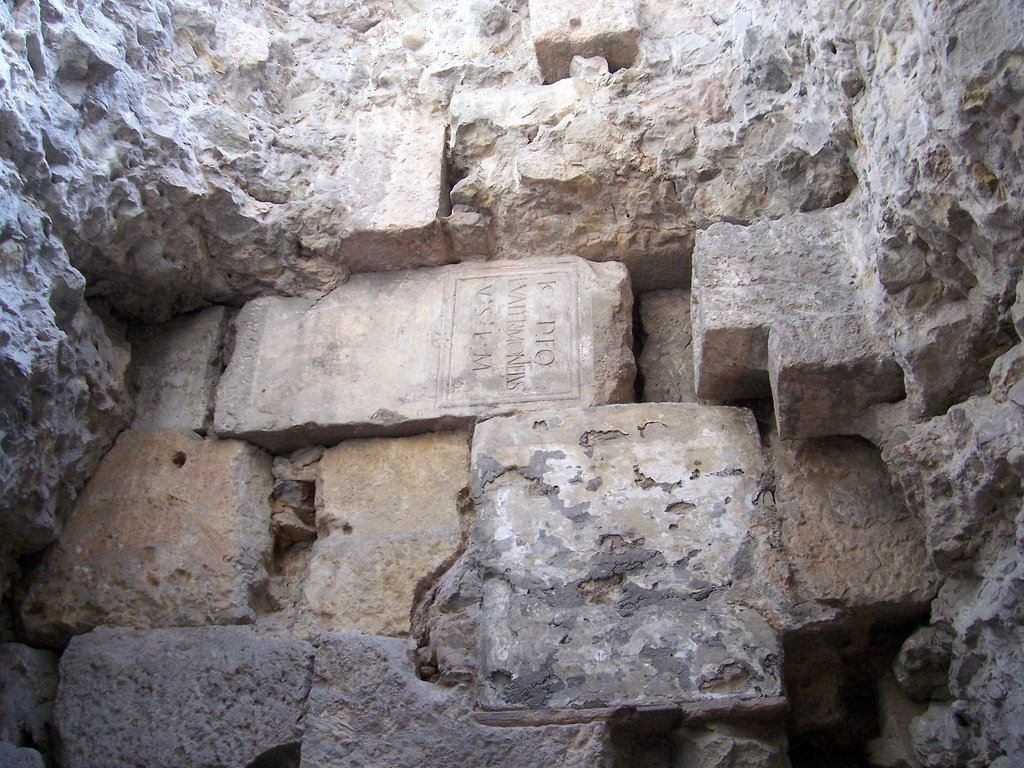
A fragmentary inscription found in the foundations of the Theodosian walls at Aquileia, recording a dedication to the Invincible Mithras by ...ntius Manilianus.
Wall-painting of Mithras tauroktonos in fresco, discovered in 1886 in an underground room of the house of the Nummi Albani on the Quirinal (Via Firenze); the god wears a red cap and tunic, the torchbearers wear yellow or orange tunic and cap with green or brown anaxyrides…
Under-layer wall-paintings in the S. Prisca Mithraeum on the Aventine showing a further procession of Mithraic initiates in different colours, with partially legible dipinti including liturgical verses and acclamations.
Partially legible graffito scratched on the back wall of room M in the Palazzo dei Musei Mithraeum, Rome.
Wall-painting on the last column but one of the Palazzo Barberini Mithraeum, showing a standing person in a short tunic with a wreath of ivy, carrying fruits in his left hand.
Wall-painting on the last column of the left bench in the Palazzo Barberini Mithraeum, showing a standing person pressing his left hand to his breast and extending his right hand towards a kneeling person whose head is covered with ivy.
Relief in plaster, fixed on the wall beside the Mithraic wall-painting (No. 386) in the house of the Nummi Albani on the Quirinal, with traces pointing to a representation of Mithras slaying the bull.
Fragmentary inscription on wall plaster from the Mithraeum of Dura-Europos, Syria, with partially legible text.
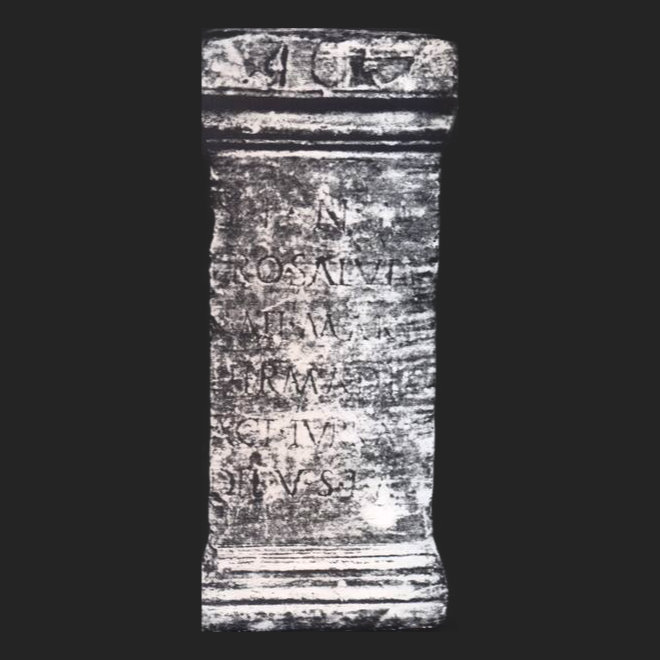
This altar was erected by Hermadio, who also signed other monuments in Dacia and even in Rome.
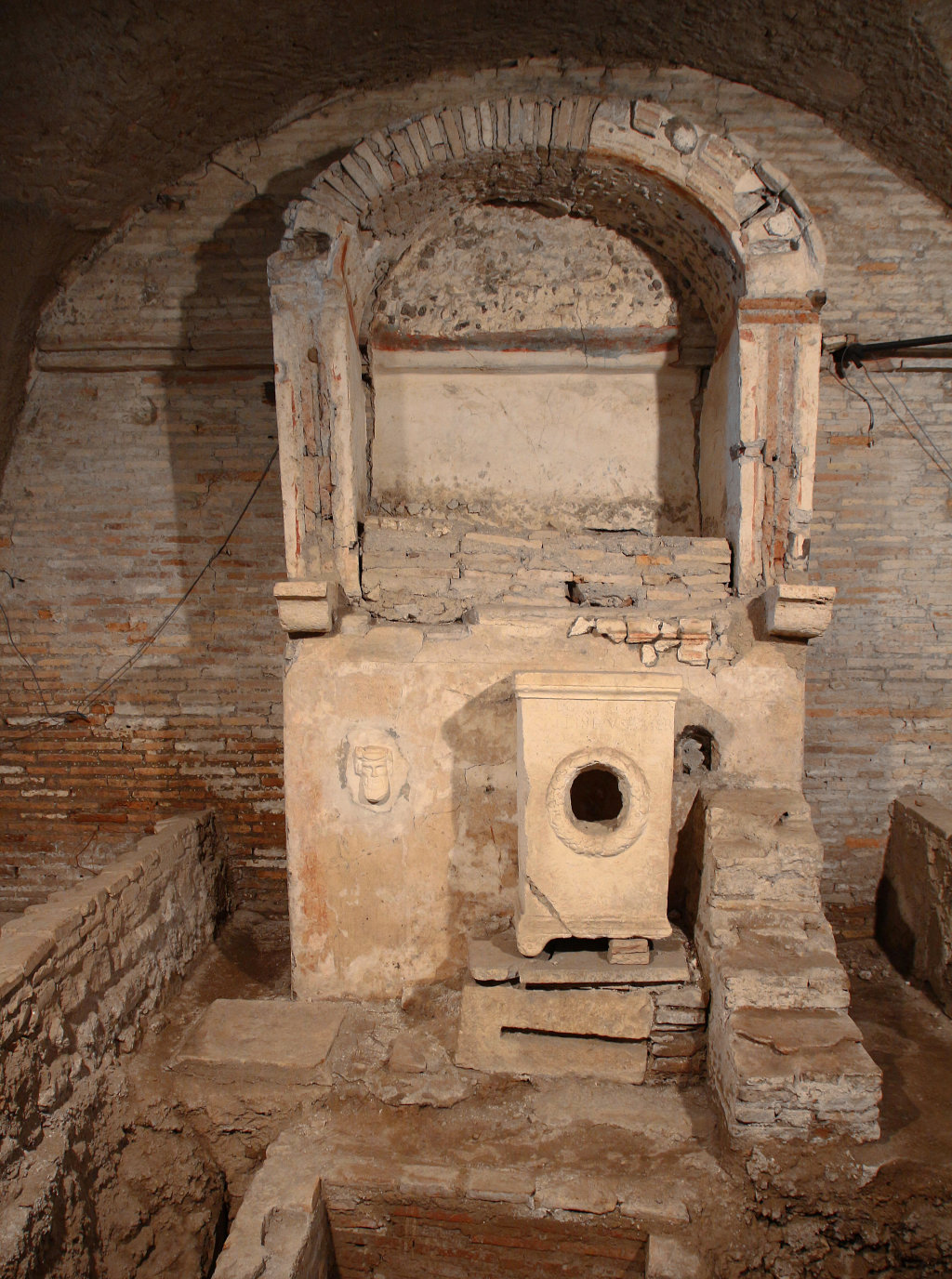
This altar was originally consecrated to Hercules and was rededicated to Mithras by Callinicus in the Mithraeum of the House of Diana.

Moeller interprets the square as a Mithraic construction encoding cosmological, numerical, and theological structures of Roman mystery religion, rather than an early Christian cryptogram.

Tercera entrega de la trilogía de Jaime Alvar dedicada al estudio de los cultos a dioses procedentes de Oriente en la Península Ibérica.

This catalogue proposes, thanks to the contributions of some 75 international experts, a new synthesis for a complex and fascinating cult that reflects the remarkable advances in our knowledge in recent decades.
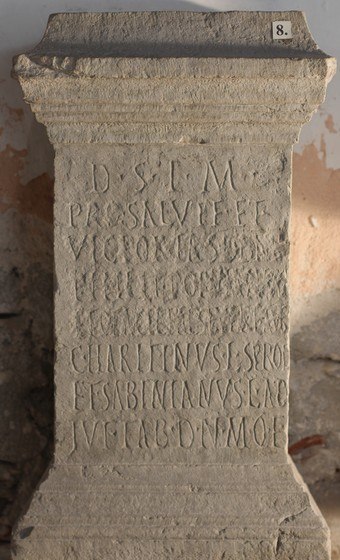
This stone altar found in Poreč was dedicated by two freedmen to the numen and majesty of the emperors Philip the Arab and Otacilia Severa.
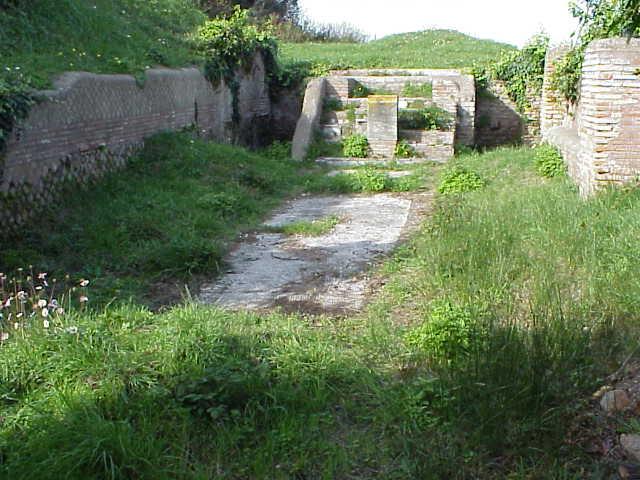
A mosaic of Silvanus, dated to the time of Commodus, was found in a niche in a nearby room of the Mithraeum in the Imperial Palace at Ostia.
This altar was dedicated to Cautes by a certain Lucius in Baetulo (Badalona), near Barcino (Barcelona).
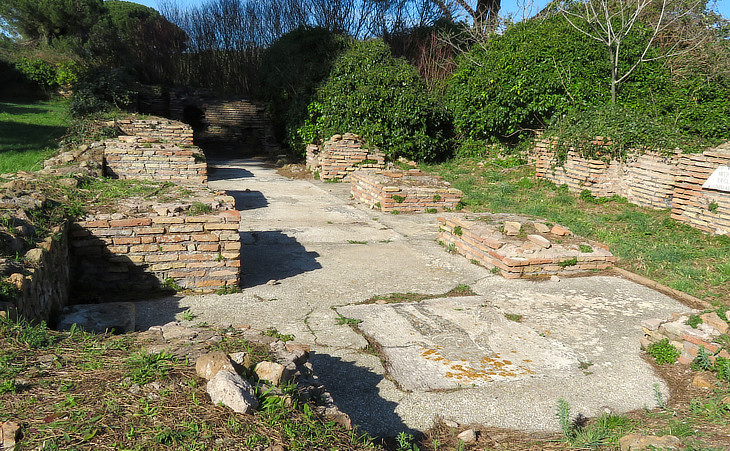
The Mithraeum of the Animals was decorated with a mosaic depicting a naked man, a cock, a raven, an scorpion, a snake and the head of the bull.
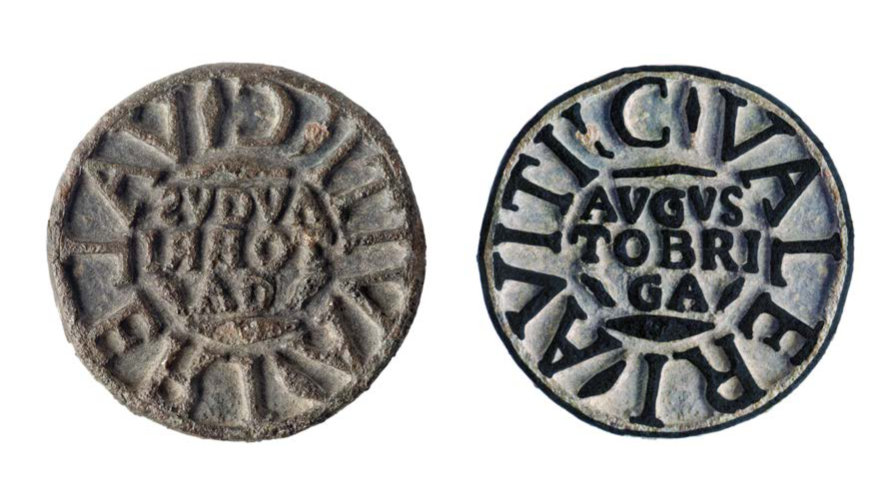
Bronze personal seal of a duovir of Tarraco and owner of the villa of Els Munts.
