Your search Ay-Todor gave 1062 results.
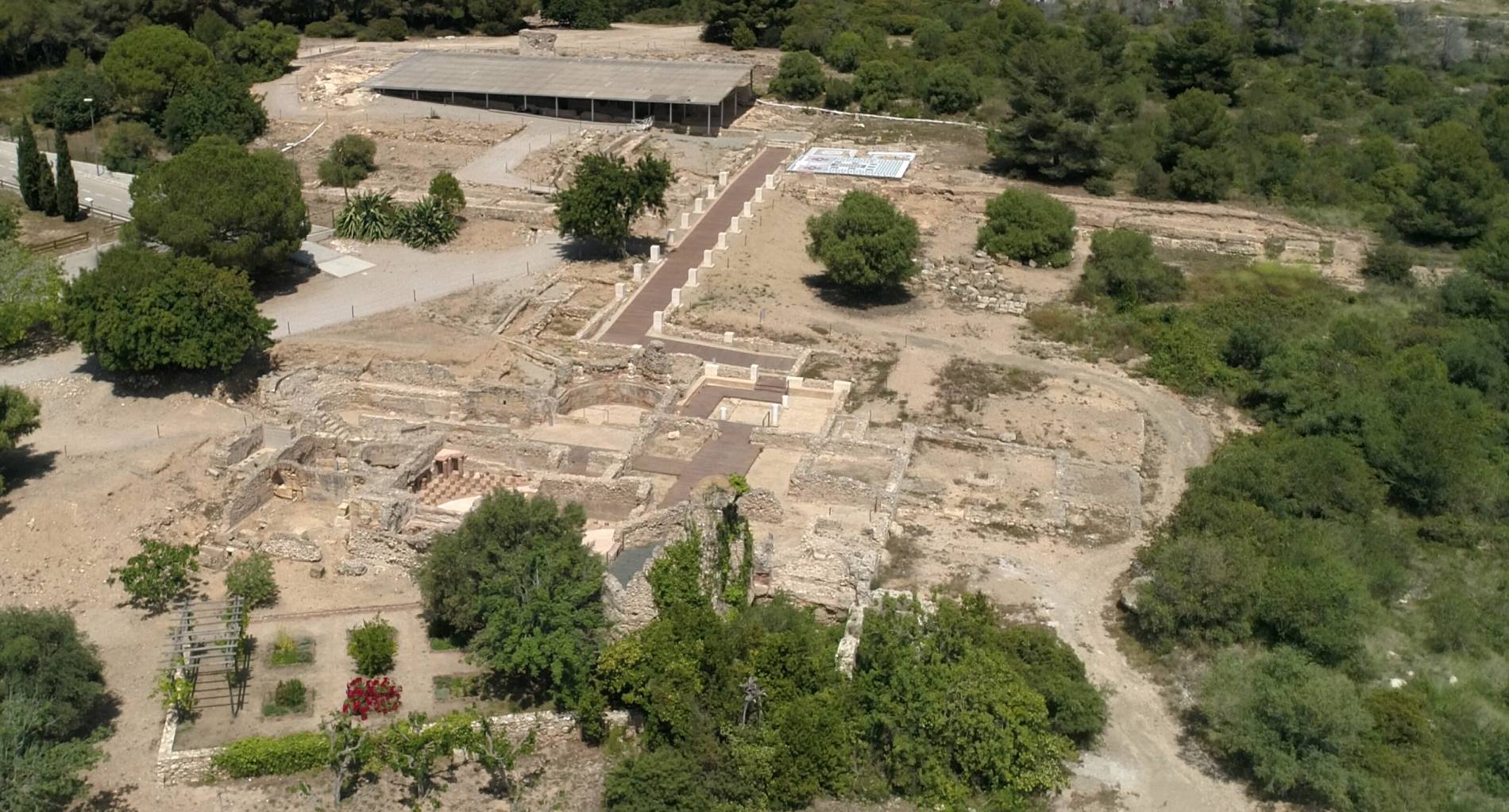
The Mithraeum of Els Munts, near Tarragona, is one of the largest known to date.

Patronus of the corpus lenunculariorum tabulariorum auxiliariorum Ostiensium.
Veteran recalled to imperial service and sole named devotee of Mithras currently attested at Grumentum.

This altar from Grumentum in Lucania was dedicated to Sol Invictus Mithras by Titus Flavius Saturninus, an evocatus in imperial service.

Pater sacrorum attested in a funerary inscription from Murviel-lès-Montpellier, probably connected with the Mithraic community of Nemausus.

A white marble tauroctony relief of unknown provenance, now preserved in the Lapidary Museum of Verona, depicting the standard Mithraic bull-slaying scene.

A funerary cippus, dated to the 2nd–3rd century, commemorating Publius Anthius Logus, pater sacrorum, and erected by Cornelia, daughter of Lucius, found at Sextantio near modern Montpellier in Narbonensis.
Oval jasper gem in the Cairo Museum depicting Mithras slaying the bull with Sol, Luna, a leontocephalic figure and seven stars.
Limestone tauroctony relief fragment of unknown provenance, preserving the upper part of Mithras as bull-slayer with the flying cloak on which the raven is perched.
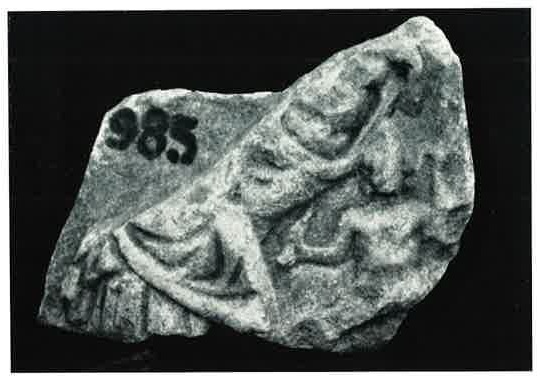
Limestone tauroctony relief fragment of unknown provenance, preserving the upper part of the right torchbearer of a bull-slaying scene.
White marble tauroctony relief fragment of unknown provenance, preserving the foremost part of the bull and part of Mithras as bull-slayer.
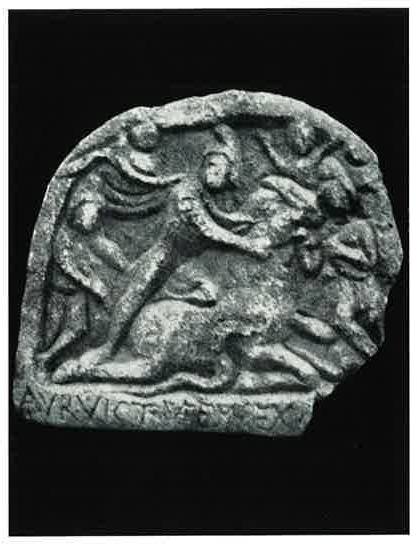
Arched white marble tauroctony relief of unknown provenance, depicting the standard bull-slaying in the usual attitude with dog and serpent.

Industria was a Roman settlement in northern Italy, today associated with Monteu da Po.
Luguvallium was a Roman settlement and fort in northern Britannia, today Carlisle.
Longovicium was a Roman fort and settlement in northern Britannia, today associated with Lanchester.
