Your search Bad Ischl im Salzkammergut gave 2085 results.
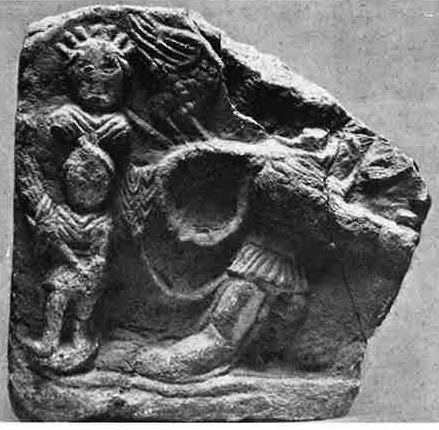
Yellow limestone tauroctony relief found in the bed of the brook Obdulje at Sinać near Otočac in the Lika, Dalmatia, depicting the standard bull-slaying scene.

Altar from Osijek, ancient Mursa, found when the fortress was demolished in 1922, dedicated to Deo Aeterno — the Eternal God — a title sometimes associated with Mithraic worship.
Trapezium-shaped limestone tauroctony relief from Nagytétény, ancient Campona in Pannonia Inferior, depicting Mithras killing the bull in an arched niche with scorpion, serpent, and torchbearers.
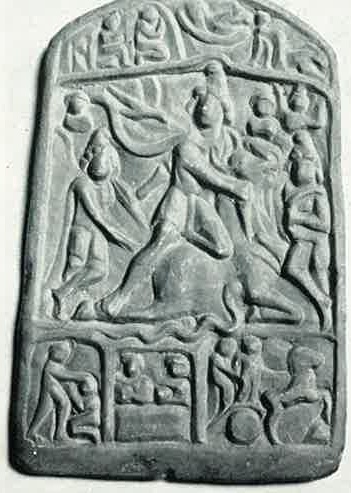
Limestone tauroctony relief found in a grotto at Nagy-Kovácsi, Pannonia Inferior, depicting the standard bull-slaying with flanking torchbearers and divine busts in the upper register.
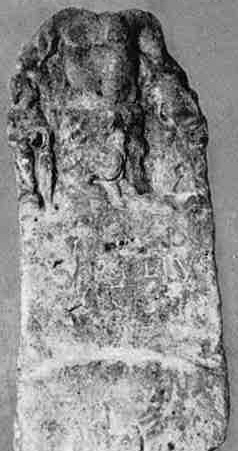
Limestone relief from Schwadorf, ancient Aequinoctium in Pannonia Superior, depicting the naked Mithras being born from the rock with a serpent encircling it, flanked by torchbearers; one of the finest examples of this iconographic type from the Danubian region…
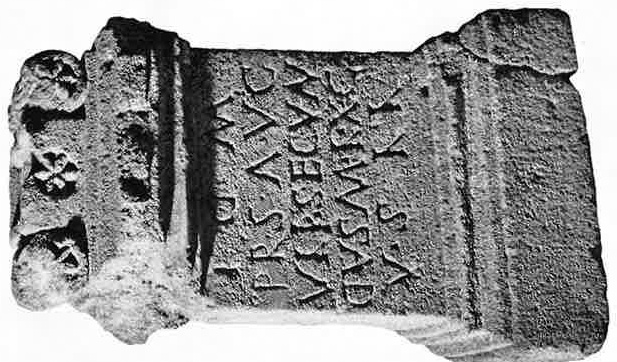
Limestone altar from Vienna, ancient Vindobona in Pannonia Superior, found in 1896 together with two terracotta lamps; the dedicant and full text are not known from the summary description.
Inscription from Neviodunum, Pannonia Superior, with a head of Sol at its centre and a dedication to Iovi optimo maximo Soli invicto comiti Augusti; the Mithraic attribution is doubtful.
Small limestone altar from near Višnja Gora, Pannonia Superior, dedicated to Fonti perenni — the eternal spring — a dedication associated with the Mithraic water cult.
Limestone slab from the Mithraeum at Pohanica, Noricum, elaborately carved on both faces; a metal plate originally attached by pins to its interior was removed, probably by the Mithraists themselves — paralleled at Poetovio.
Inscription from Celje, ancient Celeia in Noricum, recording that Aemilianus donated a gift to Mithrae invicto ex imperio — on divine command.
Marble altar walled into the crypt of the church at Hoče, Noricum, dedicated to Deo Soli invicto Mithrae for the welfare of Marcus Aurelius Felicianus and his son Marcus Aurelius Felicissimus by Helvius Ingenuinus.
Crystalline limestone votive altar from Waggendorf near Sörg, Glantal, Noricum, probably third century AD, dedicated to Deo invicto Mithrae.
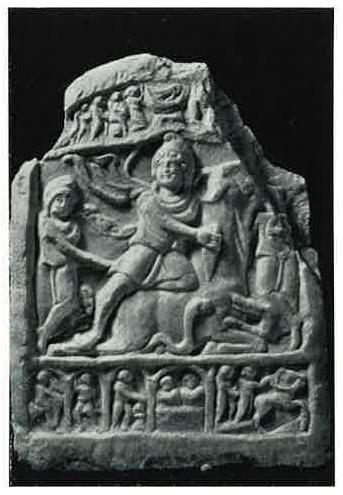
Small limestone tauroctony relief from Enns, ancient Lauriacum in Noricum, found about 100 metres east of the north-east corner of the castra, depicting Mithras killing the bull with dog and serpent and flanking torchbearers.

Three-fragment terracotta plate from the Mithraeum at Linz, ancient Lentia, with a seven-hole border and a graffito in the centre invoking Iupiter Optimus Maximus; found in the second room of the sanctuary.
Limestone statue fragment from Nyon, ancient Colonia Iulia Equestris, depicting a lion encircled by a serpent with schematic scorpions engraved in small triangles on each flank; a composition associated with Mithraic lion symbolism.
Small red limestone altar from Nyon, ancient Colonia Iulia Equestris, dedicated to Invicto by Atius ex voto; one of the few Mithraic monuments from this site.
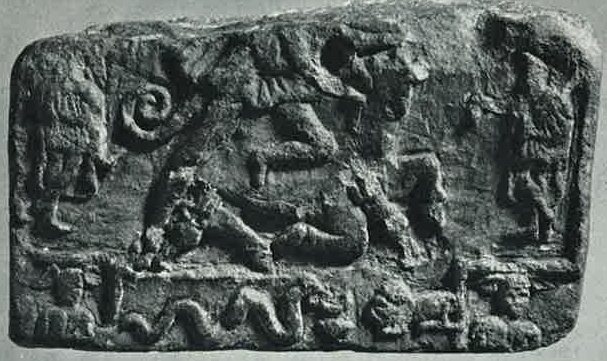
Small limestone tauroctony relief from Augst, ancient Augusta Rauricorum, depicting the bull-slaying with dog and scorpion, flanked by cross-legged torchbearers in Oriental dress; Cautes holds a pedum alongside the upraised torch.
Limestone left hand holding a caduceus from Thun-Allmendingen, belonging to a statue of Mercury associated with the possible Mithraeum.
Two small limestone heads in Phrygian caps from the Stockhorn Mountains near Thun-Allmendingen, each approximately fist-sized, probably belonging to statues of the torchbearers.
Circular limestone water-basin from the entrance area of the Mithraeum at Königshoffen, equipped with a spout and two handles; traces of red paint survive on the interior.
