Your search Bad Ischl im Salzkammergut gave 1088 results.
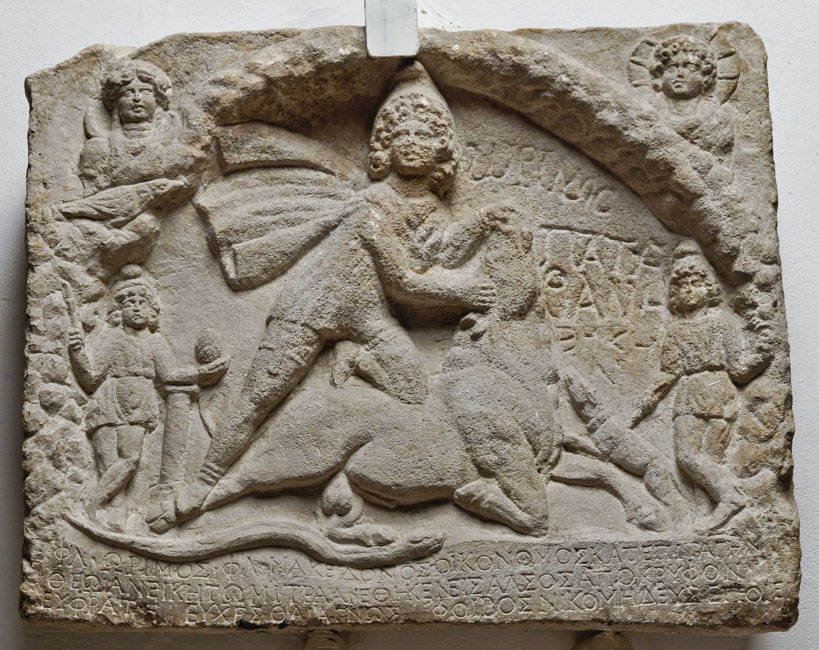
This limestone relief of Mithras killing the bull bears an inscription by a certain Flavius Horimos, consecrated in a ’secret forest’ in Moesia.
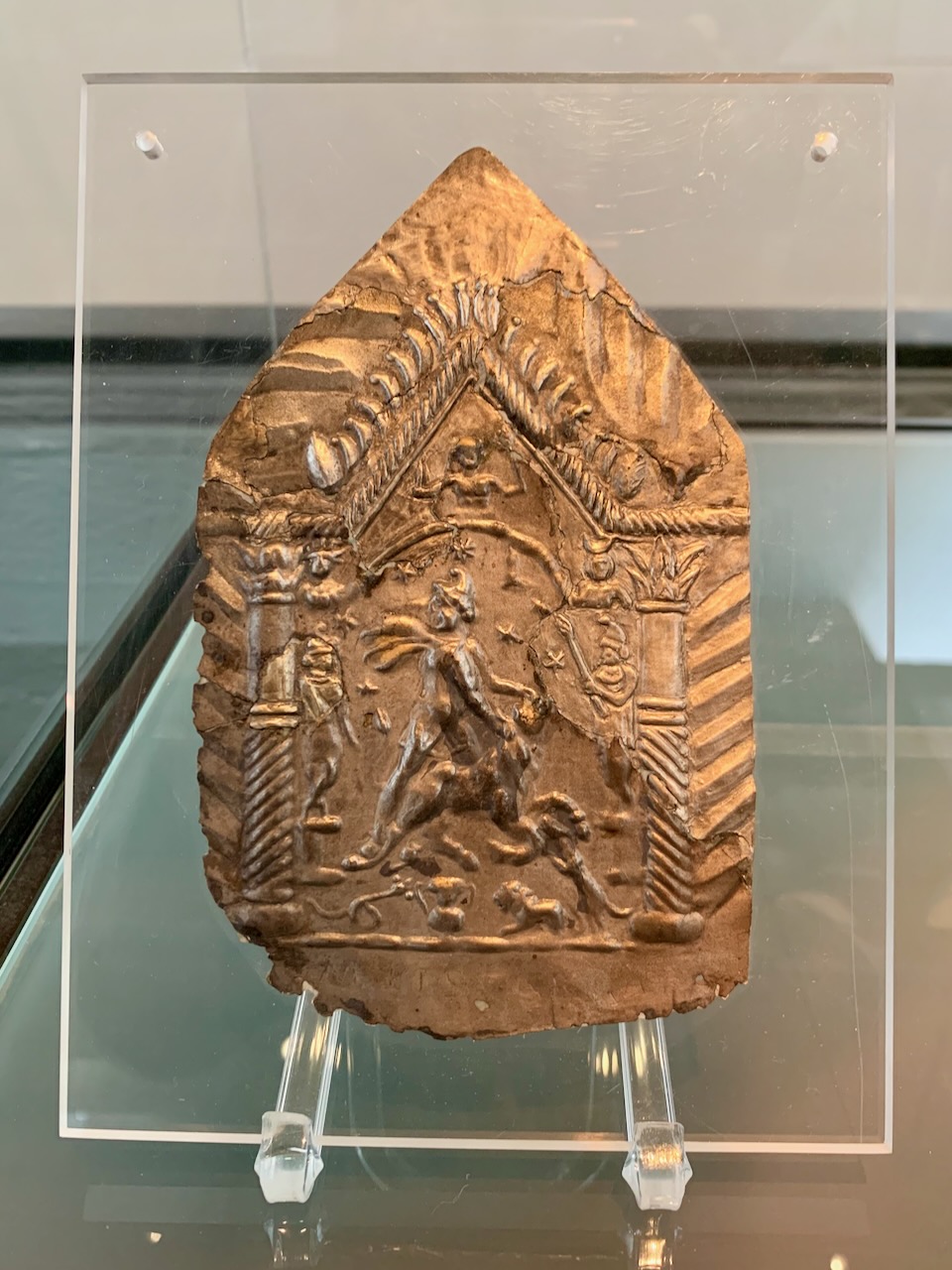
This plaque was found in Mithraeum I at Stockstadt broken into pieces inserted between the blocks of the socle of the cult relief, in the manner of a votive deposit.
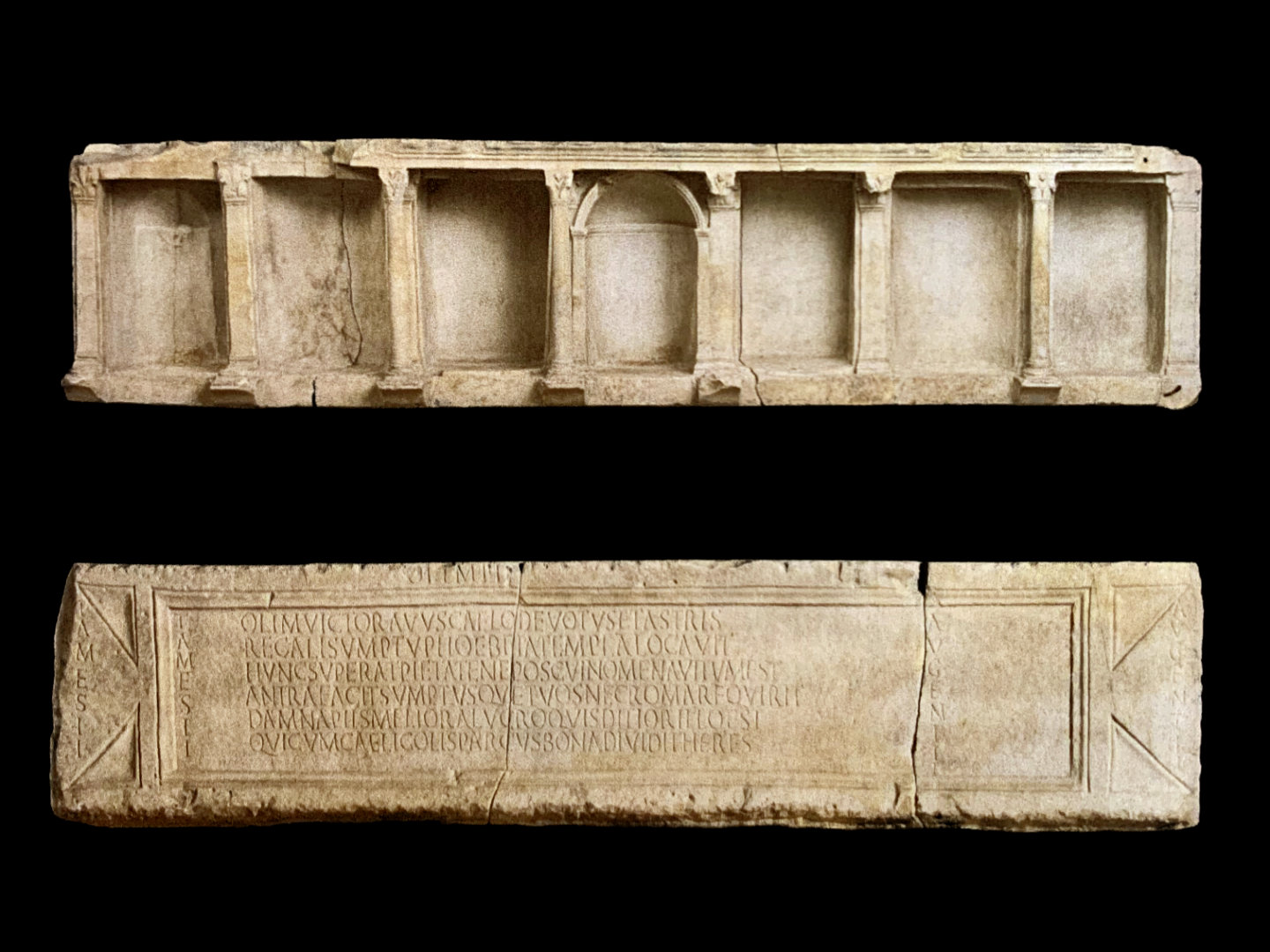
This monument is the only one still available from the disappeared Mithraeum in Piazza S. Silvestro in Capite.
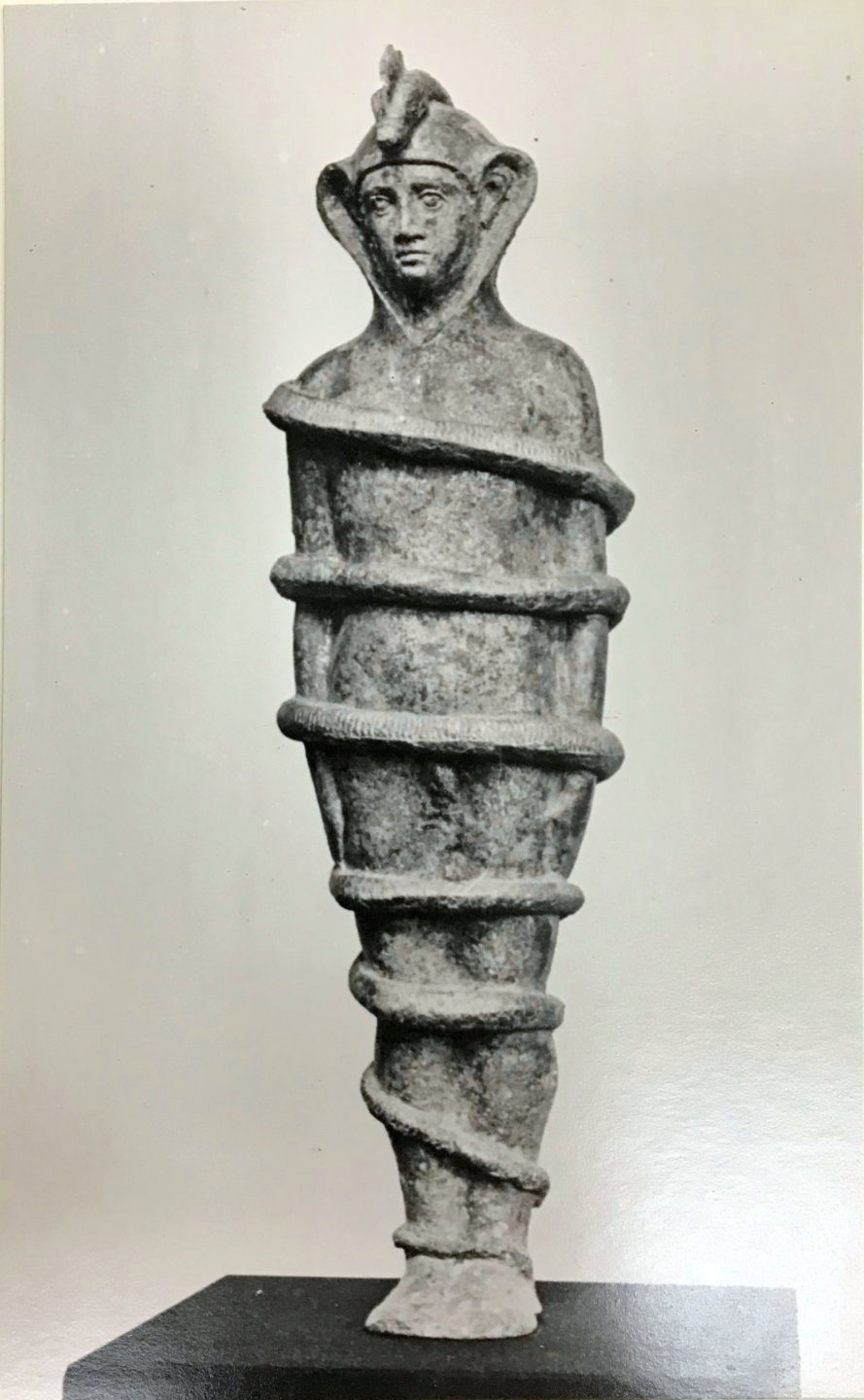
Roman relief from a sanctuary on the Janiculum Hill (Rome), showing a male figure bound by a serpent coiled seven times.
In these passages from his hymns and satires, Julian articulates a solar theology in which Helios governs cosmic order and time. Within this framework, Mithras appears as a personal divine guide associated with the ascent of souls.
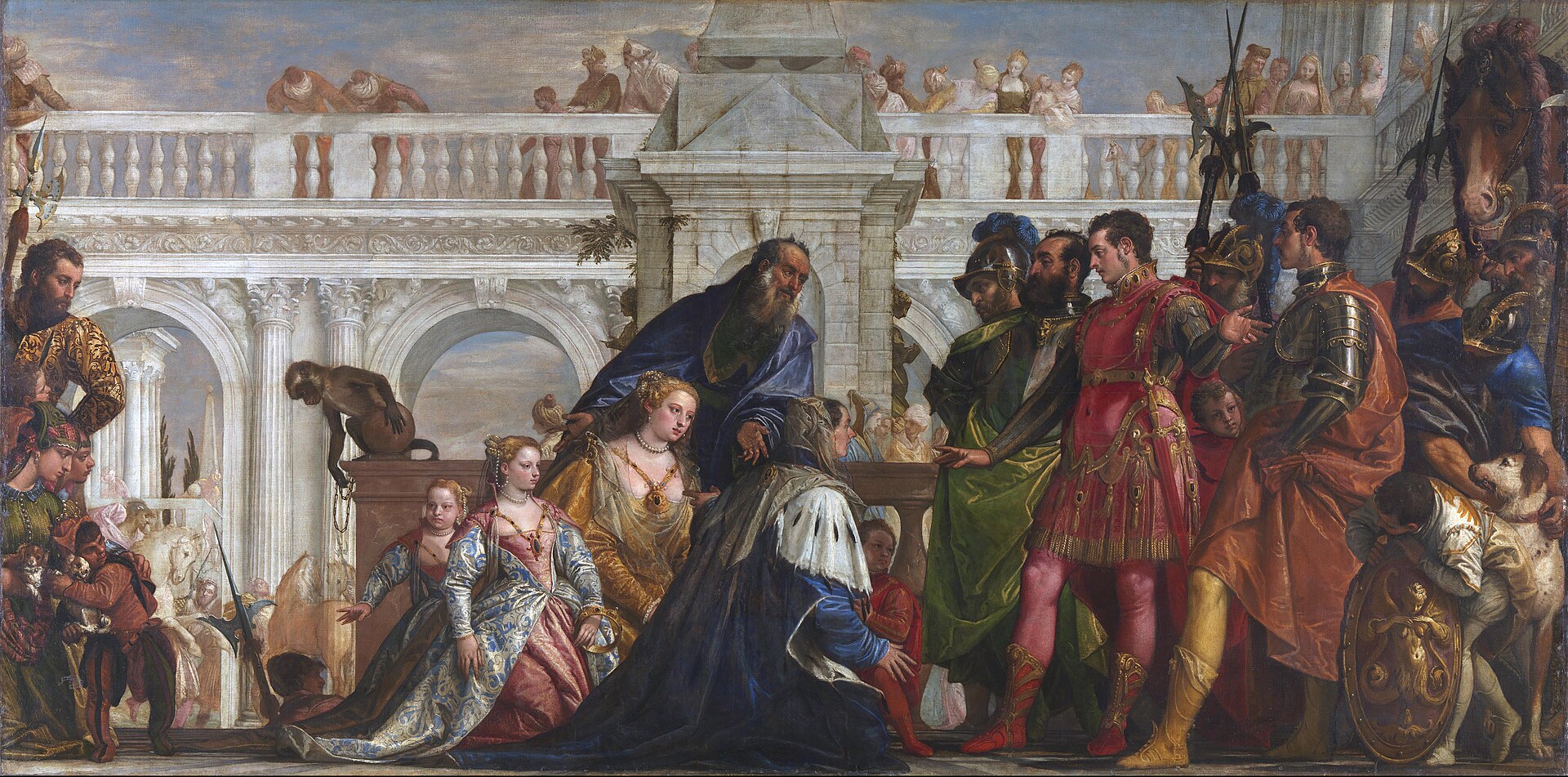
Late antique legendary biography of Alexander the Great (c. AD 300), where history, myth, and imperial ideology merge around figures of divine kingship and solar power.
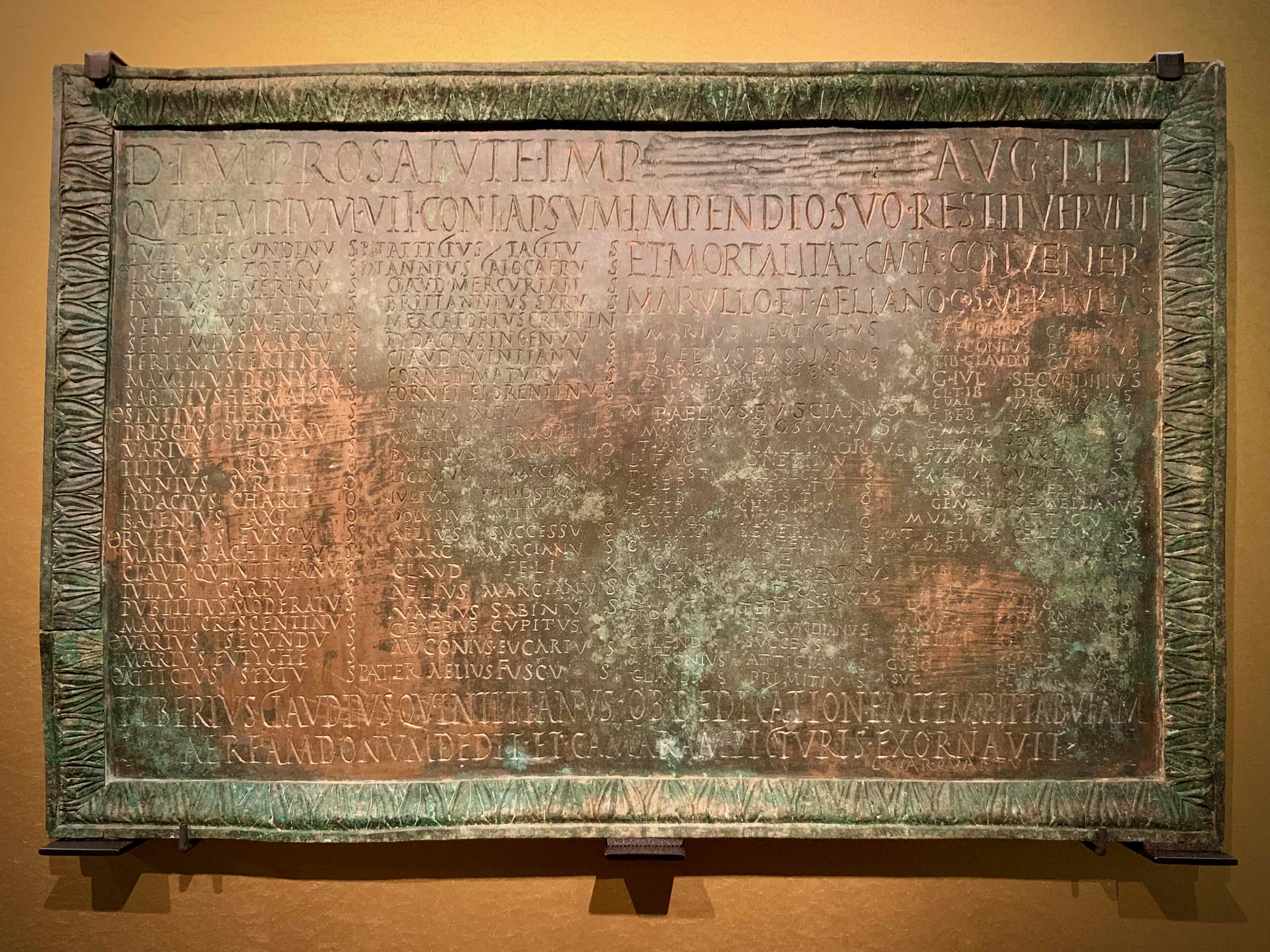
The bronze bears the dedication of a restoration of a Mithraeum carried out in 183.
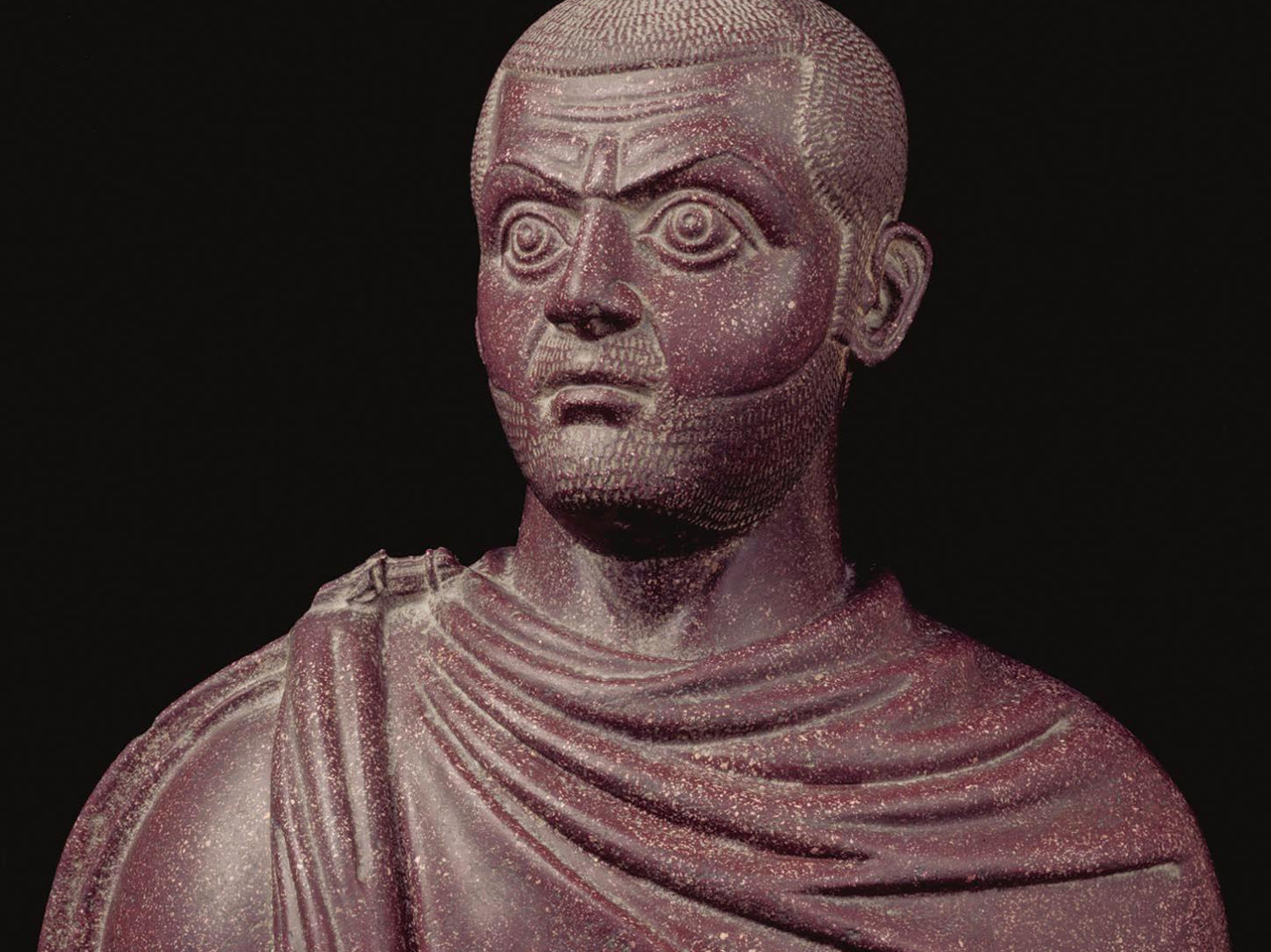
In the eighteenth year of Diocletian’s reign, Galerius Maximianus, persuaded by the sorcerer Theoteknos, consulted demonic oracles in a cave and was urged to initiate the persecution of the Christians.
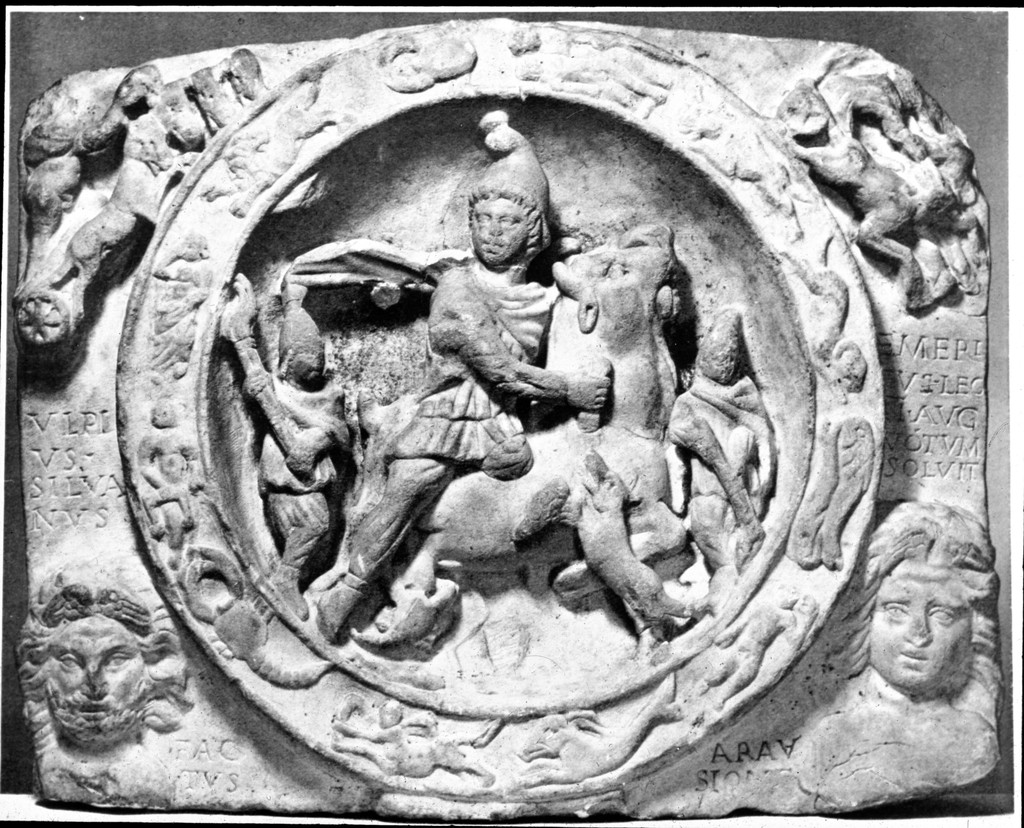
The image of Mithras killing the bull, found near Walbrook, is surrounded by a Zoadiac circle.
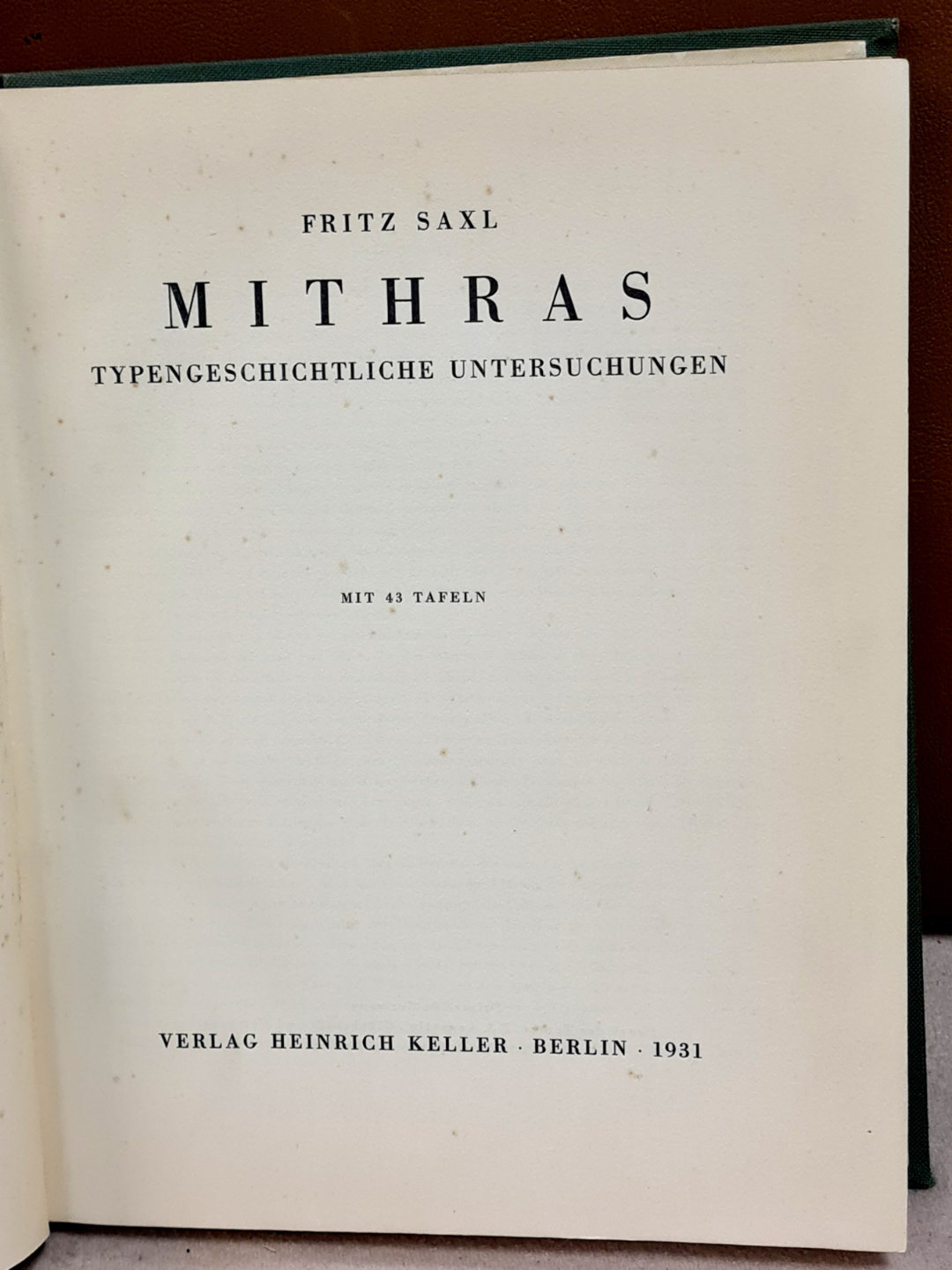
Fritz Saxl interprets Mithraism primarily through its images, proposing the cult as a visual cosmology structured around the descent, sacrifice and re-ascent of light, developed in close dialogue with Aby Warburg and Erwin Panofsky.

Professor Wind's acclaimed work explores pagan mysticism and neoplatonic philosophy in Renaissance art, offering insightful analyses of masterpieces by Botticelli, Michelangelo, Raphael and Titian.

Robert Turcan présente les dévotions immigrées dans le monde romain, sans négliger les cultes marginaux ou sporadiques, traitant également des courants gnostiques, occultistes et théosophiques.

Employing all the available data & survivals of the historic Persio-Roman Mithraics. Embodying versions of Zoroastrian Scriptures; Combining the religions of all races & times...

Dans un VIIIᵉ siècle uchronique où Mithra est devenu le dieu officiel de Rome, Rachel Tanner imagine un empire impitoyable, déchiré entre révoltes barbares, intrigues politiques et résistances occultes, porté par une fresque de fantasy historique d’une intensité rare…

The Dionysian themed frescos of Pompeii’s Villa of the Mysteries constitute the single most important theurgical narrative to have survived in the Western esoteric tradition.

The legend of two twins from the original, Abin Mitra Ahriman Izad in Abin Mitrai: Diq The Lion God on the Interpretation of the Mysteries and Preferences of the Originality of Algebra in the Zoroastrian Religion.

The Mithraeum under and behind S. Prisca on the Aventine is without doubt the most important sanctuary of the Persian god in Rome.
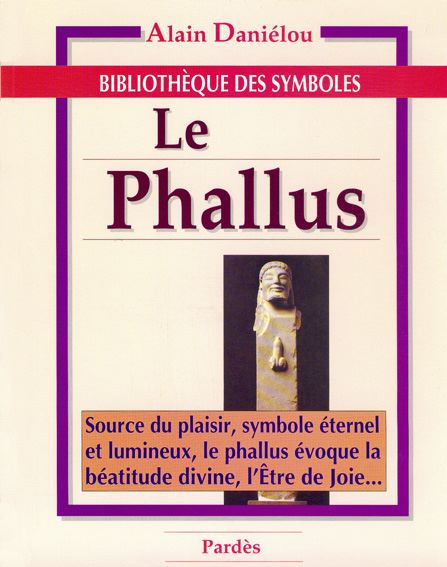
It is only when the penis stands up straight, that it emits semen, the source of life. It is then called the phallus and has been considered, since earliest prehistory the image of the creative principle, a symbol of the process by which the Supreme

The Mithraeum at Capua is in many respects one of the most important sanctuaries of the Iranian god who in the first centuries of our era conquered the Roman world.

Le groupe caractéristique « lion, serpent, cratère » marque le rapport avec le culte mithriaque, car comme nous croyons l’avoir montré, ce groupe ne symbolise pas la lutte des éléments, terre, eau et feu, mais la participation des animaux-attributs au sacrifice, par Mithra…
