Your search Boulogne-sur-Mer gave 706 results.

Altar from Apulum, Dacia, dedicated to Iovi optimo maximo by Claudius Niger; included in the Mithraic corpus by proximity to other monuments from the same context.
Lost white marble tauroctony relief from Turda, ancient Potaissa in Dacia, depicting the bull-slaying with dog, serpent, and scorpion; the inscription in the lower border named the dedicant Iulius Iulianus.
Large tauroctony plate with pediment from Vadas, Pannonia Inferior, formerly in the hunting lodge of the Jankovich estate, demolished in 1907; now lost.
Altar from Intercisa, Pannonia Inferior, dedicated to Soli invicto.

Limestone tauroctony relief from the Mithraeum at Sárkeszi, Pannonia Inferior, depicting Mithras killing the bull with a broad belt, dog, serpent, raven, and torchbearers; the grotto is indicated by rough soil.
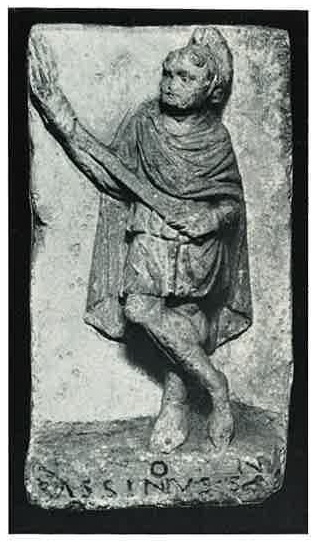
Inscription from Brigetio, Pannonia Superior, dedicated by Nonius Bassinus; possibly a sacerdos inscription though the reading is uncertain.
Altar found in the ruins of Brigetio, Pannonia Superior, dedicated to Invicto deo.
Votive altar from Carnuntum, Pannonia Superior, dedicated to Deo invicto Mithrae sacrum by Ulpius Vitalis pancrestarius — a term denoting an athlete or performer, possibly in the context of Mithraic initiation rites.
Small altar from Petronell, ancient Carnuntum, Pannonia Superior, dedicated to Mithras (spelt Motre) by Caius Rip-, who made the altar as merited; the garbled spelling suggests a non-Latin speaker.
Marble statue on base from Mithraeum II at Ptuj, ancient Poetovio, depicting the naked Mithras entwined by a serpent as he emerges from the rock; the breast is damaged, and the head and arms are lost.
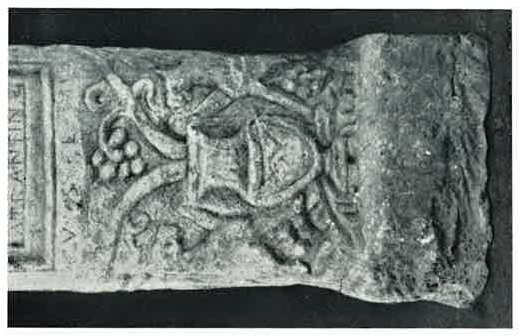
Marble column from the entrance of Mithraeum II at Ptuj, ancient Poetovio, serving as a statue base, its front decorated with a kantharus between panthers and vine tendrils; the inscription names Salvianus, contrascrip of the statio Atrantiana.
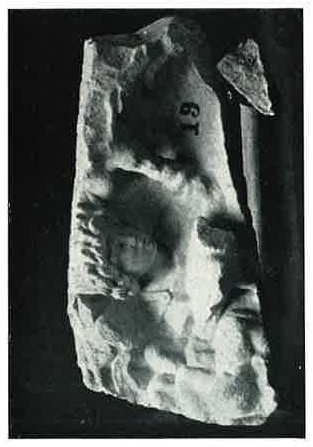
Three Italian marble fragments from the Zollfeld at Virunum, Noricum, forming a tauroctony relief; the iconography is well preserved and the use of imported Italian marble reflects the high status of the dedicants.
Red sandstone base from the Mithraeum at Neuenheim with representations of deities on each of its four sides
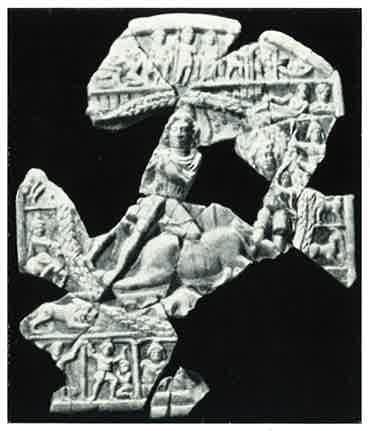
Fragments of a white marble arched tauroctony from Mithraeum III at Heddernheim, ancient Nida, showing Mithras killing the bull in a leaf wreath

Fragment of a statuette on a sandstone base found in Mithraeum III at Heddernheim, ancient Nida, formerly in the Häberlin collection
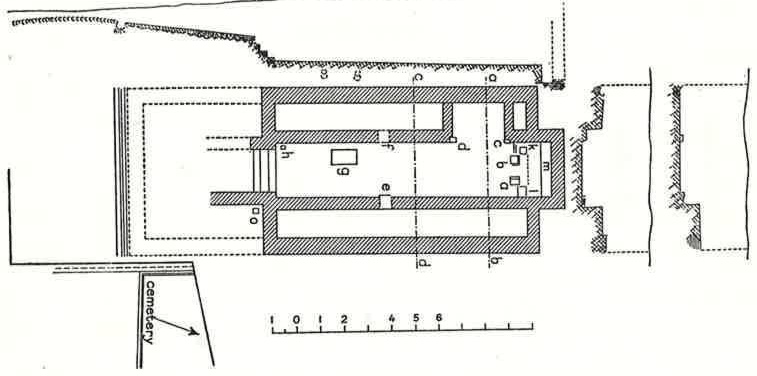
Third Mithraic sanctuary found north-west of the cemetery at Heddernheim, ancient Nida, in 1887 and fully excavated by G. Wolff in 1890
Two stone relief heads of torchbearers in Phrygian caps, from Mithraeum II at Heddernheim, ancient Nida, with traces of Mithras's mantle
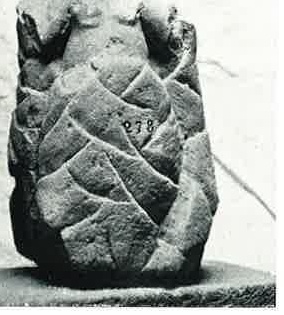
Red sandstone statue from Mithraeum I at Heddernheim, ancient Nida, depicting the young naked Mithras with curly hair being born from the rock
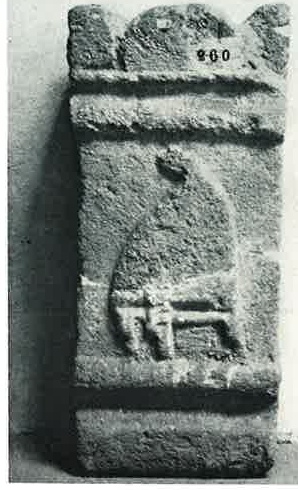
Sandstone altar from Mithraeum I at Heddernheim, ancient Nida, decorated on one side with the representation of a Phrygian cap
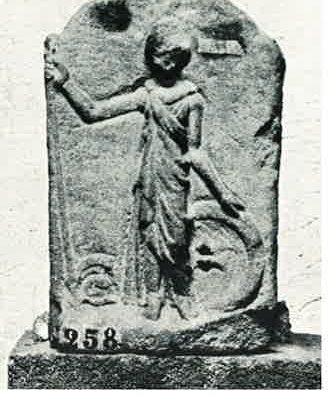
Sandstone relief from Mithraeum I at Heddernheim, ancient Nida, depicting a standing Minerva resting her left hand on a shield while holding a lance
