Your search Carl A. P. Ruck gave 86 results.
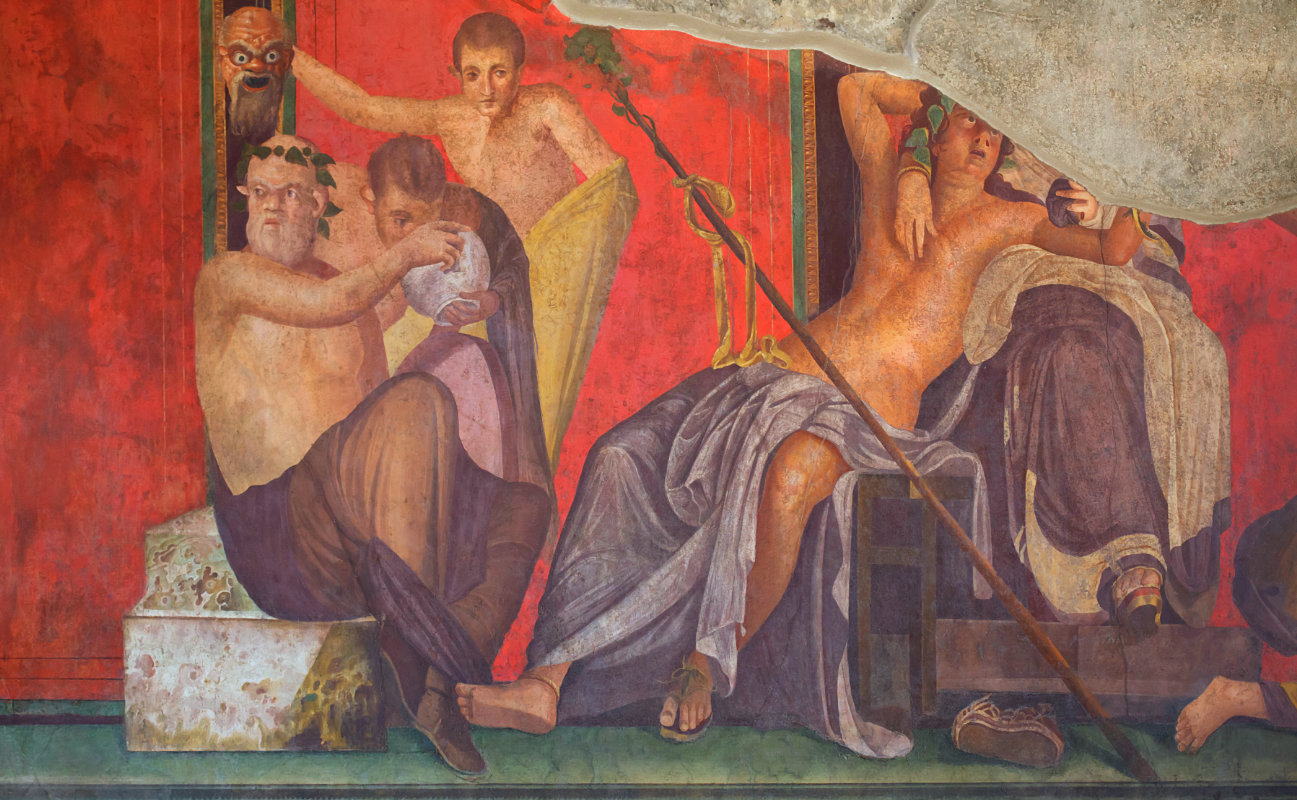
Peter Mark Adams: ‘The initiation was a frightening experience that caused some people to panic as a flood of otherworldly entities swept through the ritual space.’.

In their groundbreaking new book, Mushrooms, Myths & Mithras, classics scholar Carl Ruck and friends reveal compelling evidence suggesting that psychedelic mushroom use was equally influential in early Europe, where it was central to initiation cerem

Sandstone Mithras relief discovered in 1950 near Rückingen, proving the existence of a Mithraeum there from the late second to early third century AD
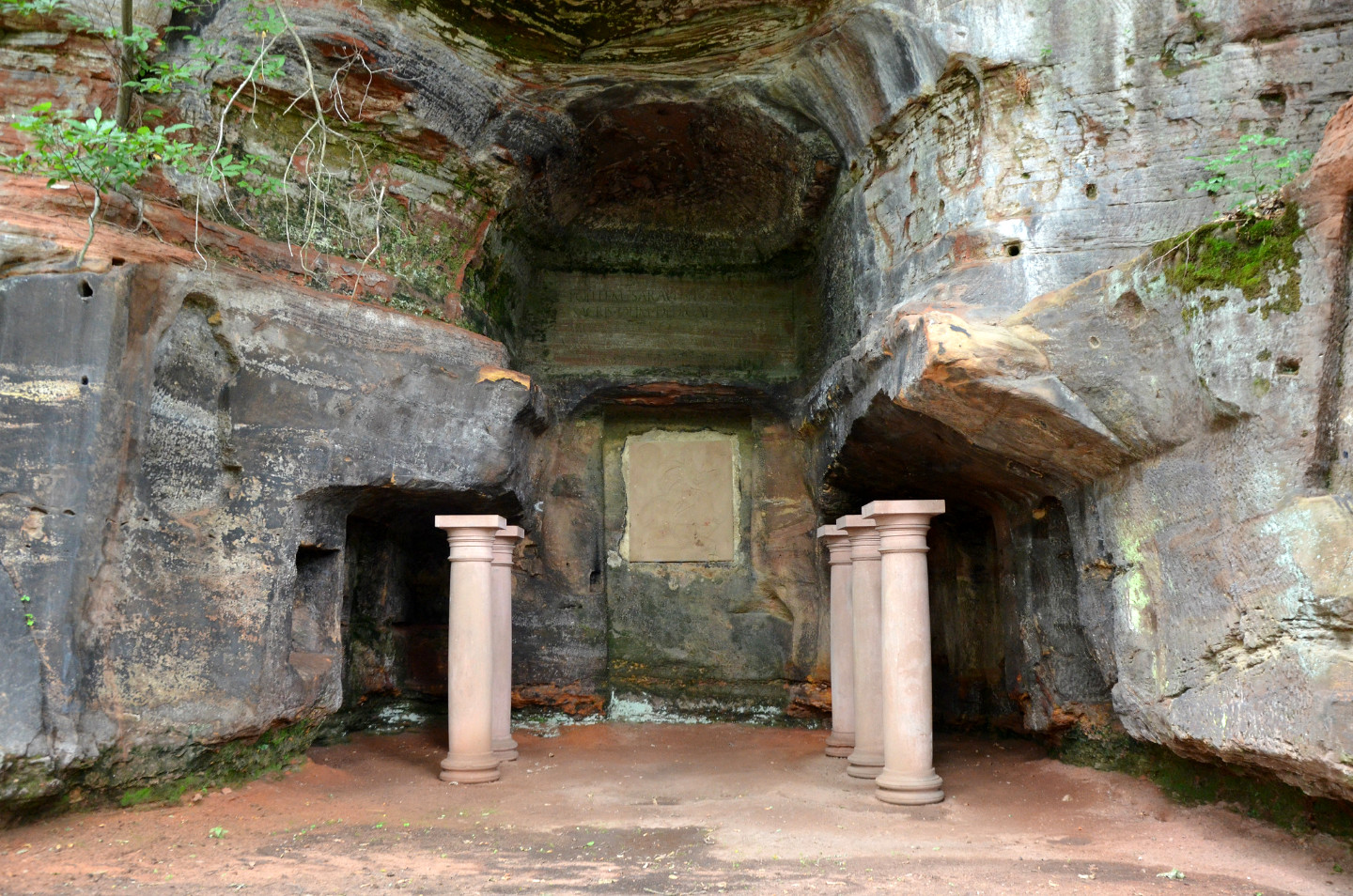
The Mithraeum in Halberg hill, near Saarbrücken, is one of the oldest historical places in the area.
The base of a statuette, preserving only one foot of Cautes, found at Luguvallium (modern Carlisle), bearing a dedication to Deus Cautes by Iulius, the archietus.
Miscellaneous objects from the Rückingen Mithraeum including stone balls, cult-vase fragments, lamps, and two candlesticks
Group of sandstone relief fragments from Rückingen depicting multiple deities including a male head identified as Hercules
Two sandstone relief fragments from Rückingen, each preserving a woman's head looking to the left
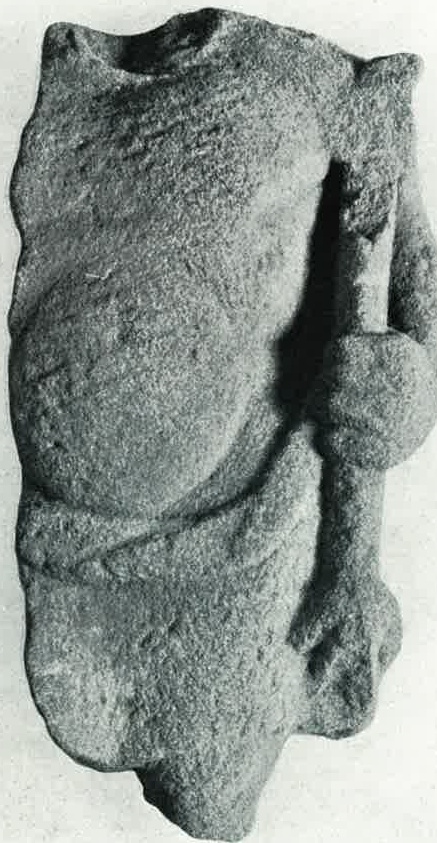
Sandstone relief fragment from Rückingen showing the upper part of an undressed male figure in a niche, head and left arm lost
Sandstone relief fragment from Rückingen with an indistinct standing figure, probably a woman, in an arched niche
Lower part of a sandstone relief fragment from Rückingen preserving only the lower body of a walking figure, legs lost
Small sandstone relief fragment from Rückingen preserving only the upper part of a head wearing a Phrygian cap
Fragmentary Latin inscription from Rückingen recording a dedication to a goddess whose name is only partially preserved
Fragmentary sandstone relief from Rückingen showing a male figure walking right and holding a kantharos. Traces on the chest may indicate a torques or shoulder-cape.

The locality of Bruckla is associated with archaeological remains from the Roman province of Dacia.
Luguvallium was a Roman settlement and fort in northern Britannia, today Carlisle.


