Your search for Heidelberg gave 116 results.

Neuenheim formed part of the settlement landscape associated with Roman Heidelberg on the Neckar river.

Statue of Cautopates from Neuenheim, holding a downward torch with both hands, now in the Kurpfälzisches Museum at Heidelberg
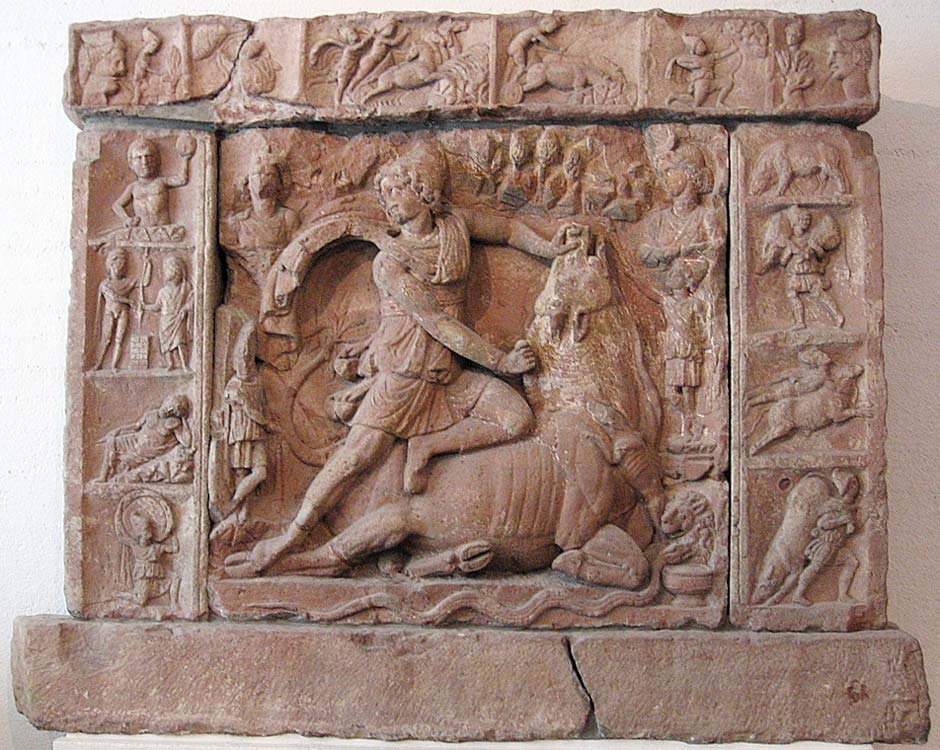
The Tauroctony relief of Neuenheim, Heidelberg, includes several scenes from the deeds of Mithras and other gods.
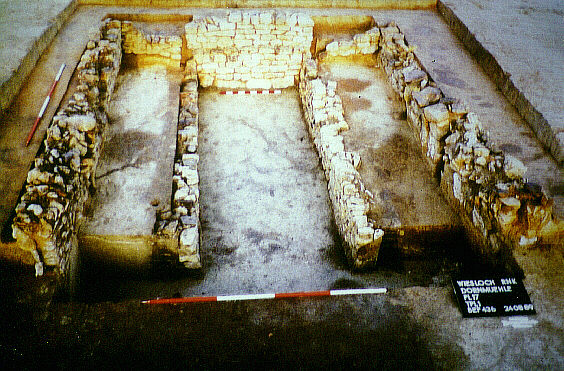
The first members of the Wiesloch Mithraeum may have been veterans from Ladenburg and Heidelberg.

A small sanctuary at Neuenheim associated with a richly decorated Jupiter column and a nearby well.
Lance point, key, bronze lamp, and pottery and brick fragments from the Mithraeum at Neuenheim
Sandstone altar fragment from the Mithraeum at Neuenheim dedicated by Sentionius Tertinus
Altar from the Mithraeum at Neuenheim dedicated to Iovi optimo maximo by Candidius Quartus
Rocky base from the Mithraeum at Neuenheim probably originally supporting a representation of Mithras' rock-birth
Red sandstone base from the Mithraeum at Neuenheim with representations of deities on each of its four sides