Your search Ignacio Gómez de Liaño gave 43 results.


This remarkable Greek marble relief of Mithras killing the bull was discovered in 1705 and remained in private collections until it was bought by the Louvre.

Marble altar from near Osmakovo, Moesia Superior, now in the Niš museum, dedicated to Soli invicto by Valerius Iucundus.
Marble altar lacking its tympanum, found in the house of Franciscus Novellus near S. Marco in Rome, dedicated to Sol Invictus by T. Pomponius Repentinus, a nomenclator and keeper of public records, with two denarii distributed at the dedication; dated to 184 A.D…
Marble cippus from the Villa Giustiniani near Porta Flaminia with a dedication to Sol Invictus Mithras by M. Aurelius Euprepes, erected after a vision through the presidents Bictorinus pater and Ianuarius, dated to 184 A.D.
Monumental inscription honouring the senator and Mithraic pater Kamenius together with his numerous priestly offices and initiatory roles.
Base probably found during the discovery of the Dolichenum at Brigetio in 1899, Pannonia Superior; possibly belonging to the adjacent Mithraeum given its proximity.
Inscription from Mithraeum II at Ptuj, ancient Poetovio, dedicated to Deo Soli invicto Mithrae for the welfare of Flavius Iovinus, who had vowed the gift after witnessing the birth of the god; dated to the consulship of Peregrinus and Aemilianus, AD 244.
Complex military inscription invoking Apollo, Sol and Luna under Severus Alexander.

A selection of texts gathered by Ernesto Milá that reinterprets Mithraism as an initiatory, solar, and heroic cult. It includes the so-called Great Magical Papyrus of Paris, translated and commented by Julius Evola and the Ur Group.
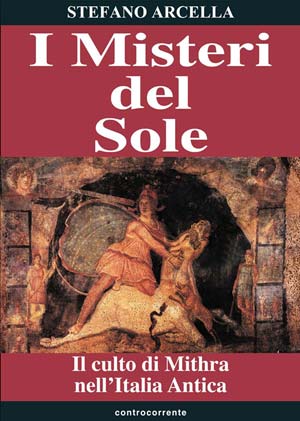
A study of Roman Mithraism that combines historical evidence with a symbol-centred interpretive approach, exploring Mithraic iconography, ritual experience, and the cult’s encounter with Christianity in the Late Empire.
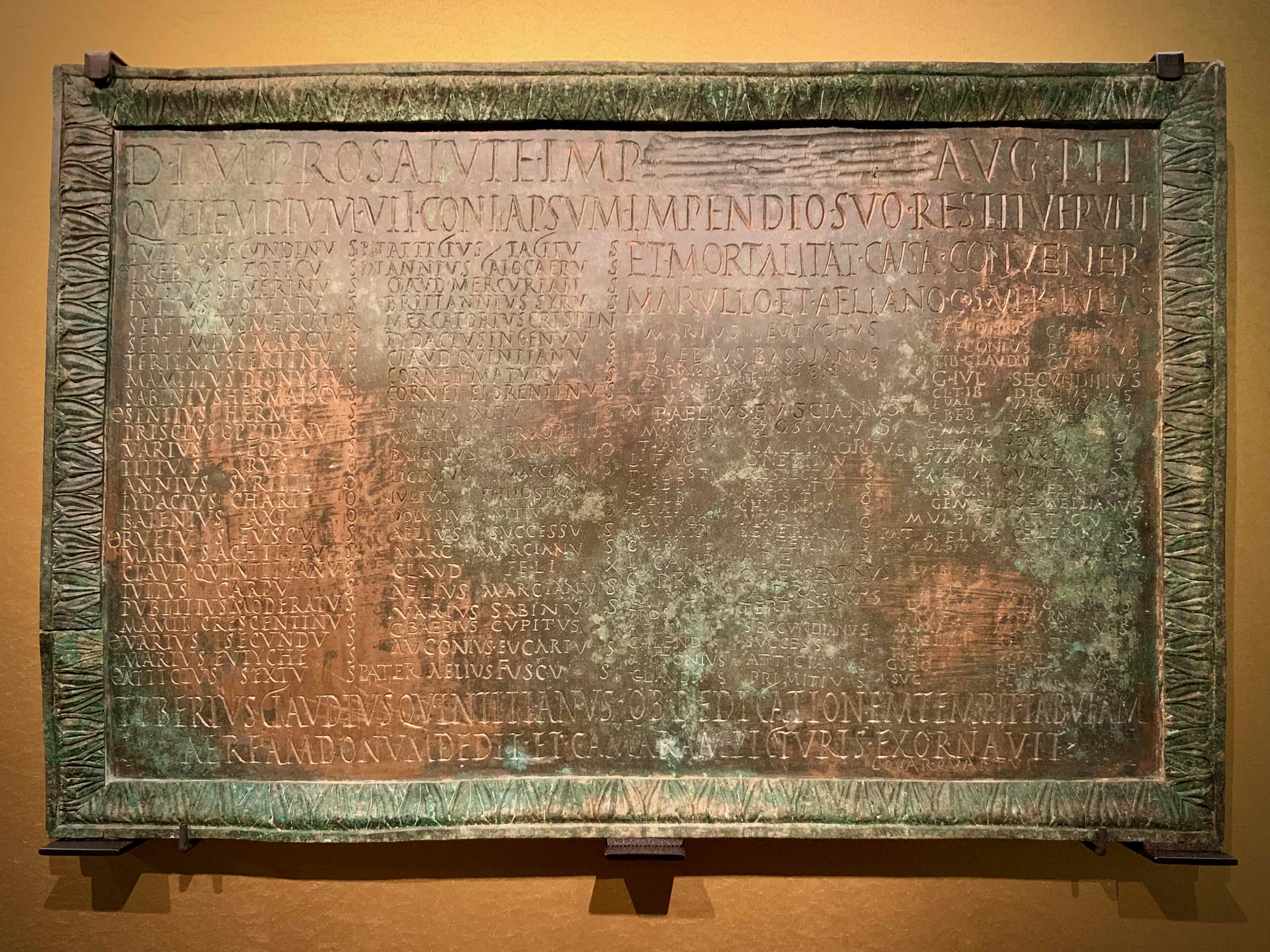
The bronze bears the dedication of a restoration of a Mithraeum carried out in 183.

Why did the Romans worship a Persian god? This book presents a new reading of the Mithraic iconography taking into account that the cult had a prophecy.

He built the sacred area of the Mitreo del Circo Massimo at his own expense.

Pater Patrum and Senator. He was also the patriarch of the Olympian dynasty, overseeing a Mithraic community in the centre of Rome.

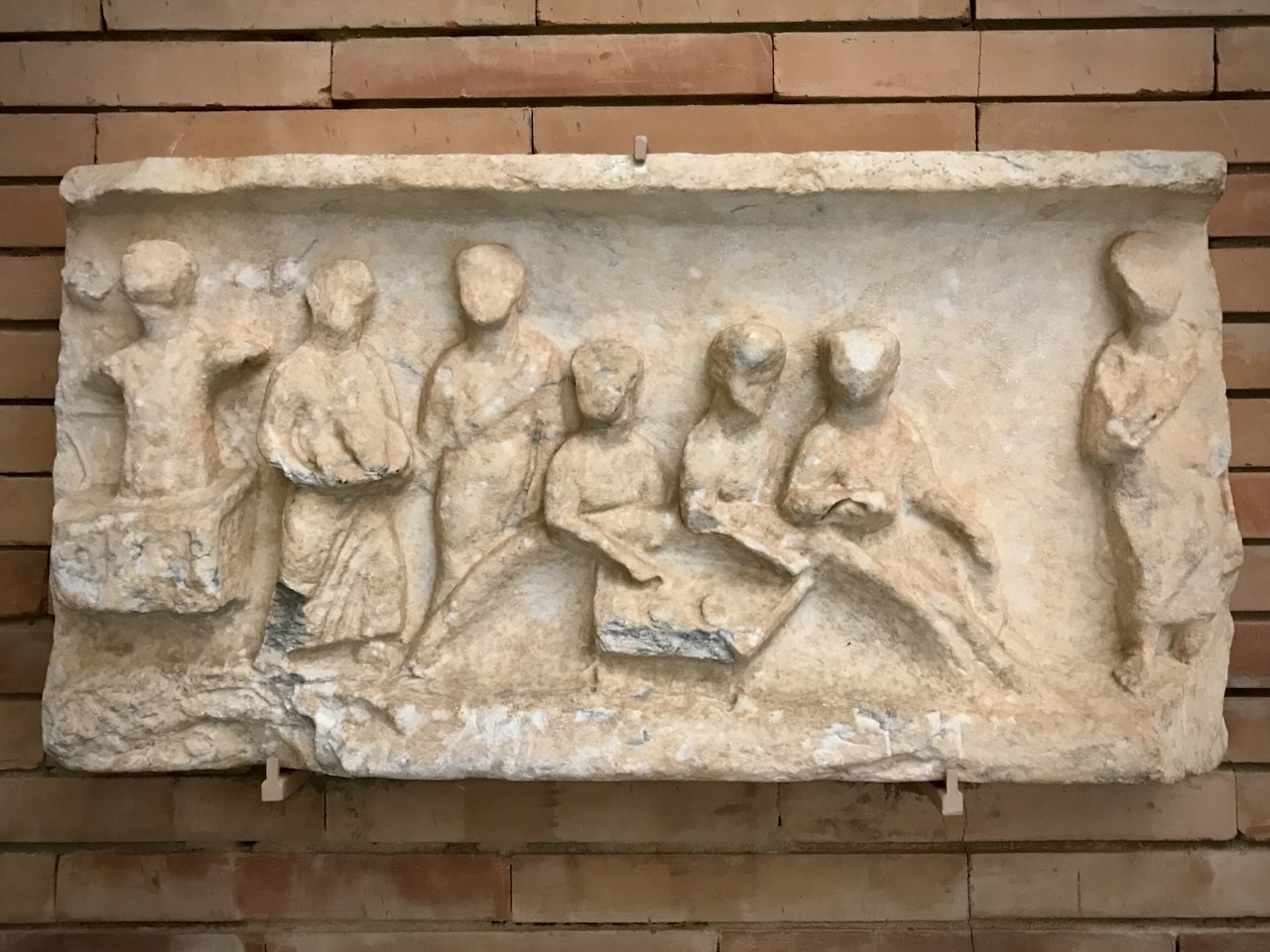
This scene of a feast from Mérida shows three persons at a table with other people standing beside them, one holding a bull’s head on a plate.
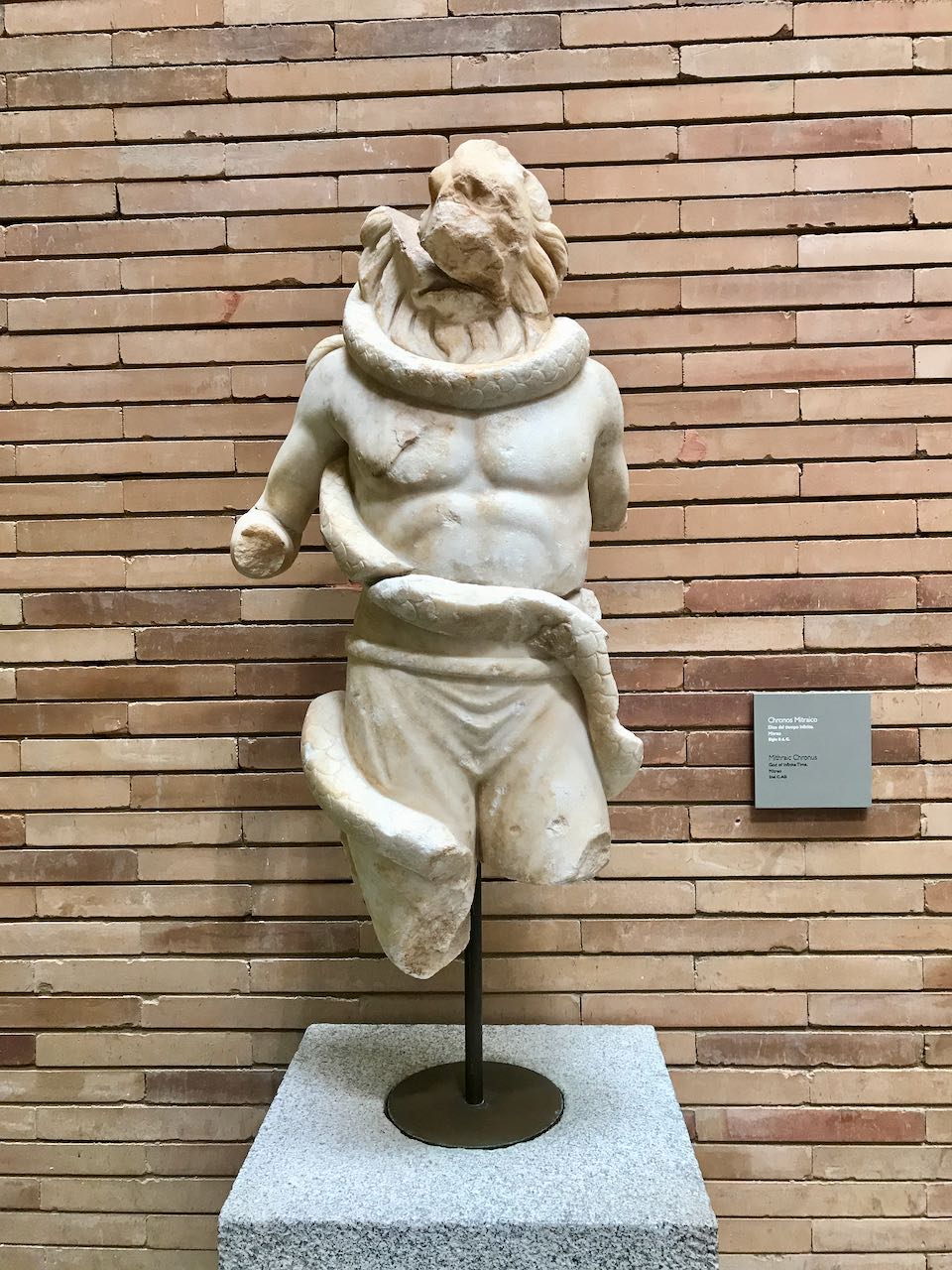
The lion-headed figure, Aion, from Mérida, wears oriental knickers fastened at the waist by a cinch strap.


