Your search Lucciana (Mariana site) gave 297 results.

The Mithraeum of Szony has the form of a grotto and the entrance is on the west side.
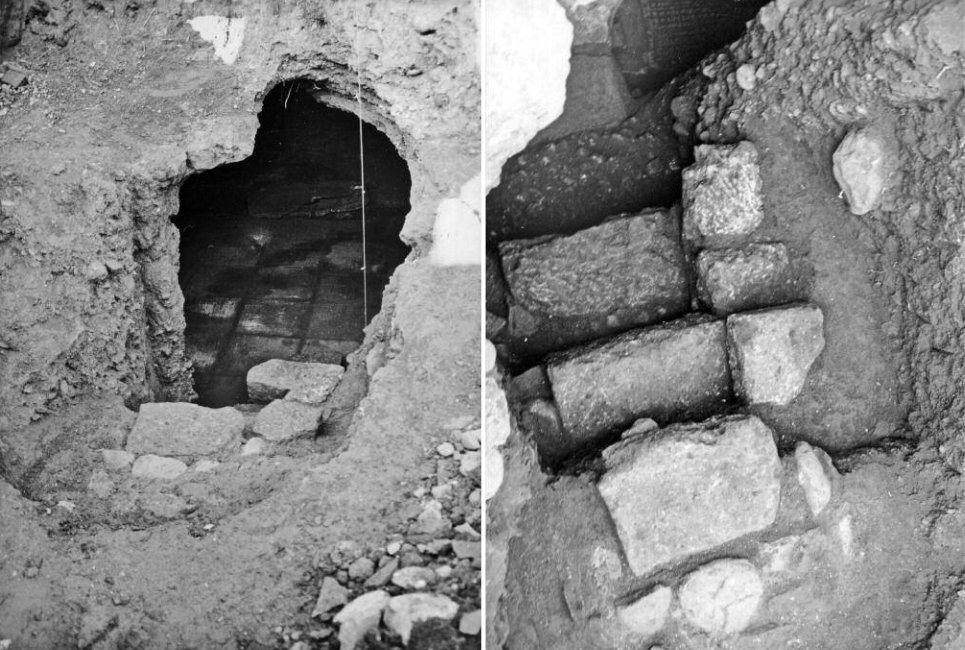
The underground cave which served as temple was cut into the conglomerate rock of the area, and a flight of eight steps of stone slabs led to it.
This temple of Mithras on the north side of the Capitoline Hill in Rome no longer exists.
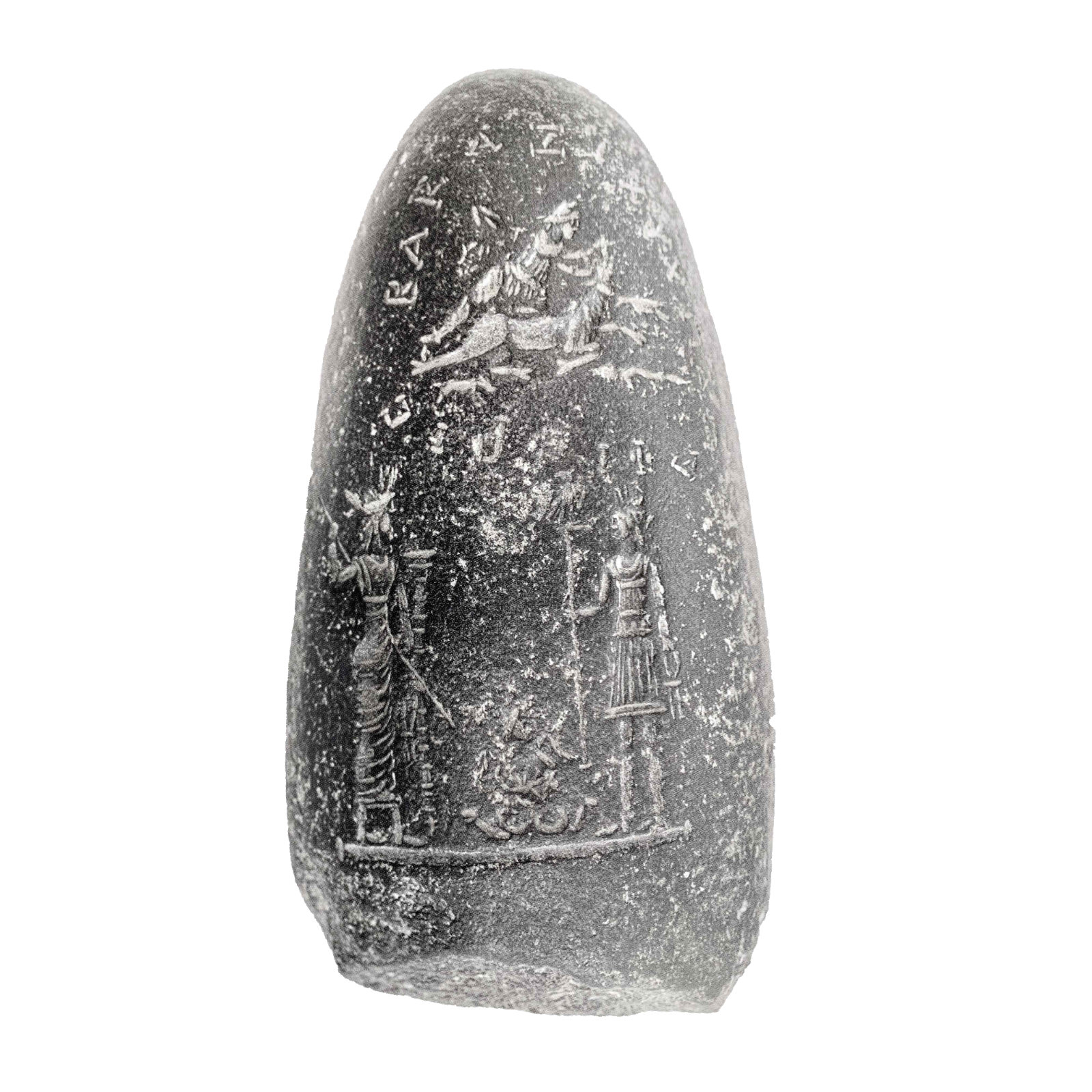
According to Christopher A. Faraone, the axe-head from Argos belong to a category of thunderstones reused as amulets.
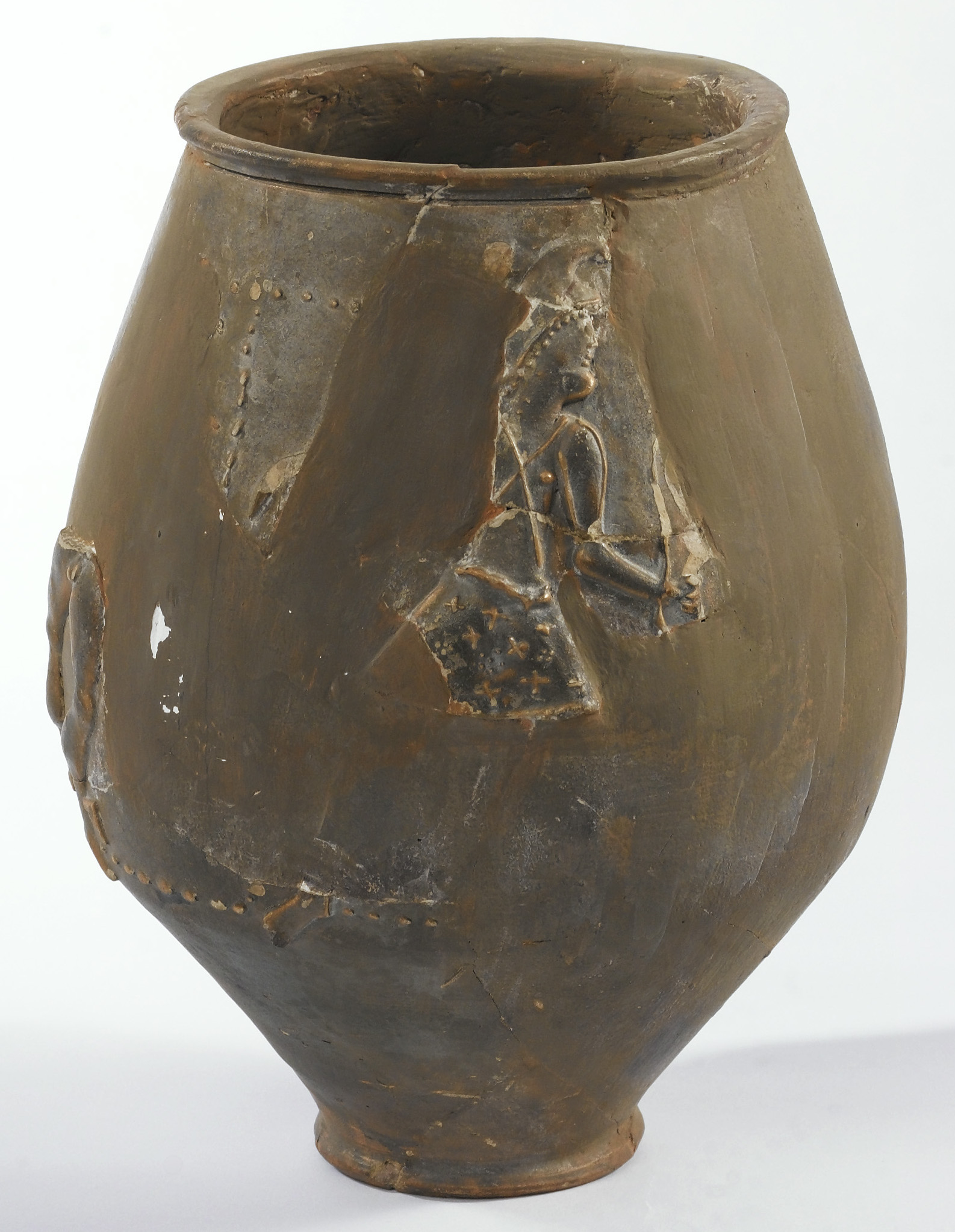
The St Albans mithraic vase depicts fragments of three figures identified by Vermaseren as Hercules, Mercury and Mithras as an archer.
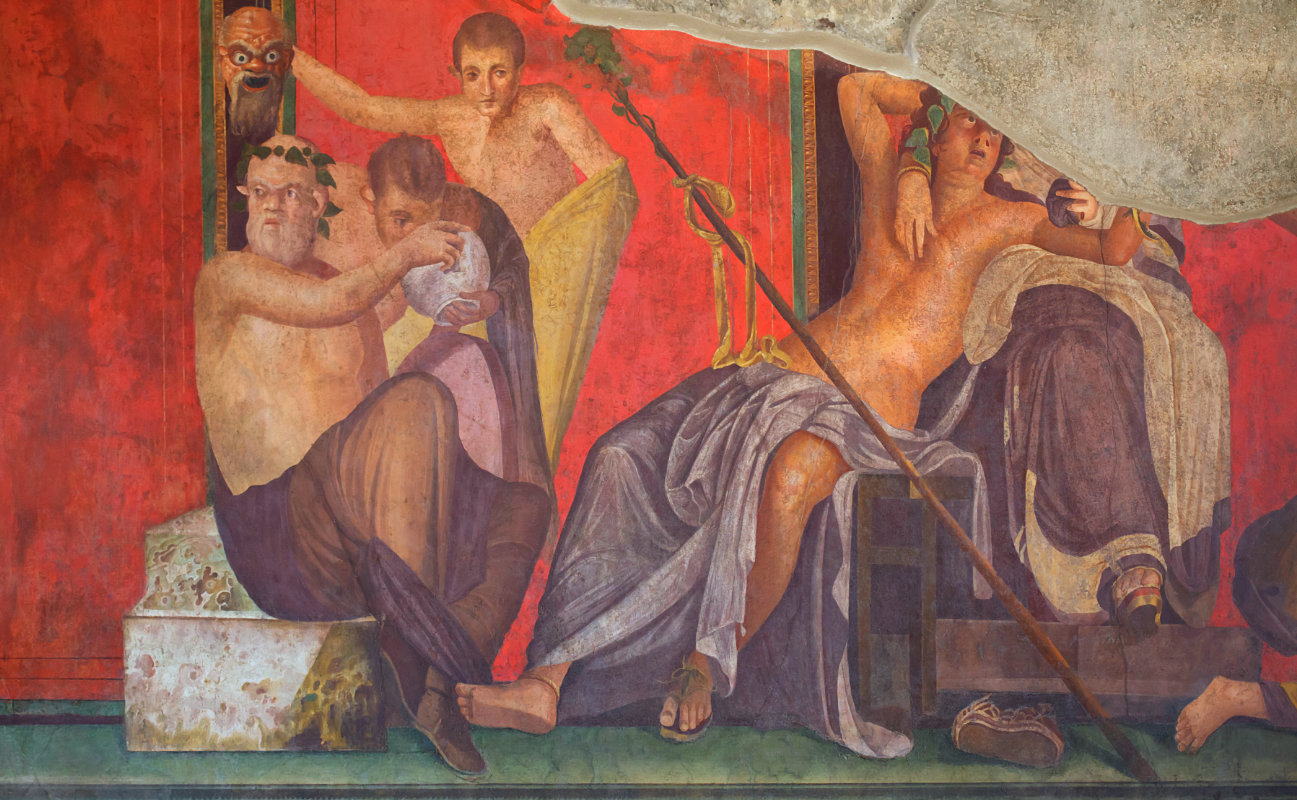
Peter Mark Adams: ‘The initiation was a frightening experience that caused some people to panic as a flood of otherworldly entities swept through the ritual space.’.
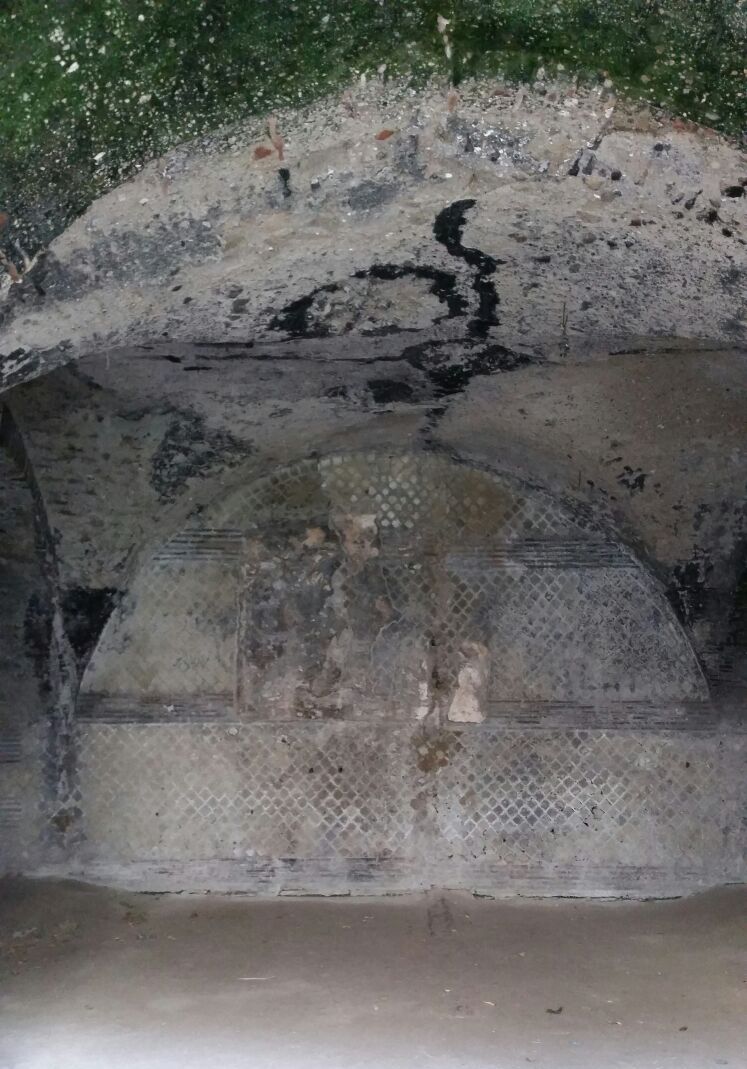
The Mithraeum of Carminiello ai Mannesi was installed in two rooms of a 1st century BC domus.
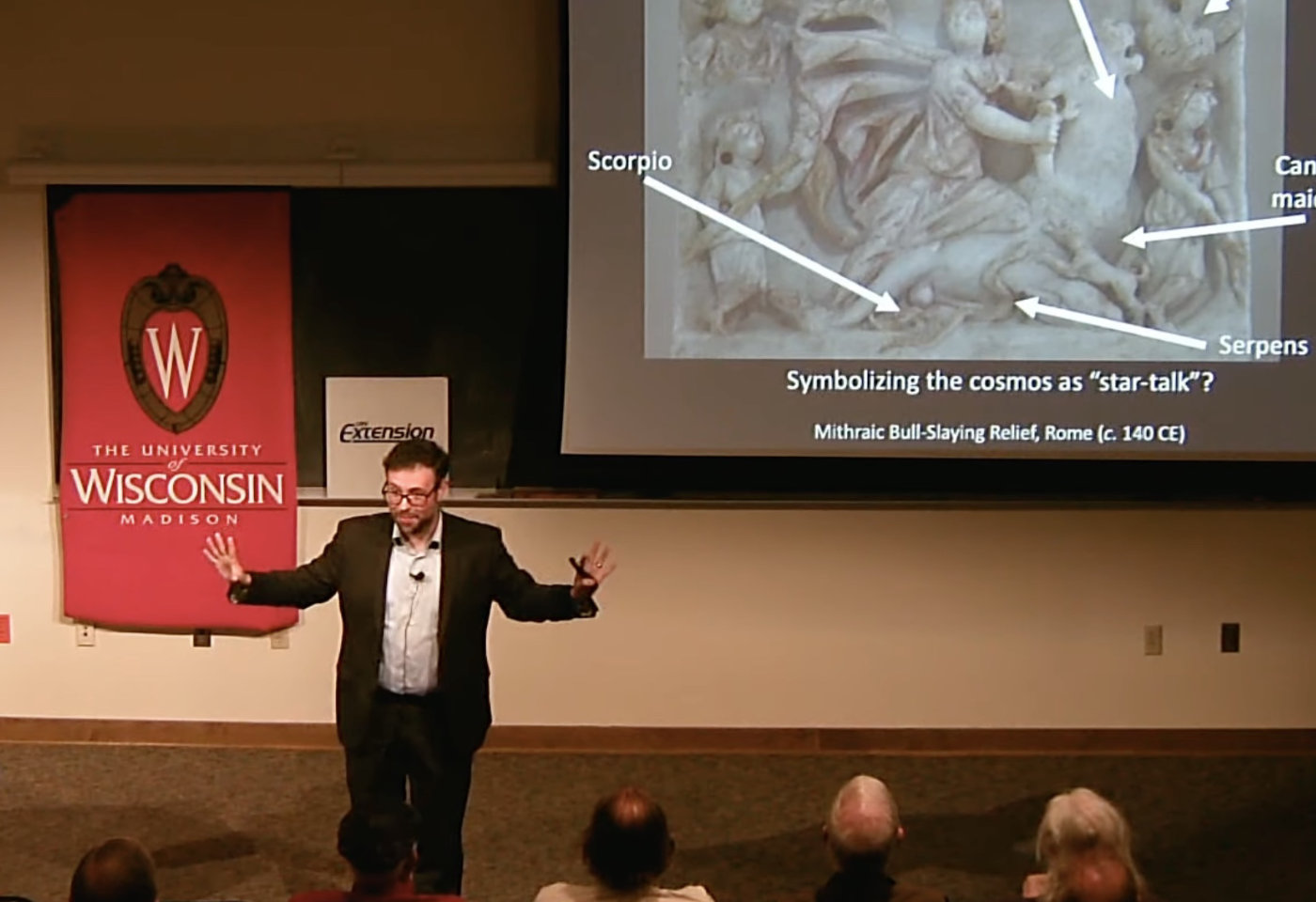
Our modern understanding of Mithraism, though, depends largely on a few short (and very problematic) literary mentions, mostly written by the cult’s Christian rivals.
Between the 1st and 4th centuries, Mithraism developed throughout the Roman world. Much material exists, but textual evidence is scarce. The only ancient work that fills this gap is Porphyry’s intense and complex essay.
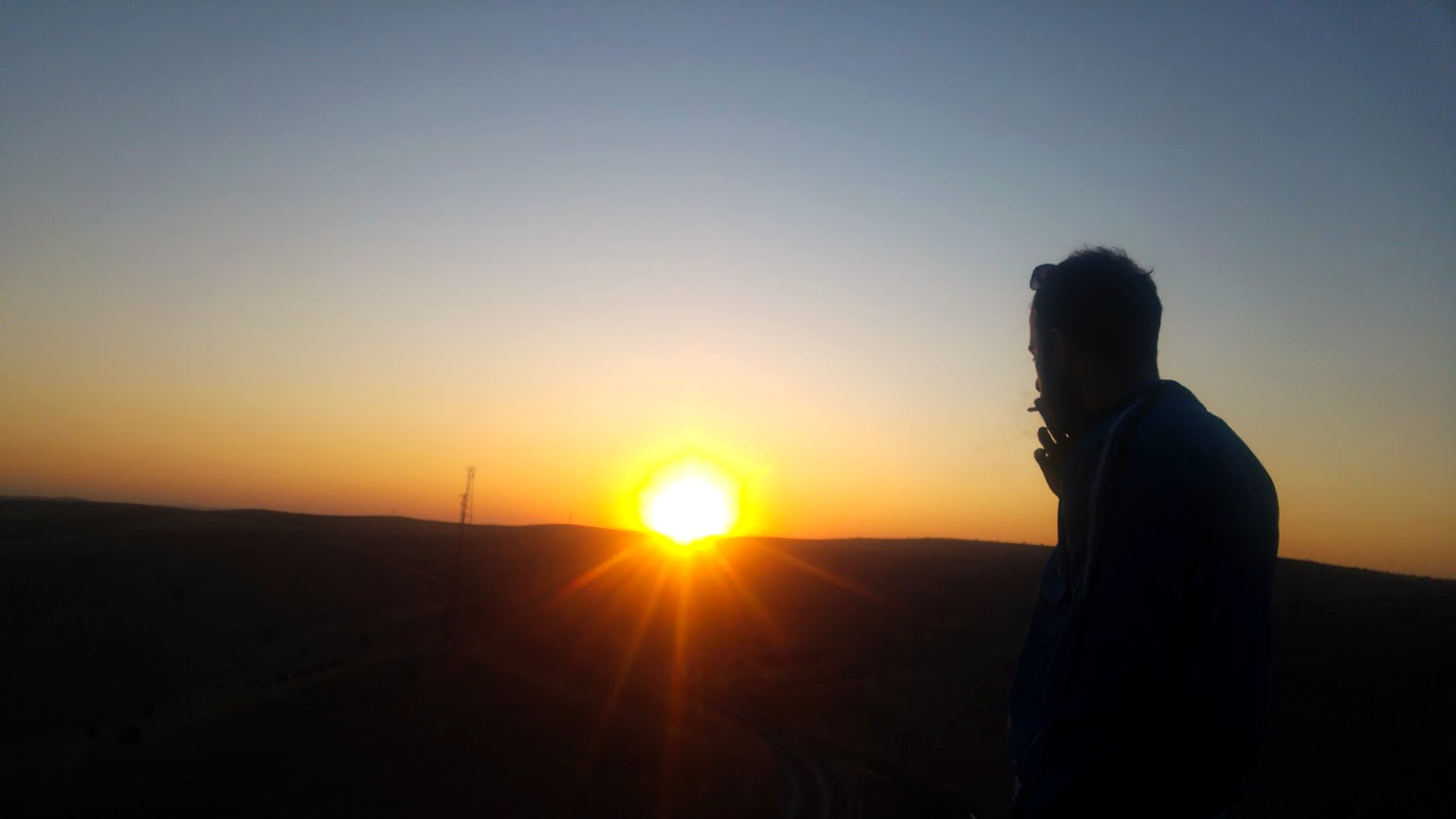
The Temple of Mithras, inside an ancient military settlement, is situated on the eastern border of the Roman Empire.
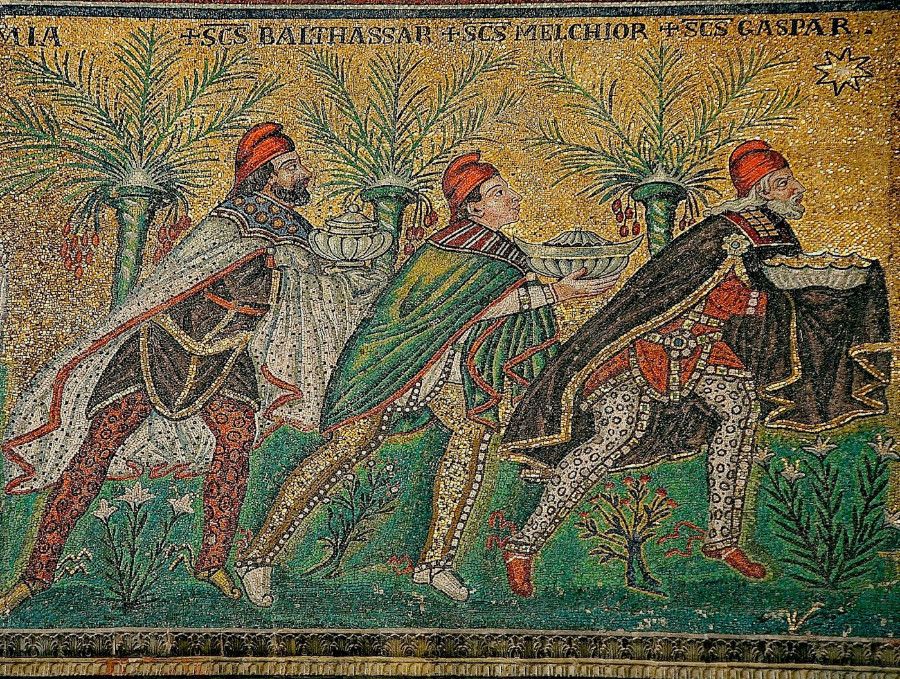
Despite the current political landscape of the US, we can look to antiquity to see that the red cap was actually once a symbol of citizenship and welcome to the foreigner.
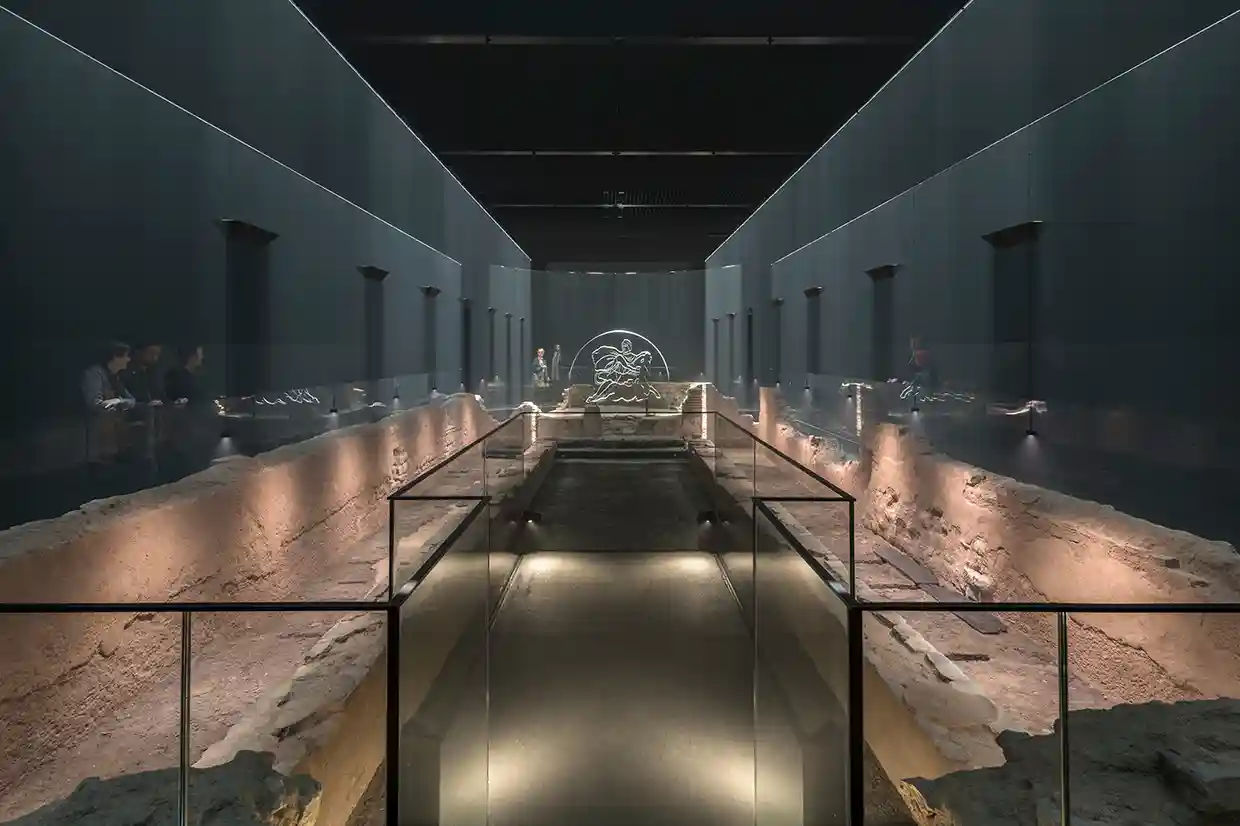
Visitors to new museum will uncover mystery cult of Mithras the bull slayer in multi-sensory experience.
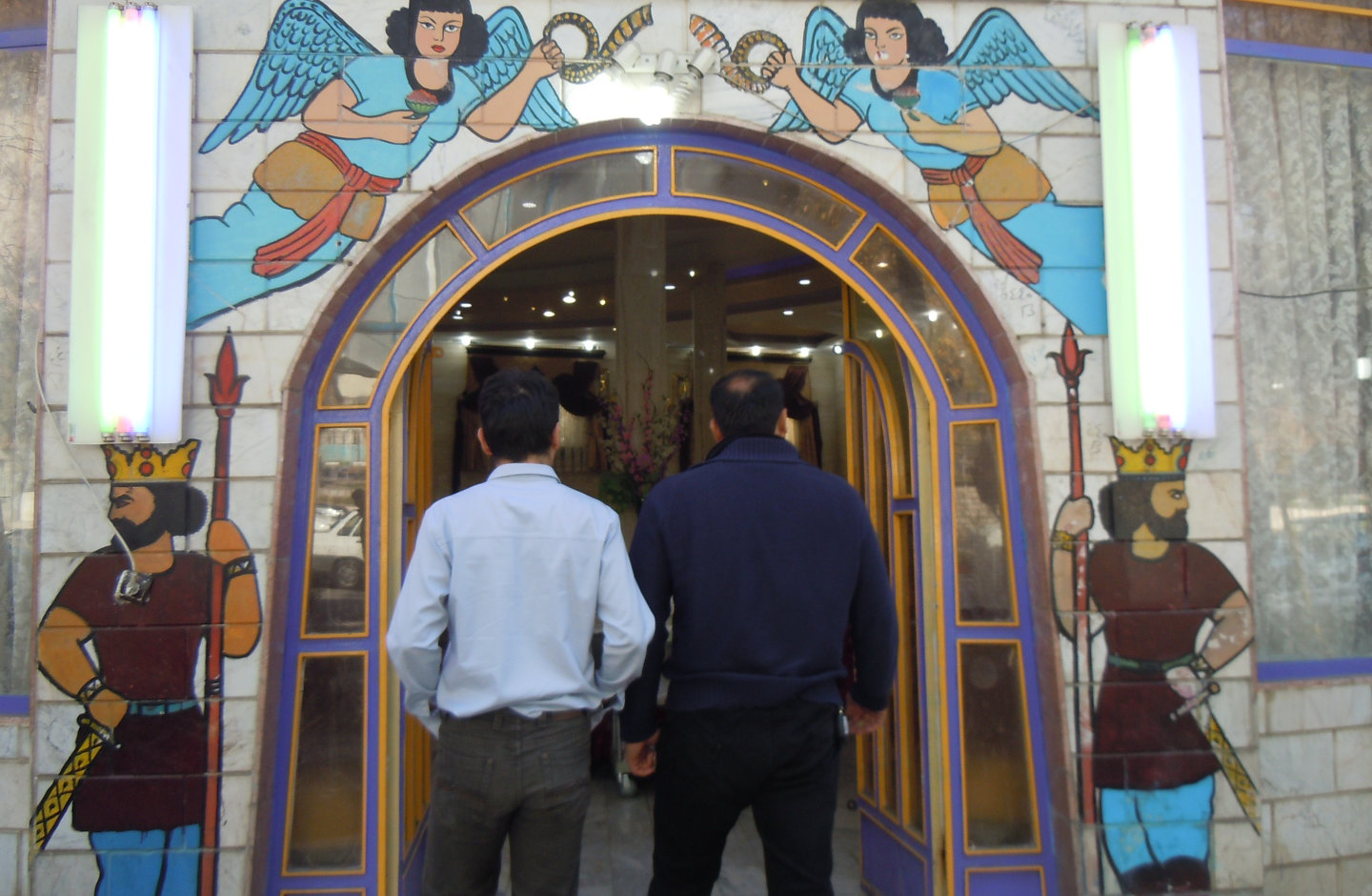
How a rock relief in western Iran, carved during the time of the Sasanian Persian Empire (AD 224-651), has been re-imagined over the centuries.
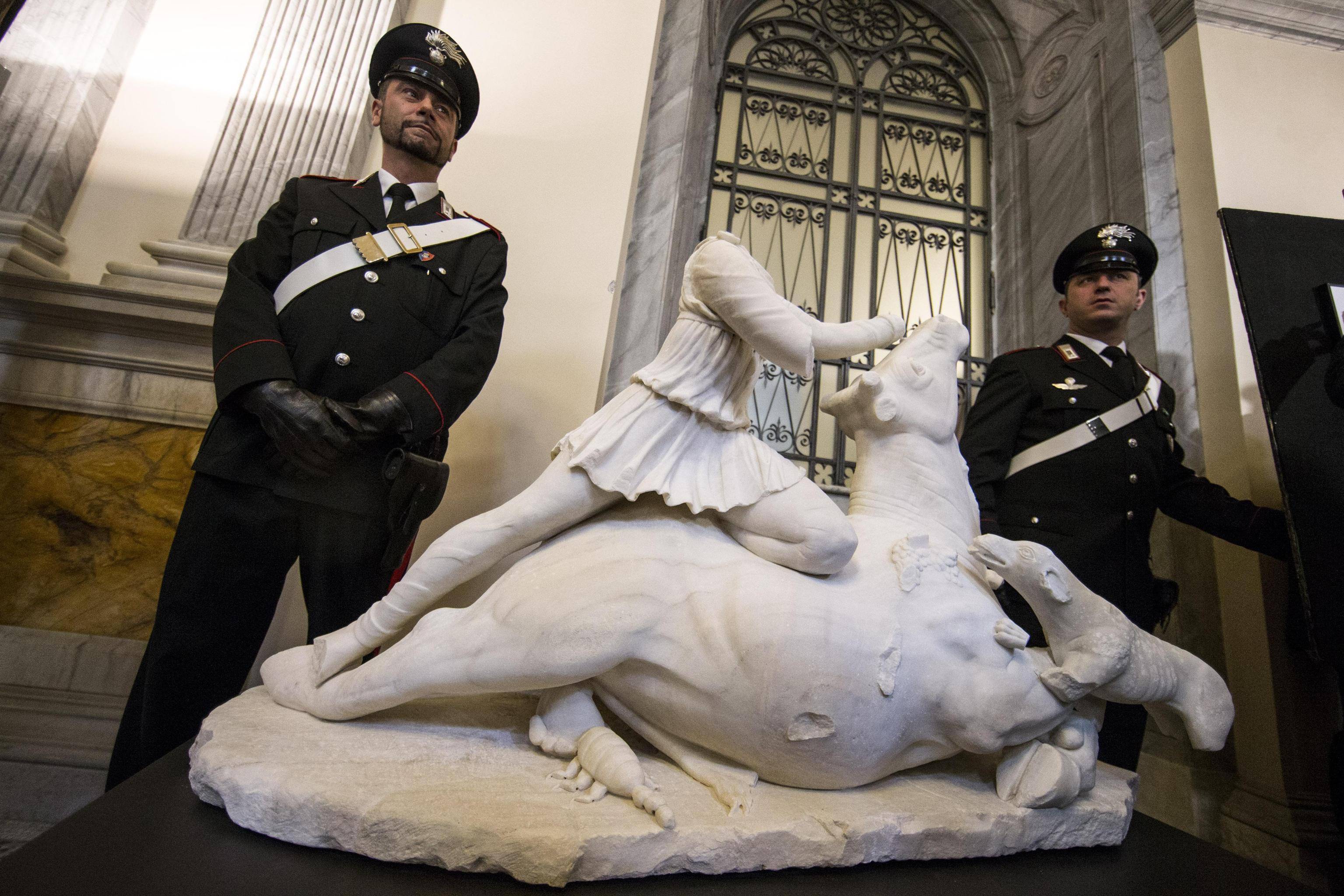
The Mithriac votive sculpture comes from a clandestine excavation in the Tarquinia area. The criminal chain is active in archaeological areas of Rome and southern Etruria.

Ancient site in Moesia Superior, north-east of Kumanovo, where the remains of a Mithraic sanctuary were discovered together with several marble reliefs, altars and cult objects.
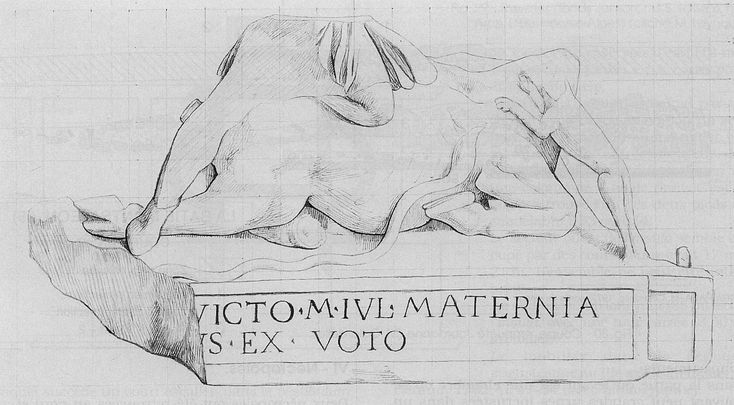
This damaged relief of Mithras killing the bull found in 1804 and formerly exposed at Gap, is now lost.
During the excavations of 1804-1805, a series of monuments dedicated to Mithras and a temple were discovered at ancient Mons Seleucus.
