Your search Monteu da Po gave 2934 results.

Industria was a Roman settlement in northern Italy, today associated with Monteu da Po.

An altar found in 1830 at the ancient site of Industria near Monteu da Po in Liguria, bearing a dedication to the Invincible Mithras by C. Industrius Verus.

This plaque, located on the western staircase of the Palace of Darius, mentions the god Mithra together with Ahura Mazda as protectors of King Artaxerxes III Ochus.
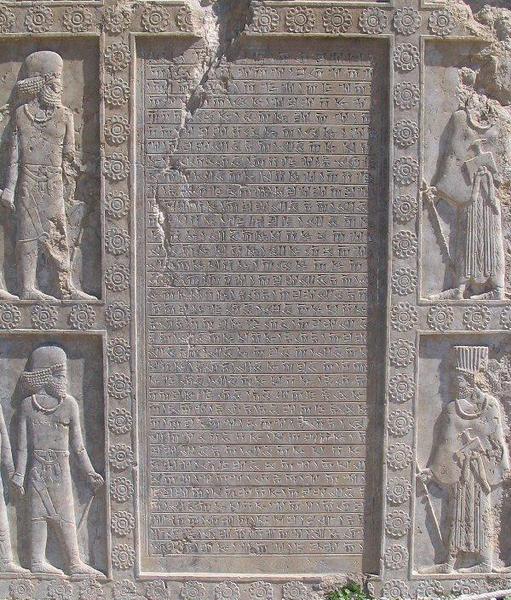
Located at the western entrance to the Palace of Darius in Persepolis, this tablet bears an inscription mentioning Ahuramazda and Mithra.

La localización de una comunidad mitraísta en San Juan de la Isla posee un notable interés, debido a la débil popularidad de este culto oriental entre las poblaciones de Hispania.

David Ulansey argues that Mithraic iconography was actually an astronomical code, and that the cult began as a religious response to a startling scientific discovery.
A medal in the form of a Grecian cross from the Mithraeum at Spoleto, showing busts of a bearded man and a veiled woman each with a radiate crown, identified by Cumont as Sol and Luna.
Possible Mithras sanctuary at a grotto entrance in the Kavag-Dağ, Lycia; the identification remains purely hypothetical according to Cumont.
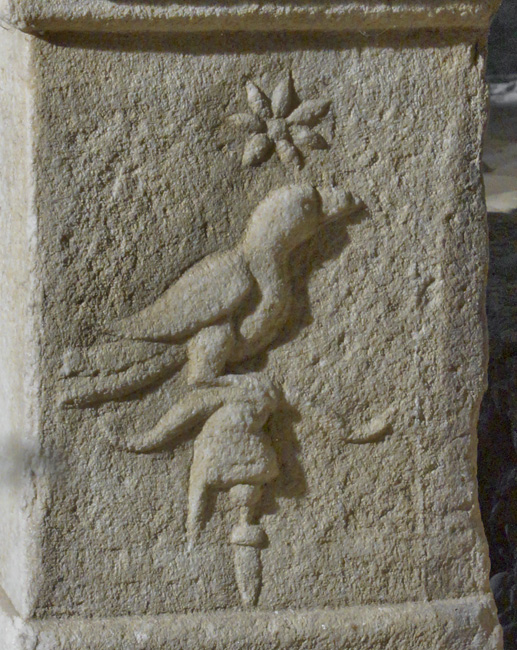
This altar from Ptuj, present-day Poetovio, is decorated with various Mithraic animals such as a tortoise, a cock and a crow and other objects.
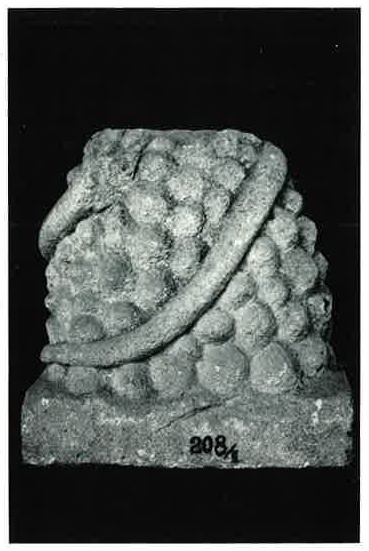
Dark sandstone statue from Mureș Port, Dacia, depicting Mithras's rock-birth with the rock encircled by a serpent; the statue's attribution to Mureș Port rather than Apulum is uncertain.
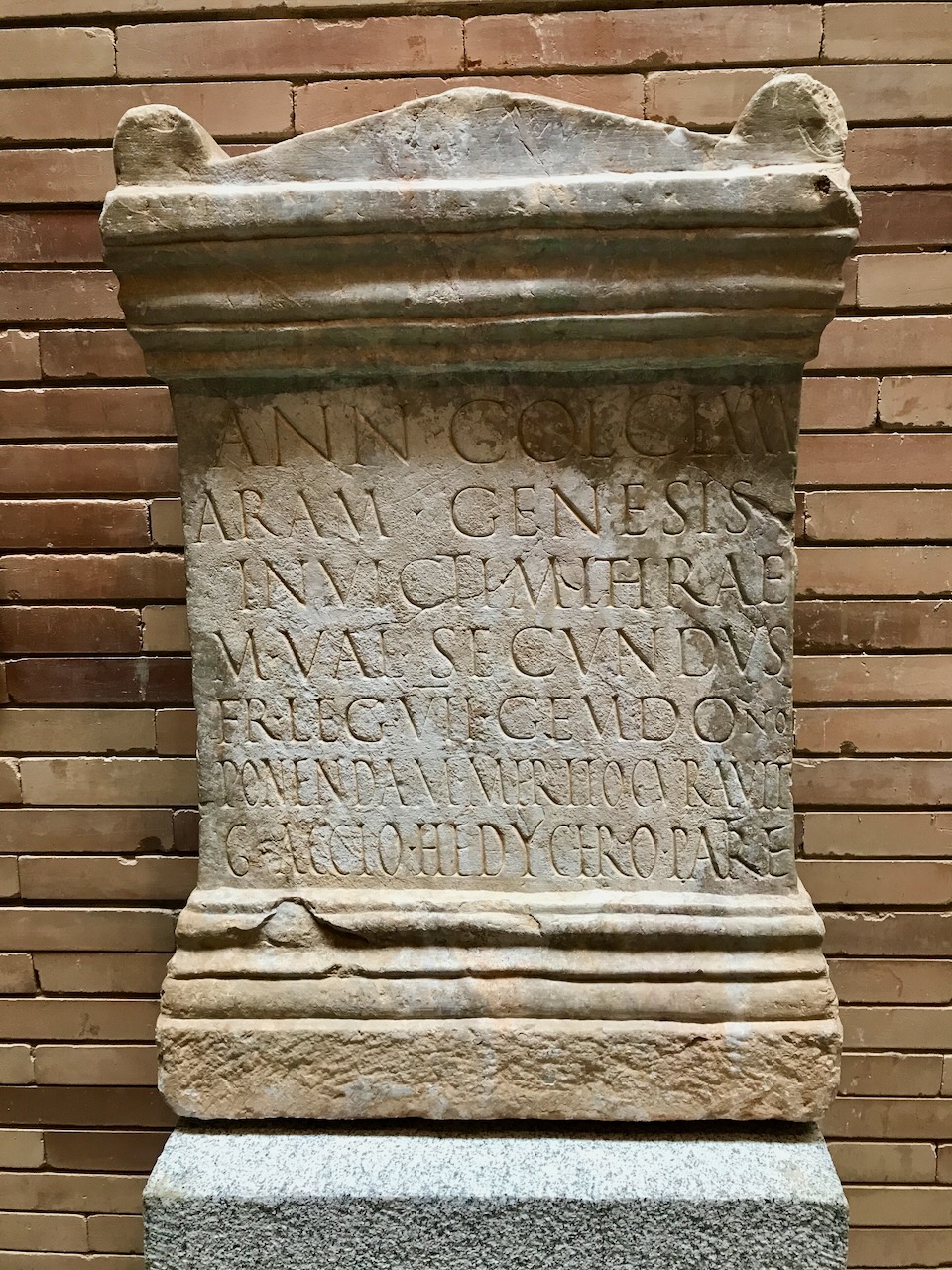
This altar is dedicated to the birth of Mithras by a frumentarius of the Legio VII Geminae.
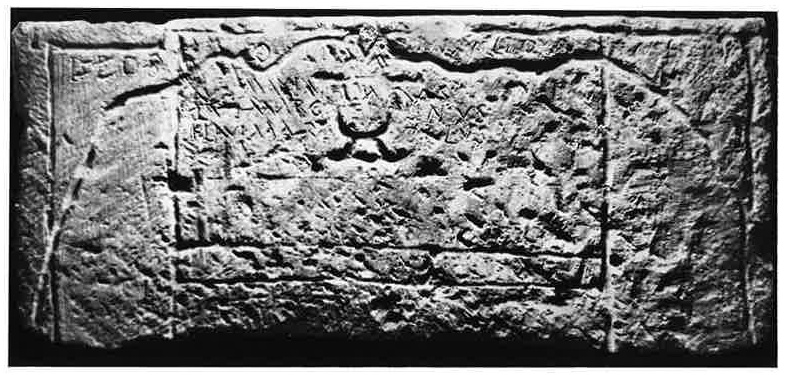
Limestone slab from a Roman settlement at Bijelo Polje north-east of Mostar, ancient area of Han Potoci in Dalmatia, found in 1902 and probably dating to the fourth century AD, depicting a Mithraic scene.
Inscription from Turda, ancient Potaissa in Dacia, dedicated to Invicto by Aurelius Montanus, miles of Legio V Macedonica.
Small altar found in the floor of a house at Turda, ancient Potaissa in Dacia, dedicated to Deo invicto by Flavius Marcellinus, tessararius.
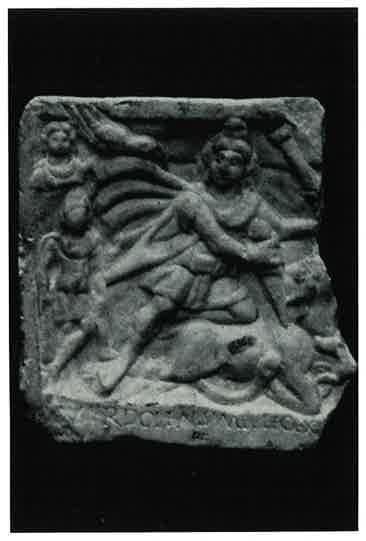
Fragment of a white marble tauroctony relief from Turda, ancient Potaissa in Dacia, depicting the bull-slaying with the bull's tail ending in three corn-ears, the dog, serpent, and scorpion.
Inscription from Turda, ancient Potaissa in Dacia, recording that Iulius Iulianus erected the monument ex voto.
Lost white marble tauroctony relief from Turda, ancient Potaissa in Dacia, depicting the bull-slaying with dog, serpent, and scorpion; the inscription in the lower border named the dedicant Iulius Iulianus.
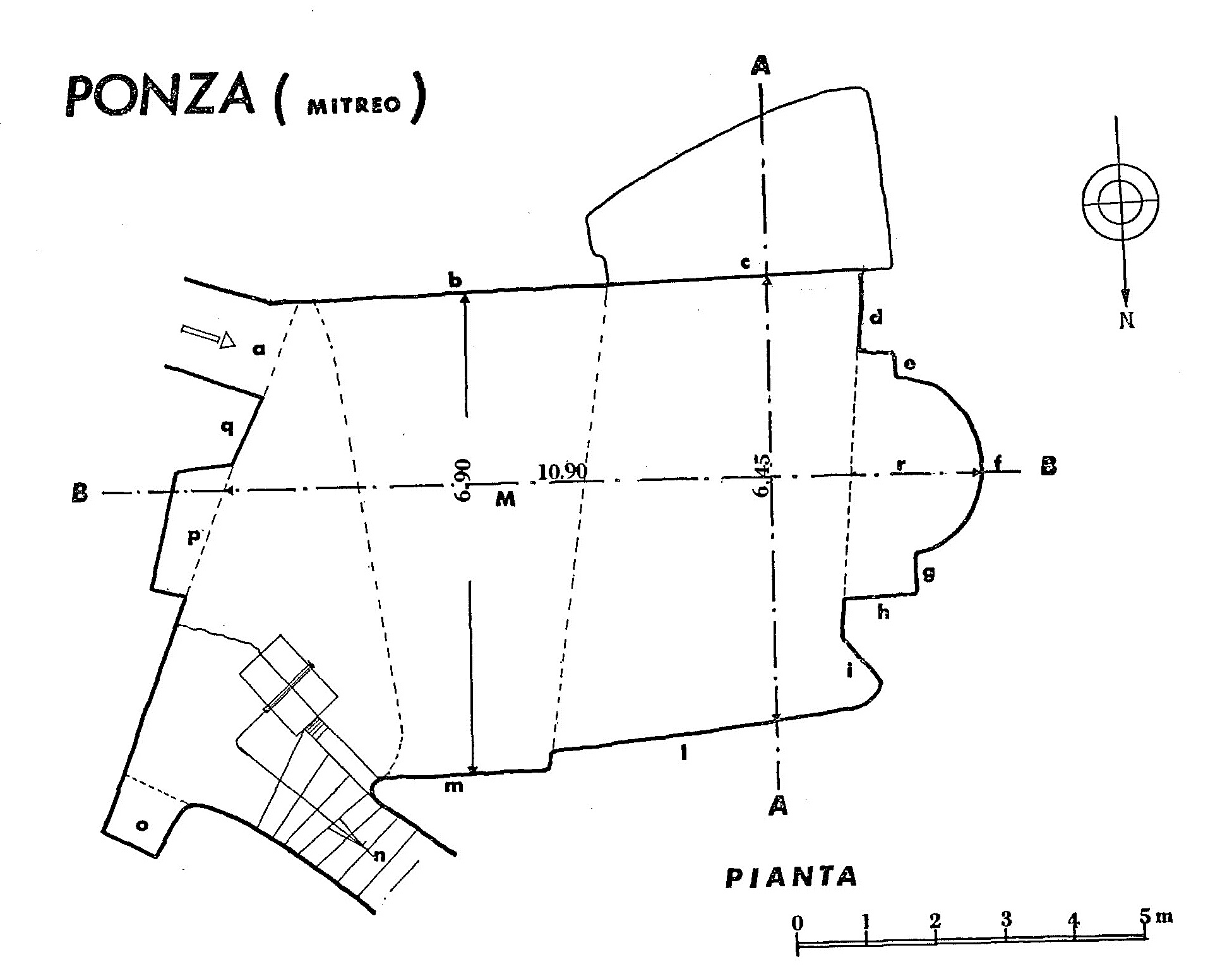
This Mithraic shrine on the island of Ponza is renowned for its exceptional stucco zodiac and astral symbolism linked to Roman Mithaism.

Un recorrido por los orígenes, la expansión y el legado de Mitra desde Persia hasta el corazón de Roma.
An altar from Baetulo (modern Badalona) in Hispania Citerior, carved in a rock on a hill facing east opposite the town, recording a dedication to Sol Deus by A. Pompeius Abascantus.
