Your search Podersdorf am See gave 2325 results.
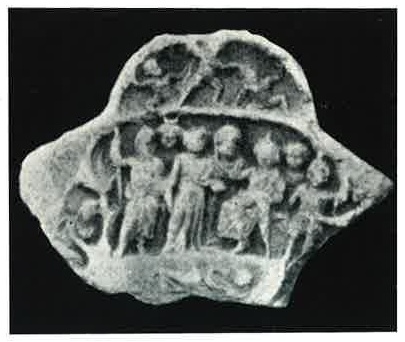
White marble tauroctony relief from Veles, ancient Bylazora in Macedonia; the merchant reported that other fragments of the same monument were walled into a fountain in Veles.

Small weathered arched tauroctony relief from the ruins of ancient Kabyle near Yambol, Thracia, depicting the standard bull-slaying scene.
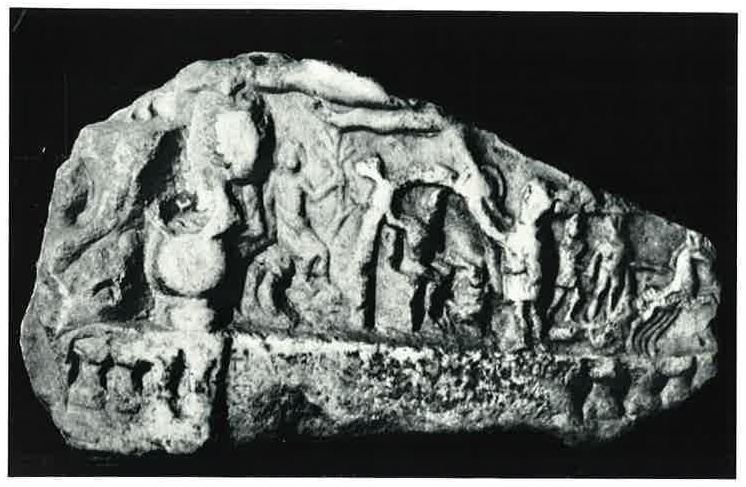
Lower part of a marble tauroctony relief from Sinitovo, Thracia, found walled into a well, depicting the lower portion of the bull-slaying scene; the Greek inscription in the lower border records a thanksgiving to Helios Mithras invictos.
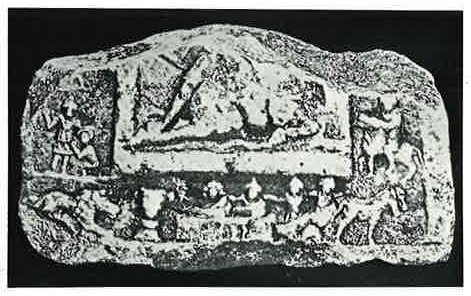
Marble tauroctony relief from Elli Dere near Tatar-Bazardjik, ancient Bessapara in Thracia, with the upper part broken off; the lower portion preserves the standard bull-slaying scene.
Fragmentary inscription from Dolni Vadin, Thracia, preserving only the word sancto — probably part of a dedication to Deo sancto invicto.
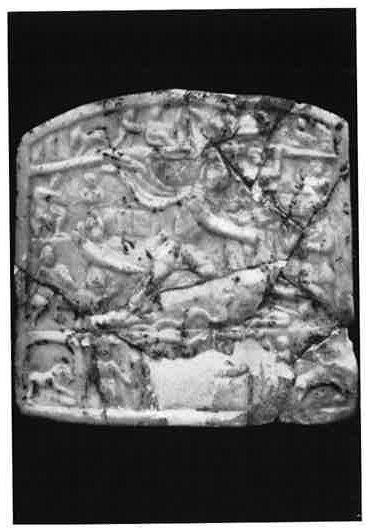
Nine fragments of a white marble tauroctony relief from Scythia Minor, Moesia Inferior, probably from somewhere within the province; the standard bull-slaying scene is preserved in part.
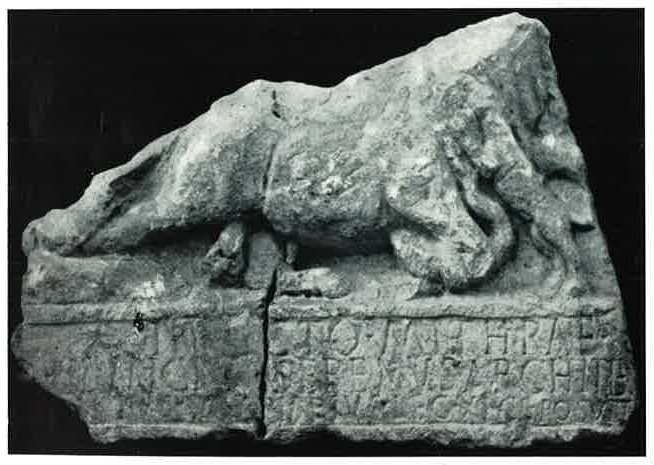
Sandstone tauroctony relief from Balcic, ancient Dionysopolis in Moesia Inferior, depicting the standard bull-slaying scene; the attribution to Dionysopolis rather than another site is disputed.
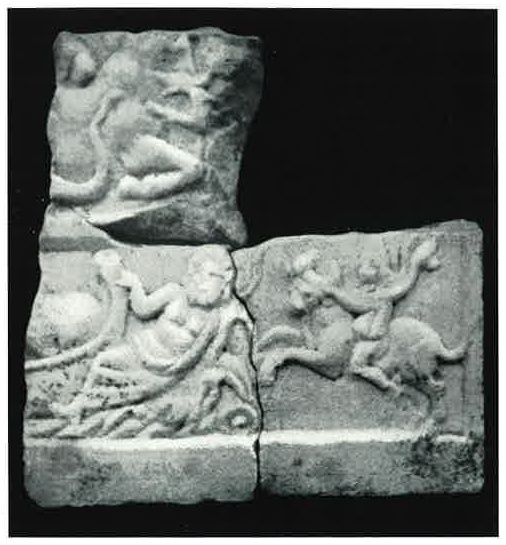
Three white marble tauroctony fragments from Gànt la Mangalia, ancient Callatis in Moesia Inferior, depicting part of the standard bull-slaying scene.
Small Mithraic sanctuary discovered in 1958 in the grotto called Adam near Tirgușor, Moesia Inferior, about 30 km from Constanța; the monuments are remarkable for their Greek inscriptions.
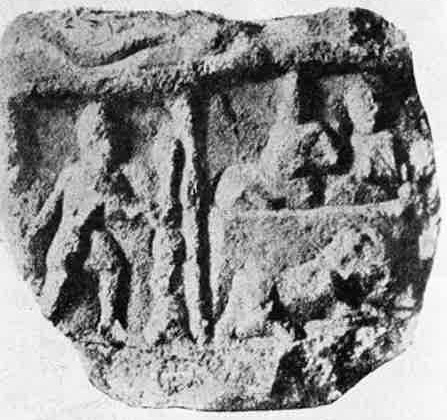
Marble tauroctony relief fragment from Kirk-Bunar near the monastery of St. Petka, Moesia Inferior, preserving part of the creeping serpent as proof of a bull-slaying composition.
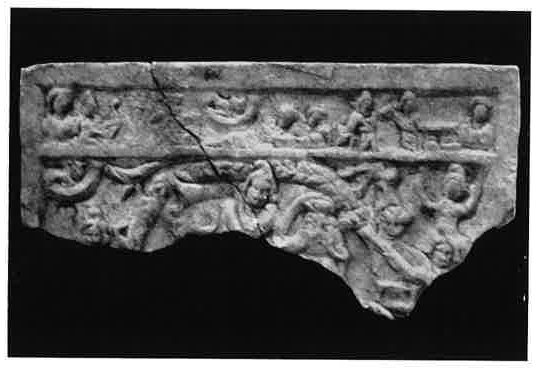
Upper portion of a yellowish marble tauroctony in two fragments from Acbunar, Moesia Inferior, preserving the divine busts of Sol and Luna in the upper register.
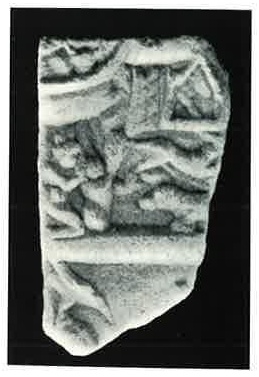
Two fragments of a yellowish marble tauroctony from Acbunar, Moesia Inferior, divided into three registers by two horizontal rims; the upper registers carry subsidiary Mithraic scenes.
Archaeological context at Acbunar (Mircea Vodă) near Troesmis, Moesia Inferior, where twelve marble pieces, pottery, lamps, and a coin were found 30 metres from a Roman building, suggesting the presence of a Mithraeum.
Marble tauroctony relief fragment from the Byzantine camp at Pontelimonul de sus, ancient Ulmetum in Moesia Inferior, found reused in the masonry; the subject is partly identifiable.

Marble tauroctony relief in five fragments from Ruse, ancient Sexantaprista in Moesia Inferior, found near the confluence of the river Lom with the Danube, depicting the standard bull-slaying.
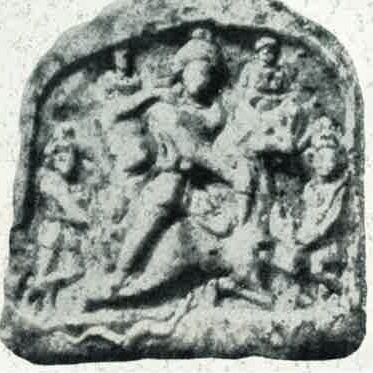
Small marble tauroctony relief from the Roman castellum near Soukhin-Dol, Moesia Inferior, in an arched circular composition depicting the standard bull-slaying scene.
Damaged limestone tauroctony relief fragment from near Utum, Moesia Inferior, of disputed exact provenance — either Utum or Chemlievo — depicting part of the standard bull-slaying scene.
Circular Mithraic relief from Oescus, Moesia Inferior, mentioned by LeRoy Campbell; no further details are available to the author.
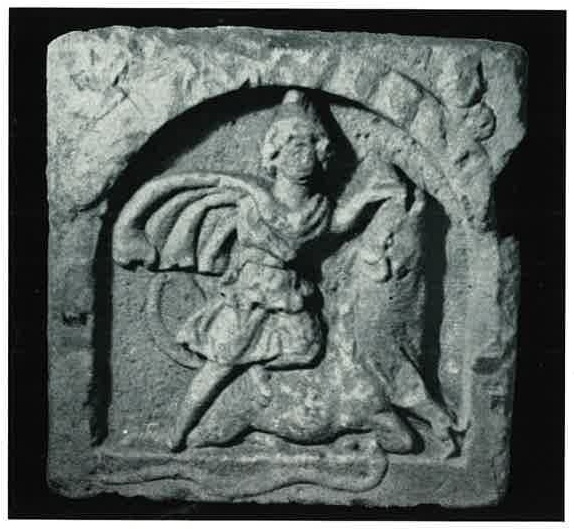
Limestone tauroctony relief from Bechli, 8 km from Ghighen, ancient Oescus in Moesia Inferior, depicting the standard bull-slaying scene in a grotto.
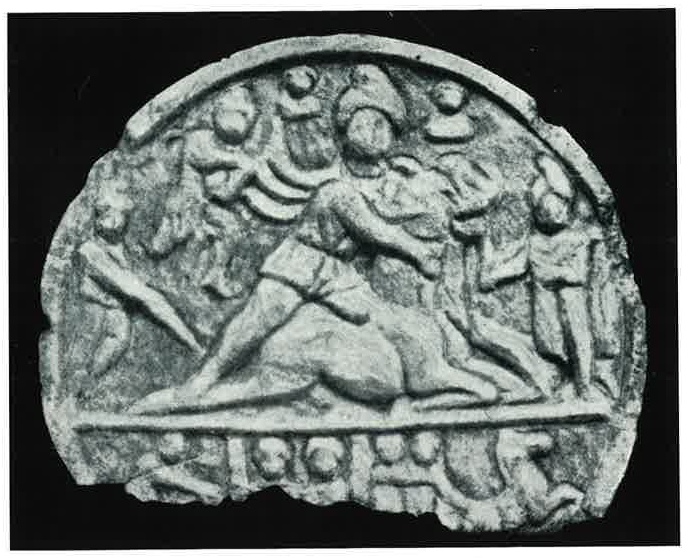
Small circular marble tauroctony relief from Kadine-Most in the Küstendil district, Moesia Superior, divided into two parts by a horizontal rim, with the bull-slaying in the upper and a figure or inscription in the lower.
