Your search Quirinalis, Via Rasella gave 94 results.

A white marble tauroctony relief fragment found at the hill known as Carnale near Nomento on the Via Nomentana, about twenty kilometres from Rome, now in the storerooms of the Museo Nazionale in Rome, dated to the third century AD.
A cippus found in a vineyard near the Via Salaria by the Coemeterium Priscillae outside Rome, inscribed by Q. Hostilius Euplastus, a leo of the Mithraic mysteries, dedicating a gift to the god.
A white marble tauroctony statue found in 1925 at the ancient site of Lorium near the eleventh milestone on the Via Aurelia outside Rome, showing Mithras slaying the bull with dog, serpent and scorpion, accompanied by Cautes and Cautopates; now in the Palazzo Doria…
Fragment of a Greek marble relief found in the Via Borgo Vecchio, preserving only the lower part of Mithras as bull-killer in tunic and flying cloak, with a Cautes bearing an upraised torch behind the bull.
Ancient marble fragments walled into the staircase of the house at Via Boncompagni 101 (Boarding-house Cosmopolita), including a lower part of a Mithras bull-killing group and a fragment of a low-relief with the bullkilling; not traced by Vermaseren.
Possible Mithraeum discovered in 1869 near the previous sanctuary in Muti's gardens, described by Lanciani as a spelaeum cut in tufa with vestibule and cell with niches and altar, at the corner of the Via Nazionale and Via Venezia.
Fragment of a large marble tablet with large letters of poor 5th-century workmanship, found on the Monte Quirinale near the Via Nazionale, bearing poetic Mithraic references to the mystes of Ceres and the Invincible Mithras.
Altar from Aquincum, Pannonia Inferior, dedicated to Soli invicto Mithrae by Antonius Brevianus.
Altar from Aquincum, Pannonia Inferior, dedicated to Deo invicto for the welfare of the household of Tiberius Haterius Saturninus, clarissimus vir and legatus Augusti pro praetore, by Caius Iulius Viator, beneficiarius consularis.
Inscription from Mithraeum III at Carnuntum, Pannonia Superior, recording that Titus Flavius Viator built or founded something for Deo invicto; the verb condi fecit is interpreted as referring to the construction of the sanctuary.
Marble altar with akroteria from Mithraeum II at Ptuj, ancient Poetovio, dedicated to Fonti perenni by Epictetus and Viator, vicarii of Quintus Sabinius Veranus, vilicus of the publicum portorium.
Inscription on the column base from Mithraeum II at Ptuj, ancient Poetovio, dedicated to Deo invicto Mithrae for the welfare of the Emperors and Geta Caesar by Salvianus, contrascrip of the statio Atrantiana; Geta's name was subsequently erased.
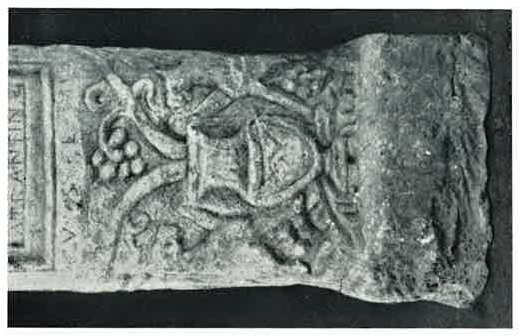
Marble column from the entrance of Mithraeum II at Ptuj, ancient Poetovio, serving as a statue base, its front decorated with a kantharus between panthers and vine tendrils; the inscription names Salvianus, contrascrip of the statio Atrantiana.
A probable Mithraic sanctuary near Santa Maria in Domnica on the Caelian Hill, known from a group of dispersed reliefs formerly owned by Ottaviano Zeno.
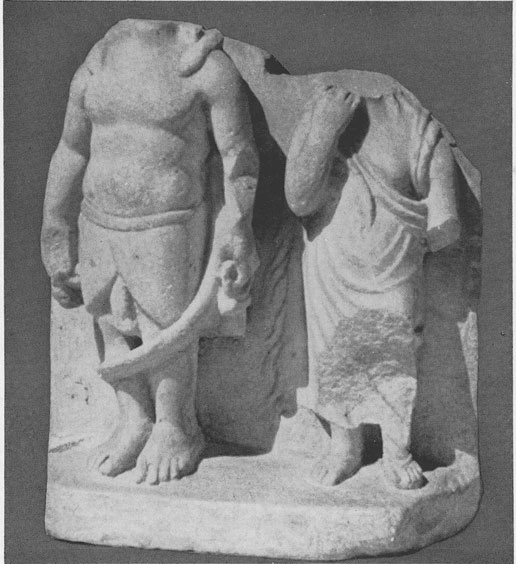
Marble relief, probably found in Rome during the construction of the Palazzo Primoli along the Via Zanardelli.
An altar found in 1889 at Caldas de Reyes (ancient Iria Flavia) in Galicia, bearing a fragmentary dedication to Cautes, possibly by a person named Antonius.
A philosophical study of Iranian civilization that explores its spiritual foundations, including the legacy of Mithraic and Zoroastrian traditions, in order to reflect on Iran’s historical continuity and civilizational meaning.
Interprets Mithraism as an initiatory path of inner transformation, reading its myths and rites as symbolic maps of consciousness rather than as historical narratives, and includes an appendix with the Ritual of Mithra from the Great Magical Papyrus of Paris…

Ce 4e fascicule de Mithriaca concerne un très curieux monument exhumé au XVIe siècle sur le site d'un Mithraeum qu'on localise tout près de l'église S. Maria in Domnica, non loin de S. Stefano Rotondo où un autre spelaeum fut mis au jour en 1973…
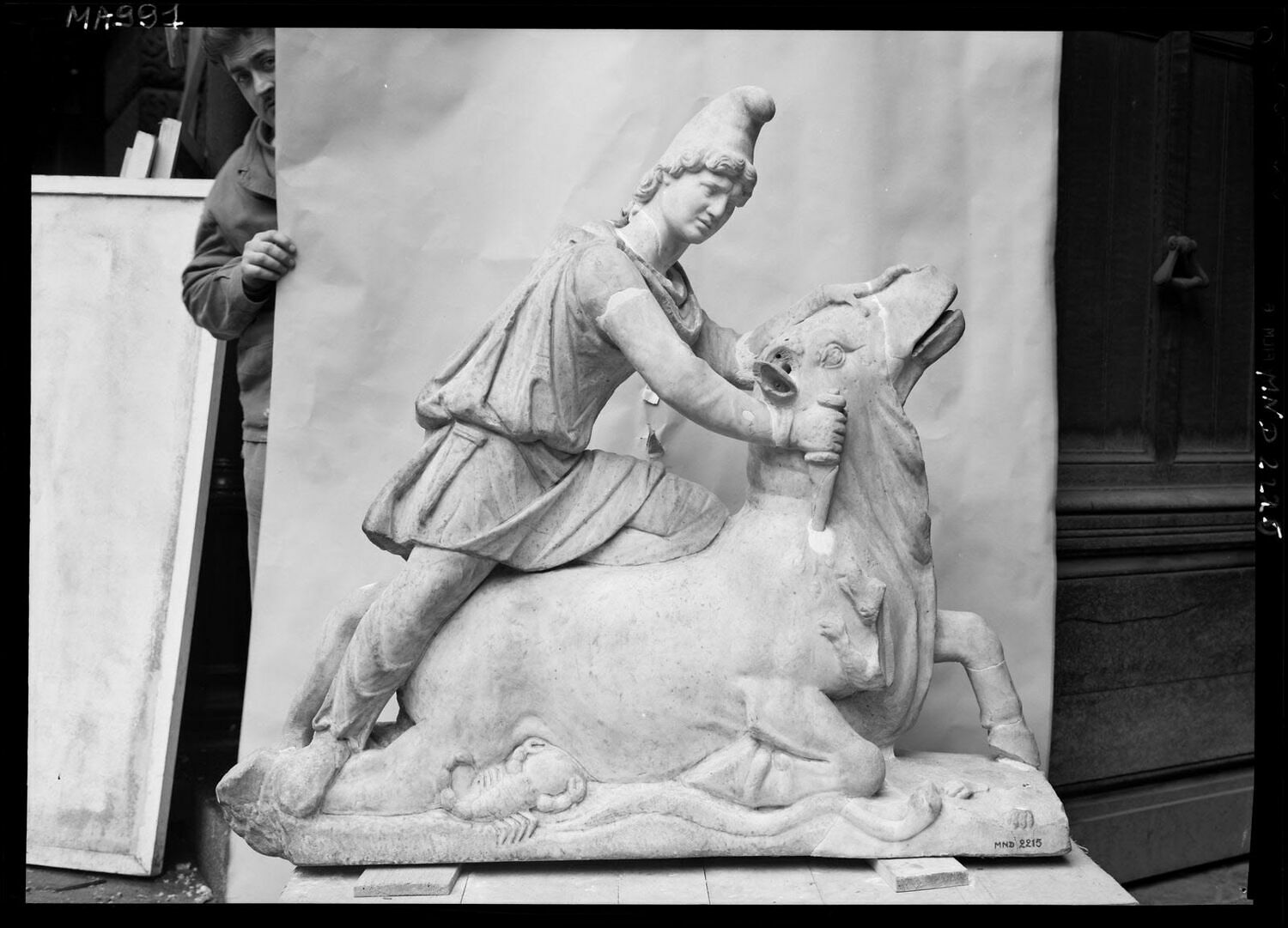
This sculpture of Mithras killing the bull, which belongs to the Louvre Museum, is currently on display in Varsovia.
