Your search Roman cemetery of St. Matthias gave 2765 results.
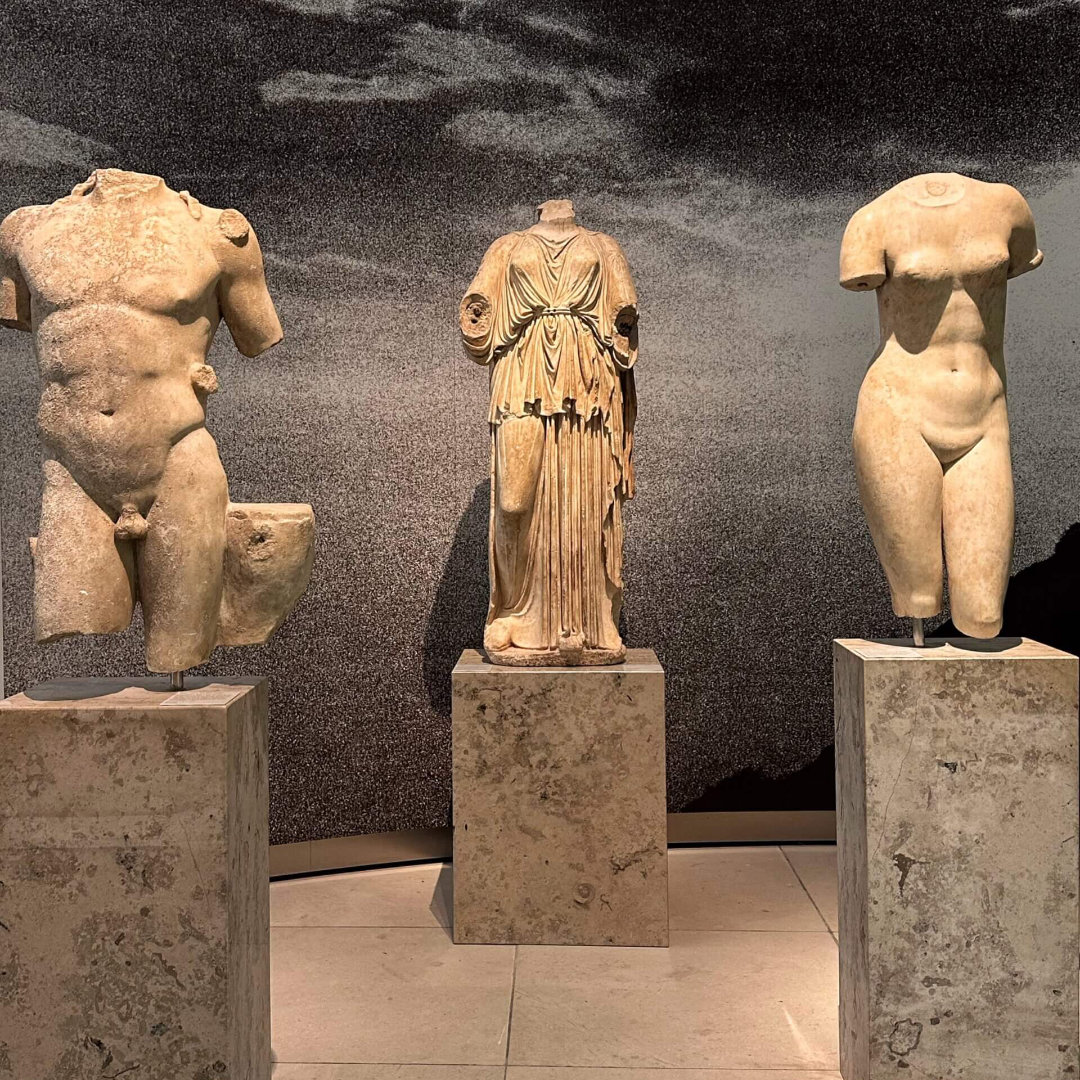
For our German-speaking friends, don’t miss Stefan Nährlich’s blog, [ref:67685d70a6b54]. It offers a plethora of intriguing articles on not only Mithras but the entire Empire. His posts feature excellent original photographs, perfect for both Romans and barbarians alike! Enjoy exploring…

Breton centurion stationed in Volubilis, Mauretania Tingitana, known for his loyalty to Mithras and Commodus.


Freedman who consecrated an altar to Mithras for the numen and majesty of the emperors Philip the Arab and Otacilia Severa.

I am Iranian American who is interested in learning more about the Mithraums in Europe
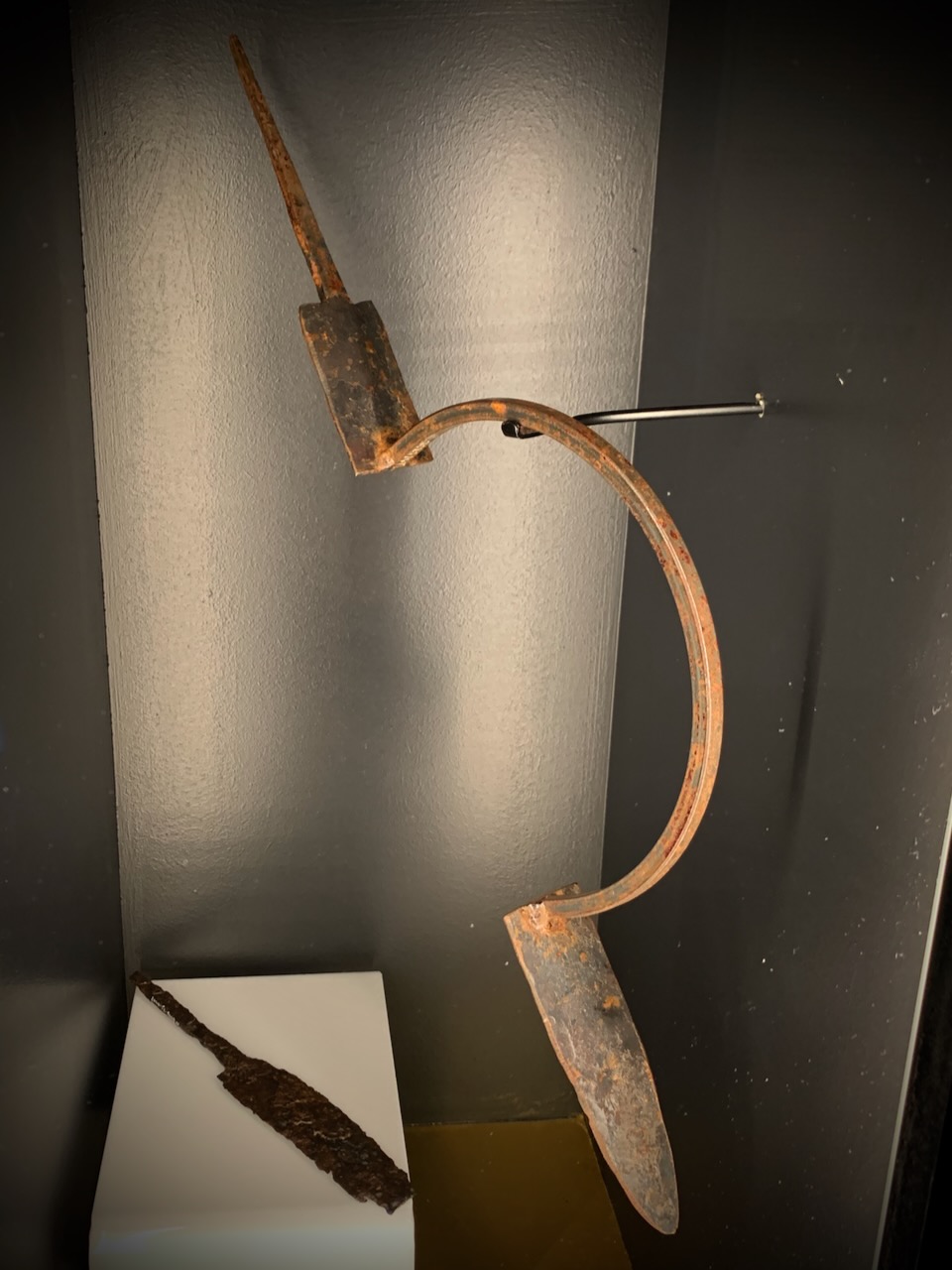
Several iron fragments found in the second mithraeum of Güglingen may have been used during mithraic ceremonies.

The name of this domus comes from the fact that some authors once associated one of its mosaics with the cult of Mithras, a connection that has since been dismissed.

Historiador experto en Historia Antigua y catedrático en la Universidad Carlos III de Madrid.
meu nome é Edvan Alves de oliveira, atualmente sou estudante de história pela universidade federal de Goiás no Brasil

Jaime Alvar speculates that the Gran Mitreo de Mérida could have been located in this area, based on a series of materials unearthed by Mélida during the excavations of 1926 and 1927.

Relief possibly depicting Mithras-Men holding a torch and a a bust of Luna on a crescent.

Fragment of a white statue depicting a naked god entwined by a serpent with its head on his chest, found in the River Tiber.

I am a member of the Longthorpe Legion, a Living History group linked to our local museum that portrays the Romans in Britain, including a Temple to Mithras.
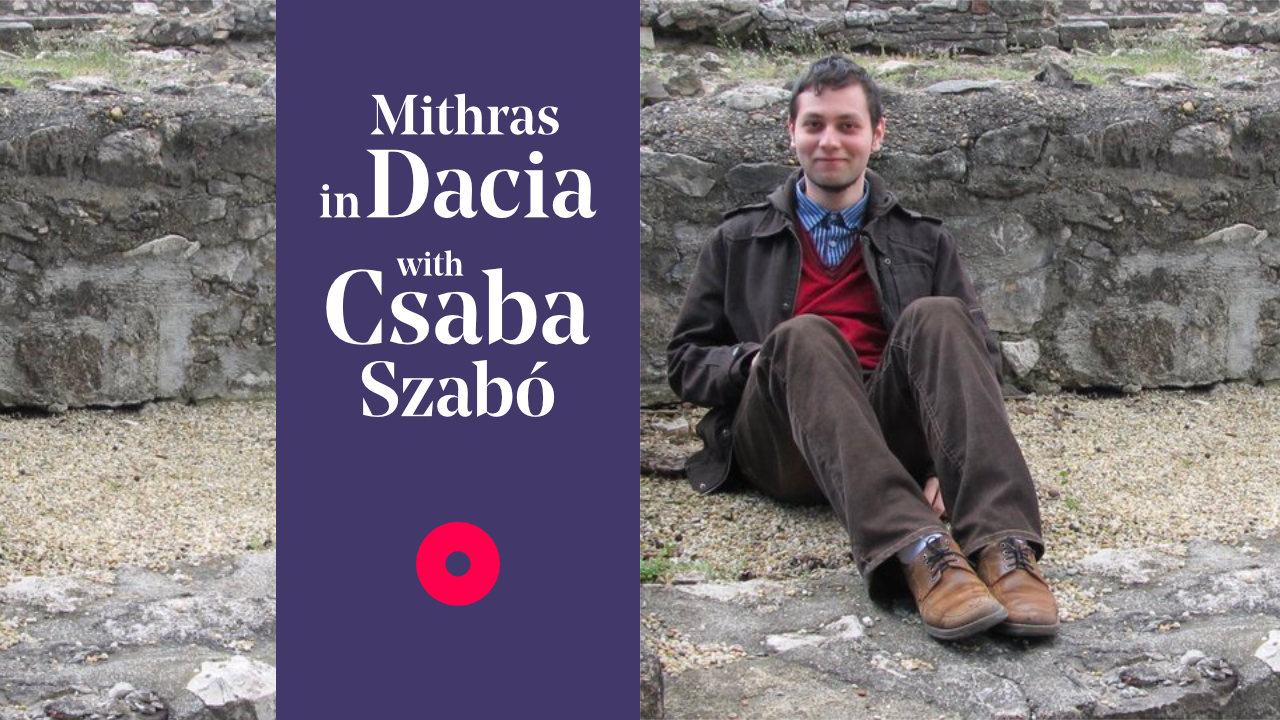
Exploring religion, rituals, archaeological insights, and historical impact of the Cult of Mithras in the Danubian provinces.

Exploring religion, rituals, archaeological insights, and historical impact of the Cult of Mithras in the Danubian provinces.

The existence of a mithraeum in the "tana del lupo", a natural cave in the castle of Angera, has been assumed since the 19th century, following the discovery of two mithraic inscriptions in the town.
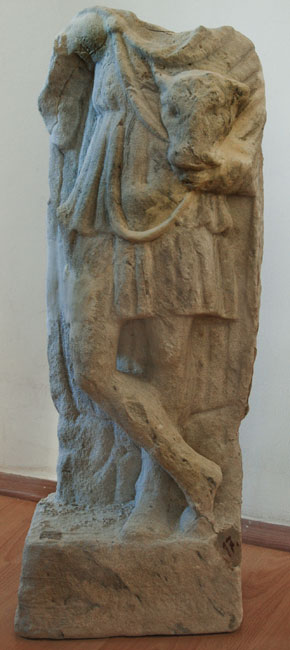
This sculpture of Cautes holding a bull’s head was found in 1882 in Sarmizegetusa, Romania.
