Your search San Giovanni al Timavo gave 3161 results.

Fragment of a bull-killing relief showing Mithras, the torchbearer Cautes with upraised torch, and the bust of Luna, found at Labicum in the ruins of a Roman villa.
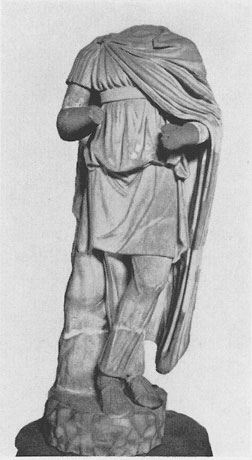
Penthelic marble statue of a standing torchbearer in Eastern attire, cross-legged, with head and torch arm broken off, probably 2nd century A.D., found at Antium (modern Anzio).
Small stone block inscribed to Deo Soli, found walled up in an Arabic wall near a Roman spring at Sicca Veneria (modern Kef).
Small Mithras relief found in the upper layer of the tophet at Carthage by Cintas in 1949.
Statuettes of eastern deities including Mithras, found in a walled compartment near a Punic cemetery at Duimes, Carthage.
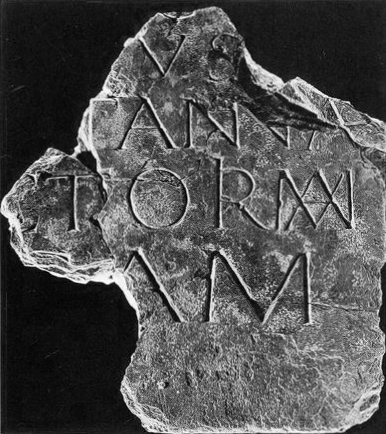
Archaeological material from the Mithraeum of Londinium discussed in Hill’s study of Roman London.
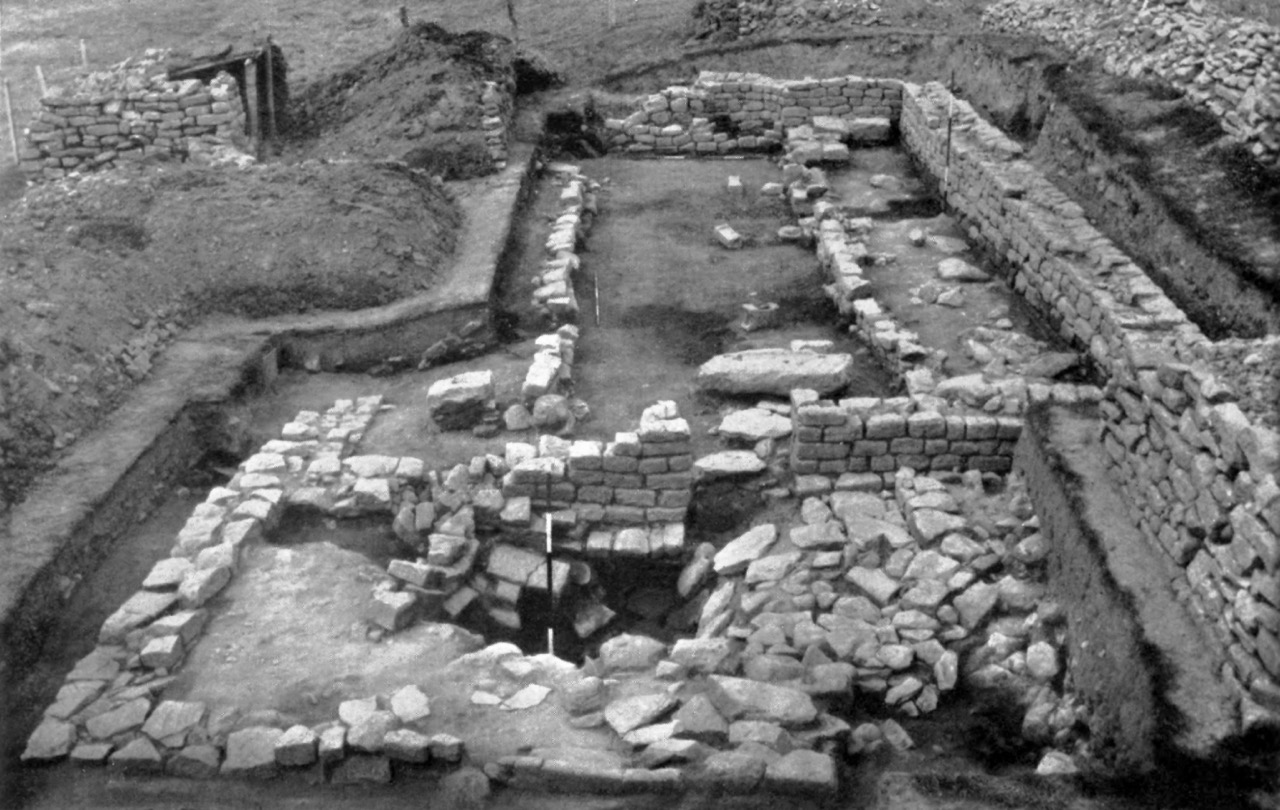
The Mithraeum of Rudchester was discovered in 1844 on the brow of the hill outside the roman station.
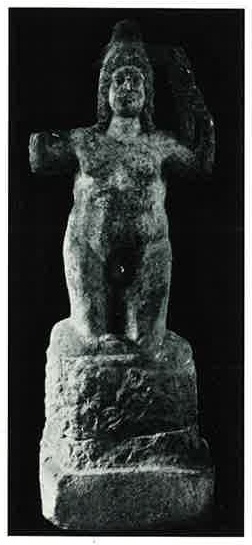
This white marble statue of the rock-birth from Cibinium in Roman Dacia is one of the largest known Mithraic sculptures from the Danubian provinces.
Marble head from the south-west walls of Thasos, Macedonia, found in 1920, with long curly hair, Phrygian cap, and a pathetic expression; possibly Mithras or Attis.
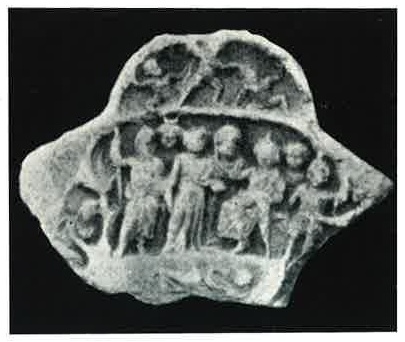
White marble tauroctony relief from Veles, ancient Bylazora in Macedonia; the merchant reported that other fragments of the same monument were walled into a fountain in Veles.
Small weathered arched tauroctony relief from the ruins of ancient Kabyle near Yambol, Thracia, depicting the standard bull-slaying scene.
Fragmentary Greek inscription from Sinitovo, Thracia, preserving only the epithet epekooi — the listening one — and a partially legible name beginning with Audios.
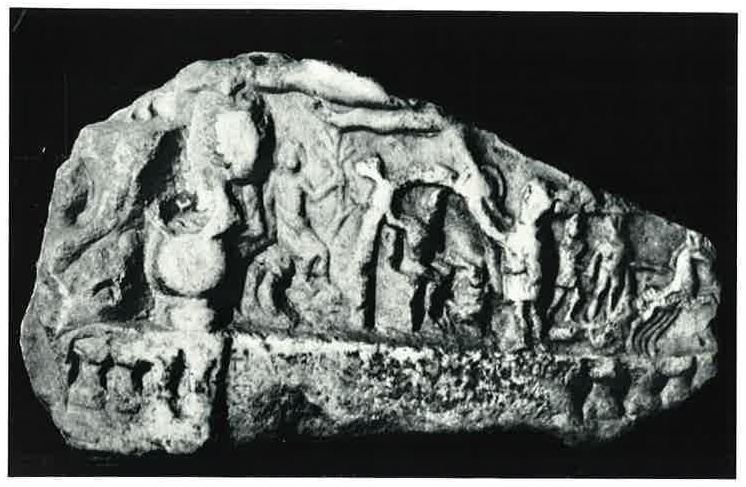
Lower part of a marble tauroctony relief from Sinitovo, Thracia, found walled into a well, depicting the lower portion of the bull-slaying scene; the Greek inscription in the lower border records a thanksgiving to Helios Mithras invictos.
Marble relief fragment from near Debeli-Lak, Thracia, depicting Cautopates in Oriental dress holding the torch downwards with both hands, not cross-legged; head, shoulder, and feet are lost.

Sandstone tauroctony relief with pediment from the Mithraeum at Tirgușor, Moesia Inferior, depicting the bull-slaying with two cross-legged torchbearers both holding their torches upraised and Sol and Luna busts in the upper corners; no dog or scorpion.
White marble trapezium-shaped tauroctony relief probably from Constanța, ancient Tomis in Moesia Inferior, divided into three horizontal registers with the central tauroctony and subsidiary scenes.
Marble stele from Histria, Moesia Inferior, found reused in a late wall in the southern quarter of the city, bearing a Mithraic dedication or scene.
Fragmentary inscription from Acbunar, Moesia Inferior, recording a votive fulfilment on the Kalends or Ides of January — one of the few Mithraic inscriptions with a calendar date.
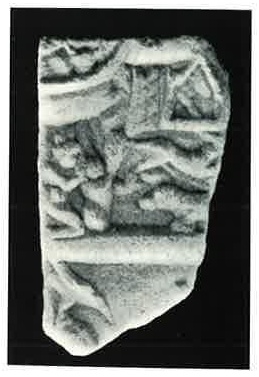
Two fragments of a yellowish marble tauroctony from Acbunar, Moesia Inferior, divided into three registers by two horizontal rims; the upper registers carry subsidiary Mithraic scenes.
Archaeological context at Acbunar (Mircea Vodă) near Troesmis, Moesia Inferior, where twelve marble pieces, pottery, lamps, and a coin were found 30 metres from a Roman building, suggesting the presence of a Mithraeum.
