Your search Soriano nel Cimino gave 119 results.
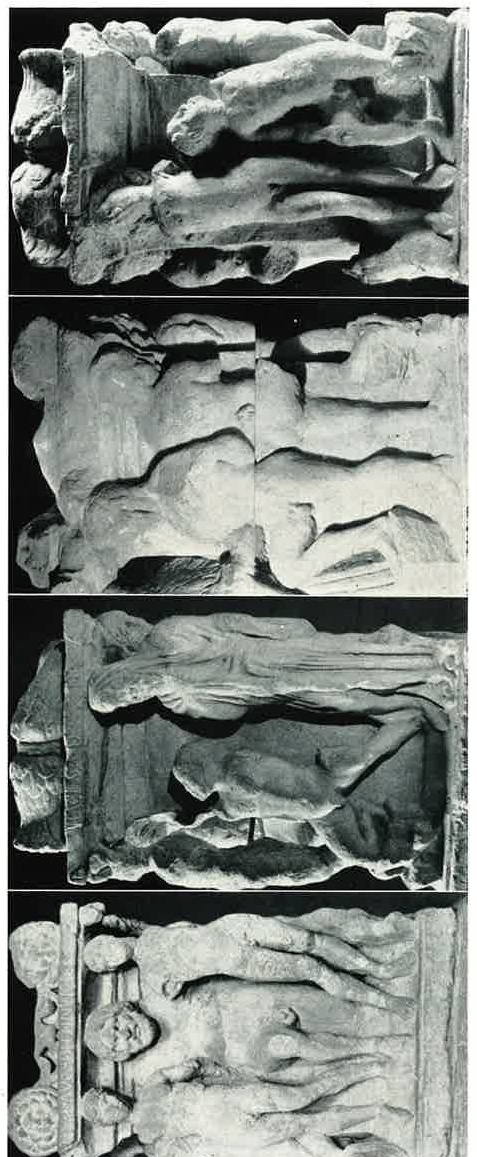
Large stone altar from Mithraeum III at Carnuntum, Pannonia Superior, decorated on all four sides with nine figures supporting the upper voluted section and bearing faces on the front of the volutes; a distinctive sculptural type within the Mithraic repertoire…

Inscription from Mithraeum III at Carnuntum, Pannonia Superior, recording that Titus Flavius Viator built or founded something for Deo invicto; the verb condi fecit is interpreted as referring to the construction of the sanctuary.
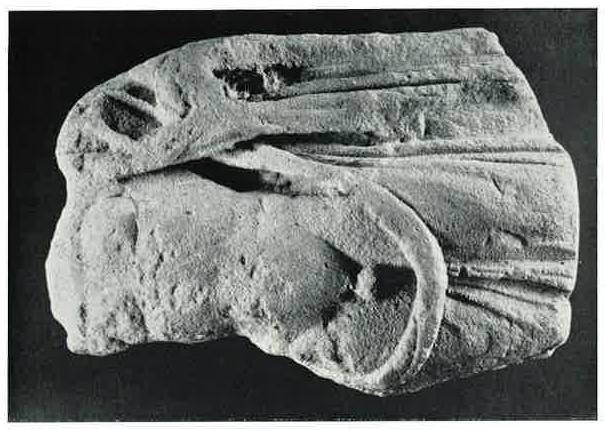
Marble statue from Carnuntum, Pannonia Superior, depicting a standing youth with a large mantle draped over his left shoulder and arm; head, right arm, and most of the legs are lost.
Minor finds from Mithraeum I at Carnuntum, Pannonia Superior, comprising legionary brick stamps, burnt coal and wood, ash with ox, sheep, and goat bones, and fragments of serpent-vases; the coin evidence points to a terminus ante quem in the early third century…
Marble altar rim from Mithraeum I at Carnuntum, Pannonia Superior, preserving only the beginning of the dedicant's name: Caius Fron-.
Altar from Mithraeum I at Carnuntum, Pannonia Superior, dedicated to Deo invicto by Valerius Victorinus, optio of Legio X Gemina.
Altar from Mithraeum I at Carnuntum, Pannonia Superior, dedicated to Deo invicto by Iulius Pacatus ex voto, with Marcus Valerius serving as sacerdos for the second time — one of the few attestations of the Mithraic title sacerdos from Pannonia.
Inscription from Carnuntum, Pannonia Superior, recording the restoration of a collapsed Mithraic spelaeum by Caius, identified only by the first three letters of his name; whether dedicated to Deo invicto or Soli invicto is disputed.
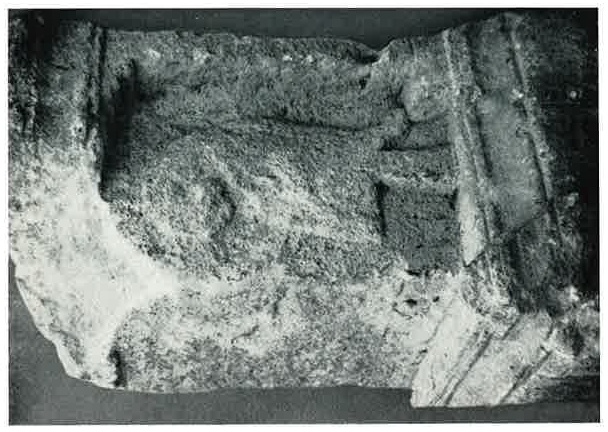
Sandstone altar from Mithraeum I at Carnuntum, Pannonia Superior, decorated on each lateral face with a Phrygian cap upon a dagger — a distinctive Mithraic iconographic pairing — and bearing an inscription on the front.
Large sandstone altar from Mithraeum I at Carnuntum, Pannonia Superior, with Cautopates cross-legged carved on the left side and Cautes walking on the right, both holding their torches with two hands; the front bears an inscription.
Cone-shaped sandstone stone encircled by a serpent from Mithraeum I at Carnuntum, Pannonia Superior, probably forming the base of a rock-birth group.
Sandstone haut-relief from Mithraeum I at Carnuntum, Pannonia Superior, depicting Cautopates cross-legged; head, feet, and left arm are lost; possibly belonging to the great tauroctony relief.
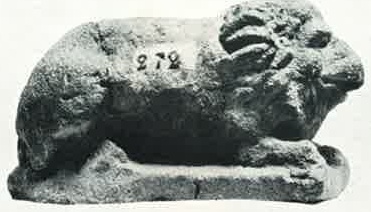
Red sandstone statue of a lying lion with a hollow channel running through its body, from Mithraeum II at Heddernheim, ancient Nida
Decorated altar with rosettes and an inscription panel from the Mithraic sanctuary at Vetera.

Uruk, the archeological site known today as Warka, was an ancient city in the Near-East or West-Asia, located east of the current bed of the Euphrates River, on an ancient, now-dried channel of the river in Muthanna Governorate, Iraq.
Speyer, historically known in English as Spires, is a city in Rhineland-Palatinate in Germany with approximately 50,000 inhabitants.
Colonia Claudia Ara Agrippinensium, usually just called Colonia, was the Roman settlement in the Rhineland that became the modern city of Cologne, now in Germany. It was the capital of Germania Inferior and the military headquarters of the region.
Augusta Treverorum, today's Trier in Rhineland-Palatinate, is considered to be the oldest city in Germany.
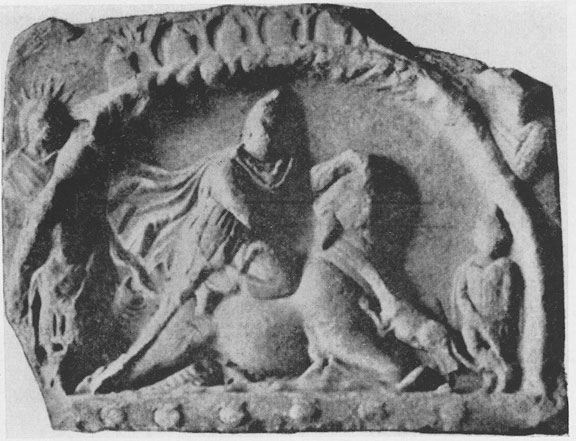
This finely carved marble tauroctony from Interamna features an unusual series of altars and ritual vases surrounding the scene.
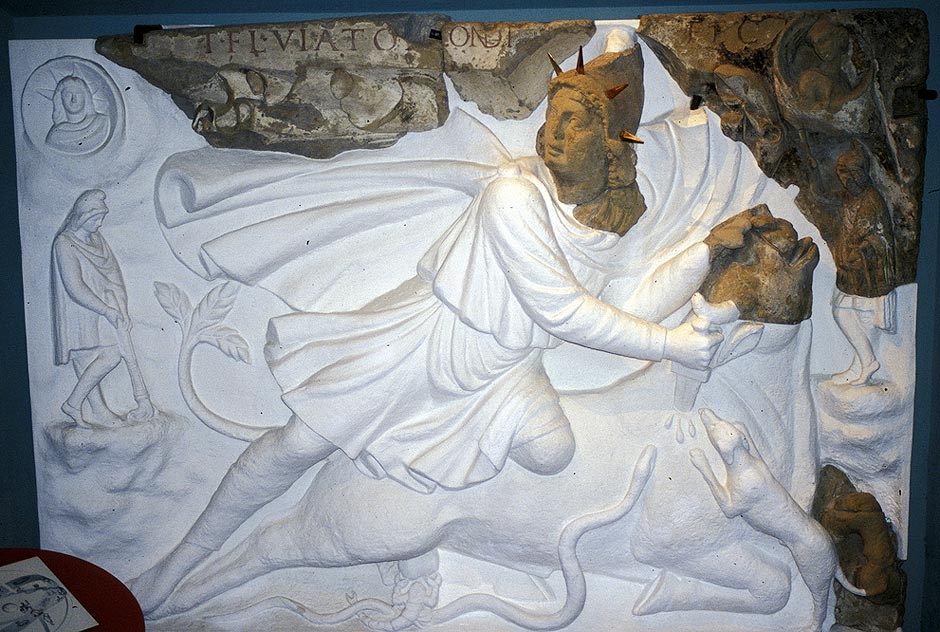
Of this great relief of Mithras slaying the bull only a few segments remain.
