This site uses cookies to offer you a better browsing experience.
Find out more on how we use cookies in our privacy policy.

 
Quaere

The New Mithraeum Database

Find news, articles, monuments, persons, books and videos related to the Cult of Mithras

Your search St Albans gave 2152 results.

 
Monumentum

Tauroctony from the Mithraeum of Lucciana

The archeologists have found three fragments of the Tauroctony of Lucciana, which includes Cautes and Cautopates.

 
Monumentum

Cautes fresco from Mitreo di Santa Maria Capua Vetere

In the Mithraeum of S. Capua Veteres, Cautes stands between two laurel trees.

 
Monumentum

Mithraeum of Szőny

The Mithraeum of Szony has the form of a grotto and the entrance is on the west side.

 
Monumentum

Two-sided relief of Fiano Romano

The marble shows Mithras slaying the bull, on one side, and Sol and Mithras feasting on a bull skin, on the other.

 
Monumentum

Mithraeum of Aigio

The underground cave which served as temple was cut into the conglomerate rock of the area, and a flight of eight steps of stone slabs led to it.

 
Monumentum

Mitreo del Campidoglio «lo perso»

This temple of Mithras on the north side of the Capitoline Hill in Rome no longer exists.

 
Monumentum

Serapis head of Walbrook

The head of Serapis found at Walbrook, London, is decorated with stylised olive branches.

 
Monumentum

Aion of Florence

The sculpture of Aion from Florence, Italy, has the usual serpent, coiled six times on its body, whose head rests on that of the god of eternal time.

 
Monumentum

Mithras Tauroctony and other figures from Palæographia Britannica

Palæographia Britannica: or, discourses on antiquities that relate to the history of Britain. Number III.

 
Monumentum

Re-used Neolithic axe-head inscribed with a Tauroctony

According to Christopher A. Faraone, the axe-head from Argos belong to a category of thunderstones reused as amulets.

 
Monumentum

Aion of Memphis

This statue of the god lion-head was found in Memphis, Egypt.

 
Monumentum

Aion of Oxyrhynchus

According to Pettazzoni Aion in general finds its iconographical origin in Egypt. Mithras must have been worshipped in Egypt in the third century B.C.

 
Monumentum

Tauroctonia de Córdoba

Fragmentary marble statue of Mithras Tauroctonos from Córdoba.

 
Monumentum

Taurcotony statue of the Esquiline Hill

Except for the serpent, the sculpture of the taurcotony found on the Esquiline Hill lacks the usual animals that accompany Mithras in sacrifice.

 
Monumentum

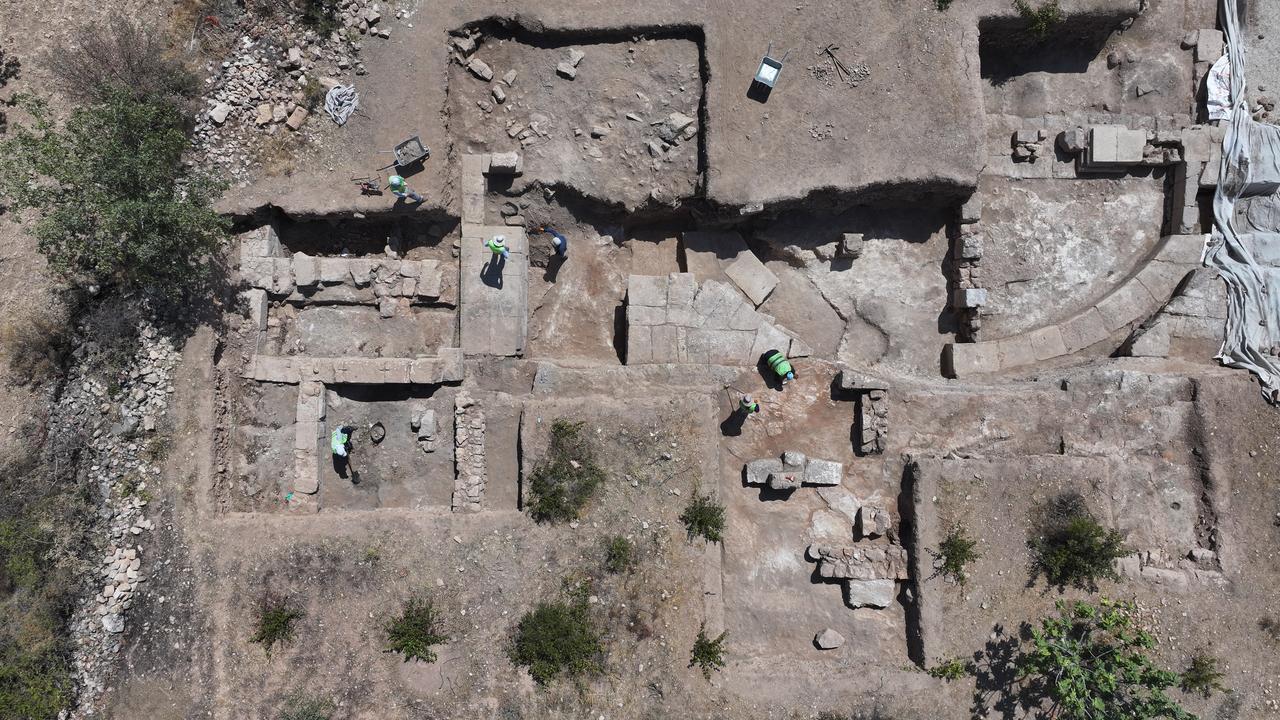
Mithraeum of Memphis (Kom Dafbaby)

At about a mile's distance from the village of Mit-Rahine near Memphis a Mithraeum has been discovered, which itself has not yet been described.

 
Monumentum

Mitreo de Tróia

García y Bellido proposed the existence of a mithraeum in a narrow, elongated room where the Troia mithraic relief was found.

 
Notitia

Call for PhD students and post-doctoral fellows specialising in Mithras

On the occasion of the exhibition, the Royal Museum of Mariemont invites five experts from Europe to emulate the research on the cult of Mithras.

 
Notitia

The Mystery of Mithras: Exploring the heart of a Roman cult

Three European museums celebrate Mithras with a continental exhibition featuring more than 200 works of art from Roman times to the present day.

 
Notitia

Dancing out the Mysteries of Dionysos

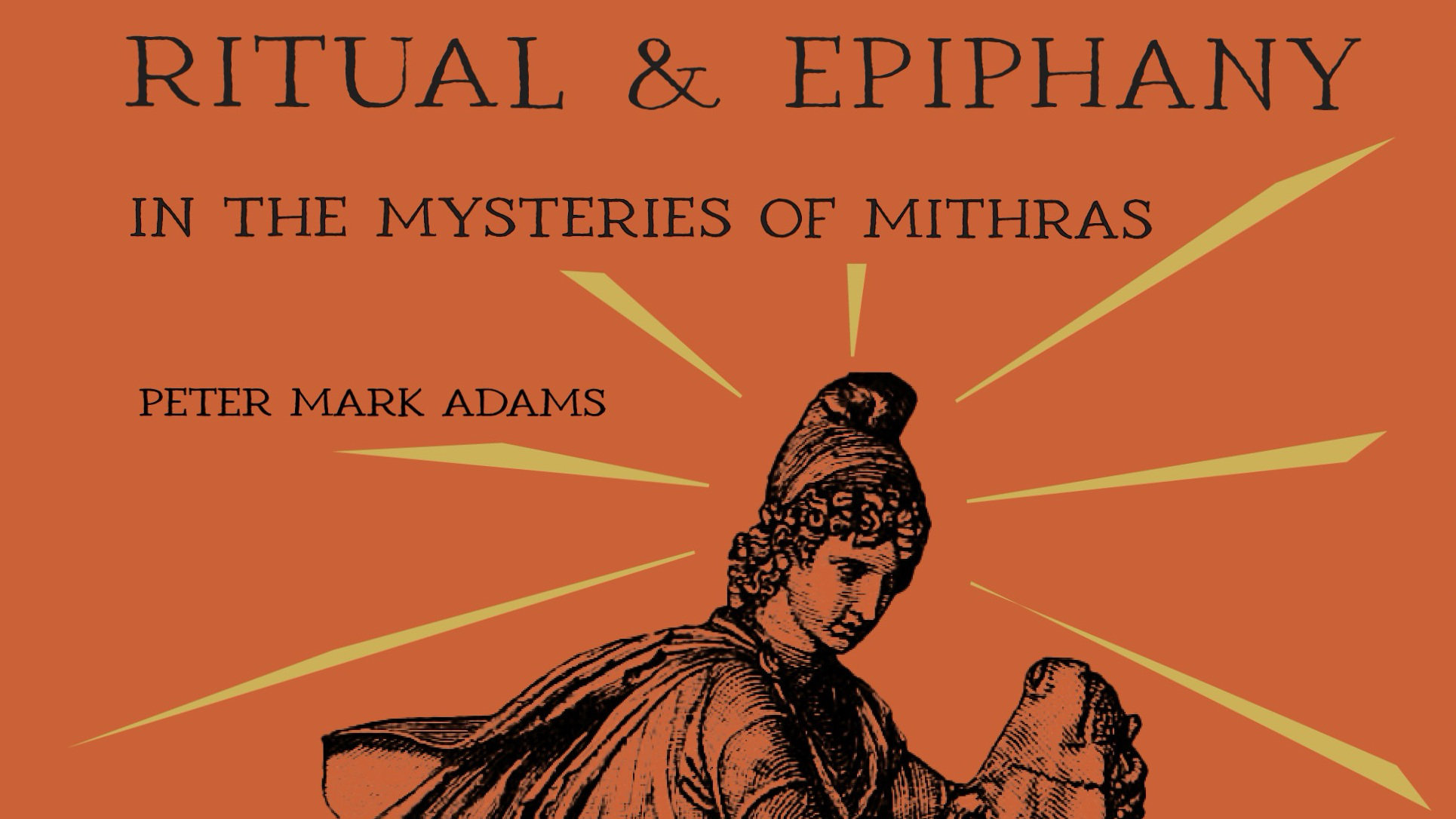
Peter Mark Adams: ‘The initiation was a frightening experience that caused some people to panic as a flood of otherworldly entities swept through the ritual space.’.

 
Video

Los Misterios de Mitra - Mitraísmo Romano

Video report in Spanish on Mithraism.

Back to Top