Your search Stein am Rhein gave 1059 results.

Sandstone statue of a seated lion in attacking posture, from Mithraeum I at Heddernheim, ancient Nida, with its hindmost part lost
Votive inscription from Heddernheim, ancient Nida, dedicated to Fortuna by Tacitus, an eques of the Ala I Flavia Milliaria
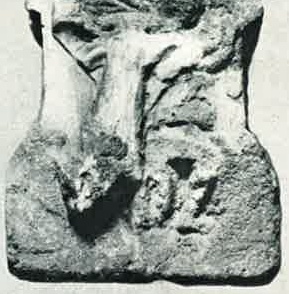
Small sandstone altar from Mithraeum I at Heddernheim, ancient Nida, bearing a snake and cult imagery consistent with Mithraic worship
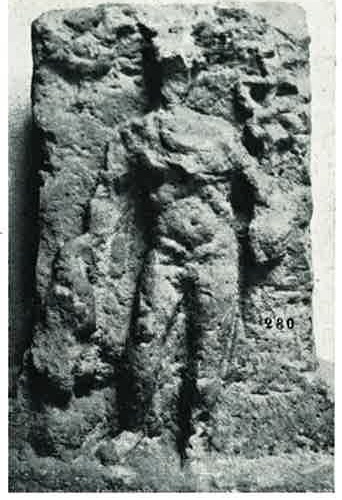
Weathered sandstone relief from Mithraeum I at Heddernheim, ancient Nida, showing a standing Mercury whose body is covered by a shoulder cape
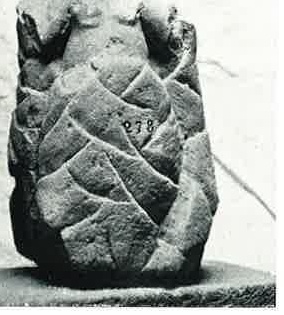
Red sandstone statue from Mithraeum I at Heddernheim, ancient Nida, depicting the young naked Mithras with curly hair being born from the rock
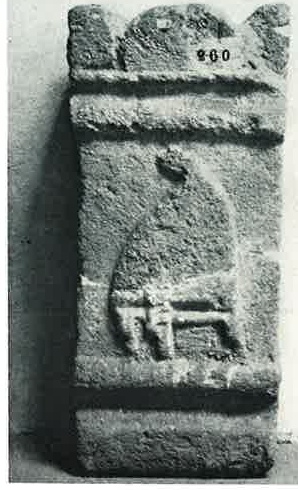
Sandstone altar from Mithraeum I at Heddernheim, ancient Nida, decorated on one side with the representation of a Phrygian cap
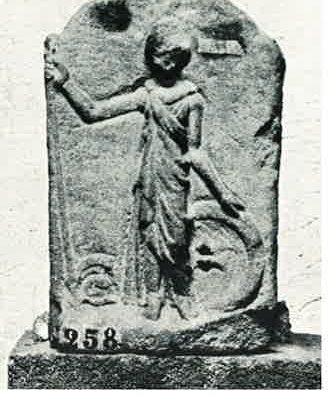
Sandstone relief from Mithraeum I at Heddernheim, ancient Nida, depicting a standing Minerva resting her left hand on a shield while holding a lance
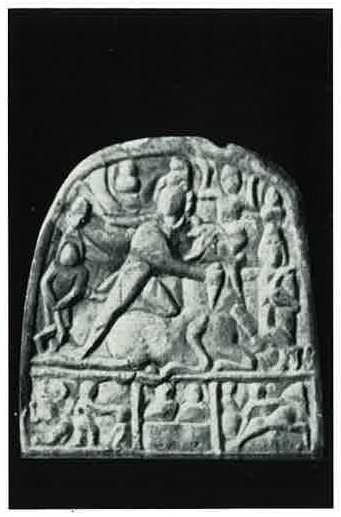
Small tauroctony relief in white marble, preserved in five fragments, from Mithraeum I at Heddernheim, ancient Nida
Miscellaneous cult objects from Ober-Florstadt including pottery, lamps, legionary stamps, coins, animal bones, and a bone flute fragment
Sacrificial knife, lamps, pottery, animal remains and inscribed terracotta fragments discovered inside the sanctuary.
Sandstone fragment of a Mercury statuette preserving part of the shoulder and caduceus.
Fragmentary inscribed altar dedicated to Mercury from the Saalburg sanctuary area.
Small inscribed plaque invoking Mithras and Mercury attached to a sandstone column inside the sanctuary.
Decorative bronze candlestick discovered near the entrance of the supposed Mithraic sanctuary.
Sandstone basin from the pronaos of the sanctuary originally mounted on a short column.
Cult statue base discovered with a hooked ritual sword in front of the sanctuary niche.
Elongated cult building near the Saalburg fort traditionally interpreted as a Mithraeum but later reconsidered as a possible funerary enclosure.
Assemblage of altars, lamps, coins and ritual objects discovered in the sanctuary.
Group of altars and a base indicating the existence of a Mithraeum near the Roman camp of Vetera.

Colonia Ulpia Traiana Augusta Dacica Sarmizegetusa was the capital and the largest city of Roman Dacia, later named Ulpia Traiana Sarmizegetusa after the former Dacian capital, located some 40 km away. The city was destroyed by the Goths.
