Your search Tal hal Hariri / Es-Sâlihiyeh / As Salhiyah gave 3734 results.

Des rituels mystérieux, une hiérarchie gradée au sein d’un culte énigmatique, une société considérée pendant longtemps comme secrète au sein de l’Empire Romain…
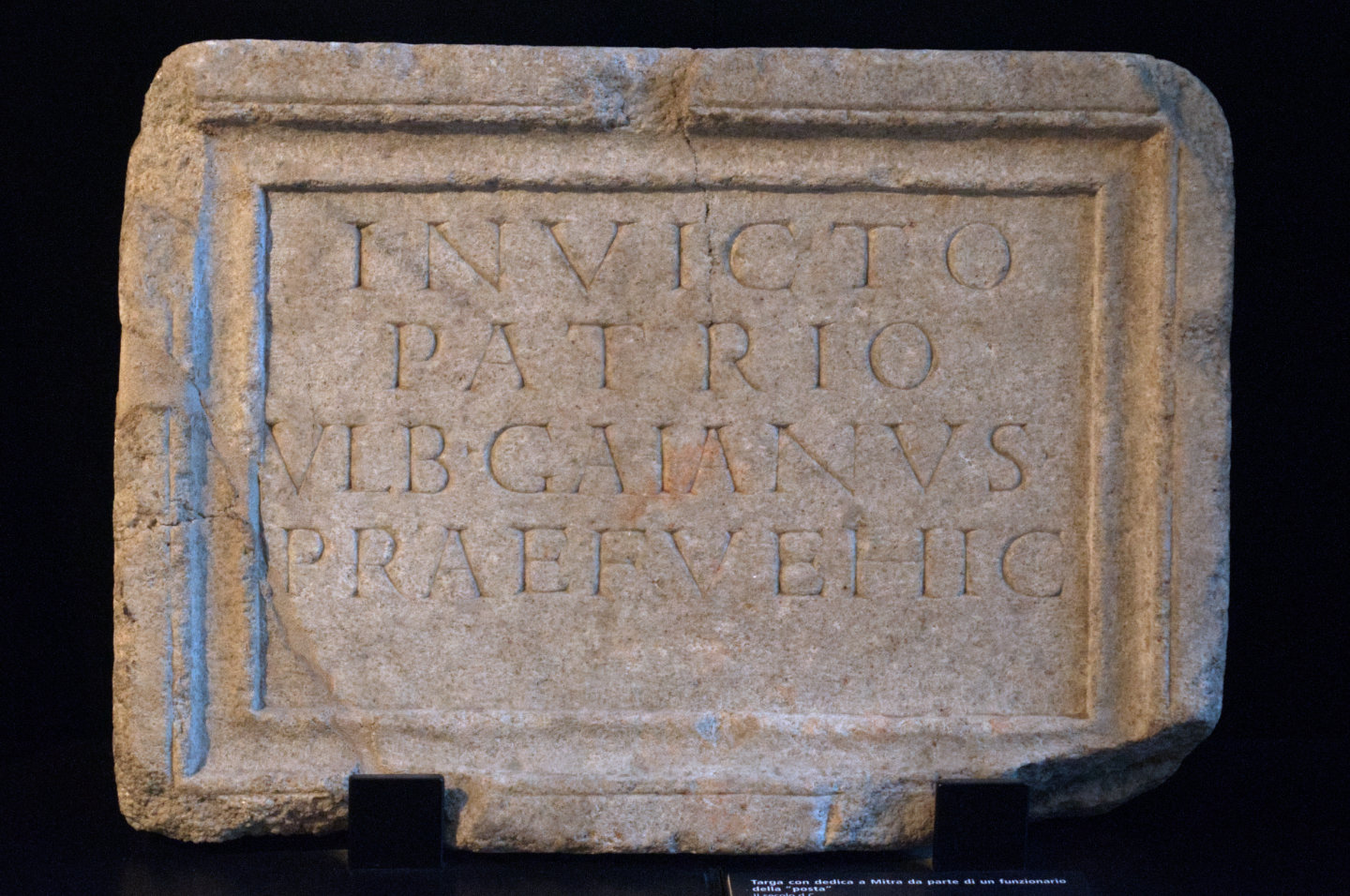
This monument dedicated to 'Invicto Patrio' was found in Milan in 1869.
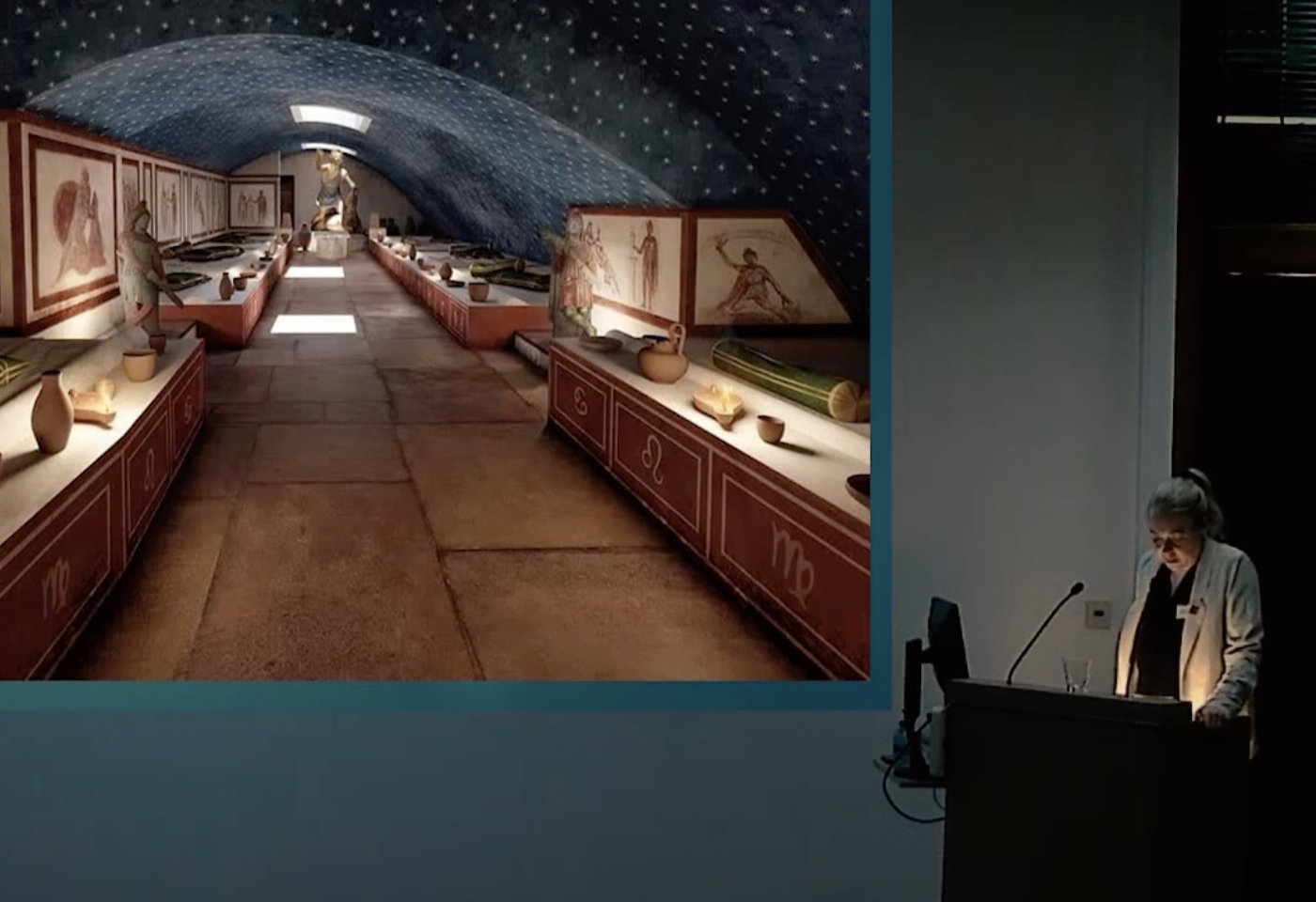
Intervention par Alexandra Dardenay, maître de conférences à l'Université de Toulouse/CNRS/IUF
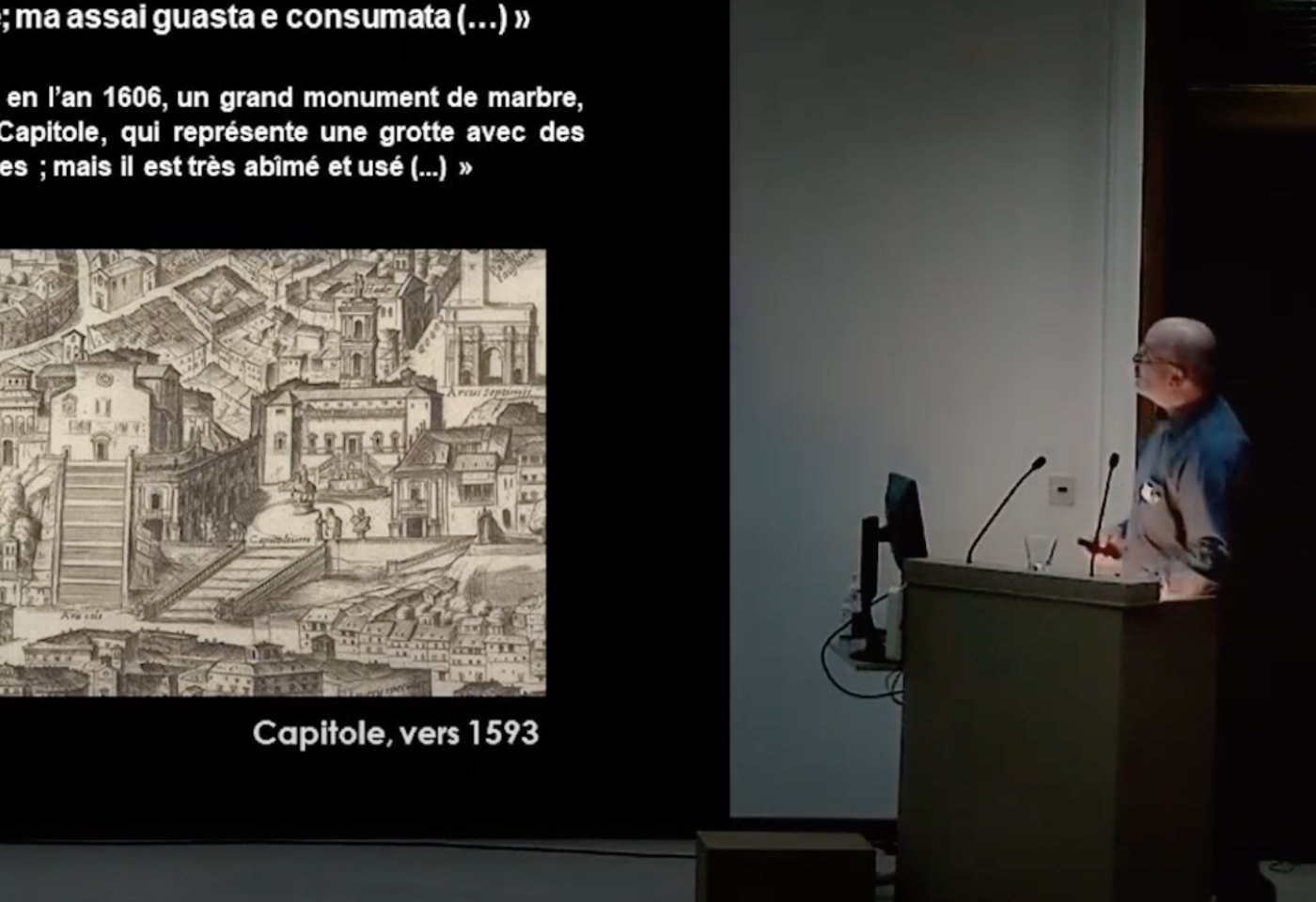
Intervention de Richard Veymiers, directeur du Musée royal de Mariemont et Laurent Bricault, de l'Université Toulouse Jean-Jaurès.

A bronze plaque records the existence of a mithraeum at Virunum that collapsed and was rebuilt by members of the community.

This altar, which has now disappeared, was dedicated by the slave Quintio for the health of a certain Coutius Lupus.
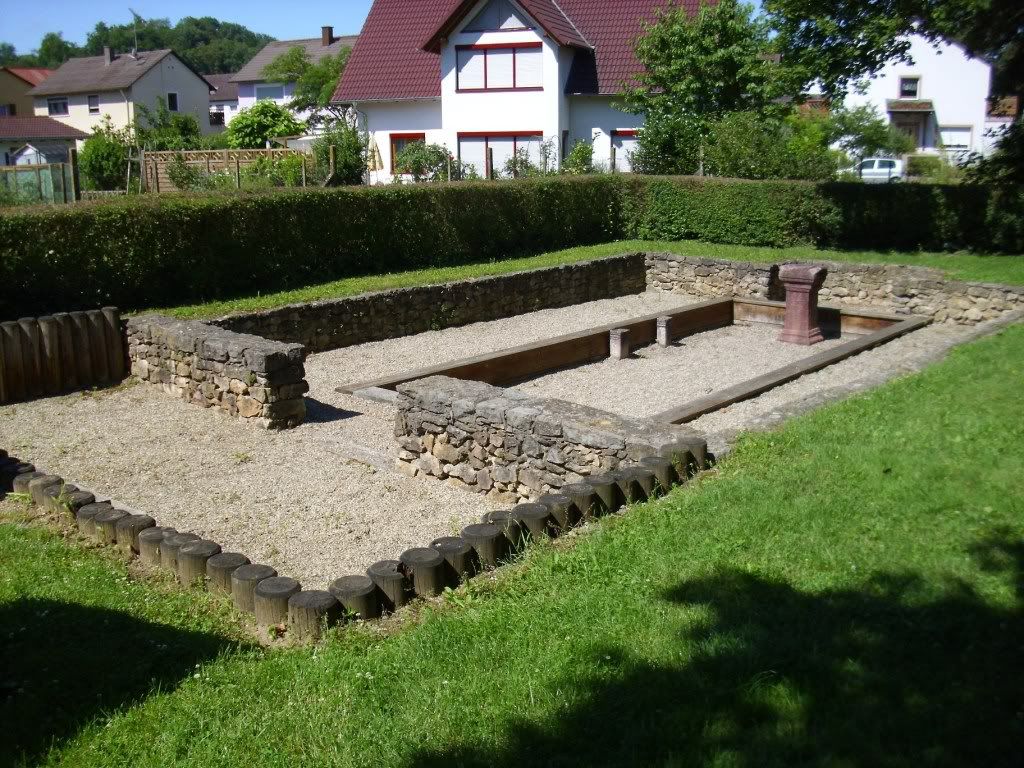
A votive altar referring to the cult of Mithras was found more than forty years before the site was excavated and the Mithraeum discovered.
The Mithraeum of Pamphylia was cut back into the rock to form a cave, with a separate relief of Mithras killing the bull.
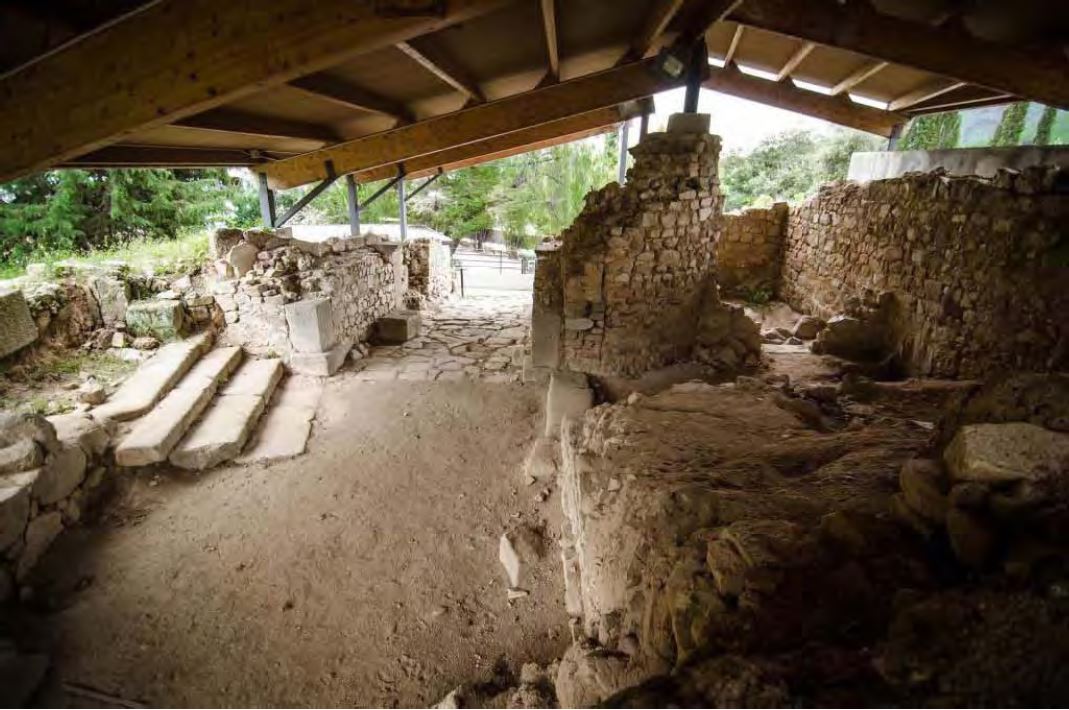
The Roman villa of Can Molodell had a sanctuary that has been related to the cult of Mithras.
This inscription by Luccius Crispus was found near the entrance of the Mithraeum at Pamphylia.
On this slab, Gaius Iulius Propinquos indicates that he made a wall of the Mithraeum at his own expense.
The Kempraten Mithraeum was unexpectedly discovered during the 2015 excavations near the vicus.
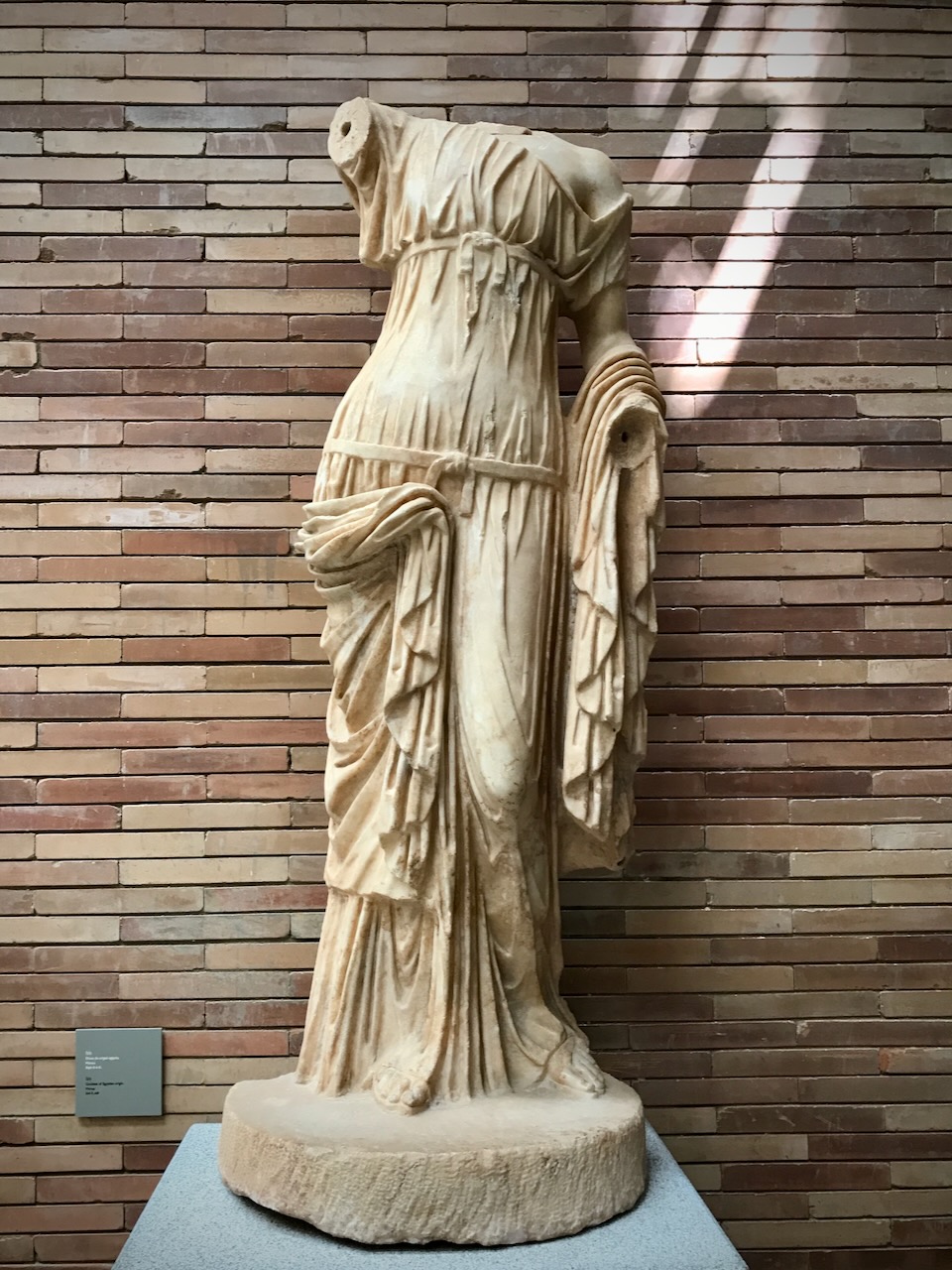
The Isis of Merida is covered by a long dress that reaches down to her feet.
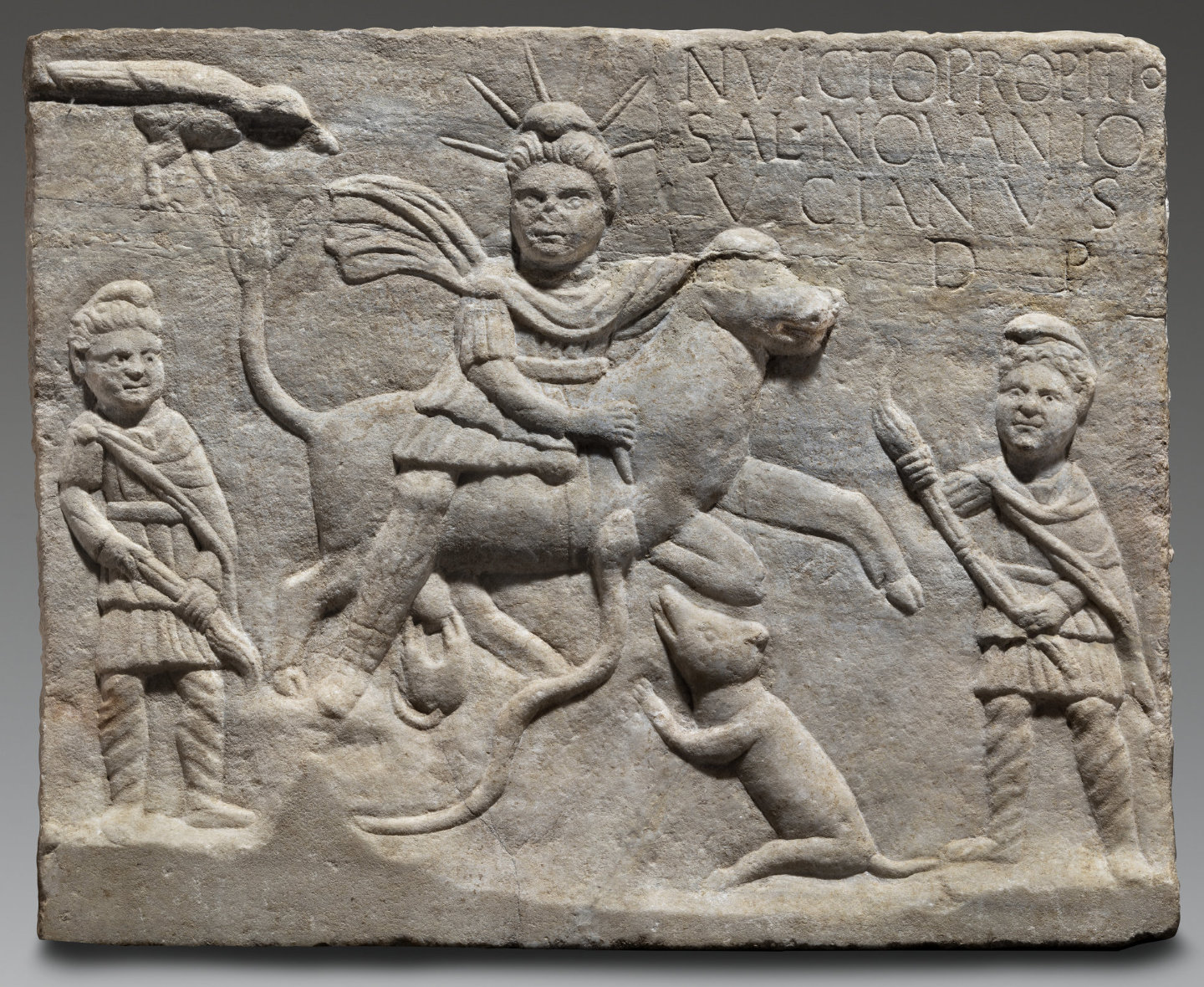
The Macerata Tauroctony shows Mithra slaying the bull with the usual Pyrigian cap and six rays around his head.
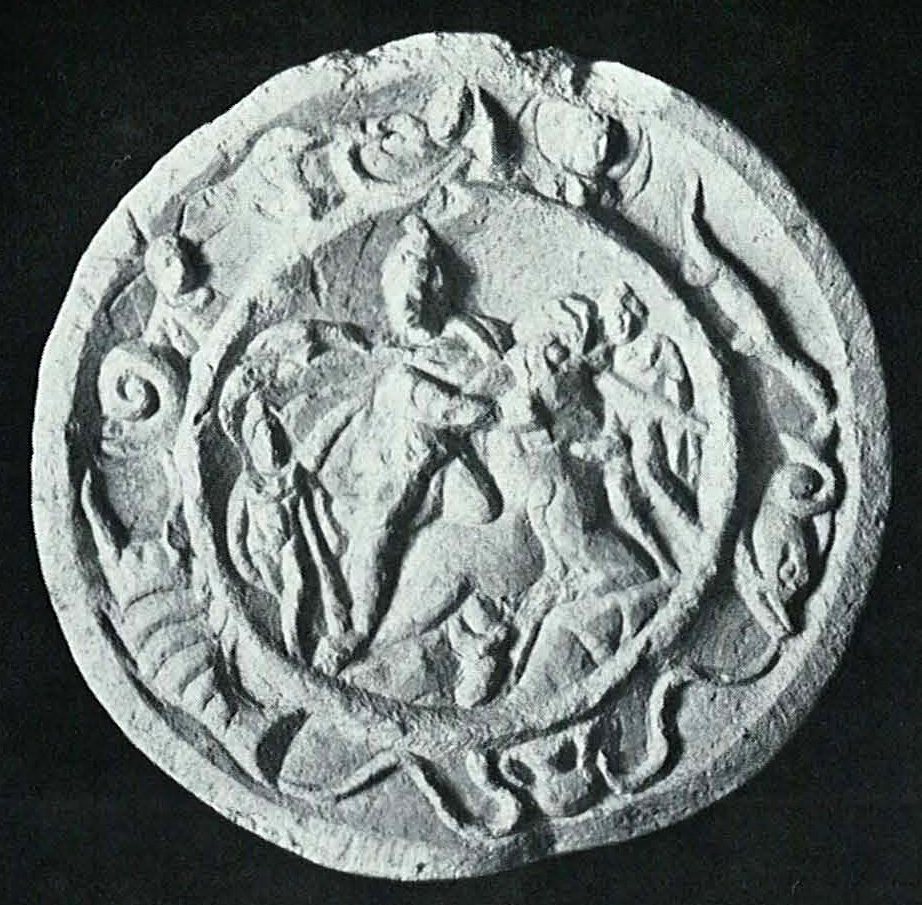
The round relief of Mithras killing the bull of Split is surrounded by a circle with Sun, Moon, Saturn and some unusual animals.
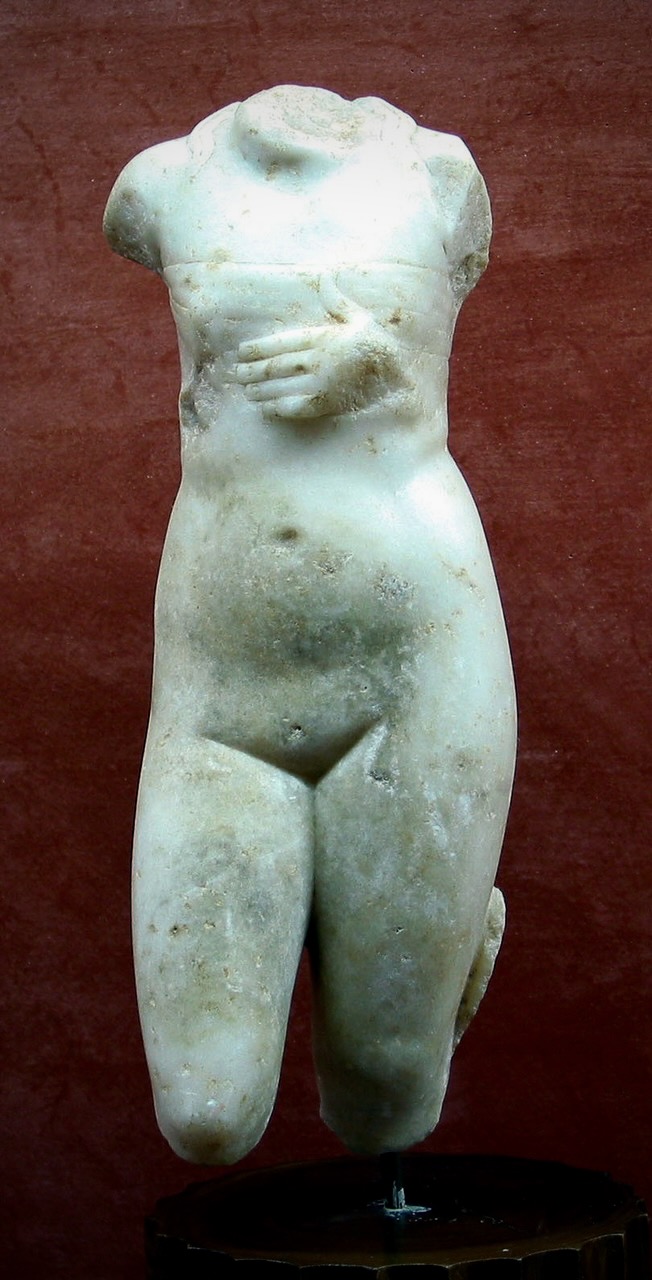
The lack of attributes and its decontextualisation prevent us from attributing a specific Mithraic attribution to this small Venus pudica from Mérida.
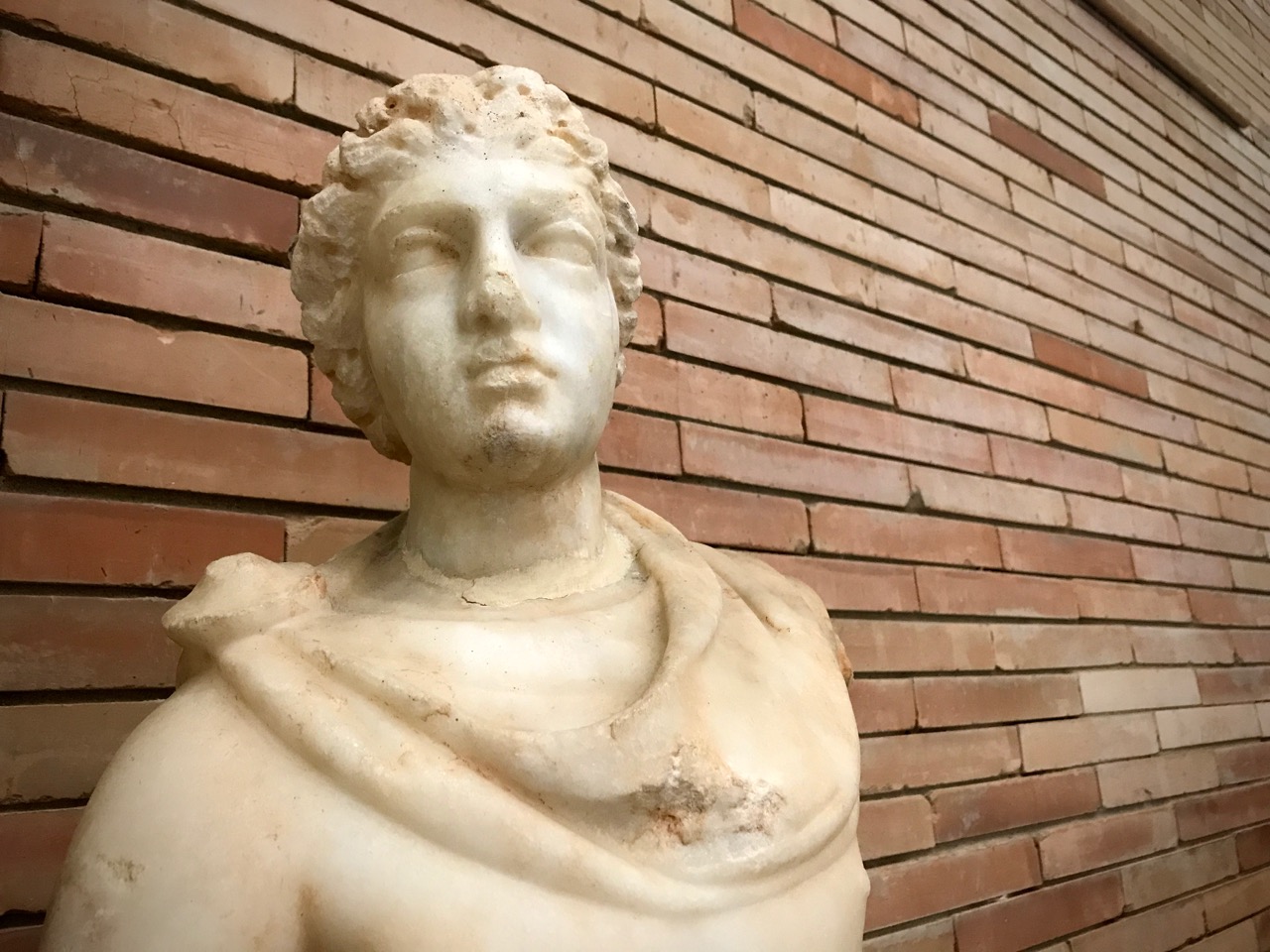
The Mithras temple of Prilep is in a small grotto under the castle of Markovi-Kuli.
A possible Mithraeum II was found in Bingen, but the few remains are not sufficient to prove it.
The Mithraeum of Slaveni was discovered in 1837 on the right bank of the river Olt, in Romanati district.
