This site uses cookies to offer you a better browsing experience.
Find out more on how we use cookies in our privacy policy.

 
Support The New Mithraeum The New Mithraeum is an independent, non-profit project dedicated to Mithraic studies, ancient religions and classical culture. Developed and maintained independently since 2007, the site exists without advertising, paywalls or institutional funding. If you have found value in its articles, interviews, photographs or database, please consider supporting the project with a contribution. Every contribution helps keep The New Mithraeum open, free and alive. Thank you.
Support us →
Monumentum

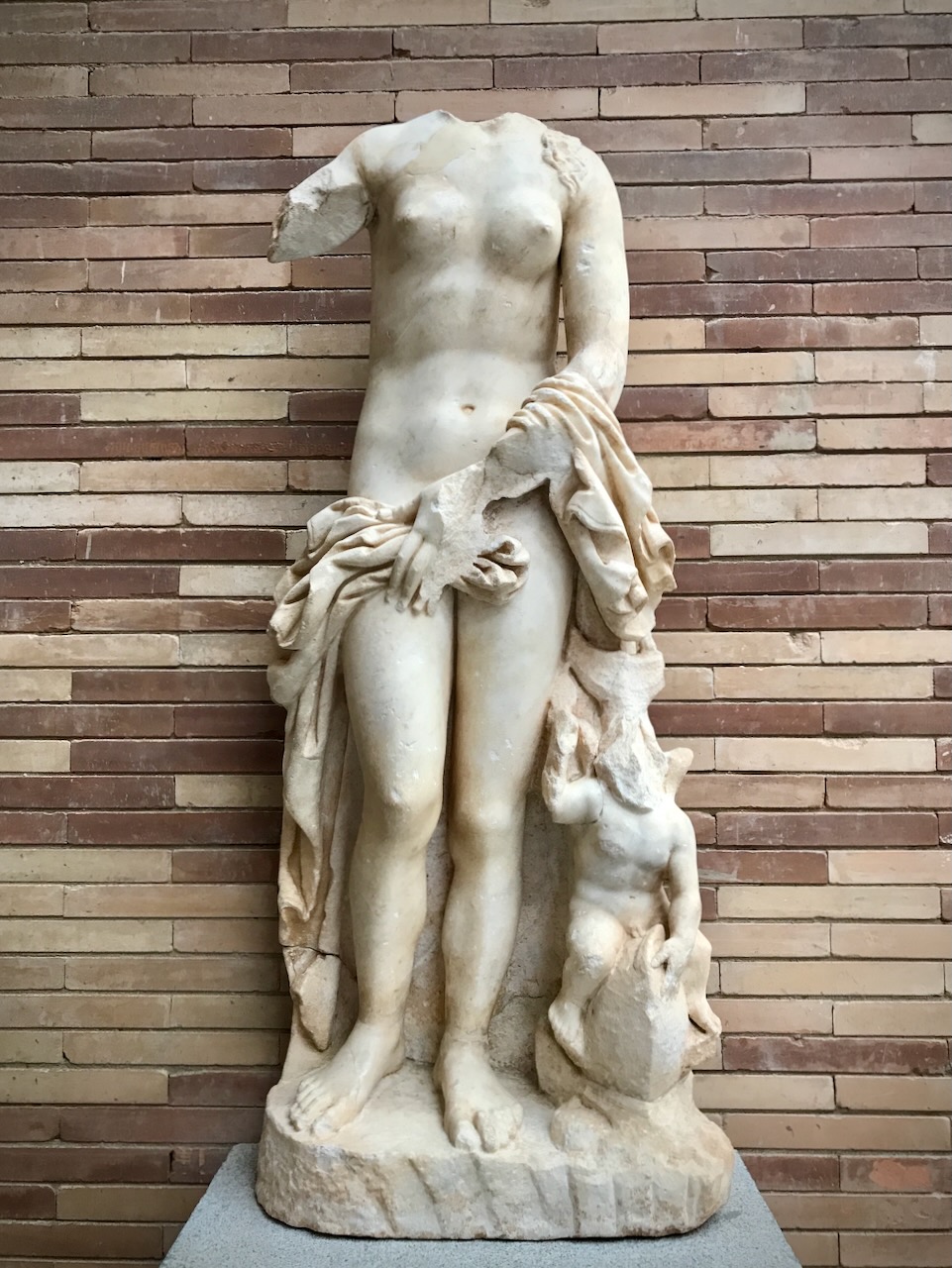
Venus of Mérida small sculpture

The lack of attributes and its decontextualisation prevent us from attributing a specific Mithraic attribution to this small Venus pudica from Mérida.
Small Venus from MéridaMuseo Nacional de Arte Romano
 
The New Mithraeum
23 Jan 2022

TNMM 429 ↔ CIMRM 785

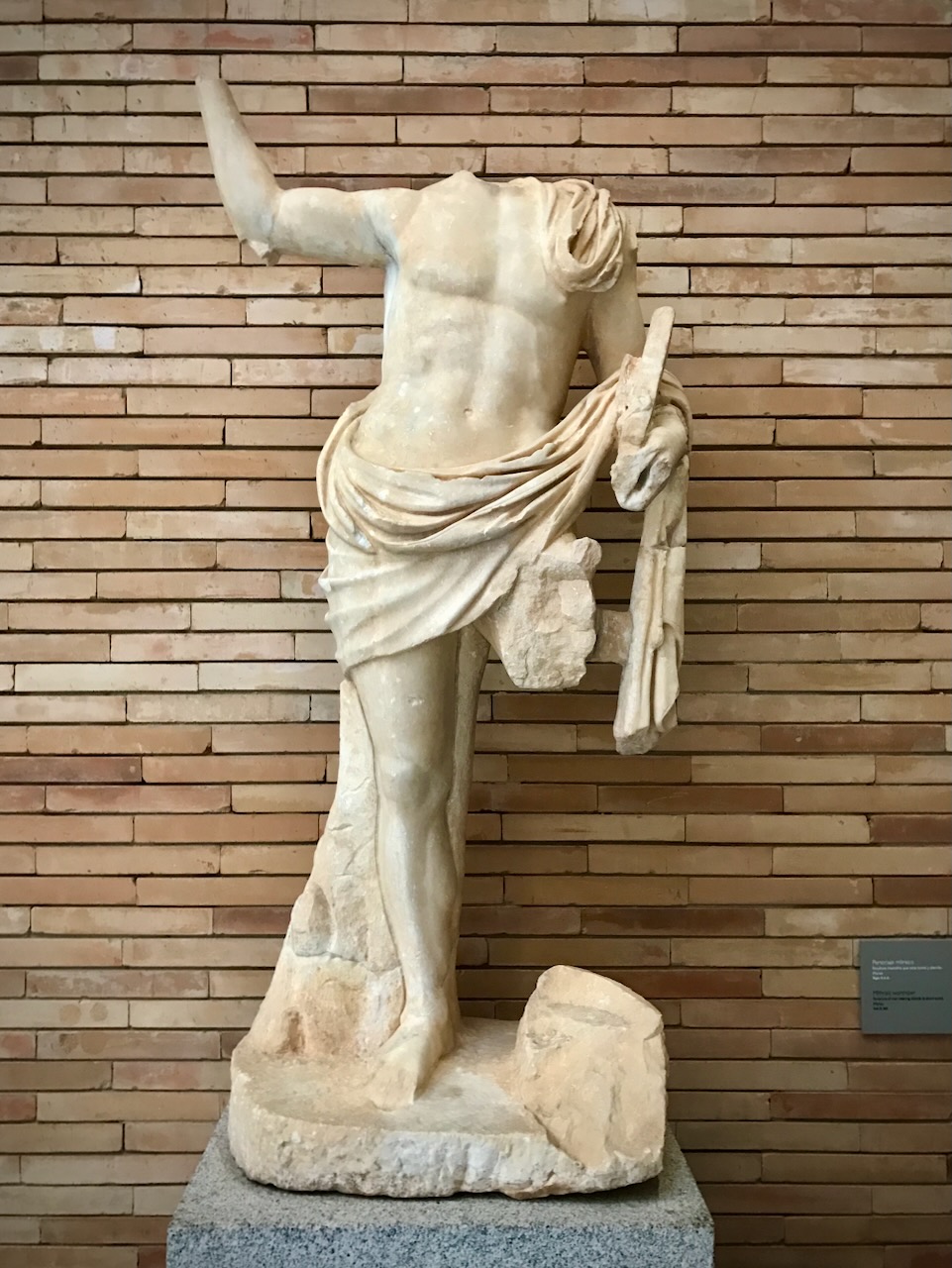
Standing, naked Venus, covering her breasts with a piece of cloth. Heads, arms and legs have got lost. According to Paris, the statuette seems to have been damaged by fire.

———

Estatua de pequeño tamaño de mujer desnuda, muy mutilada. Se conserva el torso y las piernas hasta la altura de las rodillas. Le falta la cabeza, los brazos y la mitad inferior de las piernas. Quedan restos del cabello que cae suelto sobre los hombros. El pubis no está cubierto. Es posible que el escultor haya escogido el momento en el que la diosa se ciñe al pecho la faja (fascia), por lo que se aprecia la mano, sin antebrazo, sujetándola. La talla es de buena calidad y parece seguir modelos alejandrinos, en los que las escenas de tocador son habituales. En la pierna izquierda quedan restos de un soporte o figura adicional. El mármol presenta marcas de fuego. Aparecida en el Cerro de San Albín.

———

La falta de atributos y su descontextualización no permiten atribuirle una adscripción mitraica necesariamente. Podría haberla tenido, ya que, como he adelantado en la pieza anterior, Venus es el planeta vinculado al grado nymphus y está documentada en algún mitreo, como en Sidón, Ostia o Roma (Vermaseren, CIMRM, I, nº 86, 320B, 442, 488). Romero Mayorga acepta la pertenencia de las dos Venus al repertorio iconográfico del mitreo e incluso aventura que las divinidades femeninas serían ofrendas de mujeres, como si los hombres veneraran dioses y las mujeres diosas, una dicotomía insostenible en el politeísmo clásico. Esta razón puede verse reforzada por el conjunto de restos mitraicos junto al que apareció, pero cabría la posibilidad de que procediera de algún otro santuario por lo que se debe mantener la cautela acerca de su significado religioso.

Al margen de estas Venus, cuya vinculación con el mitreo es dudosa, hay otras estatuas procedentes del Cerro que no guardan relación ni con el mitraísmo, ni con los cultos isíacos, por lo que cabe suponer que quizá fueran traídas al menos de un tercer santuario, lo que reaviva la idea de una posible responsabilidad de los cristianos en la necesidad de crear ese escondrijo. La pieza que se describe a continuación contribuye al fortalecimiento de esa hipótesis dado el grado de destrucción que presenta.

References

Paris in RA XXIV, 1914, 13 No. 14; Melida in BAH 1914,455 No. 14 andPI. IX; Cat. Badaioz, No. 1091.

Related monuments

Cerro de San Albín

Although the site at Cerro de San Albín is not a Mithraeum, archaeologists have found several monuments related to the cult of Mithras.

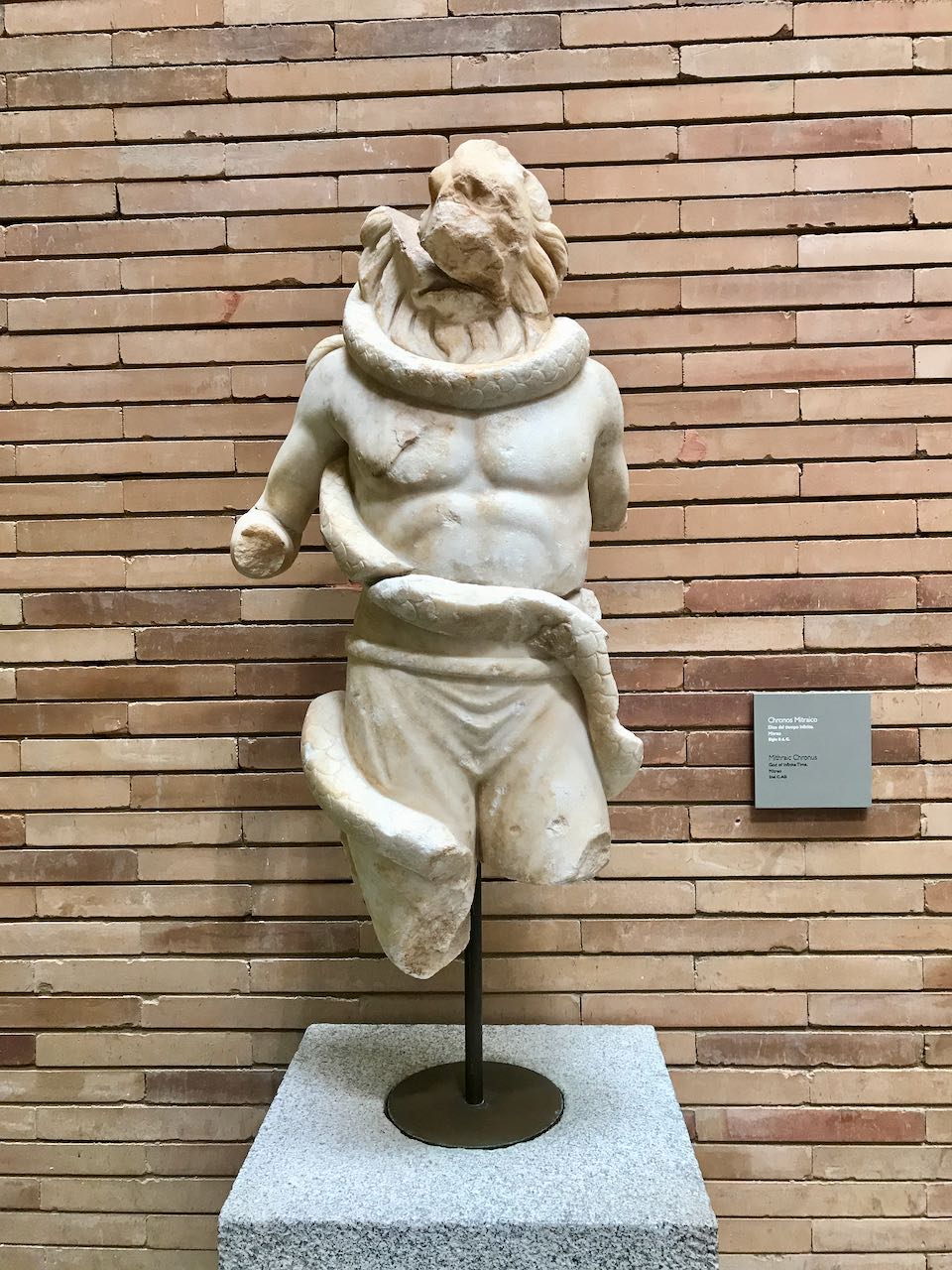
Aion of Mérida

The Aion-Chronos of Mérida was found near the bullring of the current city, once capital of the Roman province Hispania Ulterior.

Lion-headed figure of Mérida

The lion-headed figure, Aion, from Mérida, wears oriental knickers fastened at the waist by a cinch strap.

Cautopates from Casa del Mitreo of Mérida

The sculpture of the solar god is signed by its author, Demetrios.


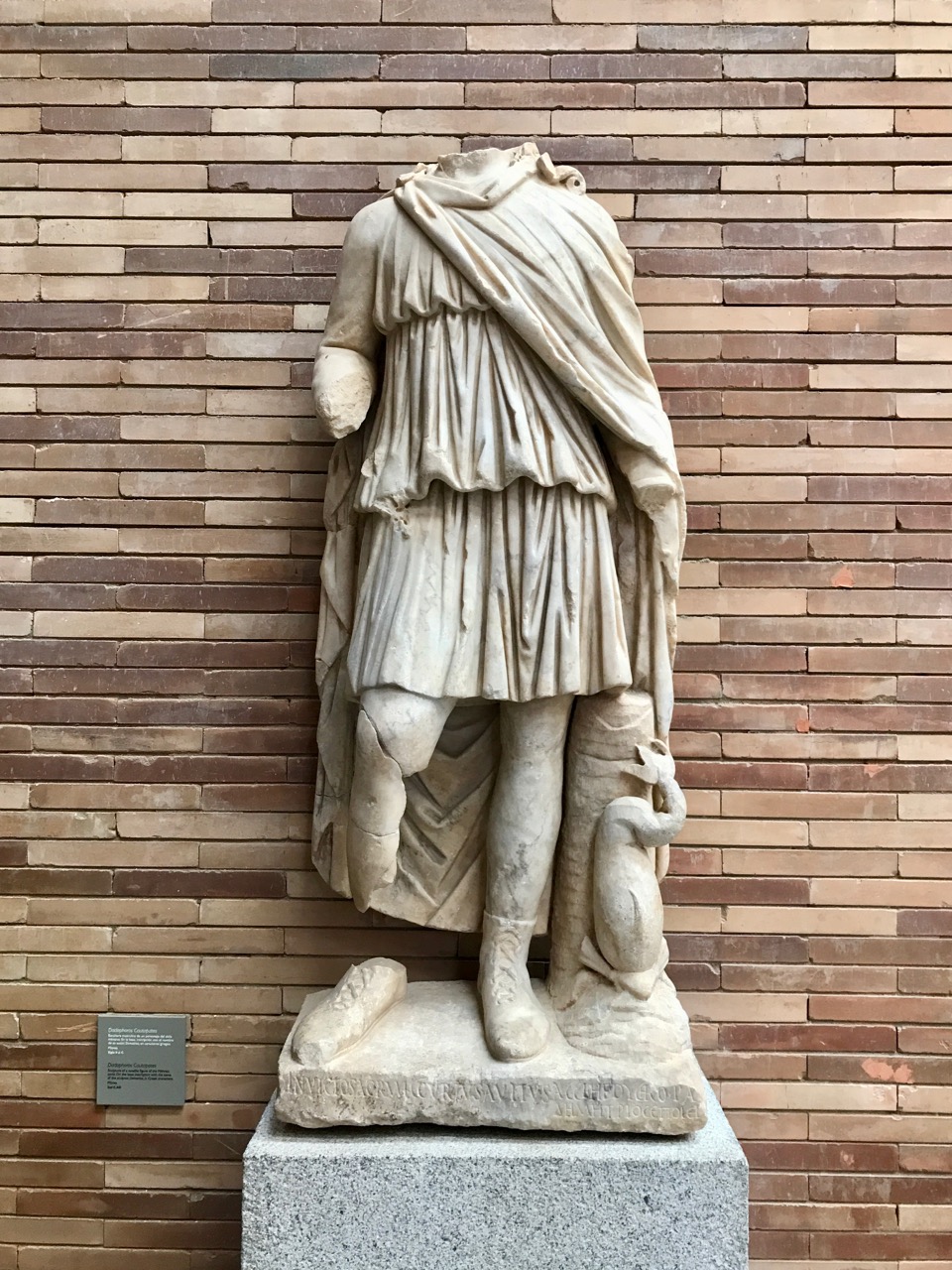
Naked figure from Mérida

This sculpture may be a naked dadophorus, probably Cautopates.

Feast from Mérida

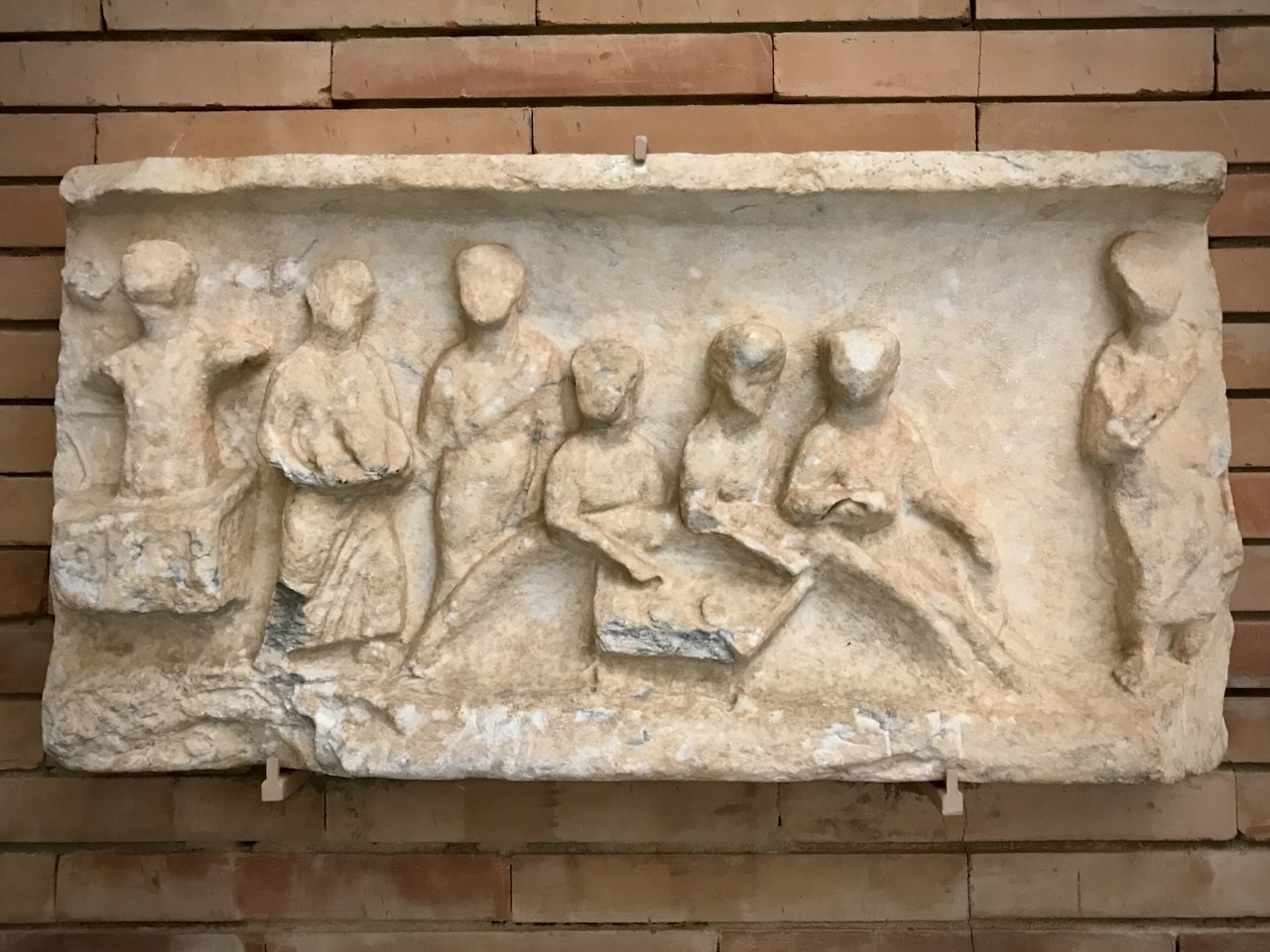
This scene of a feast from Mérida shows three persons at a table with other people standing beside them, one holding a bull’s head on a plate.

Altar of Merida consecrated by Marcus Valerius Secundus

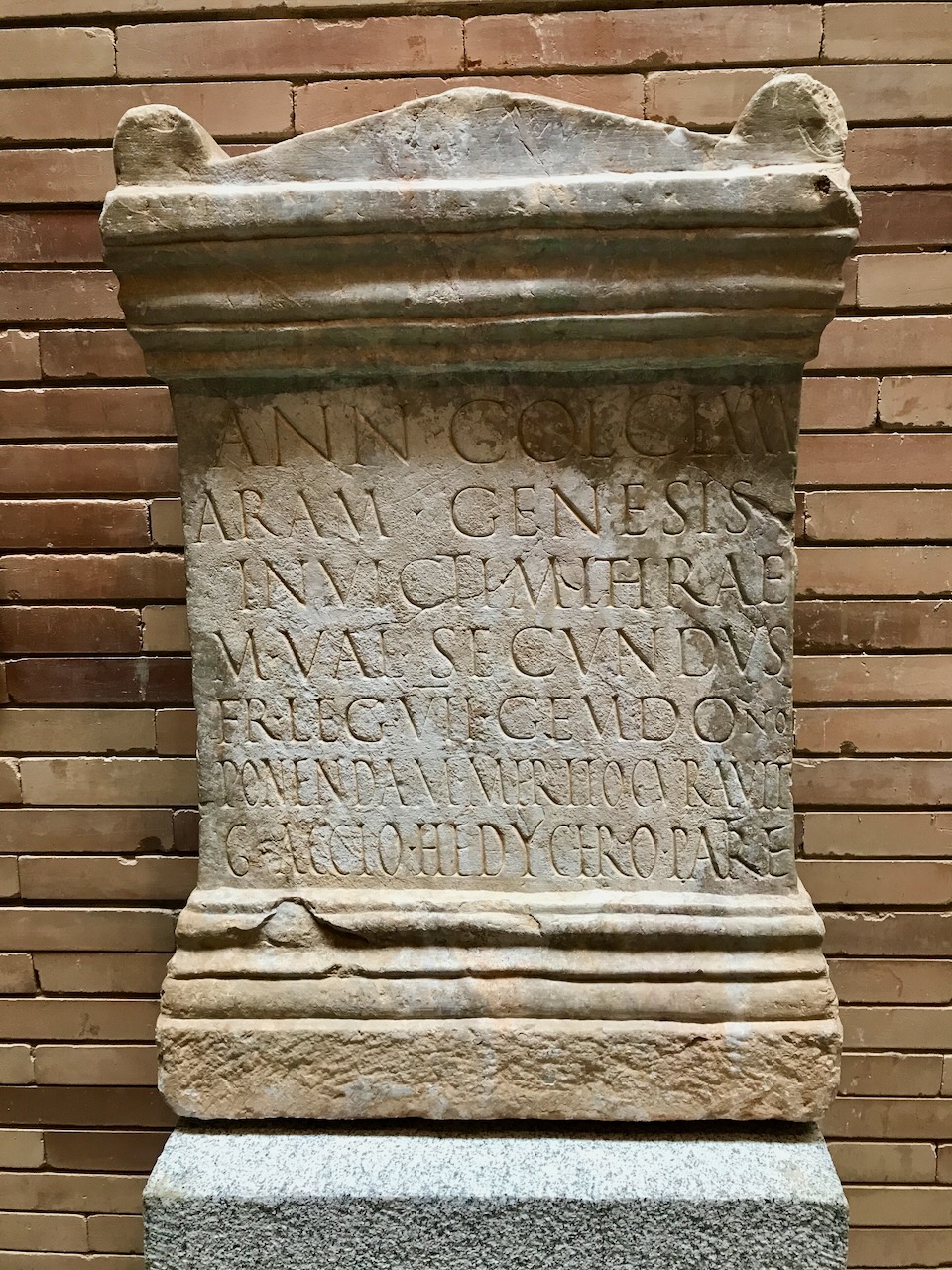
This altar is dedicated to the birth of Mithras by a frumentarius of the Legio VII Geminae.

Mercury of Mérida

The statue of Mercury in Merida bears a dedication from the Roman Pater of a community in the city in 155.


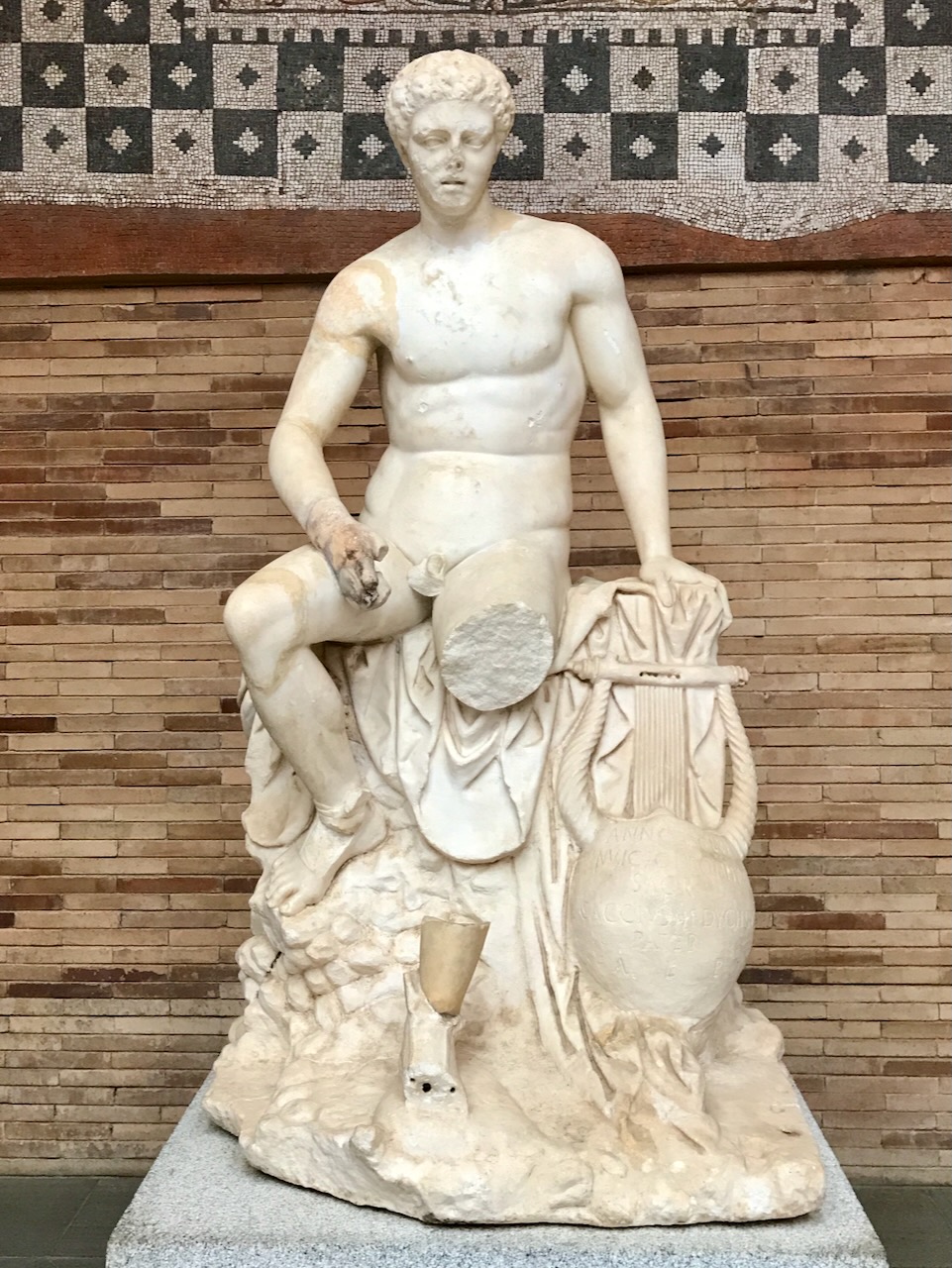
Cautes from Mérida

This nude male figure, found at Cerro de San Albín, Mérida, has been identified as Cautes.

Venus pudica of Mérida

The Venus pudica of Merida stands next to the young Amor riding a dolplhin.

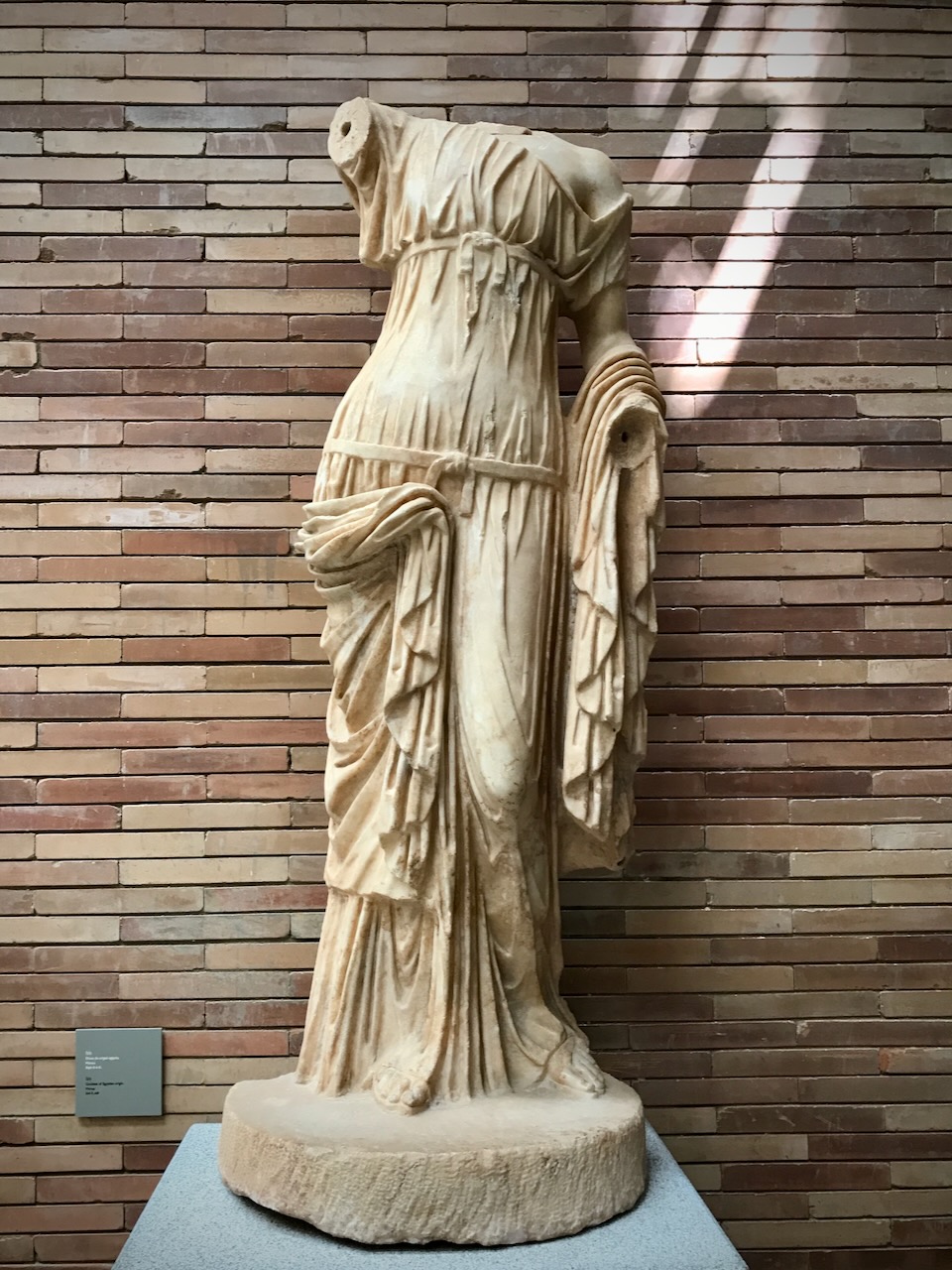
Isis de Mérida

The Isis of Merida is covered by a long dress that reaches down to her feet.

Aesculapius of Merida

This standing sculptural figure from Mérida appears to carry the serpent staff, characteristic of the medicine god Aesculapius.


Altar by Caius Aemilius Superaius of Merida

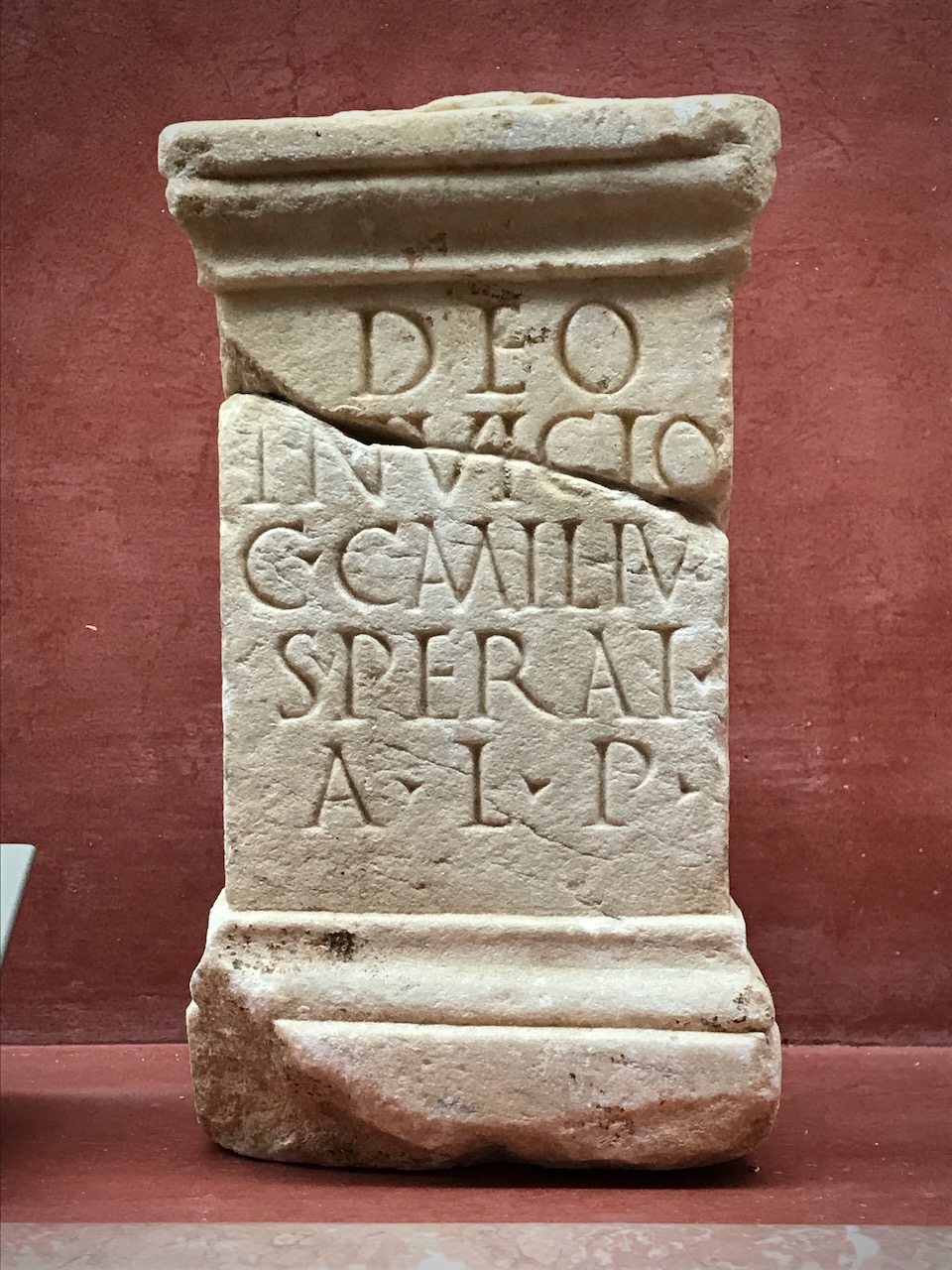
Small white marble altar made in honour of Mithras found at San Albín, Mérida.

Altar of Gaius Iulius from Mérida

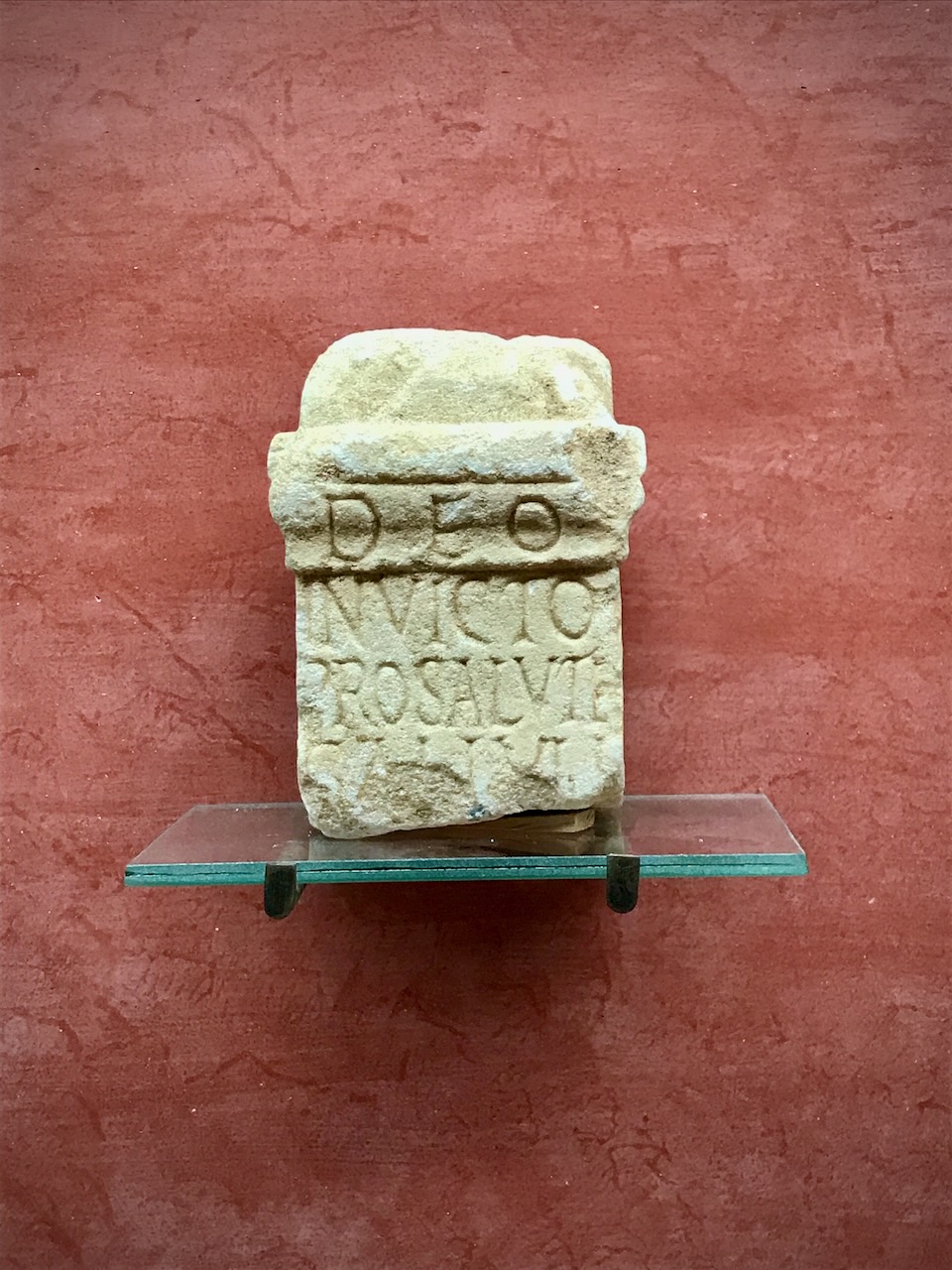
The small Mithraic altar found at Cerro de San Albin, Merida, bears an inscription to the health of a certain Caius Iulius.

Oceaunus of Mérida

The sculpture of Oceanus in Merida bears an inscription by the Pater Patrorum Gaius Accius Hedychrus.

Serapis head from Mérida

This head of Serapis from Cerro de San Albín may be unrelated to Mithras worship.


Altar of Mérida from Quintio

This altar, which has now disappeared, was dedicated by the slave Quintio for the health of a certain Coutius Lupus.

Tauroctony from the Gran Mitreo de Mérida

These fragments of a monumental tauroctony found in the Cerro de San Albín must have decorated the Gran Mitreo de Mérida, which has not yet been found.

 
Back to Top