Your search Tal hal Hariri / Es-Sâlihiyeh / As Salhiyah gave 3730 results.
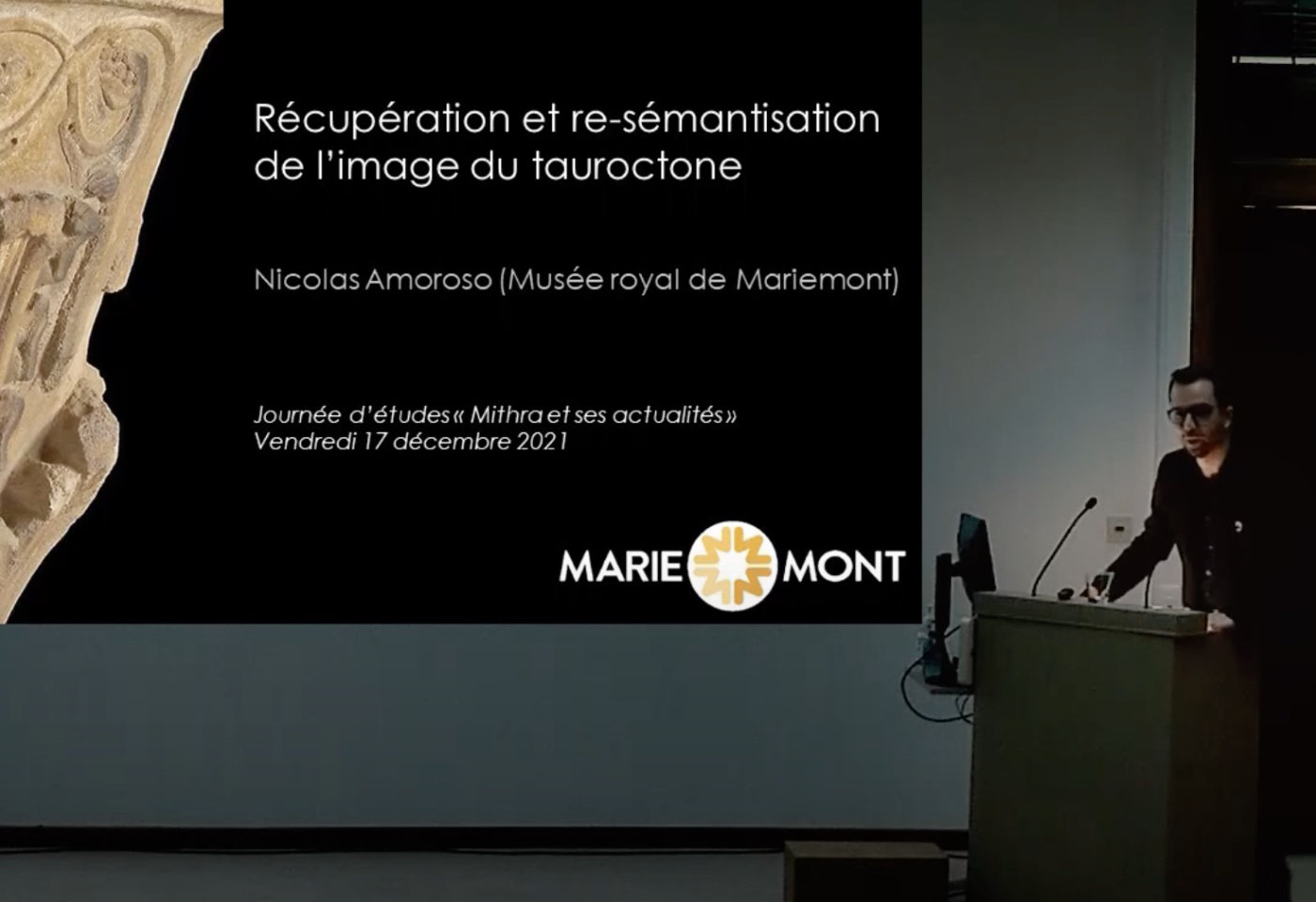
Intervention de Nicolas Amoroso, commissaire de l’exposition Le Mystère Mithra.

Mithra et ses actualités - Journée d'études (17 décembre 2021) au Musée royal de Mariemont.
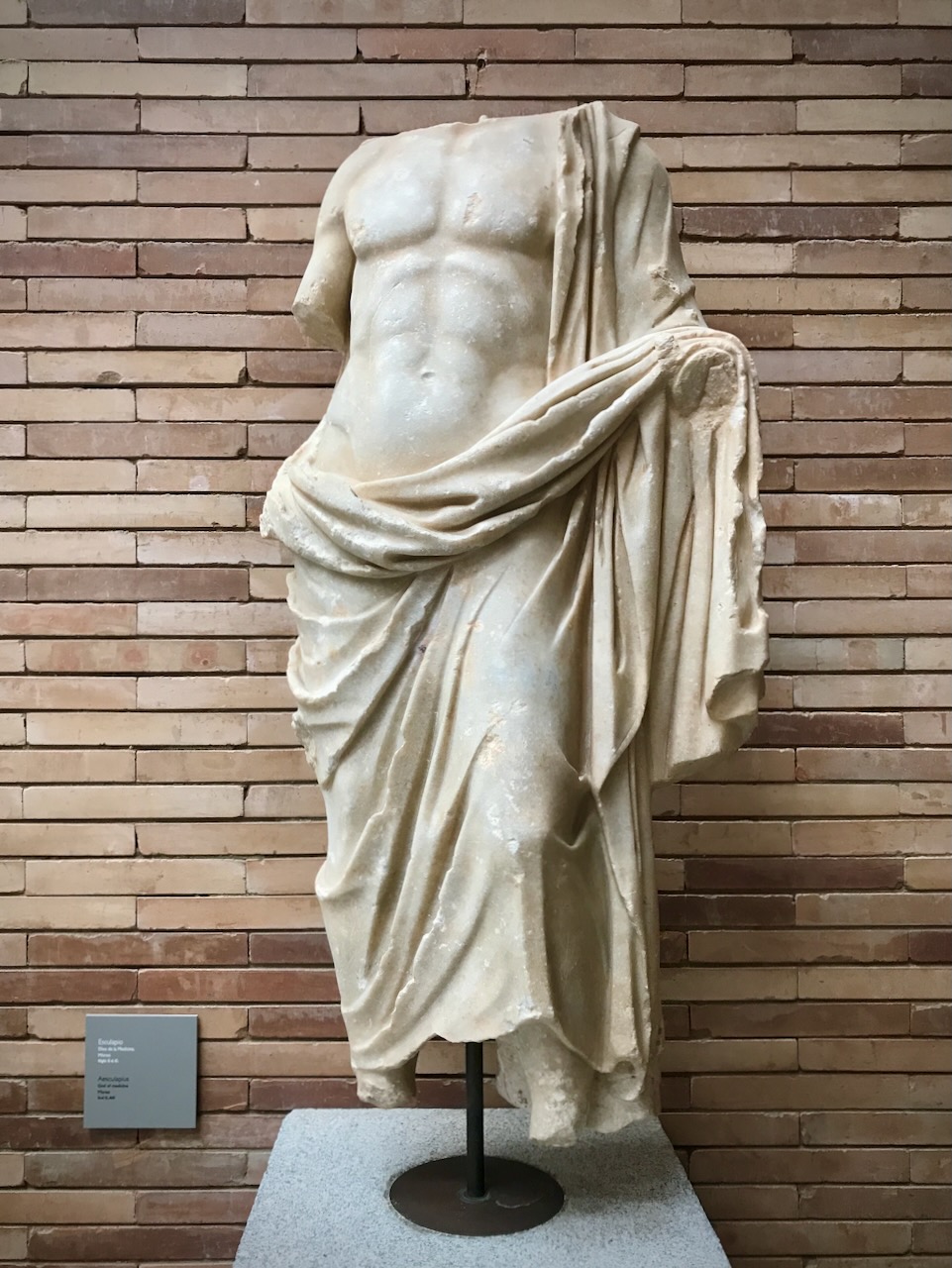
This standing sculptural figure from Mérida appears to carry the serpent staff, characteristic of the medicine god Aesculapius.
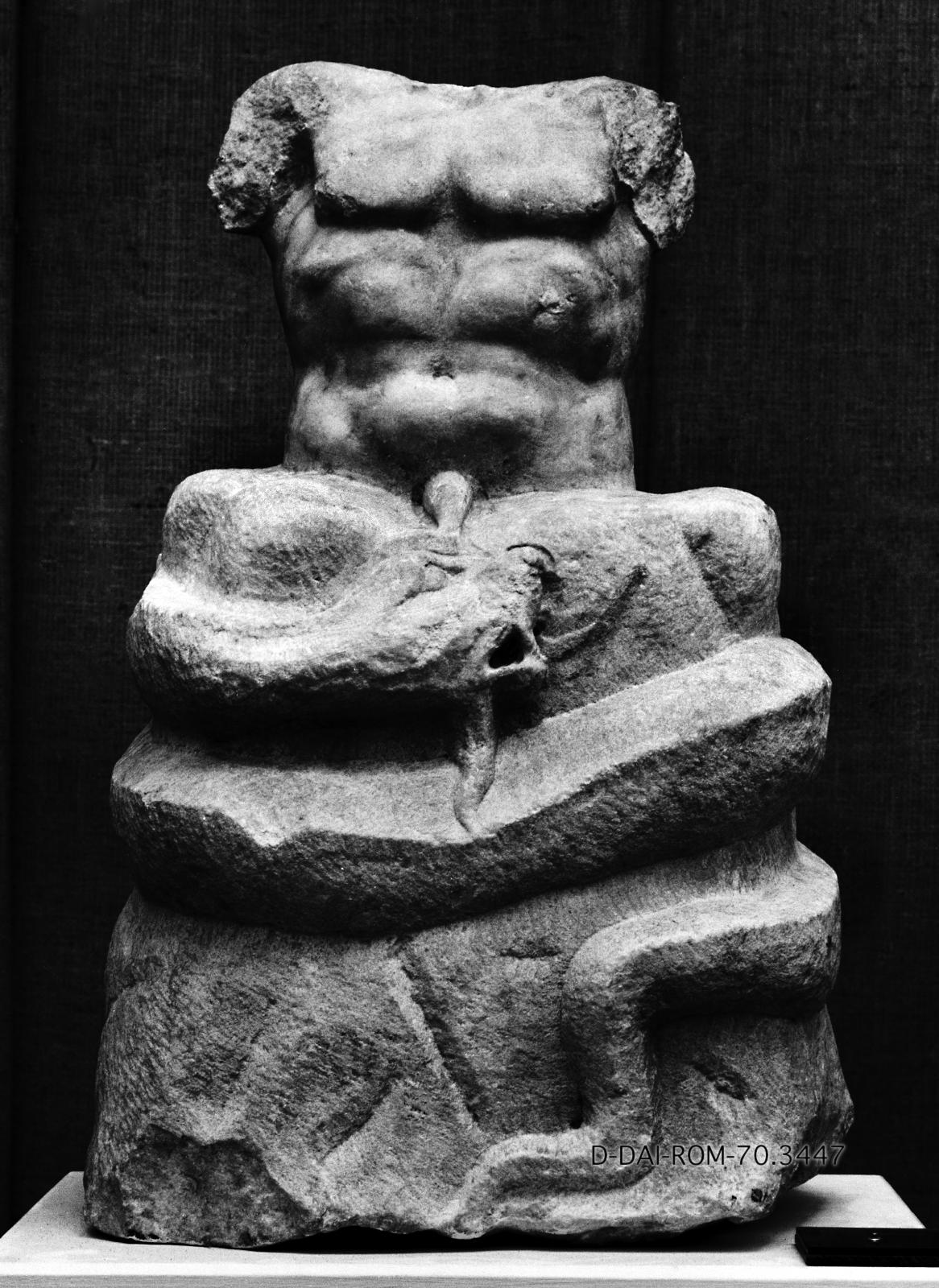
Mithras born from the rock with a snake raising in coils around it.
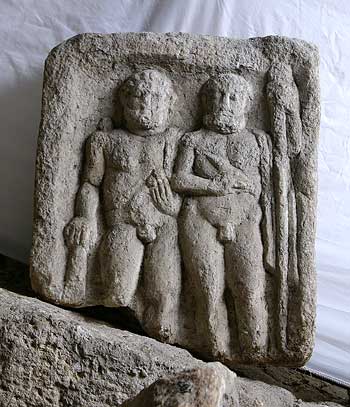
This marble relief was found in a Mithraeum in Ptuj.
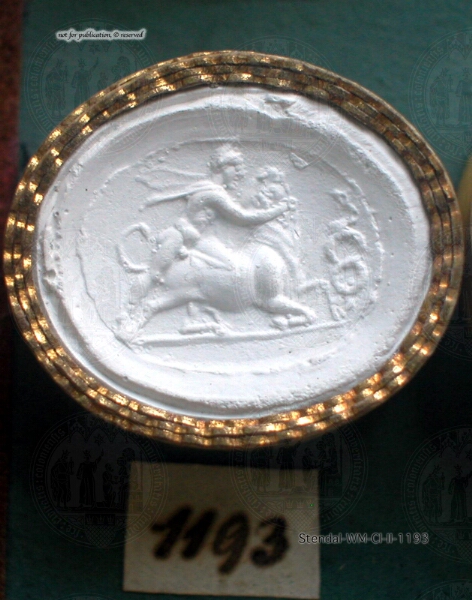
Imprint on glass of a Tauroctony exposed at Winckelmann Museum.

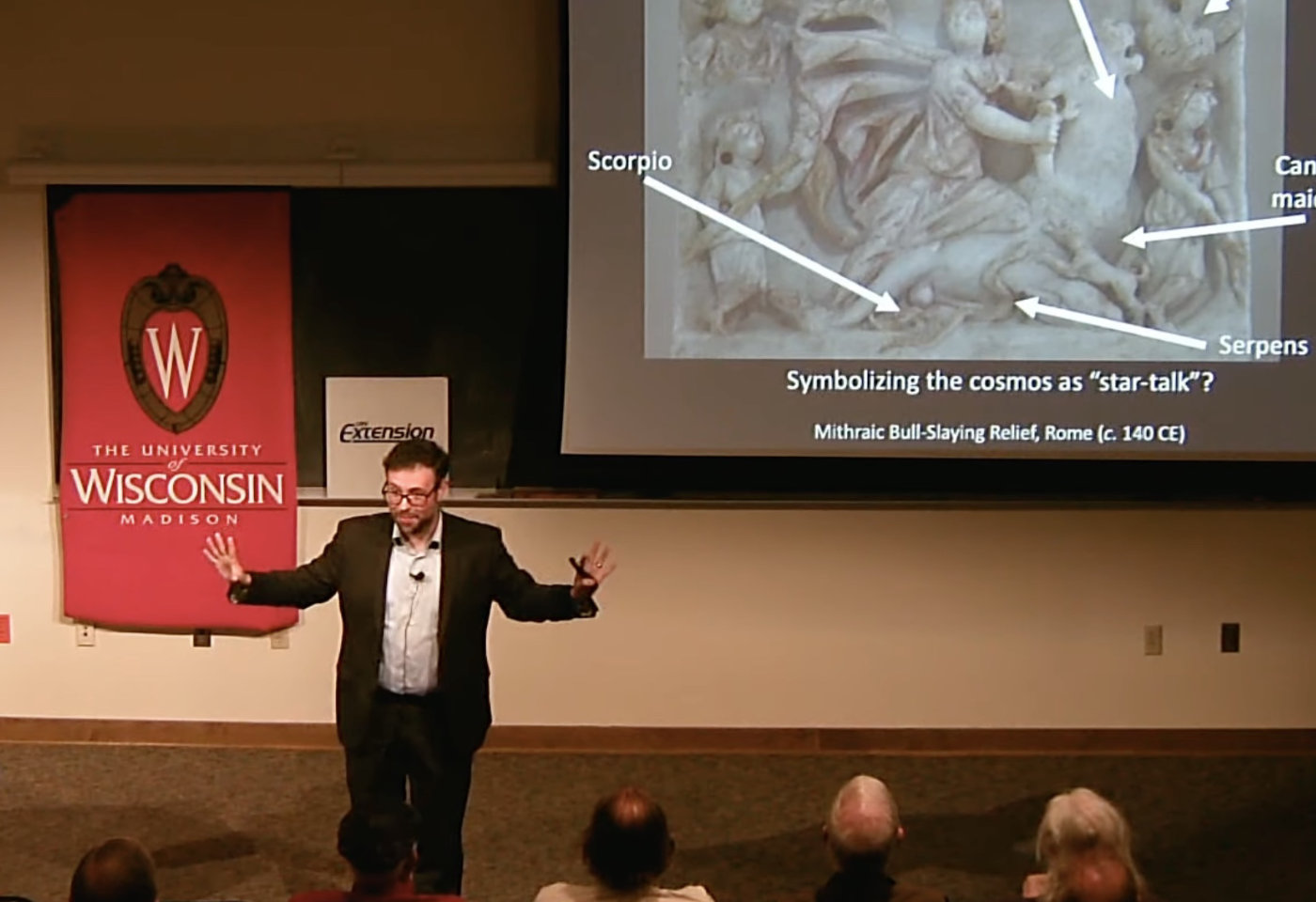
Our modern understanding of Mithraism, though, depends largely on a few short (and very problematic) literary mentions, mostly written by the cult’s Christian rivals.
Between the 1st and 4th centuries, Mithraism developed throughout the Roman world. Much material exists, but textual evidence is scarce. The only ancient work that fills this gap is Porphyry’s intense and complex essay.
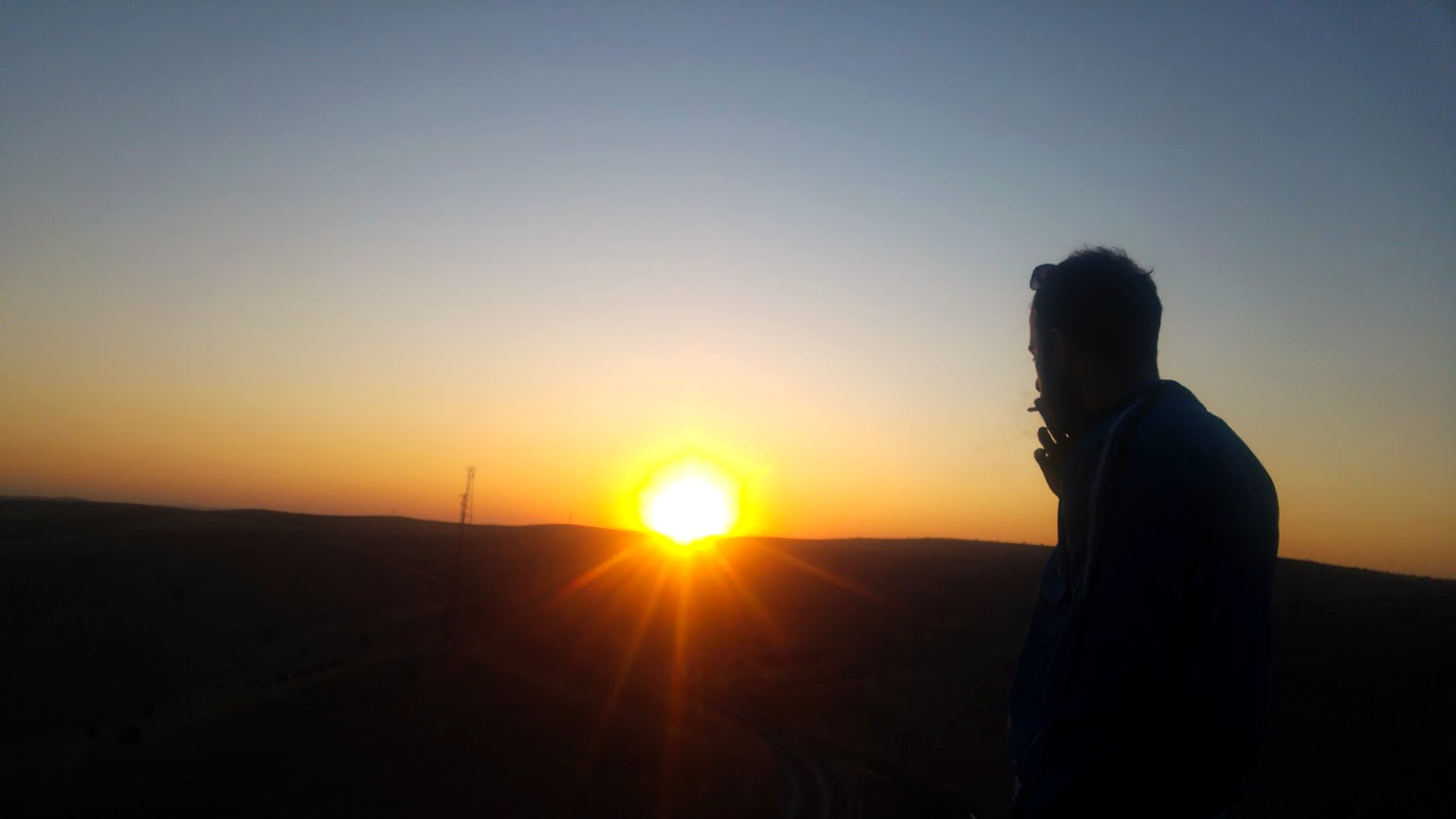
The Temple of Mithras, inside an ancient military settlement, is situated on the eastern border of the Roman Empire.
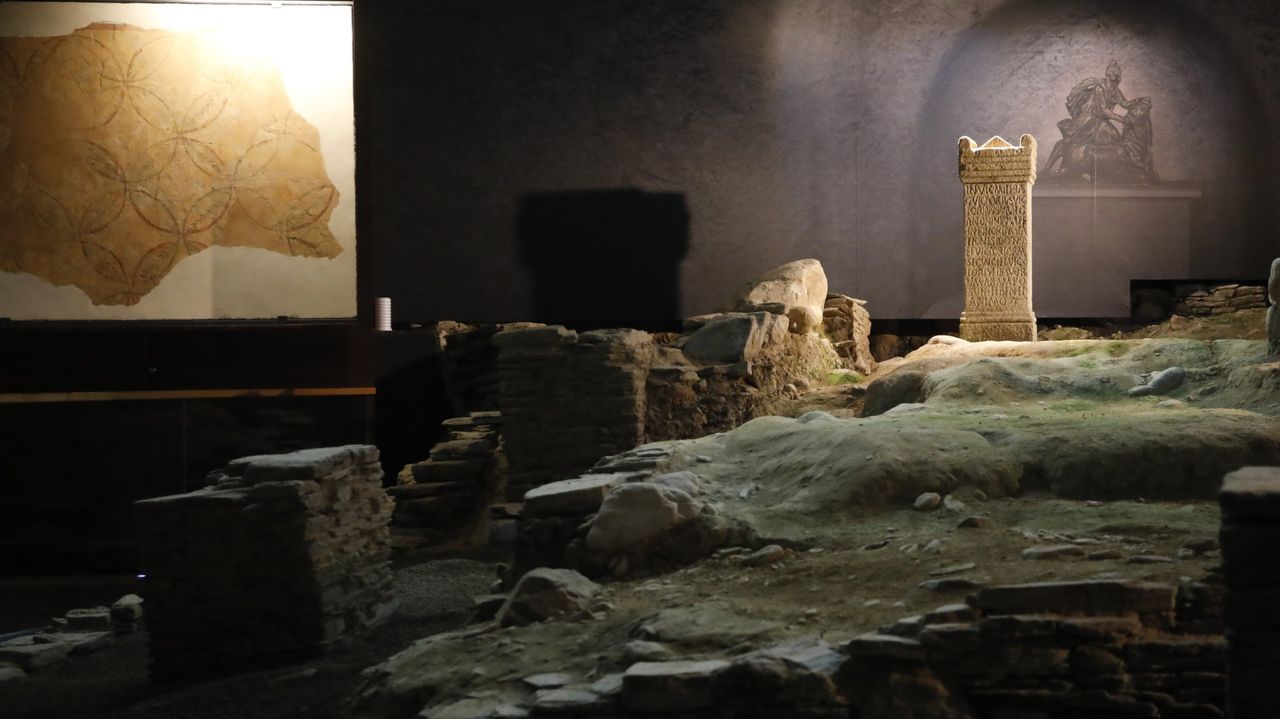
La Domus de Mitreo y el Centro Arqueolóxico de San Roque muestran otra cara del viejo Lugo

HBO Max's sci-fi series Raised By Wolves features a religious faction that references Sol and the Mithraic Mysteries. Here are the real-world Roman concepts the show borrowed from.
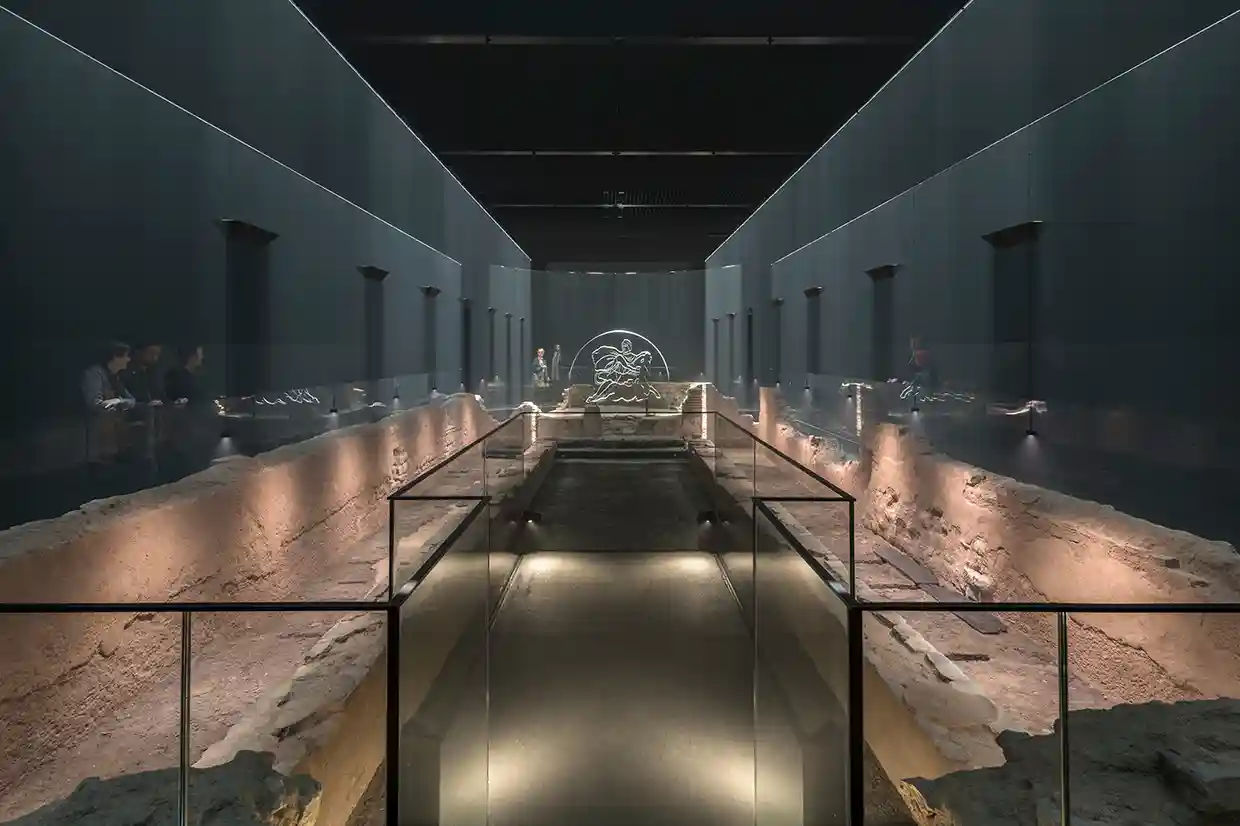
Visitors to new museum will uncover mystery cult of Mithras the bull slayer in multi-sensory experience.
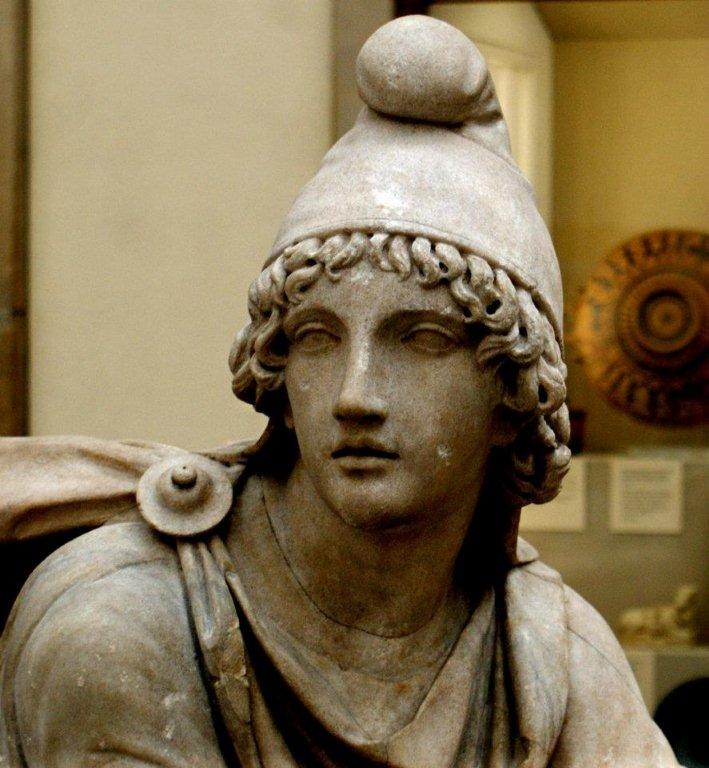

Scholar, astrologer, imperial administrator and trusted adviser to the emperors Claudius, Nero and Vespasian.

Small marble relief from the Aventine showing a primitive representation of Mithras slaying the bull, without torchbearers or Sol and Luna.
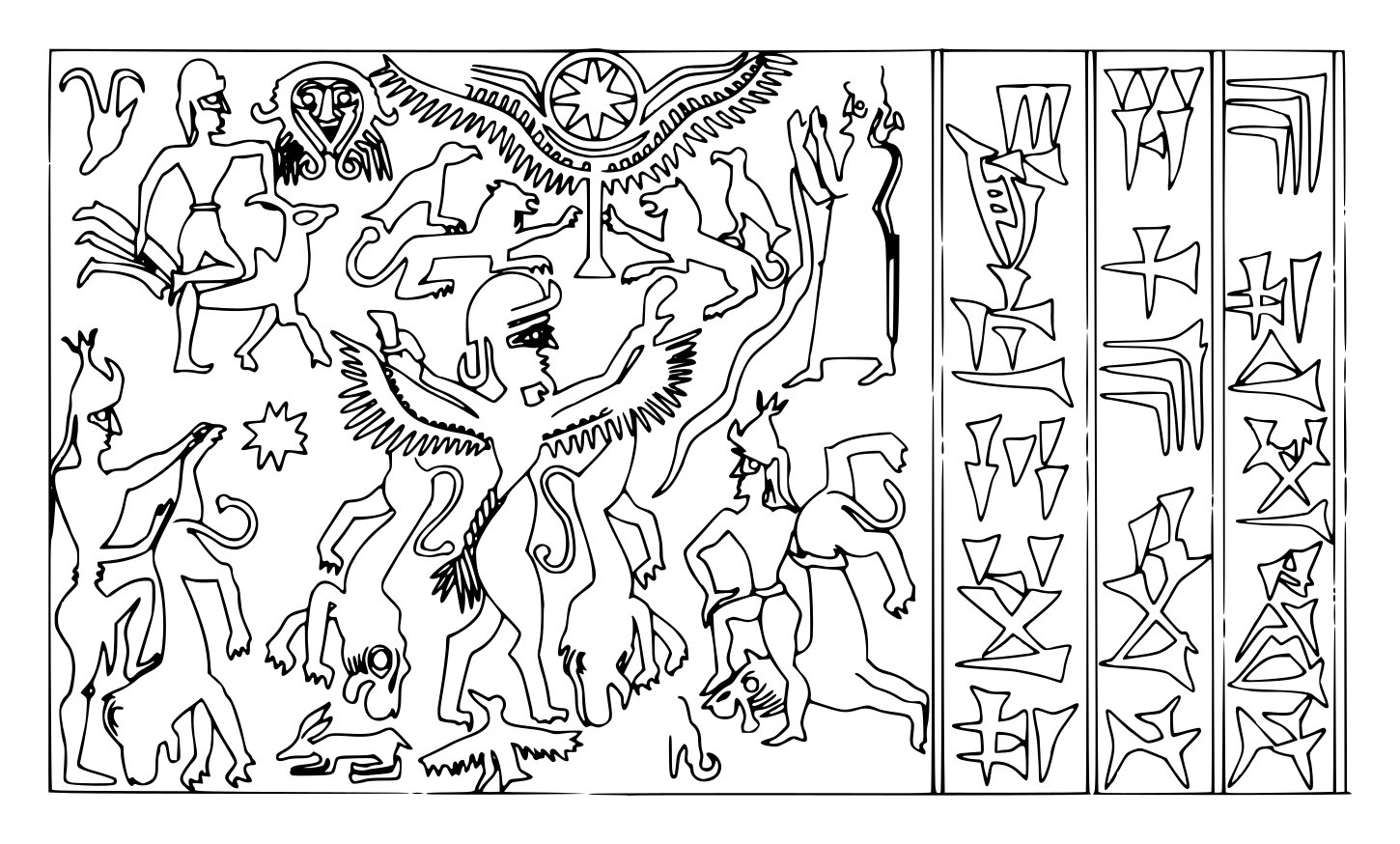
Royal Mitannian seal featuring a winged solar emblem and heroic combat scenes from the cultural milieu in which the earliest attestation of Mitra is found.

A comprehensive reassessment of the introduction, development and early decline of Mithraism in Roman Hispania, combining socio-historical analysis with the most complete catalogue of Hispanic Mithraic evidence currently available.

A Mithraic worshipper whose dedication to Cautes preserves a distinctive epigraphic tradition associated with the coastal communities of north-eastern Hispania.
