Your search Tal hal Hariri / Es-Sâlihiyeh / As Salhiyah gave 3725 results.

Inscription from Civitas Montanensium, Moesia Superior, dedicated to Deo sancto invicto by Lucaius ex voto.
White marble tauroctony relief from Golema Kutlovica, ancient Civitas Montanensium in Moesia Superior, depicting the standard bull-slaying scene.
Fragment of a white marble statue of Mithras tauroktonos with dog, serpent and scorpion, upper body and right leg missing, found at Praeneste (modern Palestrina).
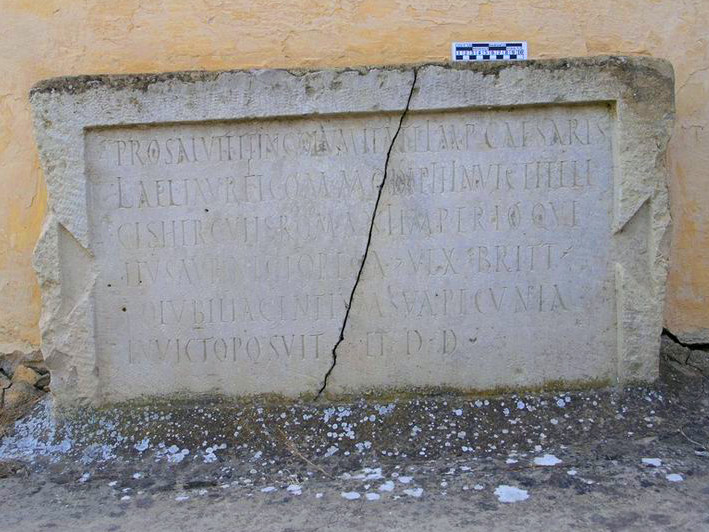
One of the two inscriptions by Aurelius Nectoreca, a follower of Mithras, found in Meknès, Morocco.
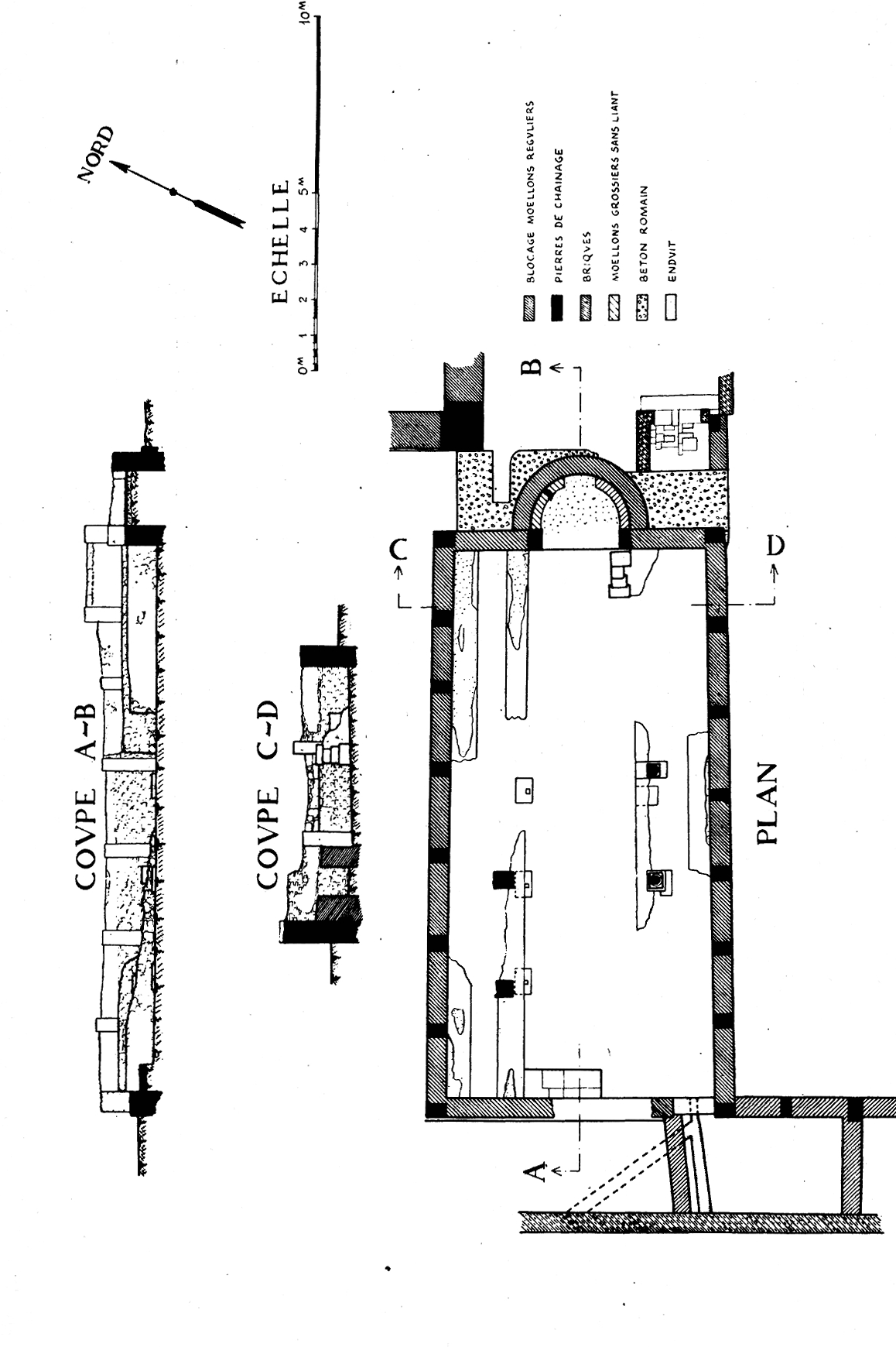
The Mithraeum of Tazoult / Lambèse is one of the best preserved Mithras’s temples in Africa.
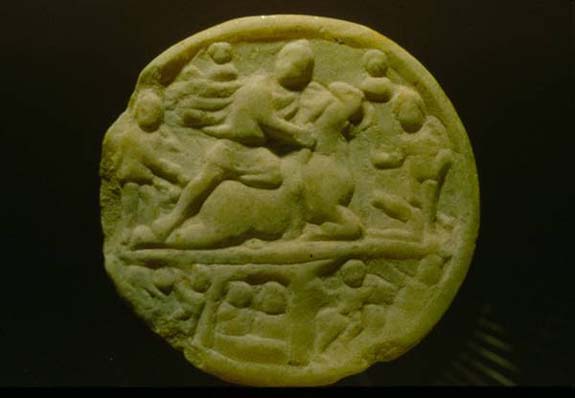
The small medallion depicts three scenes from the life of Mithras, including the Tauroctony. It may come from the Danube area.
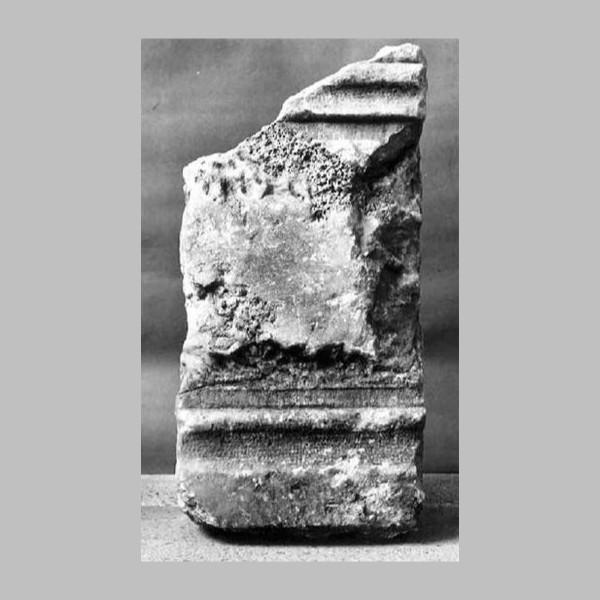
A certain Blastia or Blastianus made a dedication to Mithras and Silvanus on an altar in Emona, Italy.

This altar, found in Tazoult تازولت, Algeria, was dedicated to the god Sol Mithras by a certain Florus.

This lamp, depicting a man slicing his victim into pieces with a sword, was believed to be associated with the Cult of Mithras.

This remarkable marble relief from the end of the 3rd century was discovered in the most remote room of the Mithraeum in the Circo Massimo.
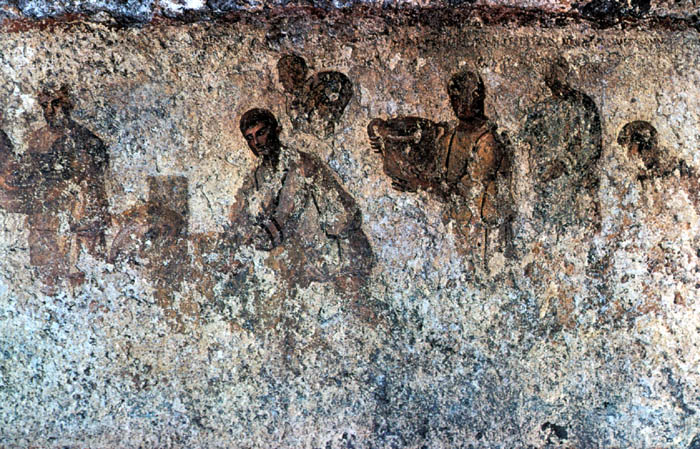
Procession of Leones carrying animals, bread, a krater, and other objects in preparation for a feast.
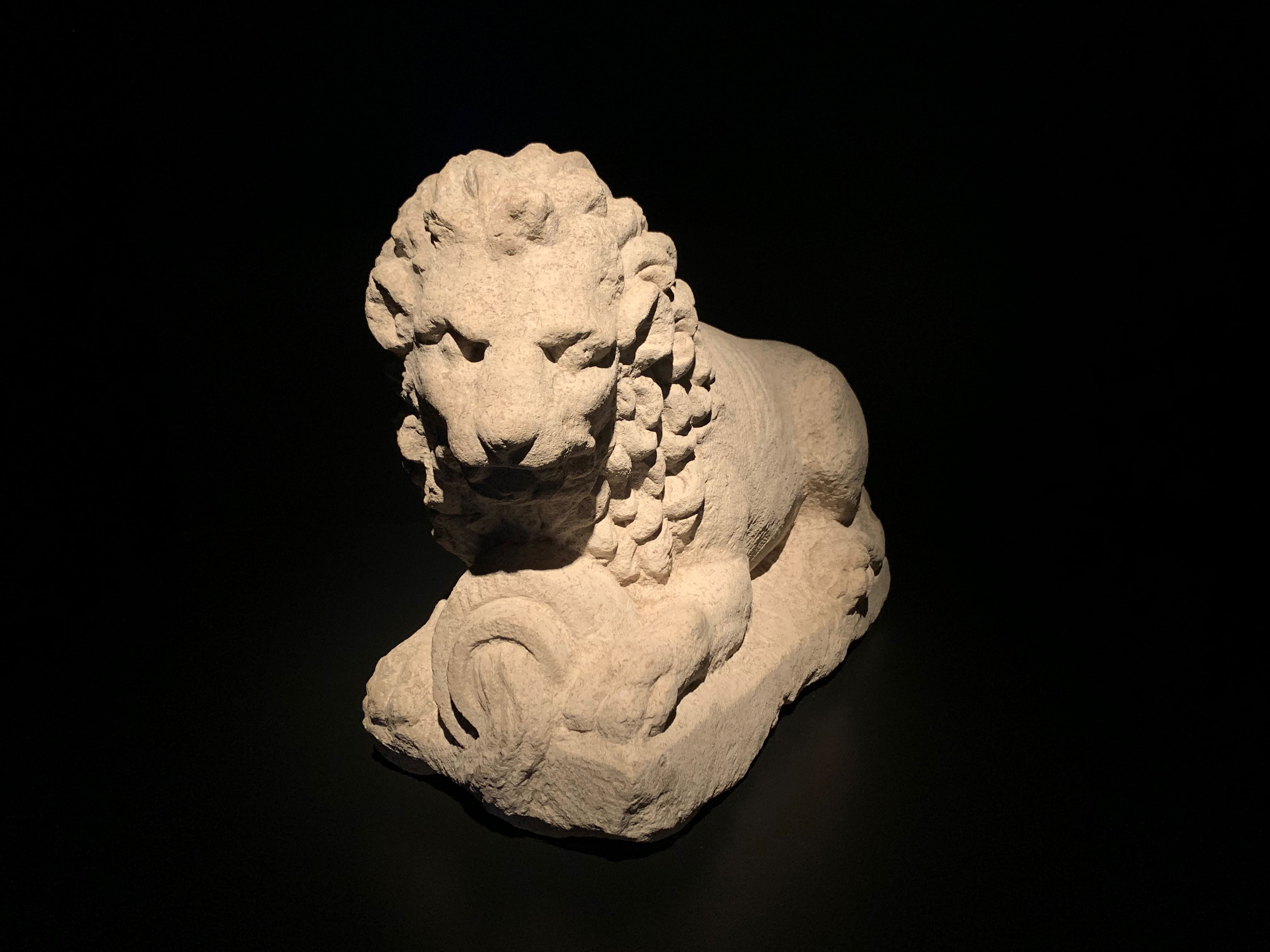
A limestone lion holding a flowing urn, discovered at the entrance of the Mithraeum of Les Bolards, reflects the ritual significance of water within the cult of Mithras.
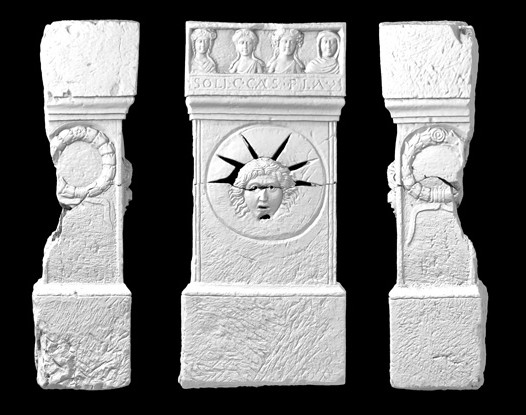
The altar of Sol from Inveresk, Scotland, was pierced, probably to illuminate part of the temple with a particular effect.
A number of metal objects and weapons have been found in the Mithraeum of Les Bolards, close to Nuits-Saint-Georges in France.
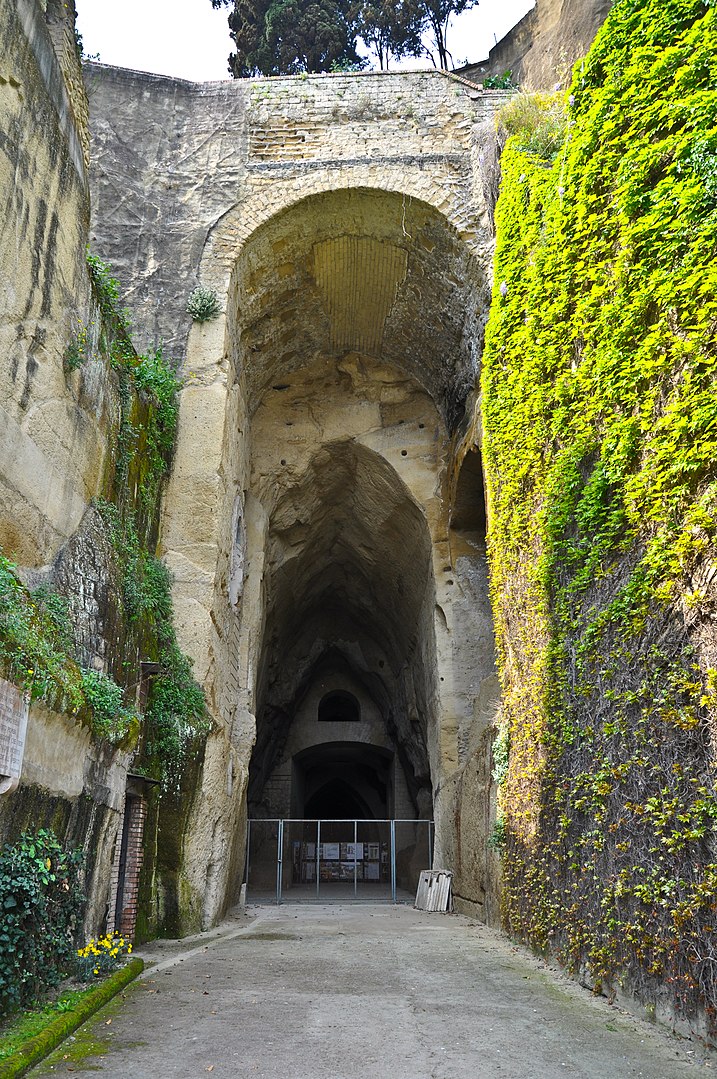
The Mitreo della crypta neapolitana was used a des legends about its use, from a cult place devoted to Priapus to celebrate Aphrodite.
The dedicator of this monument is also known for having made a tauroctonic relief in Nesce.
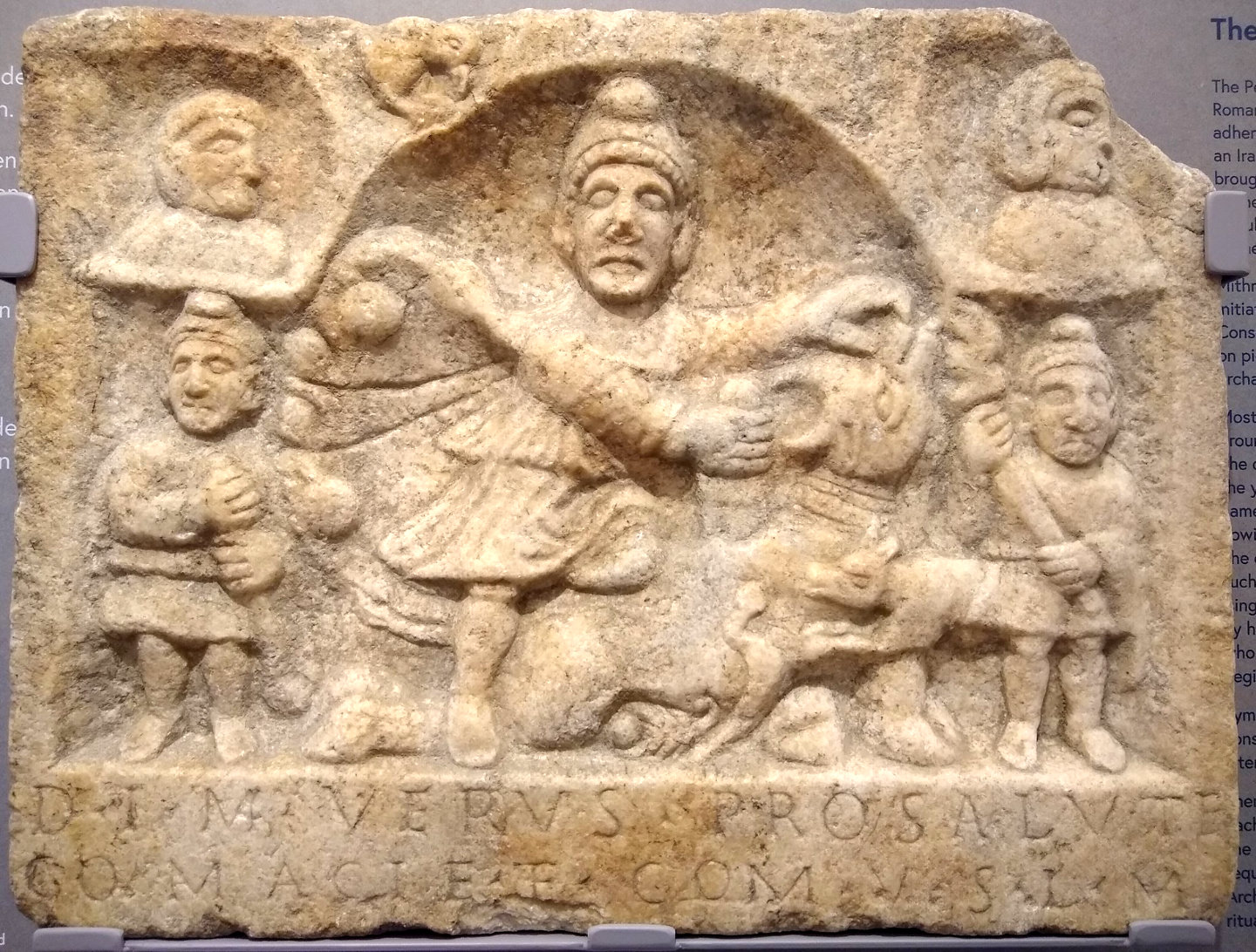
The votive image was donated by a certain Verus for a mithraeum which was probably located in the hinterland of the Limes.
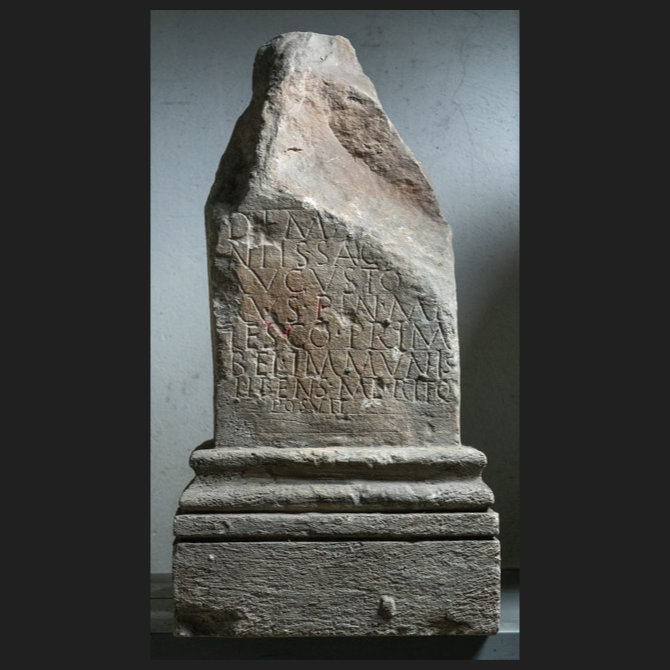
This altar, discovered in Grude, near Tihaljina, Bosnia and Herzegovina, bears an inscription by Pinnes, a soldier of the Cohors Prima Belgica.
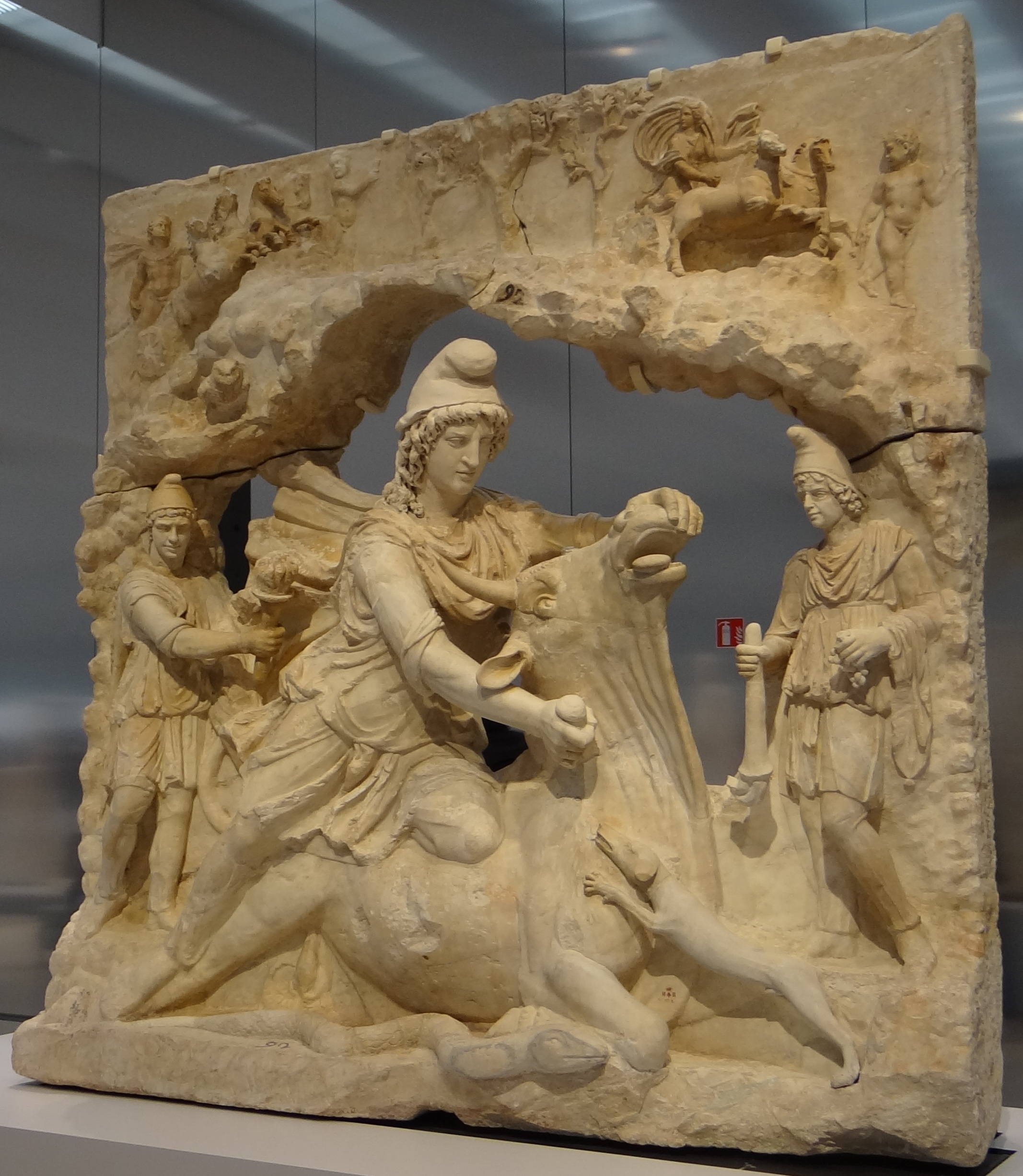
This relief of Mithras slaying the bull was erected in Piazza del Campidoglio, moved to Villa Borghese and is now in the Louvre Museum.
This inscription to Mithras Invencible was dedicated by a certain Apronianus in 172 is currently lost.
