Your search Tirowite (Old town of Plovdiv) gave 279 results.

Novae was initially one of the few great Roman legionary fortresses along the empire’s border, forming part of the defences along the Danube in northern Bulgaria. It lies about 4 km east of the modern town of Svishtov.
Nicopolis ad Istrum or Nicopolis ad Iatrum was a Roman and Early Byzantine town. Its ruins are located at the village of Nikyup, 20 km north of Veliko Tarnovo in northern Bulgaria. The site was placed on the Tentative List for consideration as a Wo
The Roman castrum Mogontiacum, the forerunner of Mainz, was founded by the Roman general Drusus around 10 BC. It was an important military town throughout the Roman period. The town of Mogontiacum grew up between the fort and the Rhine.
Ladenburg is a town in northwestern Baden-Württemberg, Germany. The town's history goes back to the Celtic and Roman Ages, when it was called Lopodunum.
Intecisa was a military camp and town located in the Roman Province of Pannonia, now known as Dunaújváros, bordering Western Hungary.
Ituro, now Cabrera de Mar, was an important trading town and the capital of the Laietani, an Iberian people, until Roman times.
Hermopolis, the city of Hermes, was an important city located between Lower and Upper Egypt. A provincial capital since the Old Kingdom of Egypt, Hermopolis developed into a major city of Roman Egypt.
Founded in 50 AD, Durnomagus is now part of the German town of Dormagen.
Carsulae was a Roman municipium in the region of Umbria, now preserved as an archaeological site, about 4 km north of the small town of San Gemini. Its foundation dates back to 220 BC with the construction of the Via Flaminia.
Budaörs is a town in Pest County, in the metropolitan area of Budapest, Hungary. Before the Romans, the Celtic tribe of Eraviscus occupied the area for about 100 years.
Brigetio, which became Szőny, was an independent town until 1977, when it was incorporated into Komárom. The Roman legion Legio I Adiutrix was stationed here from 86 AD until the middle of the 5th century.
Augusta Treverorum, today's Trier in Rhineland-Palatinate, is considered to be the oldest city in Germany.
Narbonensis connected Roman Gaul to the Mediterranean world through some of the oldest urban and maritime networks of the western empire.

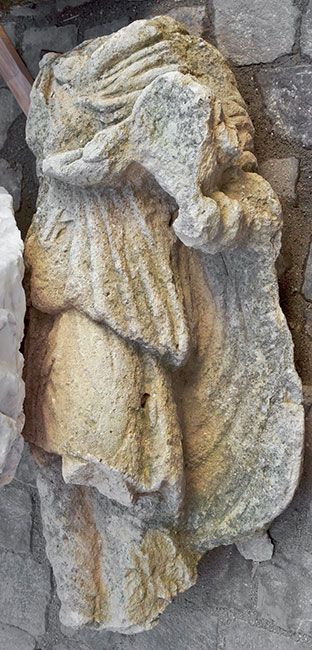
This weathered limestone statue from the Mithraeum of Apulum depicts a standing figure in Oriental attire holding the head of a bull or ram.
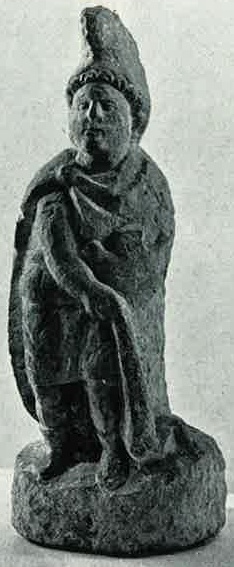
This statuette of Cautopates from Intercisa shows the torchbearer holding a burning torch and a pelta at his side.

This relief of Mithras slaying the bull, framed by acanthus leaves, was sold at auction in 2011 by Bonhams.

Fragments of this limestone statue include the head and torso of Mercury, holding the caduceus in his left hand.
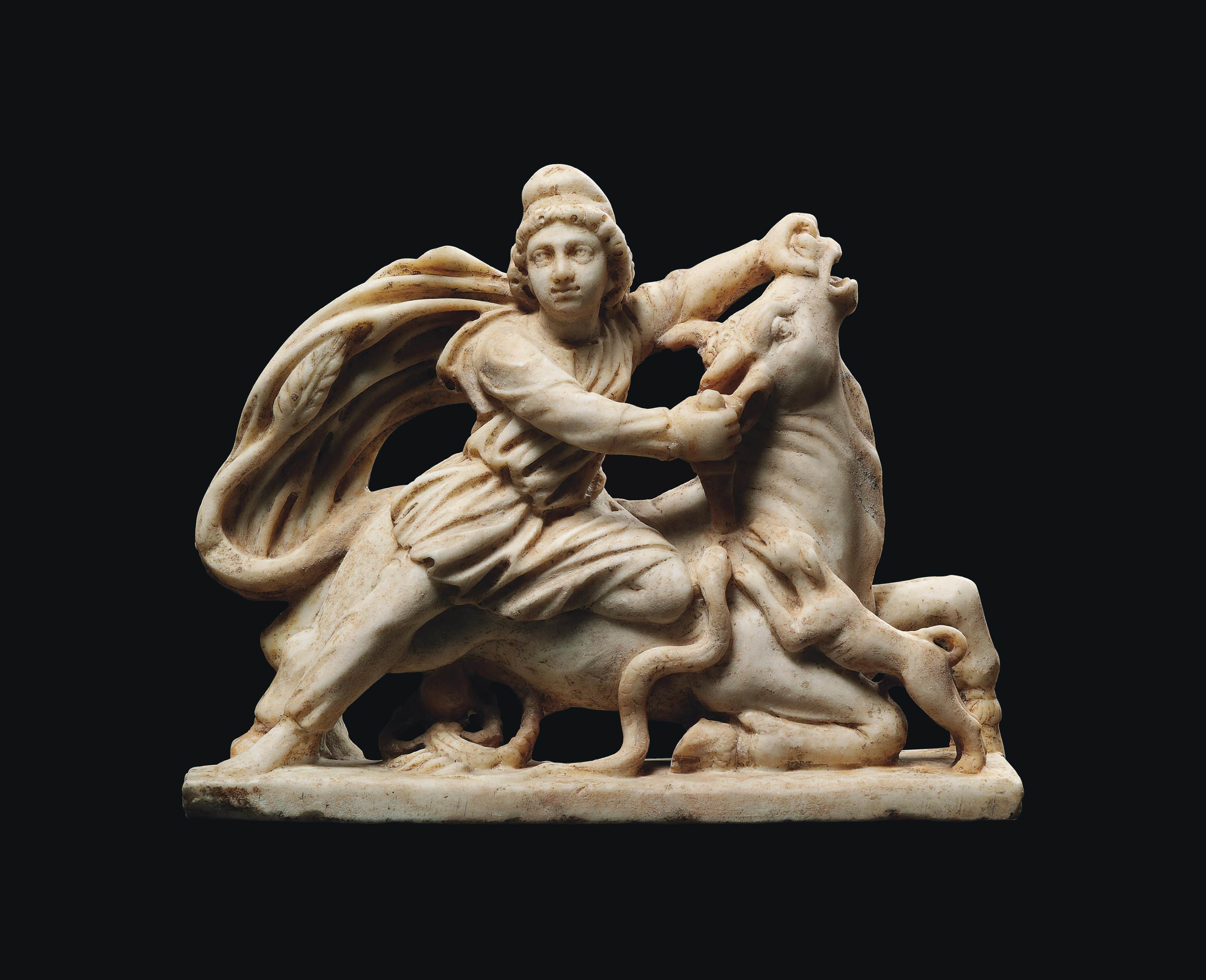
Marble group of Mithras slaying the bull, formerly sold by Antiquarium Ltd., New York.
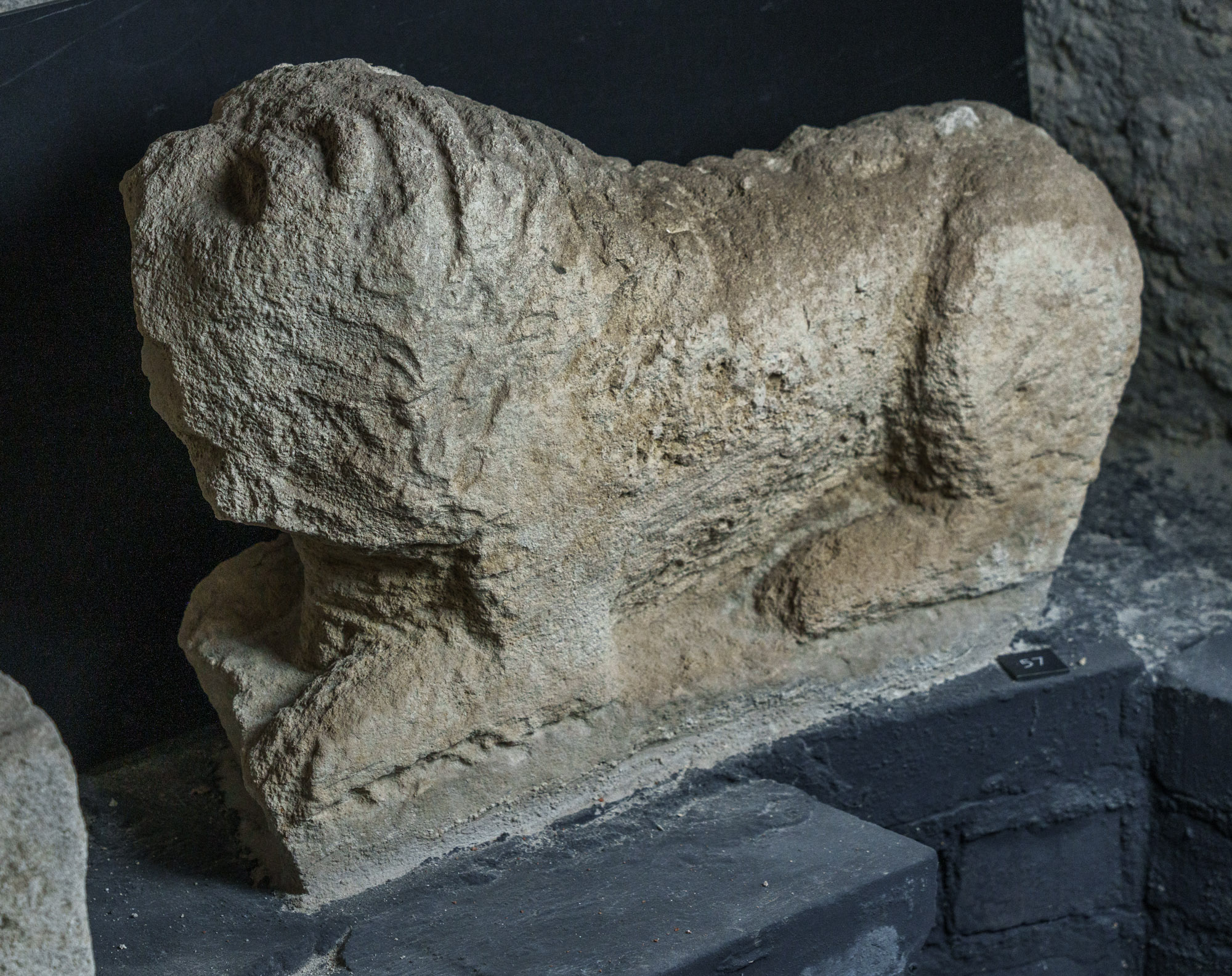
Two limestone sculptures depicting a recumbent lion and a lioness stood near the entrance of the Mithraeum of Fertőrákos, positioned at the threshold of the sanctuary.
