Biography
of Pylades
- Pylades is attested as a member of a Mithraic community (syndexios) at the Mithréum d’Angers.
- Attested at Juliomagus, Lugdunensis, Gallia in 2nd half of 2nd century (TNMM 1410).
TNMP 282
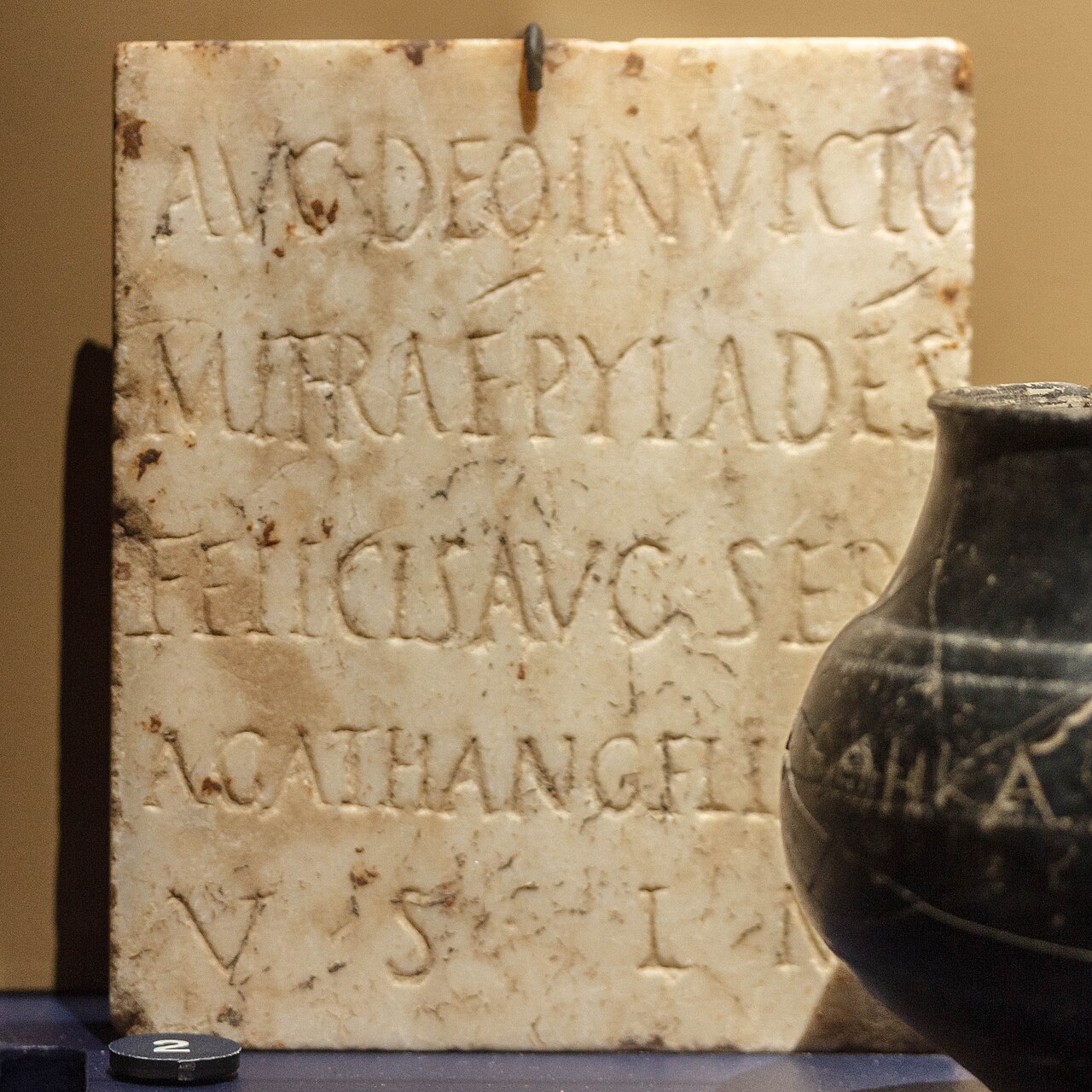
Pylades was a slave active within the imperial administrative world of Roman Gaul during the second half of the 2nd century CE. He is known from a marble inscription discovered in the Mithraeum of Angers (ancient Iuliomagus), where he dedicated a vow to the “invincible god Mithras”.
The inscription identifies him as the slave of Felix Agathangelianus, who himself was an imperial slave (seruus Augusti). Pylades was therefore probably a uicarius, that is, a slave subordinate to another slave within the imperial household administration. Although Roman law denied slaves independent legal personality, imperial slaves could possess a peculium and maintain their own subordinate servants, creating highly stratified hierarchies even within servile status.
His master, Felix Agathangelianus, appears to have risen from private slavery into the imperial administration, a form of social advancement associated with the familia Caesaris. Through this connection, Pylades belonged to the orbit of the imperial bureaucracy operating in the provincial capital of Iuliomagus. The inscription therefore provides rare evidence for the presence of imperial administrative personnel involved in the cult of Mithras in western Gaul.
His Greek name, common among slaves throughout the Roman world, does not necessarily indicate Greek ethnic origin. The inscription also preserves the unusual formula “Augusto. Deo Invicto Mithrae”, linking the imperial cult and Mithraic devotion, something relatively uncommon in Mithraic epigraphy from Gaul.
References
- Jean Brodeur (2019) ‘Angers – 6 rue René-Brémond, clinique Saint-Louis’. ADLFI. Archéologie de la France - Informations.
- Michel Molin, Jean Brodeur et Maxime Mortreau (2015) Les inscriptions du mithraeum d’Angers-Iuliomagus (Maine-et-Loire) : nouvelles données sur le culte de Mithra.
Attestations
Inscription of Pylades from Angers
TNMM 1410
This marble plaque from Iuliomagus, Roman Angers, bears a rare dedication to Mithras by Pylades, a slave of an imperial slave connected to the Roman administration in Gaul.
Mithrae Pylades
Felicis Aug(usti) ser(ui)
Agathangeliani (seruus)
u(otum) s(oluit) l(ibens) m(erito).
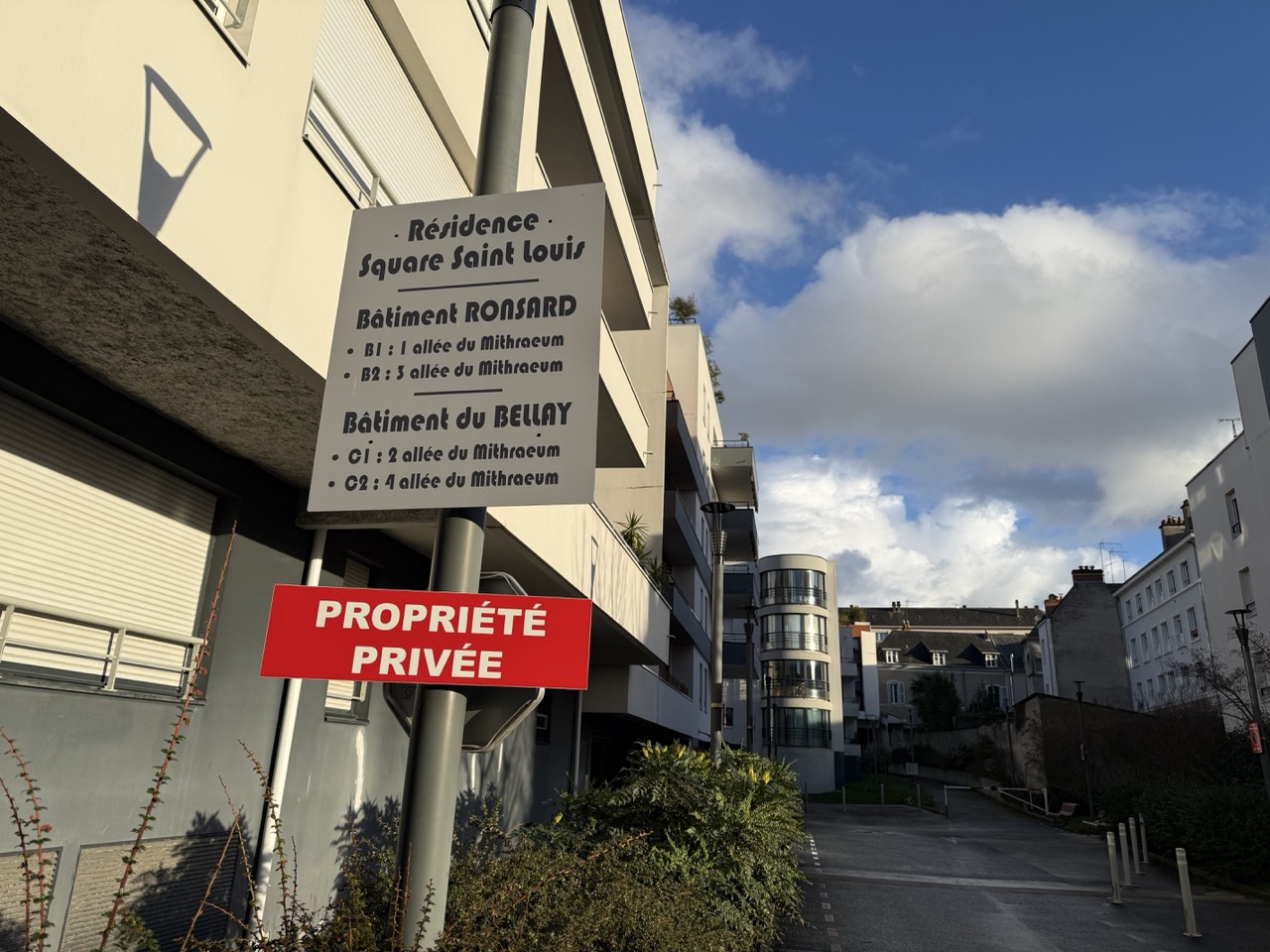
Mithréum d’Angers
TNMM 199
The Mithraeum of Angers, excavated during a preventive operation and subsequently dismantled in 2010, yielded numerous objects, including coins, oil lamps, and a ceramic vessel bearing a votive inscription to the invincible god Mithras.