Your search Val Camonica gave 183 results.

Florentia was a Roman city in the Arno valley from which Florence originated.
Vaison-la-Romaine is a town in the Vaucluse department in the Provence-Alpes-Côte d'Azur region in southeastern France. Vaison-la-Romaine is famous for its rich Roman ruins and mediaeval town and cathedral. The old town is split into two parts: the
The Gaulish name of today Martigny was either Octodurus or Octodurum in the 1st century BC. It was conquered by the Romans in 57 BC and occupied by Servius Galba with the Legion XII.
Icosium was a Berber city that was part of Numidia which became an important Roman colony and an early medieval bishopric in the casbah area of actual Algiers.
Bourg-Saint-Andéol is a commune in the Ardèche department in the Rhône Valley in southern France.
Corsica et Sardinia occupied an important insular position within the maritime networks of the western Mediterranean.
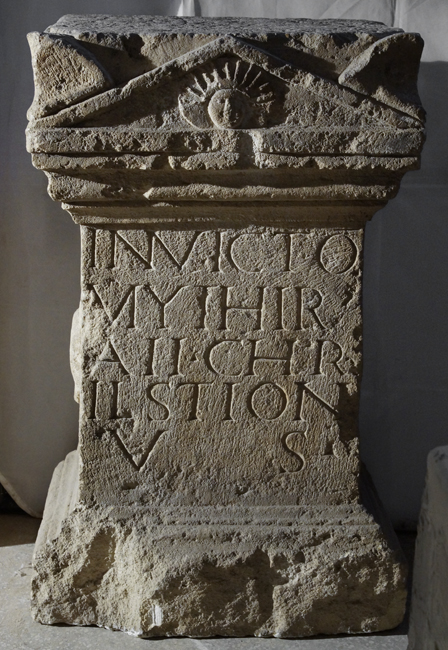
In 1852, Károly Pap, a naval captain, unearthed several Mithraic monuments in his garden at Marospartos, including this altar.
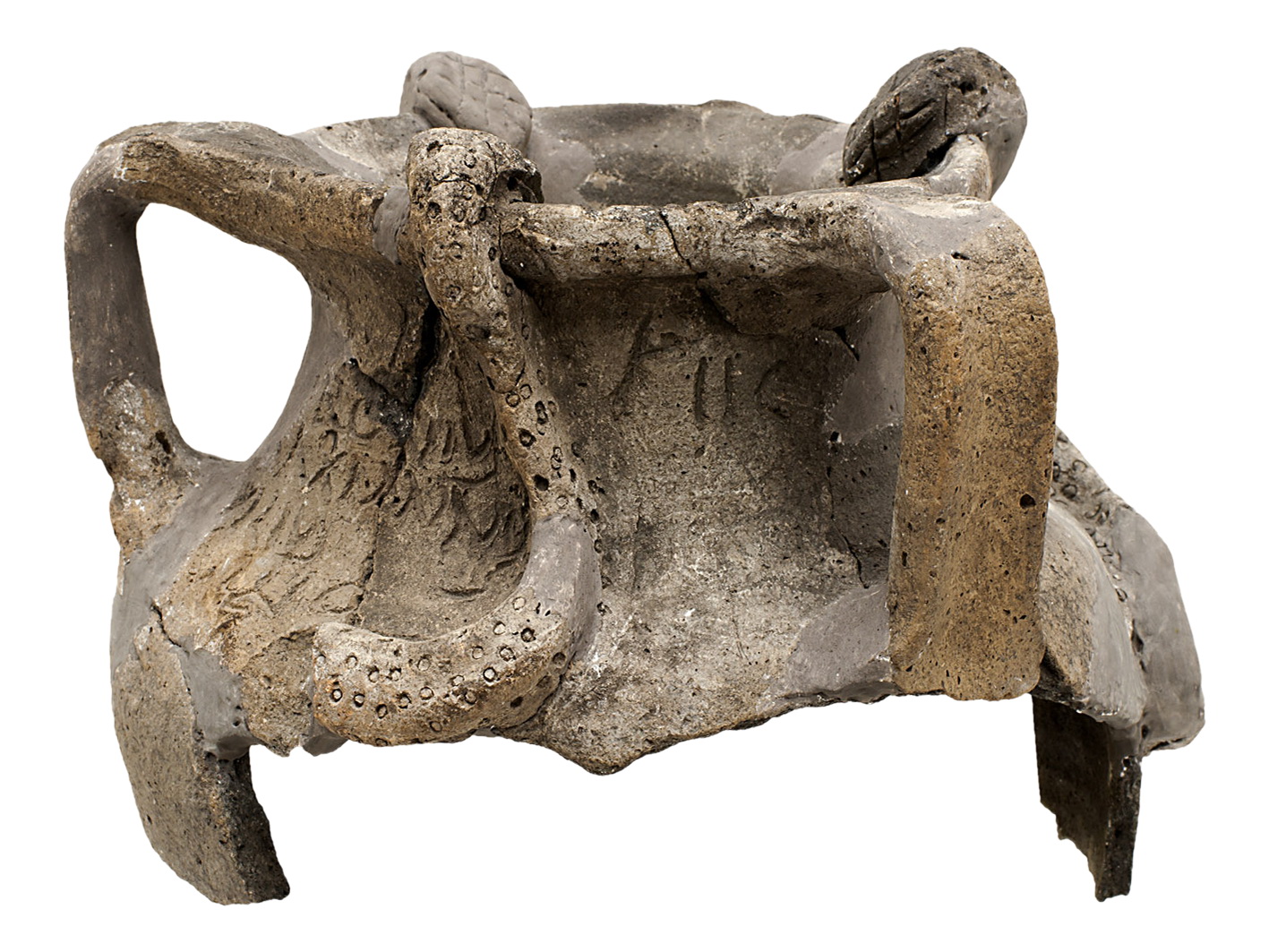
Upon first examination, archaeologists interpreted the inscription on the cult vessel from Gradishje as referencing Mithras, though it has since been re-evaluated.
The Rites of Hekate is a personal yet deeply rooted academic account of the current understanding of this ambivalent goddess, presented as an arcane and liminal archetype.
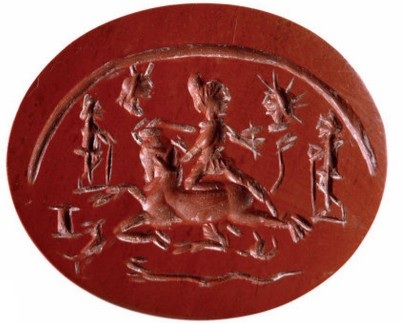
An oval carnelian gem from Carnuntum showing Mithras tauroktonos in a grotto. Sol and Luna appear above, with both torchbearers and a small altar before the bull.
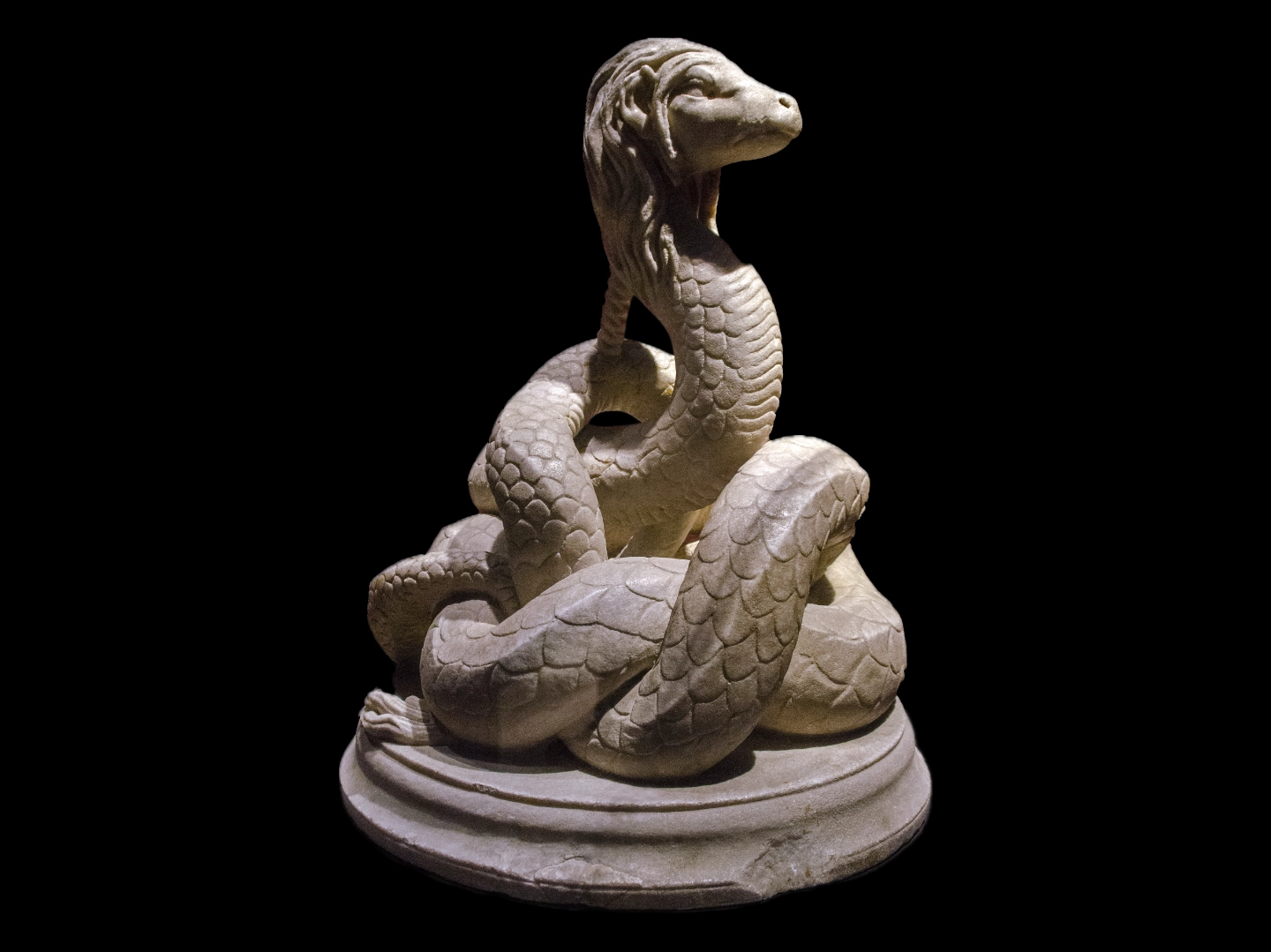
At Rome’s twilight, amid political upheaval and Christian ascendancy, Vettius Agorius Praetextatus embodied pagan intellect, virtue, and authority across senatorial, military, and mystical spheres.
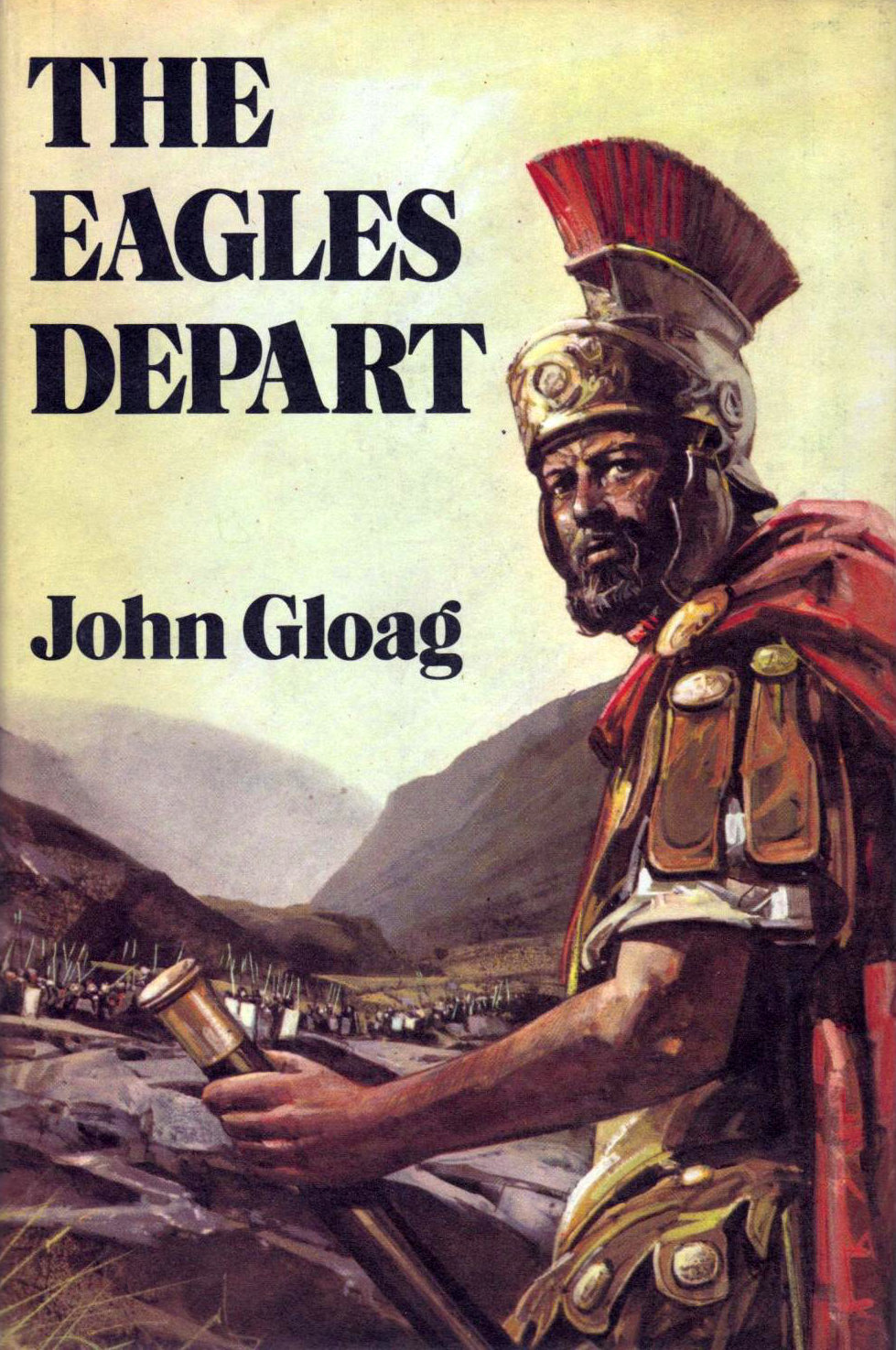
A historical novel framed as the memoir of a Brittano-Roman soldier witnessing the end of Roman Britain. It explores identity, loyalty, and survival at the twilight of empire.

Employing all the available data & survivals of the historic Persio-Roman Mithraics. Embodying versions of Zoroastrian Scriptures; Combining the religions of all races & times...


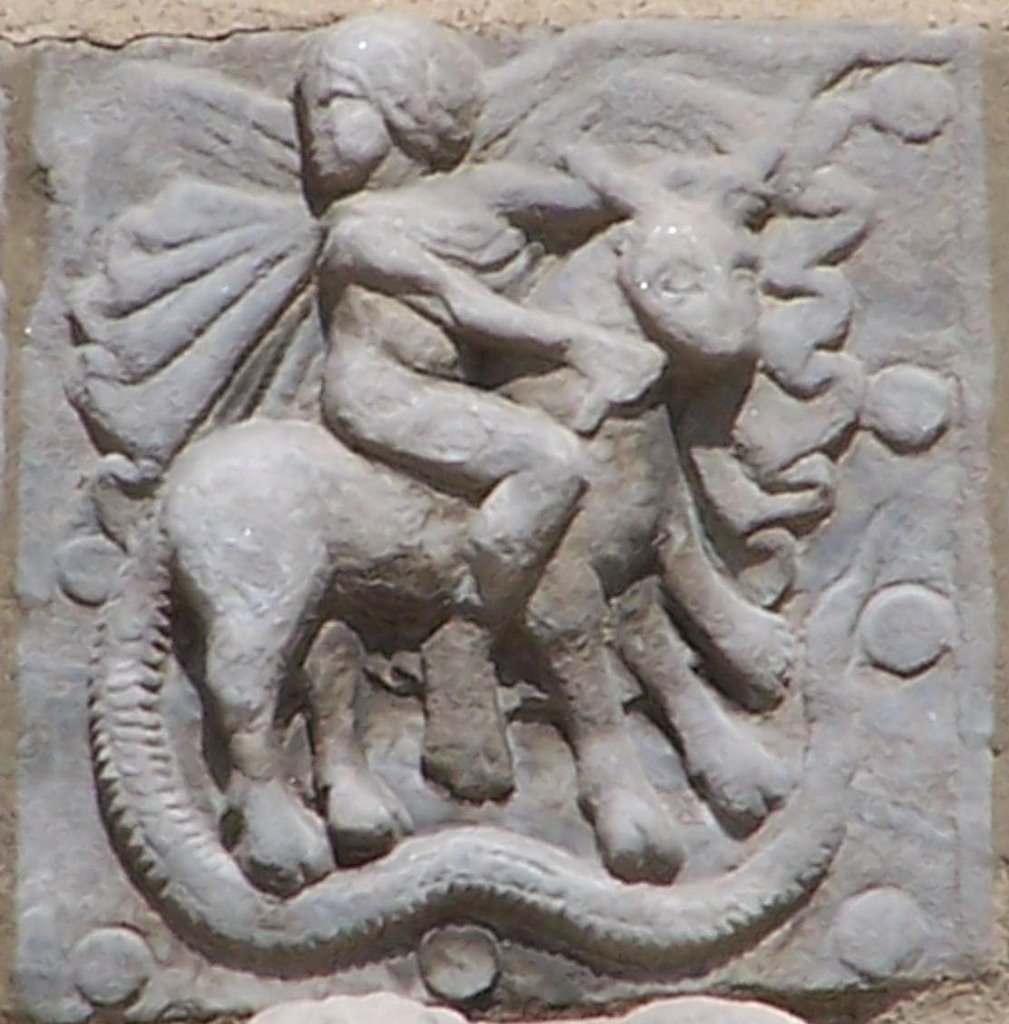
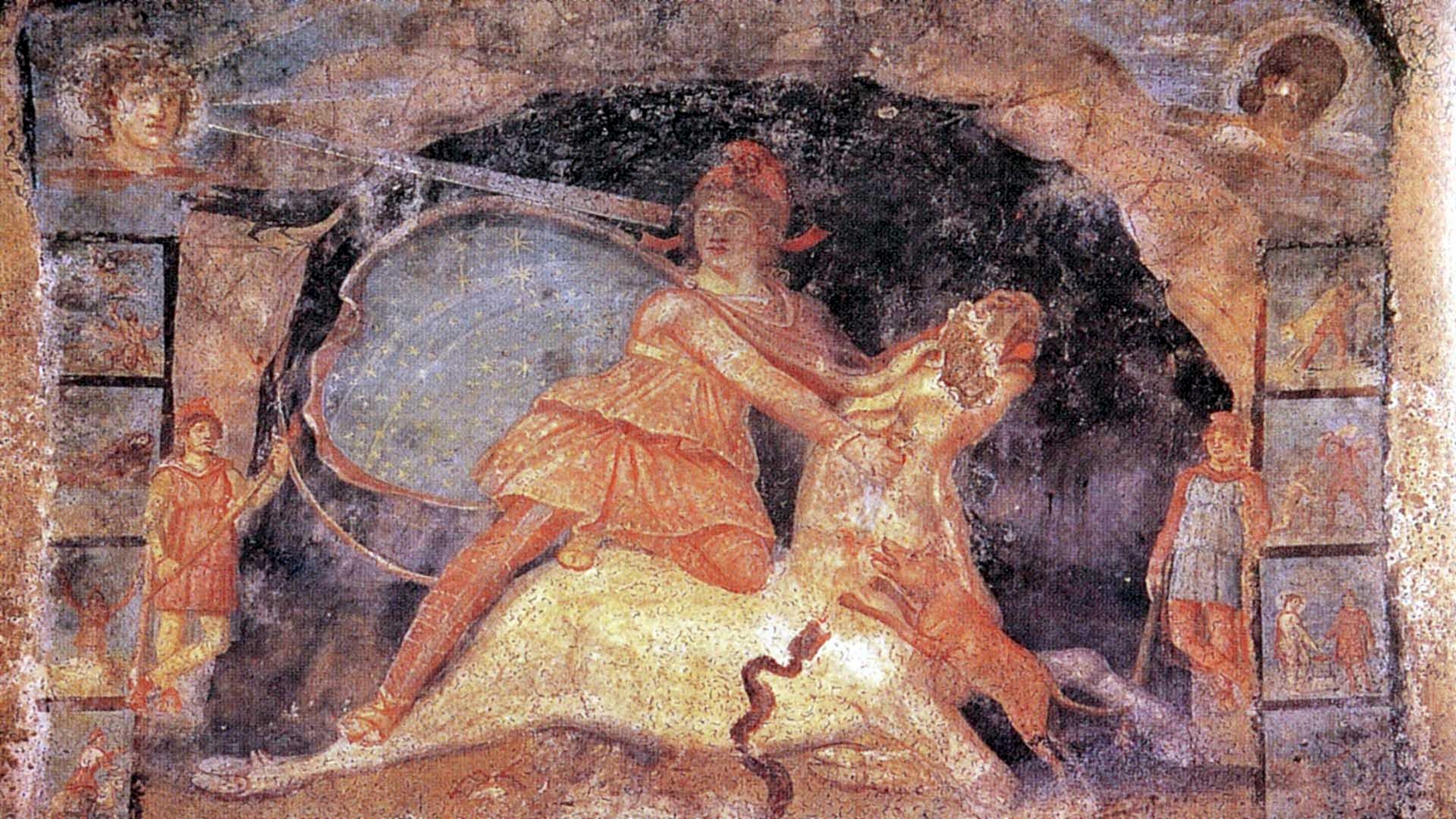
It is indeed surprising to see Mithras represented in the Middle Ages, as we tend to assume that paganism was forgotten at an early date. Well, some representations of Mithras killing the bull in key locations in Europe prove the opposite…
Salvete fratres, I created a fresh new Discord server. Here is the invitation which is valid until 21 July 2024. If you are interested in joining, read the regulations carefully first. If the link doesn’t work DM on Discord at lupuslux. Valete…
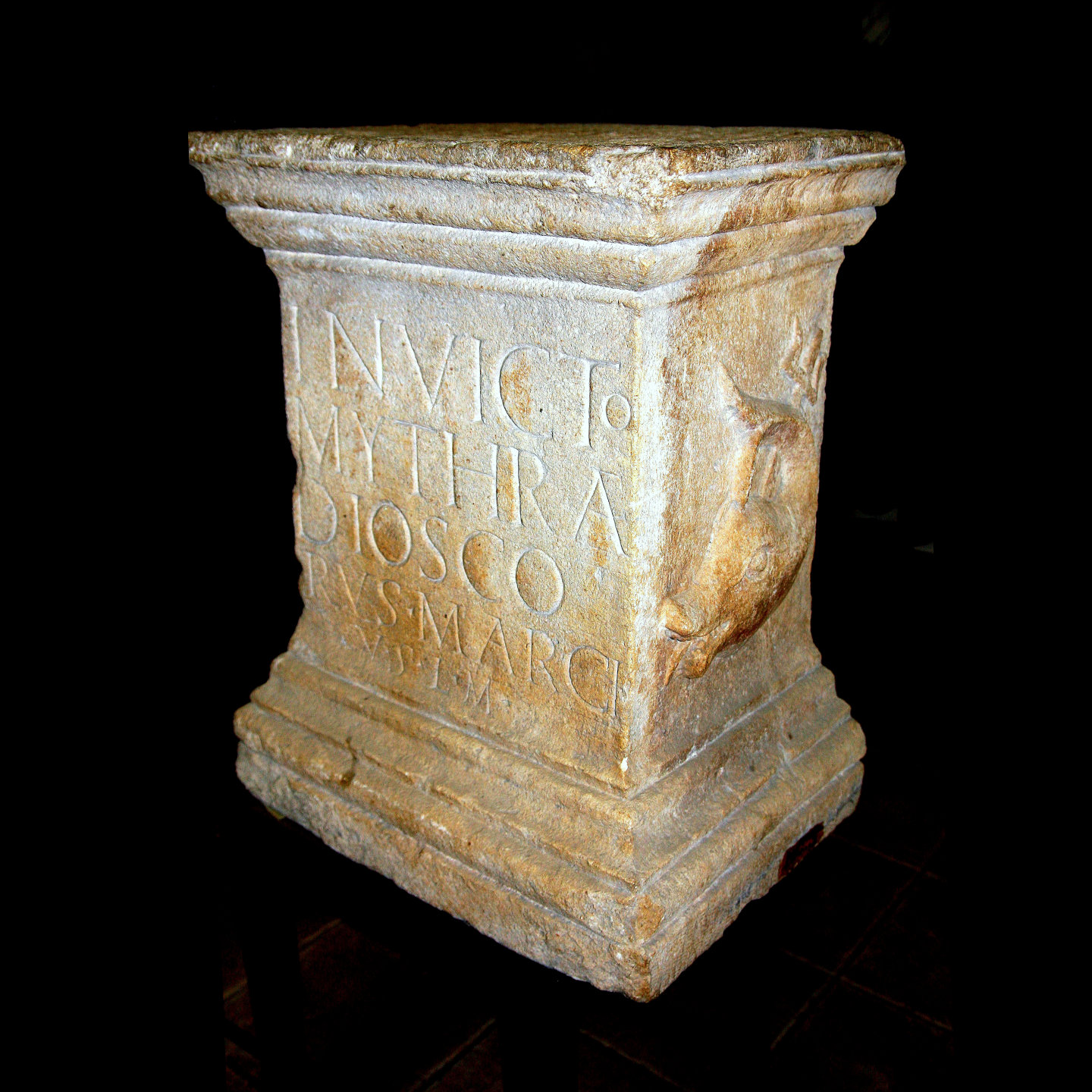
In 1852, Károly Pap, a naval captain, unearthed several Mithraic monuments in his garden at Marospartos, including this altar.
I have been investigating an archaelogical site in the Northern Shenandoah valley of Virginia. TL and C14 dates from iron smelting materials are circa 150 AD.
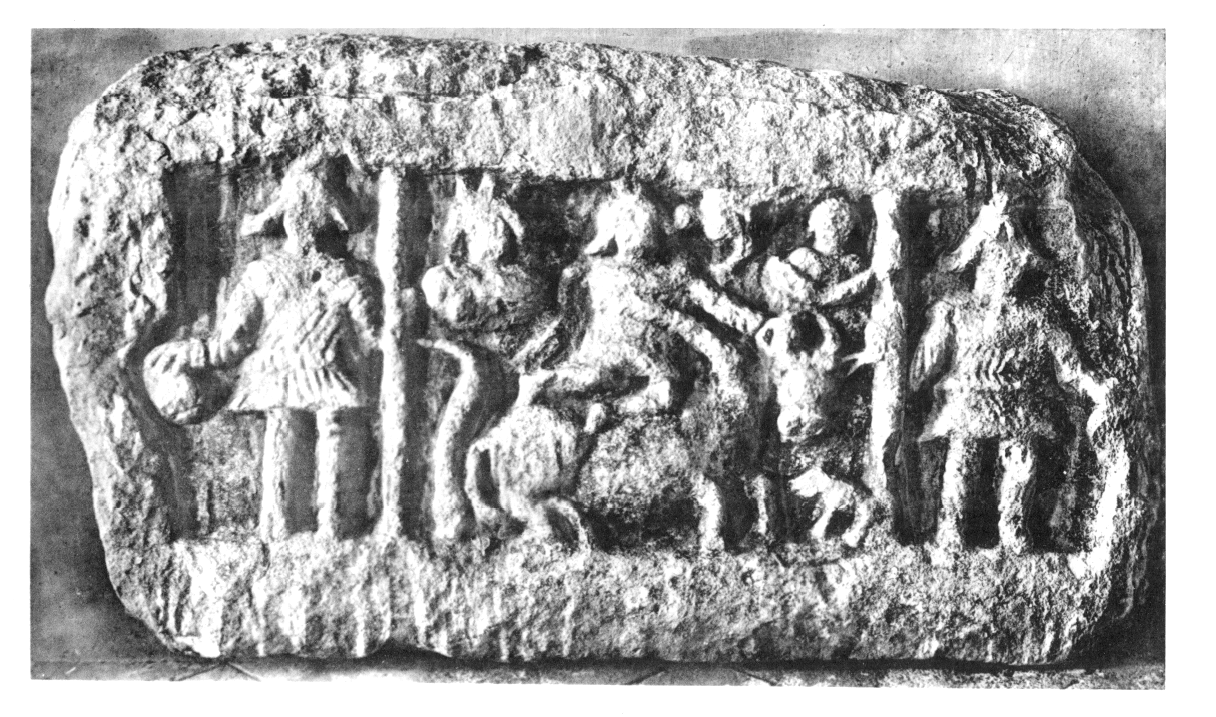
This relief of Mithras as bull slayer is surrounded by Cautes and Cautopates with their usual torch plus an oval object.