Your search Val di Non gave 2351 results.

Marble altar from the Mithraeum at Modrič, Pannonia Superior, dedicated to Deo invicto Mithrae by Aurelius Valentinus, beneficiarius consularis.
Limestone altar fragment from the Mithraeum at Sárkeszi, Pannonia Inferior, dedicated to Fonti dei by Septimius Valentinus, optio.
Stone base from the Dolichenum at Brigetio, Pannonia Superior, dedicated to Deo Soli invicto Mithrae by Caius Valerius Matrinianus, cornicularius of the legate of Legio I Adiutrix.
Altar from Mithraeum I at Carnuntum, Pannonia Superior, dedicated to Deo invicto by Valerius Victorinus, optio of Legio X Gemina.
These twin inscriptions found in the Mithraeum of Tazoult were dedicated by the legate Marcus Valerius Maximianus.

This second relief depicting a phallus from Tiddis, Algeria, has been positioned alongside its counterpart atop pillars that greet visitors to the Mithras shrine.
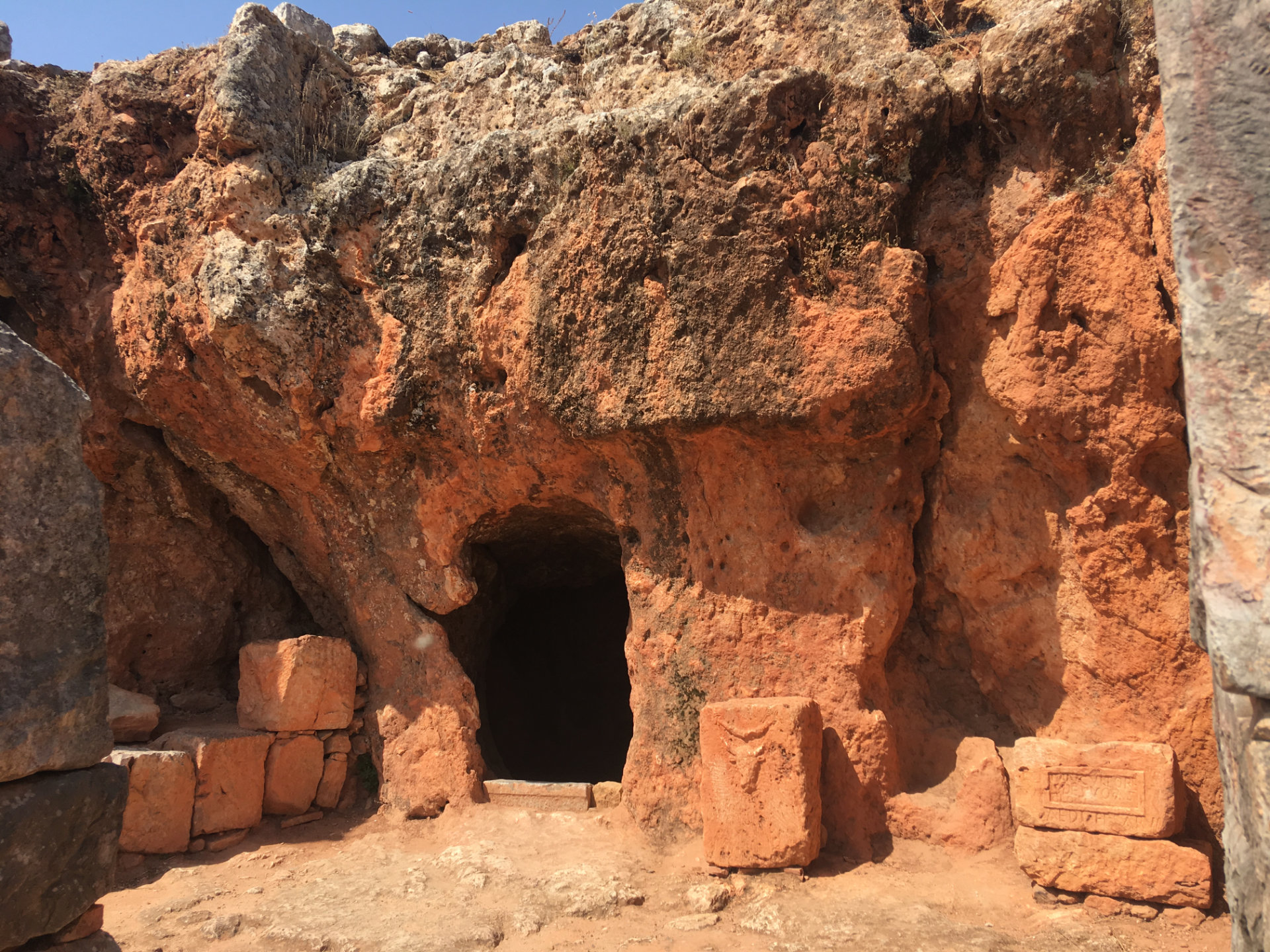
The Mithraeum was housed in a cave. The vault is almost dome-shaped and in front of the cave there is enough space for a possible adjacent temple.
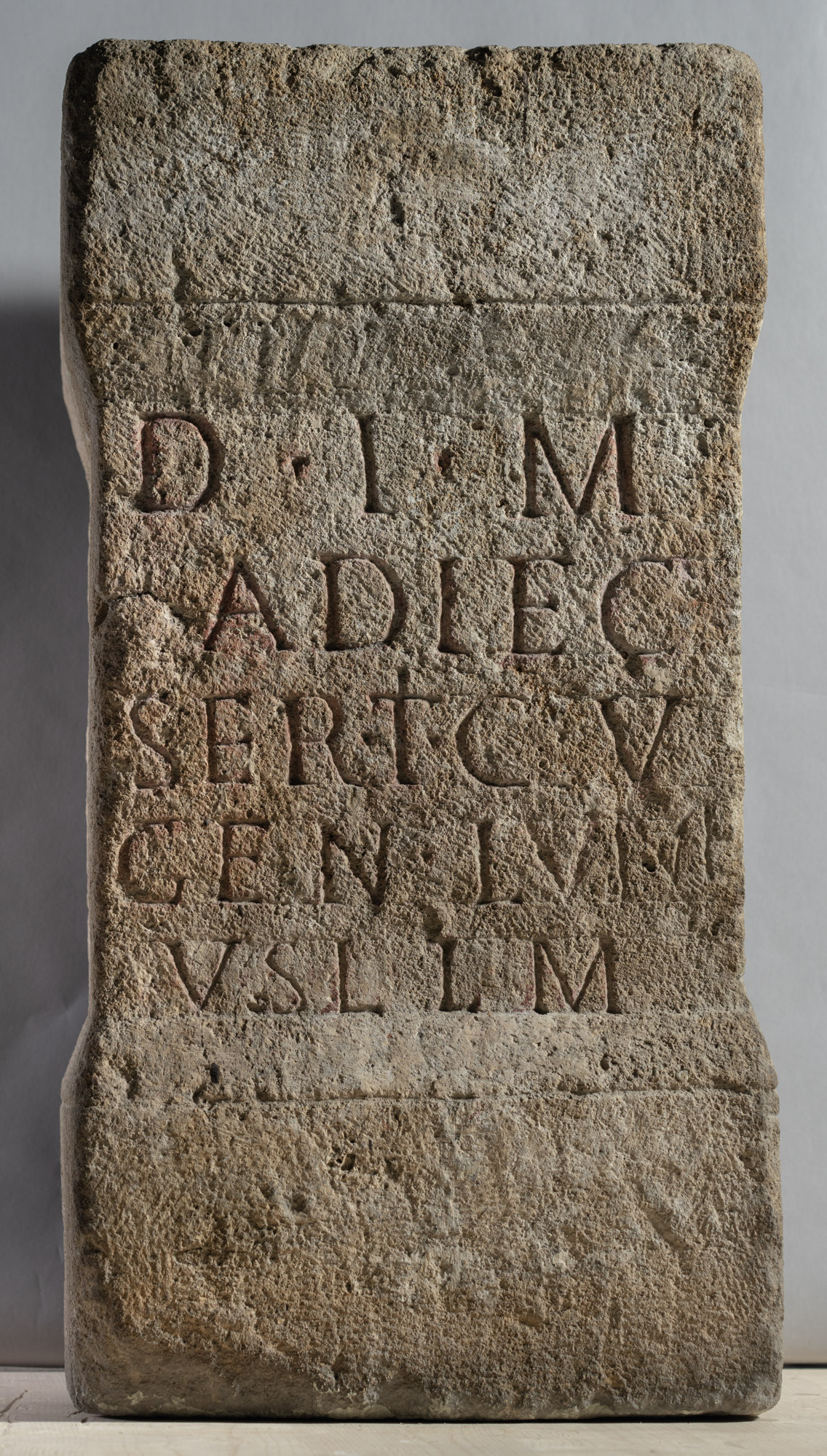
There is no consensus as to whether the altar of the slave Adiectus from Carnuntum is dedicated to a Mithras genitor of light.
In this inscription, found in Angera in Lombardy, Mithras is referred to by the unicum 'adiutor'.

Kadine-Most lies within the central Balkan region historically connected with Roman Moesia.
Dolni Vadin occupies a position near the Danubian frontier zone of northern Thrace.
Settlement in inland Numidia associated with the mountainous region south of Cirta and the wider network of North Africa.
An altar found in 1822 at Borcovicium (modern Housesteads), recording a vow fulfilled by Valerianus, a soldier of the Sixth Victrix Legion, to Cocidius and the Genius of the garrison.
Inscription from the Mithraeum at Sarmizegetusa, Dacia, dedicated to Soli invicto Mithrae by S. Spedius Valerianus, Augustalis coloniae.
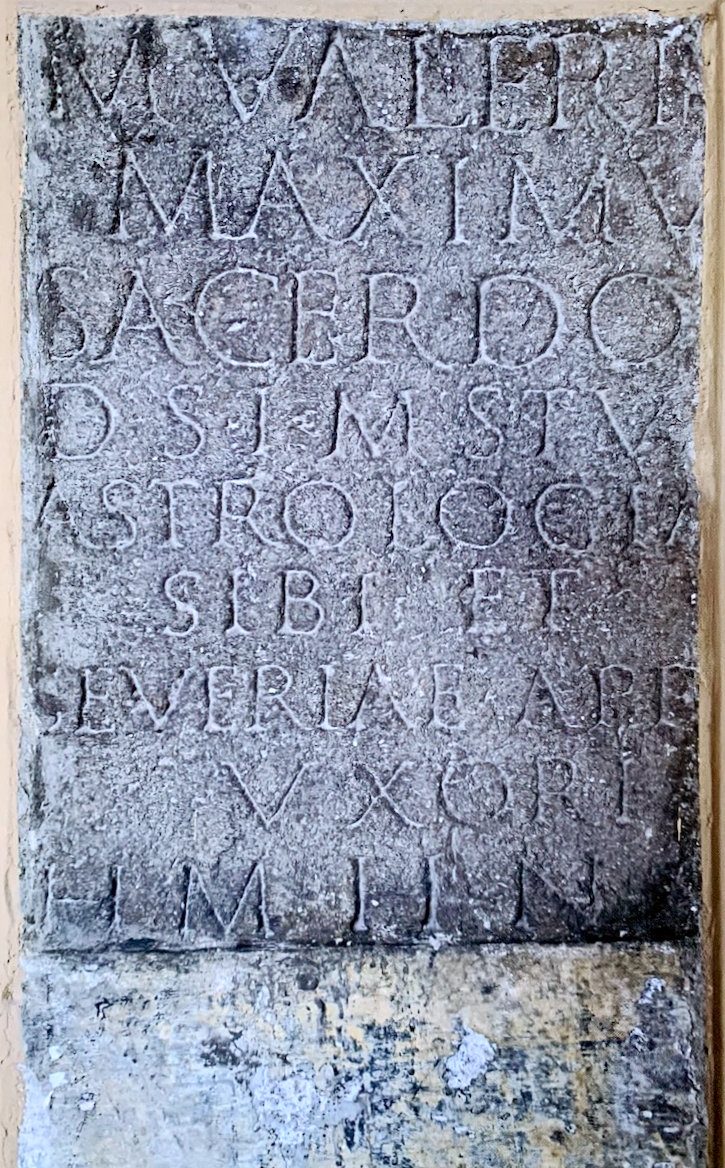
Marcus Valerius Maximus records in this inscription his knowledge of astrology as well as the name of his wife.
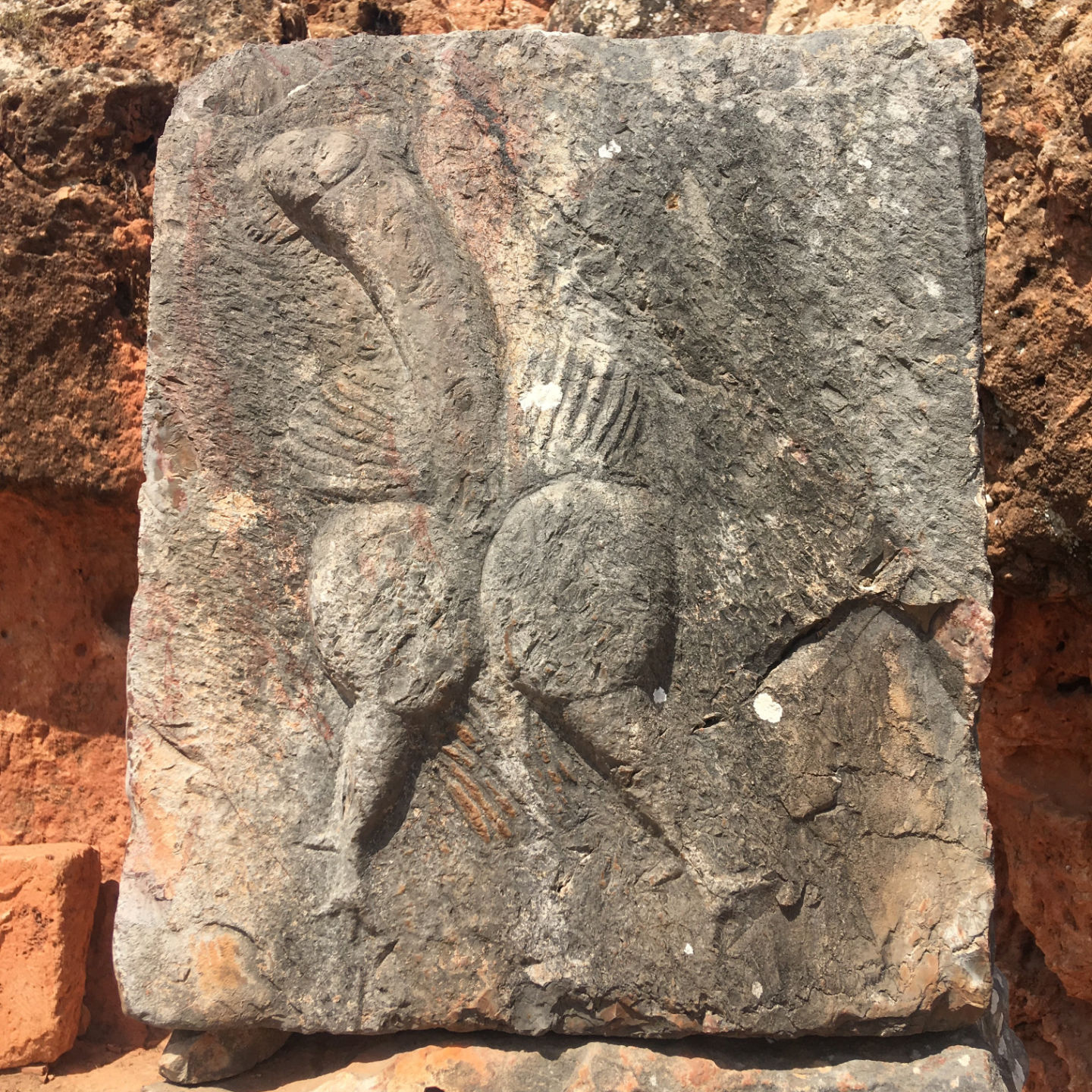
The phallus from Tiddis, Algeria, has been represented as a cock.
Altar from Petrovaradin, ancient Cusum in Pannonia Inferior, found around 1690, dedicated to Soli invicto Mithrae by Donatus, sacerdos — one of the attestations of the Mithraic priestly title from the Danubian provinces.
Sandstone altar from Campona, Pannonia Inferior, dedicated to Deo Soli invicto by Claudius Neronianus; the dedication is painted red.
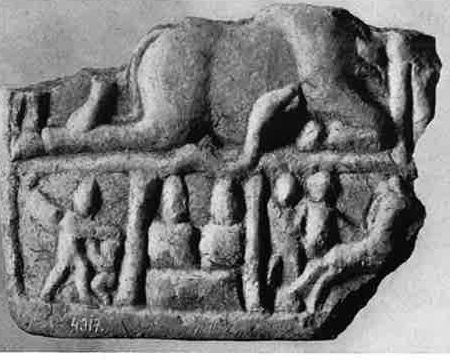
Altar from Eisenstadt, Pannonia Superior, dedicated to Deo invicto Mithrae by Titus Claudius Frontinus, centurion of Legio XIIII Gemina.
Inscription from the Mithraeum at Sopron, ancient Scarabantia, dedicated to Deo Soli invicto Mithrae by Caius Valerius Respectus, IIIIvir Augustalis of the Colonia Scarabantiensis.
