Your search Vid gave 175 results.


A person interested in history and social, political and economic historical developments

David Ulansey argues that Mithraic iconography was actually an astronomical code, and that the cult began as a religious response to a startling scientific discovery.
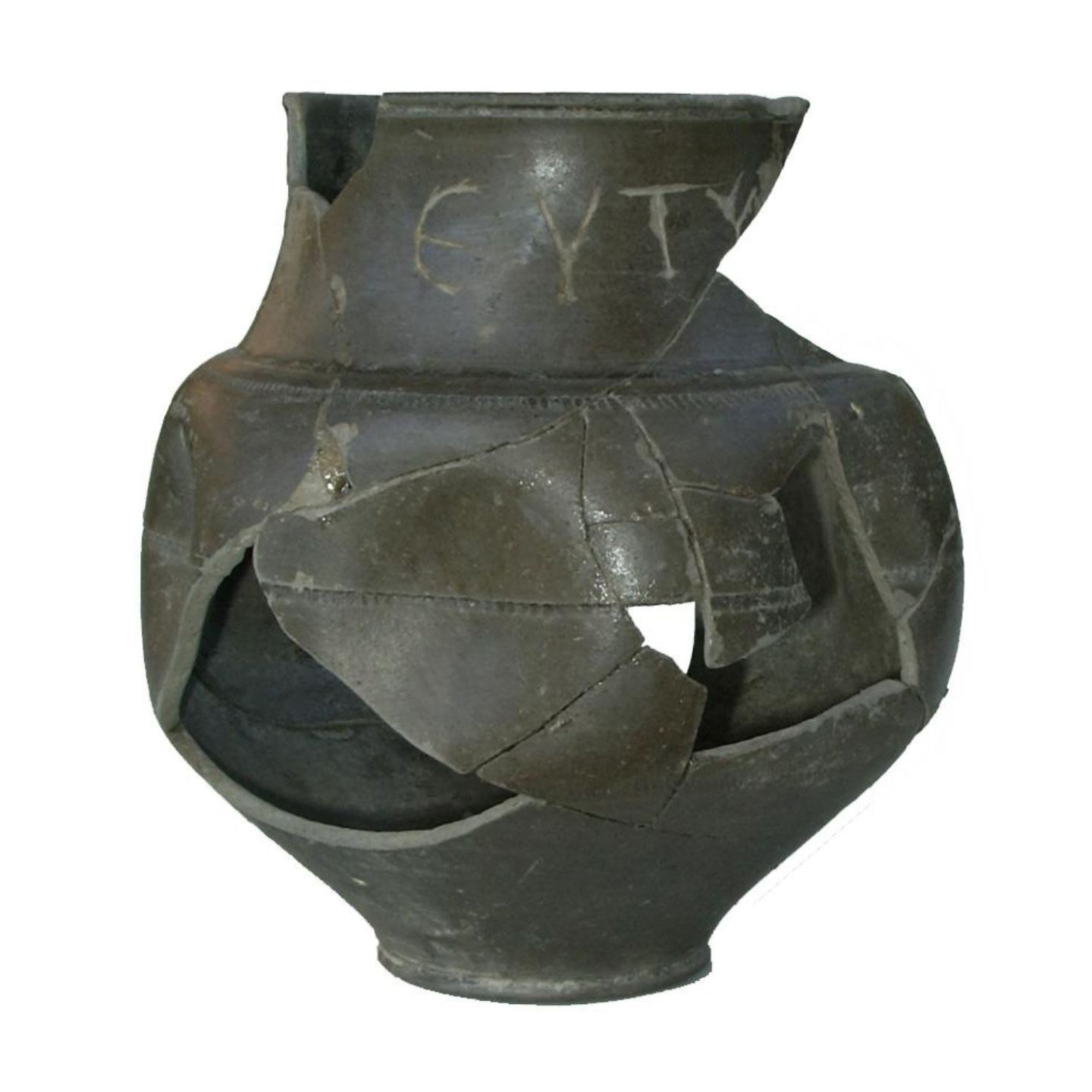
Ceramic cup inscribed with a Greek graffito and recovered from the Mithraeum of Martigny, providing evidence for the use of inscribed vessels within the sanctuary assemblage.

Altar found at Vid near Metković, ancient Narona in Dalmatia, dedicated to Invicto deo Soli by the freedman Marcus Lusius Trofimas.

Archaeological evidence for military Mithraism in north-western Roman Hispania.
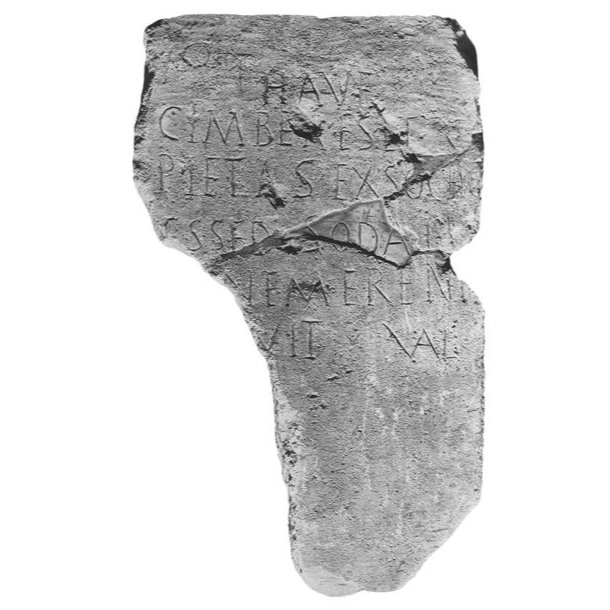
This monument with an inscription by two individuals was found in the first mithraeum of Cologne, Germany.
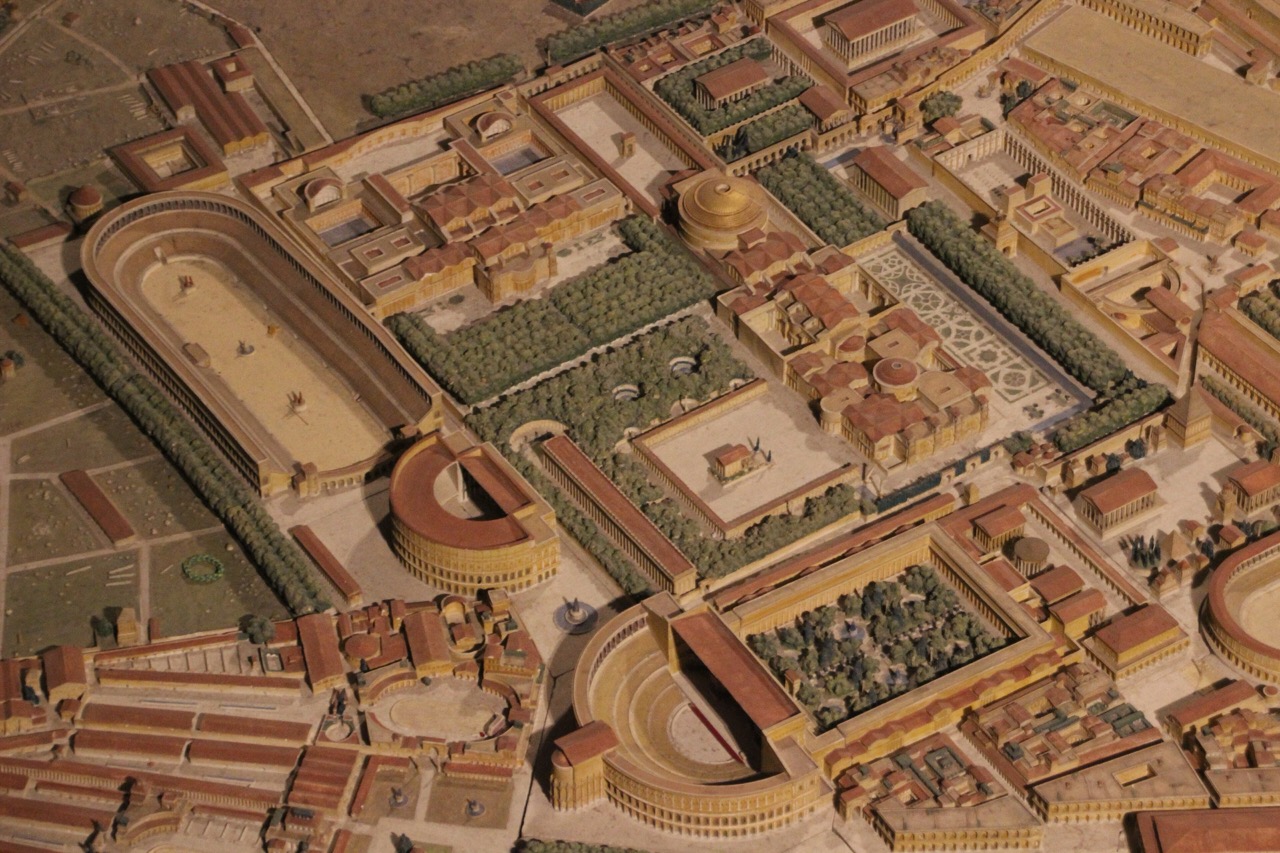
Archaeological evidence shows that the area around Rome has been inhabited since around 14,000 years ago. Excavations support the theory that Rome grew from pastoral settlements on the Palatine Hill, which was built over the area of the Roman Forum.
A dedicatory inscription to Sol Invictus, made by an individual named Eudaemon, found at Glanum (modern Saint-Rémy-de-Provence) in Narbonensis.
The upper part of a dressed male figure from the Mithraeum at Pons Saravi (modern Saarburg) in Belgica, holding a wreath or broad ring in the right hand and a round object in the other, tentatively identified as Aion but without sufficient evidence.

To date, there is no evidence that the so-called Mithraeum of Burham was ever used to worship the sun god.
Mithraic object or evidence from Rome reported as no longer preserved.
White marble trapezium-shaped tauroctony relief probably from Constanța, ancient Tomis in Moesia Inferior, divided into three horizontal registers with the central tauroctony and subsidiary scenes.

