Your search farid ud din attar gave 1818 results.
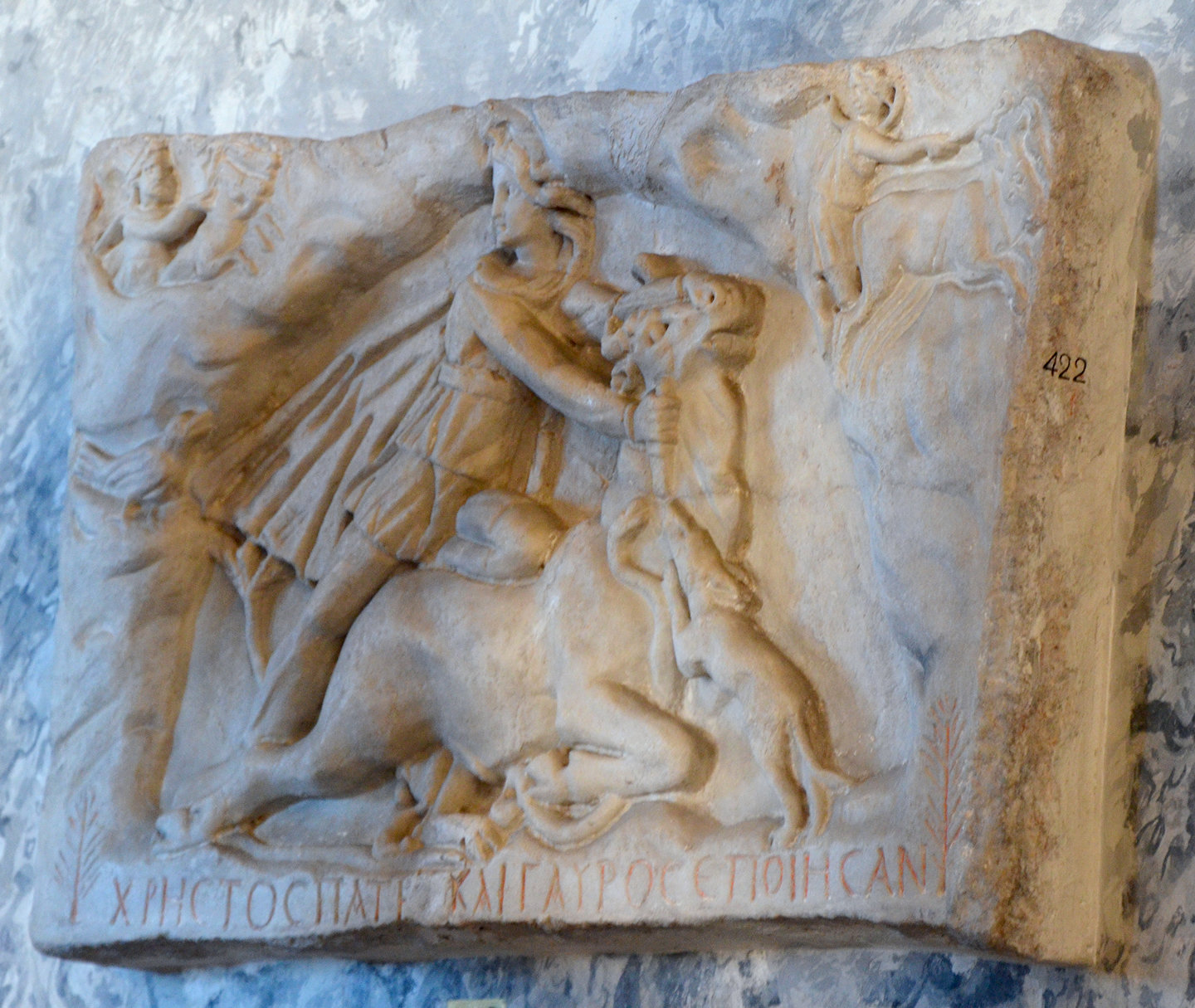
This relief of Mithras killing the bull, signed by a certain Χρῆστος, is on display in the Sala dei Animali of the Vatican Museum.

Pater sacrorum attested in a funerary inscription from Murviel-lès-Montpellier, probably connected with the Mithraic community of Nemausus.

A white marble tauroctony relief of unknown provenance, now preserved in the Lapidary Museum of Verona, depicting the standard Mithraic bull-slaying scene.

Fragment of a sandstone relief from Nida-Heddernheim depicting the torchbearer Cautopates.
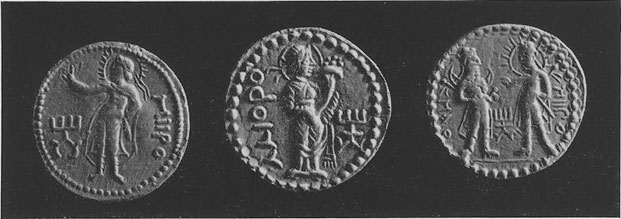
A gold coin depicting a bearded god with a crescent facing another god with a nimbus and a radiate crown, identified as Mithras by Vermaseren.
Small bronze statuette in Oriental dress from the Walters Art Gallery, Baltimore, depicting a figure no longer considered a Mithraic object.
Small bronze torchbearer statuette in Oriental dress from the Cabinet des Médailles, with restored feet and a missing torch-bearing arm.

Bronze torchbearer statuette in a short tunic from the Cabinet des Médailles, holding an upraised torch.

Pair of bronze torchbearer statuettes in Oriental dress from the Cabinet des Médailles, originally belonging to the same sculptural group.

Black jasper gem from the Seyrig collection, depicting Mithras radiate slaying the bull, with the god grasping the muzzle with the left hand and driving a knife into the animal's neck with the right.
Inscription from Corstopitum (modern Corbridge) recording a dedication to Sol Invictus by a vexillation of Legio VI Victrix under the governorship of Sextus Calpurnius Agricola in AD 163.
Marble slab of unknown provenance from Moesia Inferior, preserving only the opening of a dedication to Soli invicto Mithrae.
White marble tauroctony relief fragment of unknown provenance, preserving the foremost part of the bull and part of Mithras as bull-slayer.
Inscription of unknown provenance, recording a dedication by Aurelius Victor, veteran ex praetoriano(?).
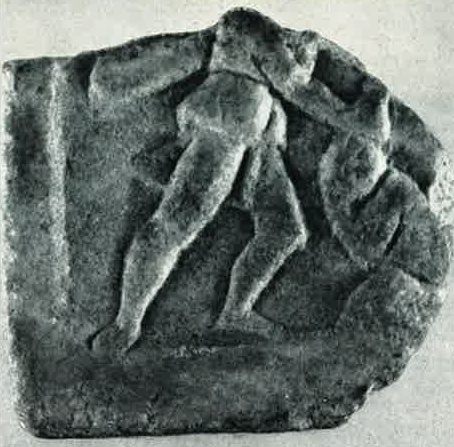
Marble relief fragment from Dacia, depicting Mithras placing a Phrygian cap on the kneeling Sol — one of the more unusual variants of the Mithraic iconographic programme.

The Roman remains of Benifaió, or Benifayó in Spanish, are located on the outskirts of the city. Of particular interest is a rustic villa inhabited between the 1st and 4th centuries according to the numismatic and ceramic remains found.
