Your search franz valery marie cumont gave 236 results.

Ce 4e fascicule de Mithriaca concerne un très curieux monument exhumé au XVIe siècle sur le site d'un Mithraeum qu'on localise tout près de l'église S. Maria in Domnica, non loin de S. Stefano Rotondo où un autre spelaeum fut mis au jour en 1973…

Robert Turcan highlights various examples of the philosophical interpretation, mainly Platonic, of the figure and cult of Mithras.

Callimorphus dedicated this image of the sun god to the invincible sun ’Mythra’.
This inscription, which doesn’t mention Mithras, was found near the church of Santa Balbina on the Aventine in Rome.

Deux extraits rapportés par Eznik de Goghp, Ve siècle, sur la création du Soleil selon les mythologies des mages.

The scholiast Lactantius Placidus comments on Statius’ passage identifying the Sun as Titan, Osiris, and Mithras, interpreting the Persian cave figure with the bull.


Libertus from the Arrii-family to which also belonged the Emperor Antonius Pius.
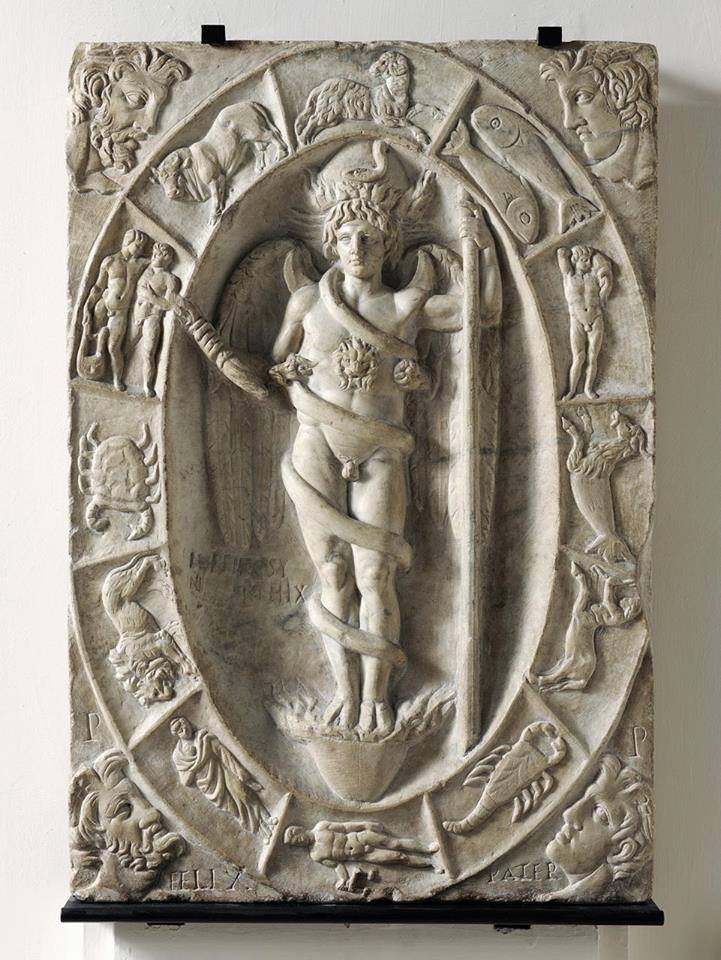
The Aion / Phanes relief, currently on display in the Gallerie Estensi, Moneda, is associated with two Eastern mysteric religions: Mithraism and Orphism.
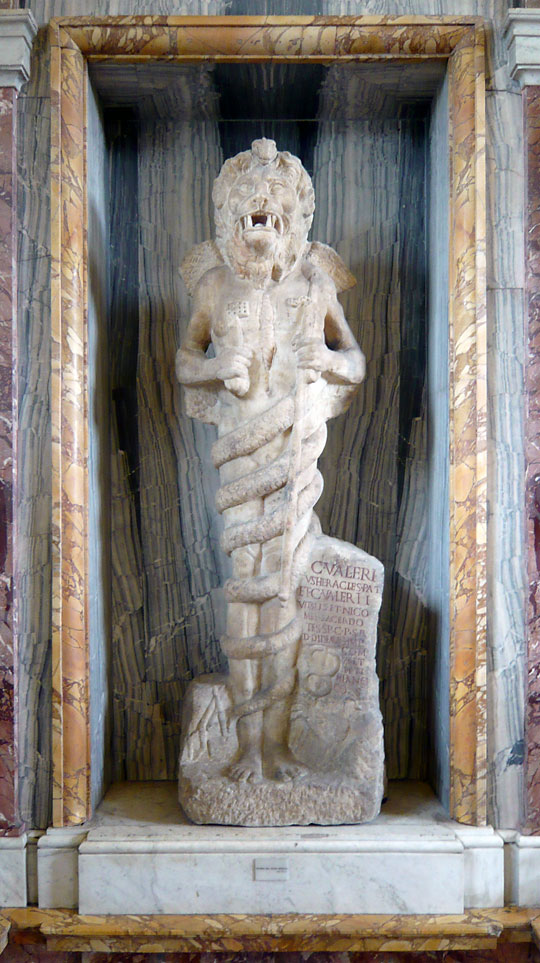
The marble Aion from the lost Mithraeum Fagan, Ostia, now presides the entrance to the Vatican Library.
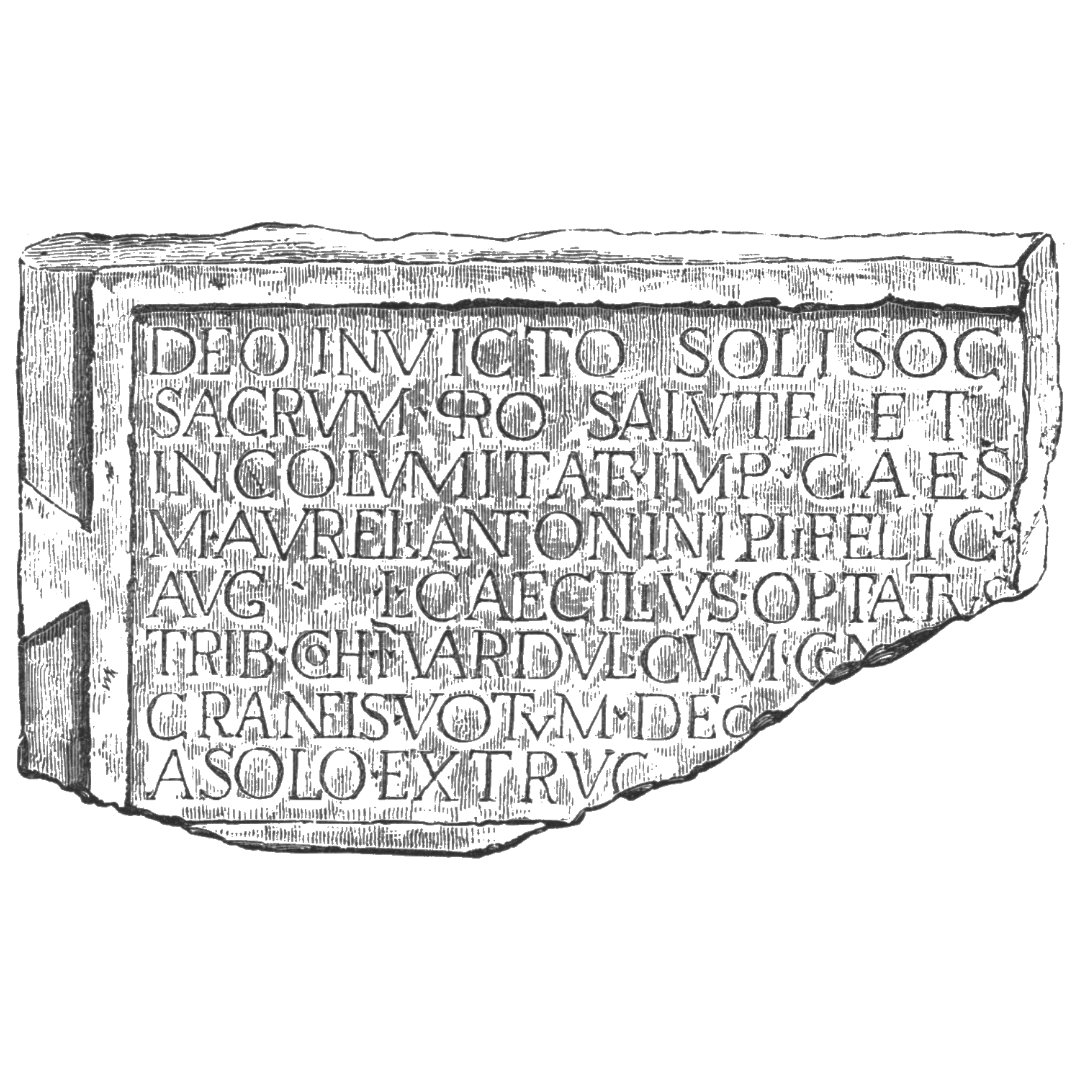
This inscription commemorates the building of a mithraeum in Bremenium with fellow worshippers of Mithras.
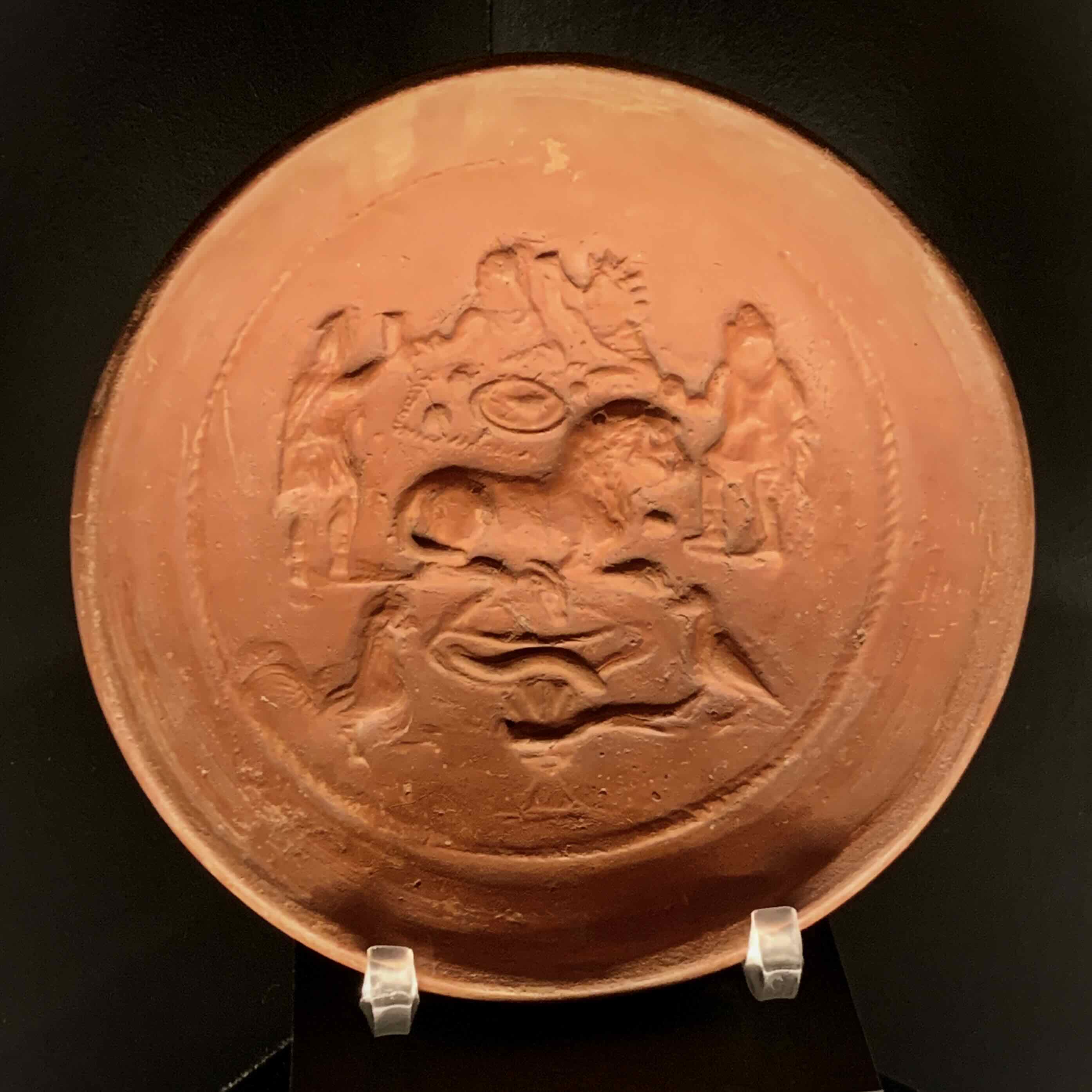
This terra sigillata was found in 1926 in a grave on the Roman cemetery of St. Matthias, Trier. An eyelet indicates that it could have been hung on a wall.

This very fine relief of Mithras killing the bull was discovered in 2014 in Germán, near Sofia, Bulgaria, and is now housed in the Sofia History Museum.

This unusual bronze bust of Sabazios features multiple symbolic elements, with Mithras depicted in his characteristic pose of slaying the bull, positioned just below Sabazios’ chest.

This relief of Mithras killing the bull includes various singular features specific to the Danubian area.
We’ve put together a new table of cross-references of monuments to Mithras in several databases, including Vermaseren’s Corpus, Cumont’s Textes, CIL, l’Année épigraphique, Clauss / Slaby and Heldeiberg’s epigraphic databases, and more…
This inscription found in the Mithraeum Aldobrandini informs us of certain restorations carried out in the temple during a second phase of development.
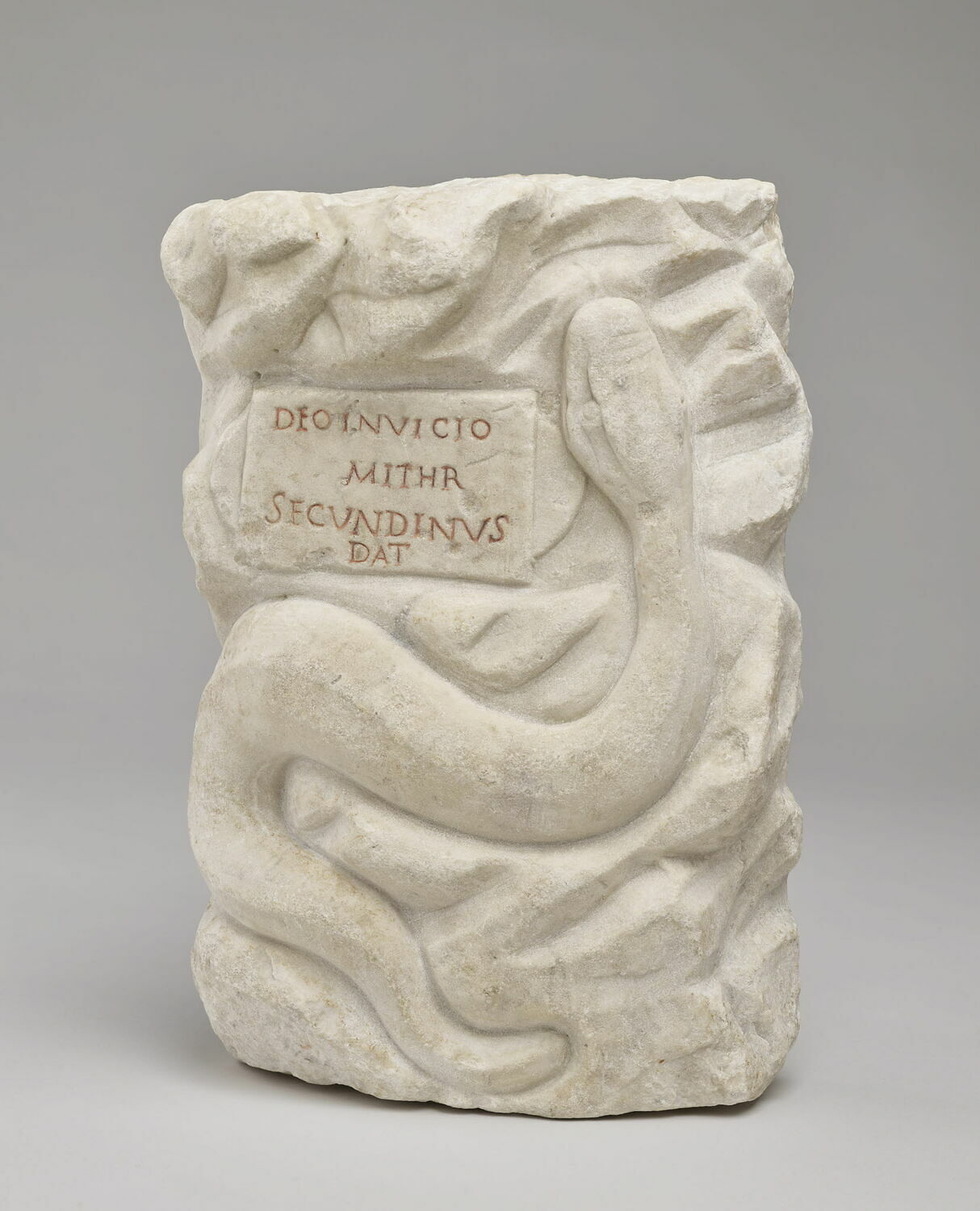
There is no consensus on the authenticity of this monument erected by a certain Secundinus in Lugdunum, Gallia.


