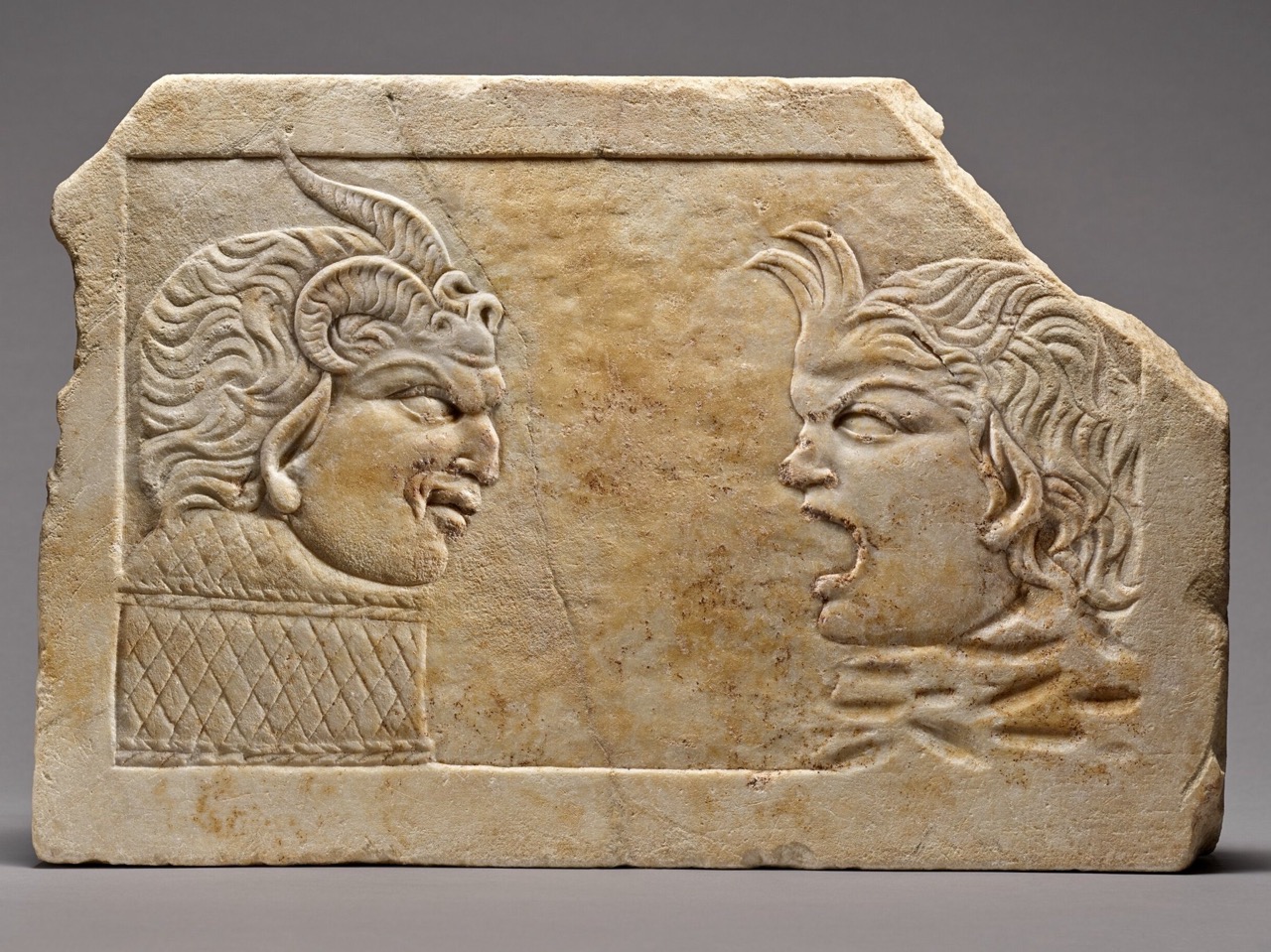
Campos Méndez’s seminal study examining the continuity and transformation of Mithra from his Indo-Iranian origins to the development of the Roman mystery cult.
Archaeological evidence for military Mithraism in north-western Roman Hispania.
Dominique Persoons proposes a reconstruction of Mithraic ritual based on archaeological remains, frescoes, and zodiacal symbolism. He interprets the mithraeum as a liturgical microcosm governing the descent, purification, and ascent of souls.

In these two key passages, Justin Martyr interprets Mithraic rituals and myths as demonic parodies of Christ’s incarnation, the Eucharist, and biblical revelation.
In Letter 107 to Laeta, Jerome combines a pastoral reflection on conversion with an account of the urban prefect Gracchus, who ordered the destruction of a Mithraic cave in Rome, listing the seven grades of initiation associated with the cult.
In these passages from his hymns and satires, Julian articulates a solar theology in which Helios governs cosmic order and time. Within this framework, Mithras appears as a personal divine guide associated with the ascent of souls.
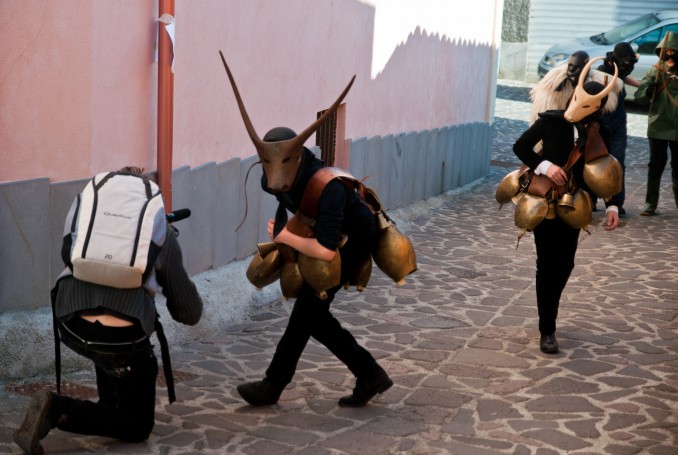
A series of polemical passages in which a leading fourth-century Christian theologian presents the cult of Mithras as a religion defined by cruelty, bodily suffering, and shameful initiation rites.
The article examines two recently discovered Mithraic representations of Cautes from Alba Iulia, focusing on a rare iconographic type showing the torchbearer with a bucranium.
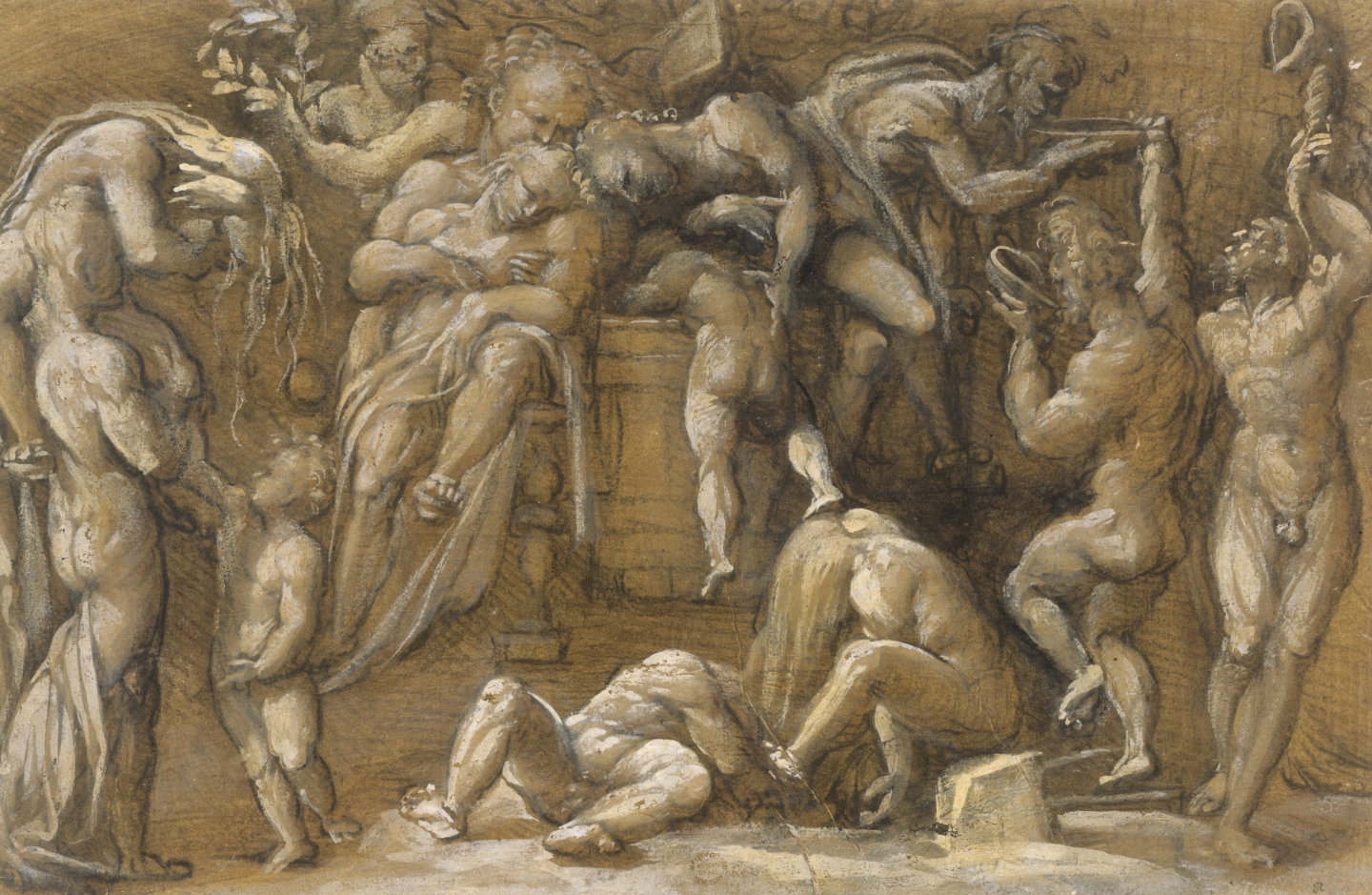
In polemical passages from the late second and early third centuries, Tertullian portrays the cult of Mithras as a demonic imitation of Christian rites and provides rare early references to Mithraic initiation and ritual symbolism.
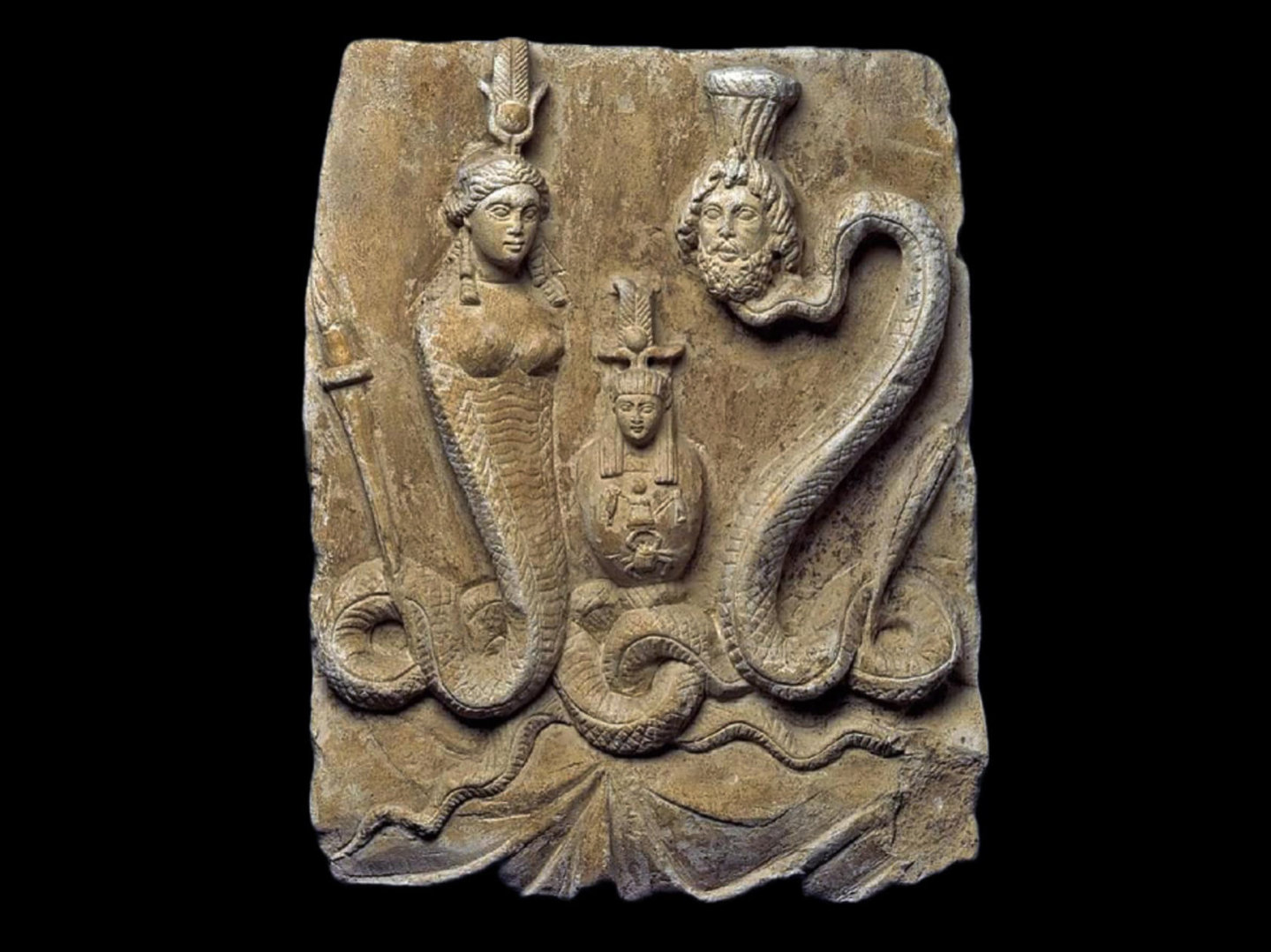
An anonymous late-antique Christian poem, traditionally attributed to Pseudo-Paulinus of Nola (Poema 32, vv. 109–111), that ridicules pagan cults and presents Mithras, Isis, and Serapis as gods of concealment, contradiction, and unstable forms rather than light…
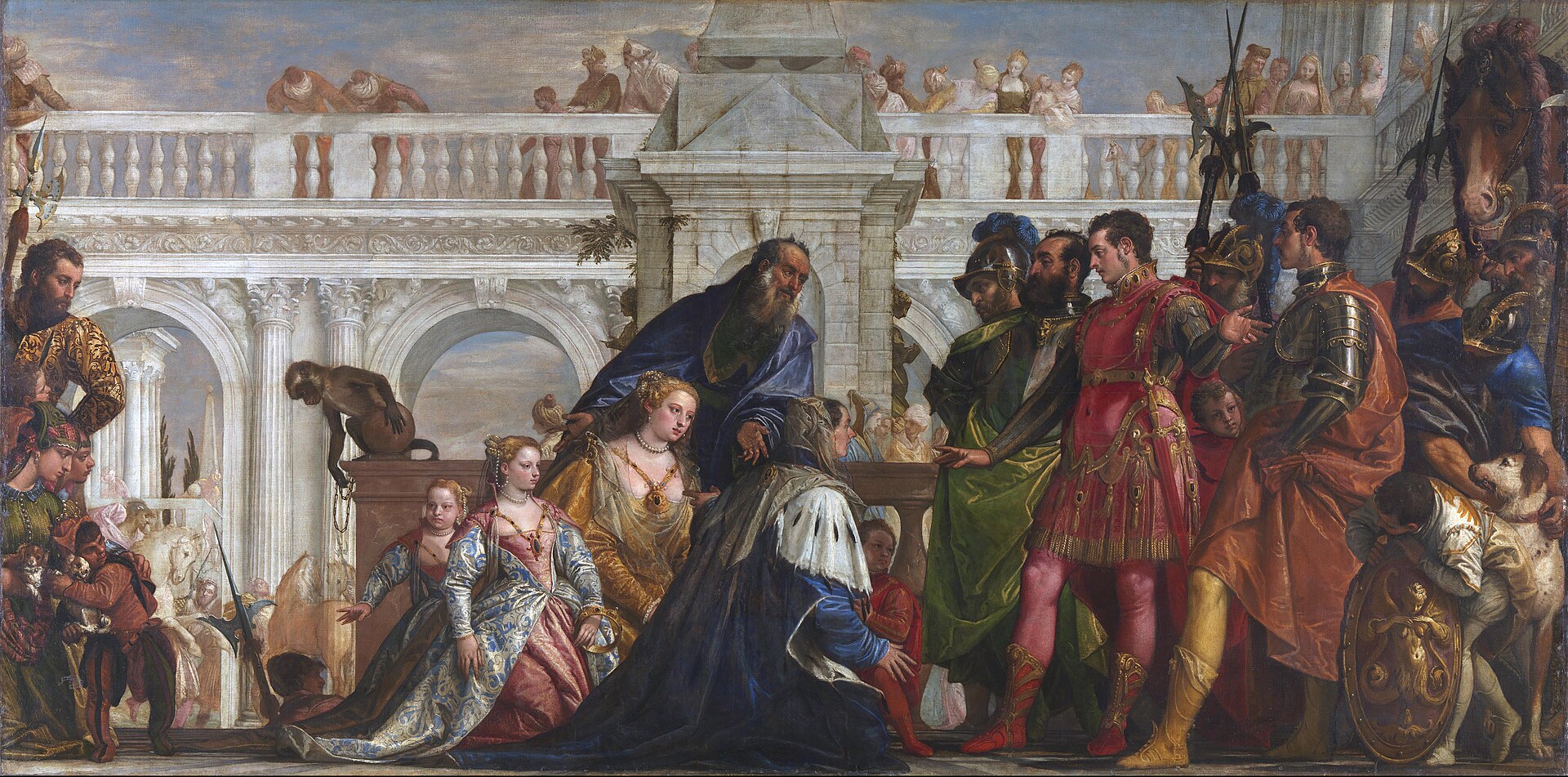
Late antique legendary biography of Alexander the Great (c. AD 300), where history, myth, and imperial ideology merge around figures of divine kingship and solar power.
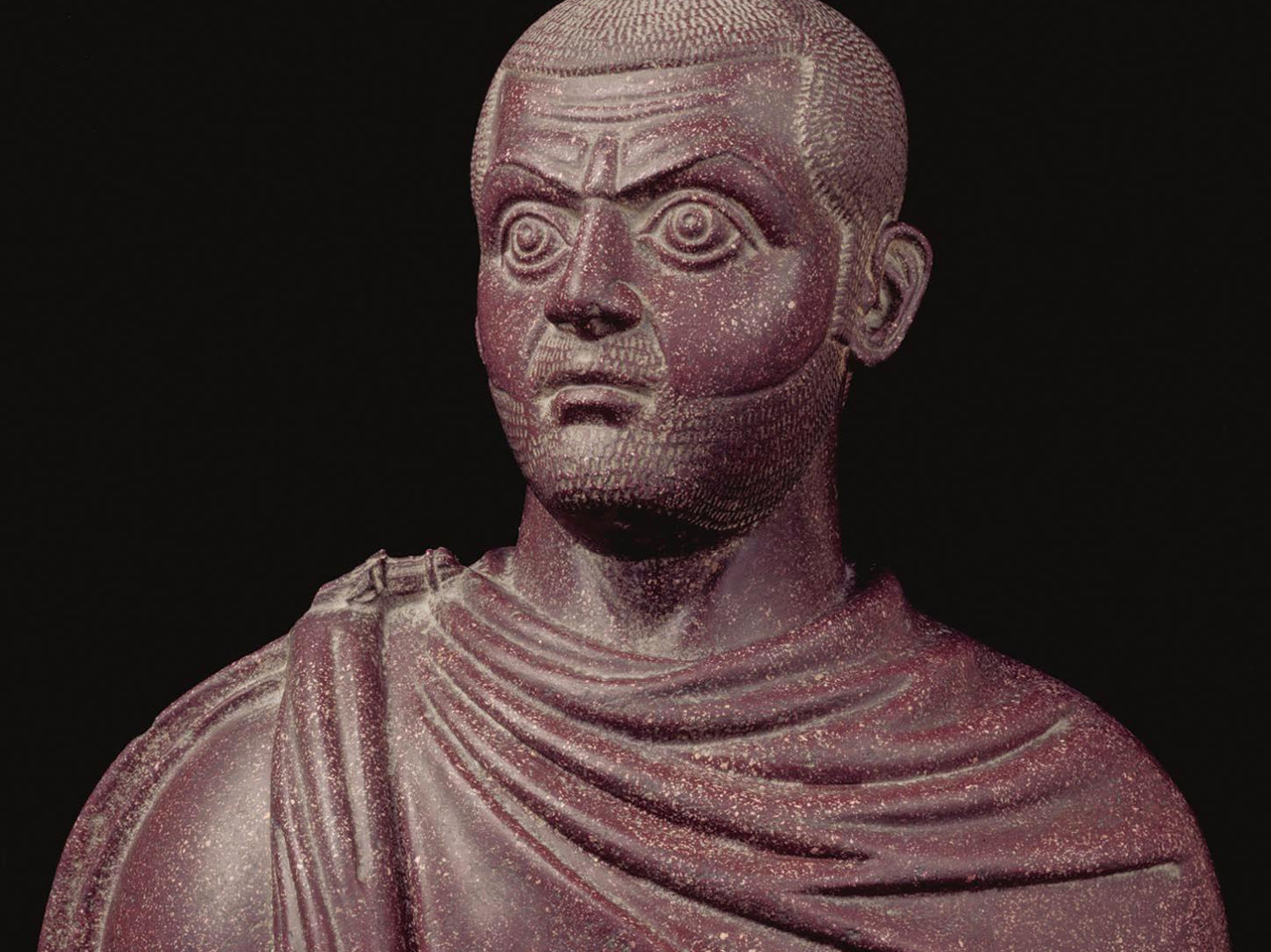
In the eighteenth year of Diocletian’s reign, Galerius Maximianus, persuaded by the sorcerer Theoteknos, consulted demonic oracles in a cave and was urged to initiate the persecution of the Christians.
Radcliffe G. Edmonds III analyses the absence of the moon in the Mithras Liturgy. He argues that this absence reflects a deliberate cosmological framework in which lunar powers linked to genesis are excluded from the ritual of ascent.
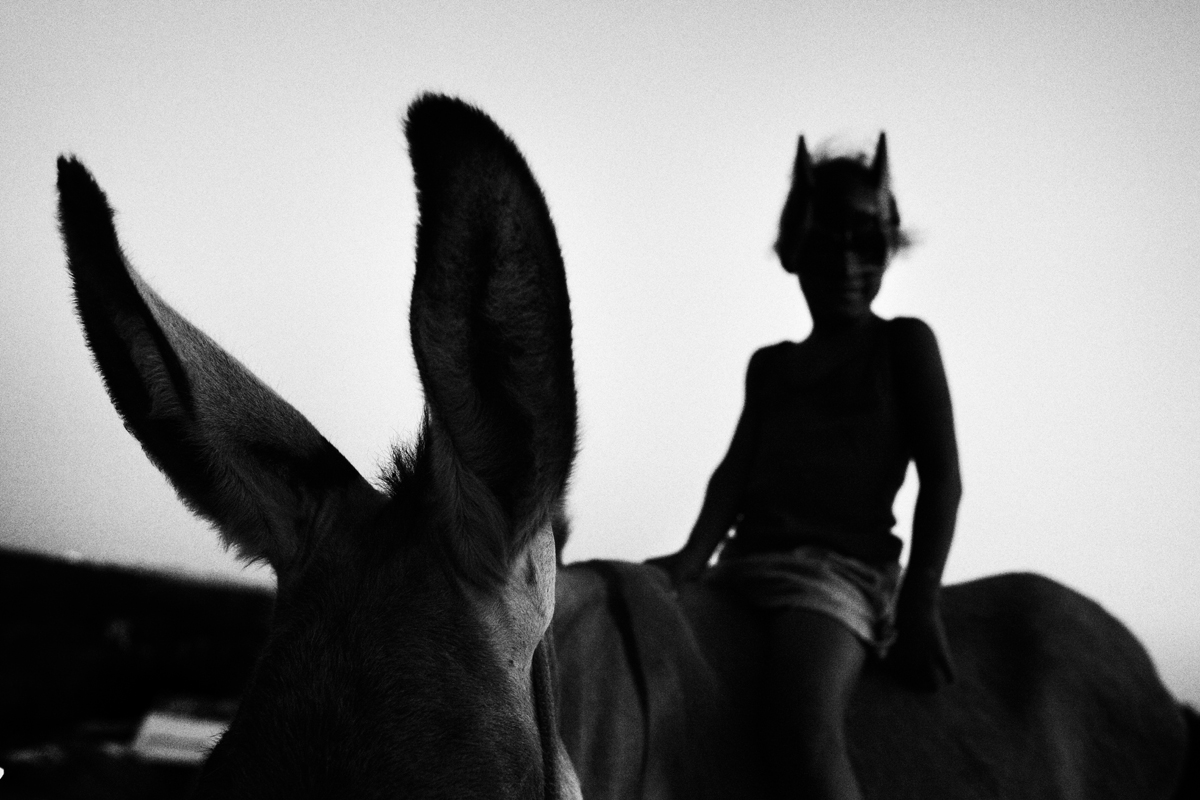
Mithras the Cattle-Rustler: The Persian Cult of Fire as Divided into Sexed Powers and the Hidden Cave Rites of the Magi.

In Plutarch’s Life of Alexander, the grieving Darius binds the eunuch Tireus by the light of Mithras to reveal the truth about his captive wife Statira, a solemn appeal that leads to unexpected praise for Alexander’s honor and restraint.

Passage from Plutarch’s Life of Pompey, recounting the rise, power, and insolence of the Cilician pirates before Pompey’s campaign to suppress them.

Two extracts from De abstinentia ab esu animalium by Porphyry on sacrifices and the importance of abstinence from animal food among Persian Magi.

Of Isis and Osiris or Of the Ancient Religion and Philosophy of Egypt, Plutarch, The Moralia.

Deux extraits rapportés par Eznik de Goghp, Ve siècle, sur la création du Soleil selon les mythologies des mages.
