Your selection in monuments gave 31 results.

The relief of Palazzo Colonna, Rome, depicts a lion-headed figure holding a burning torch in his outstretched hands.
.jpg)
The controversial Italian journalist Edmon Durighello discovered this marble statue of a young naked Aion in 1887.
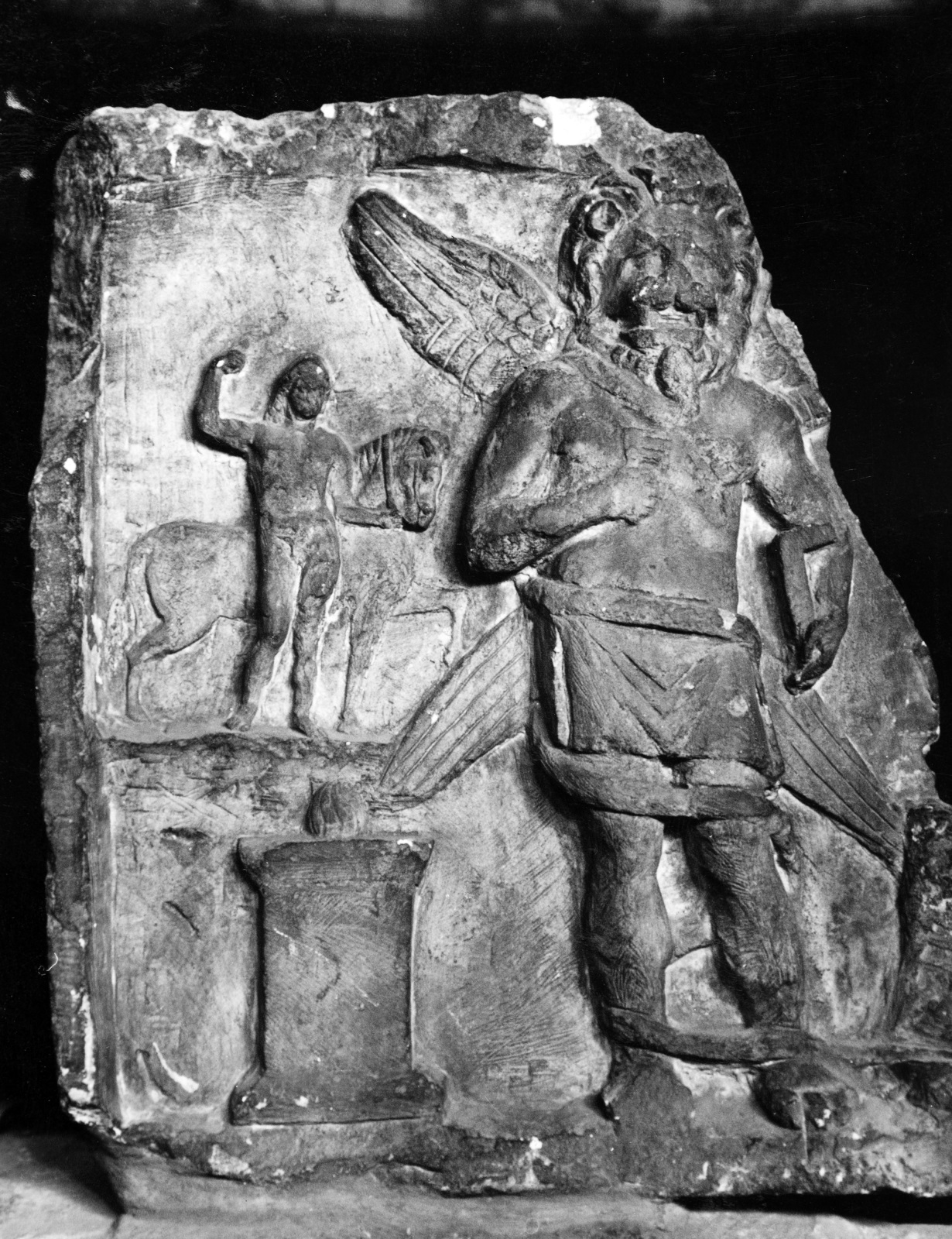
The relief of Aion from Vienne includes a naked youth in Phrygian cap holding the reins of a horse.

Minto has claimed that the time god Aion was painted on the corner of the north wall of the Mitreo de Santa Capua Vetere.
This statuette was bought by A. Wiedemann in Luxor in 1882 from a man from Kus.
This Aion is known for wearing a Kalathos on his lion’s head, linking him to the syncretic Sarapis.
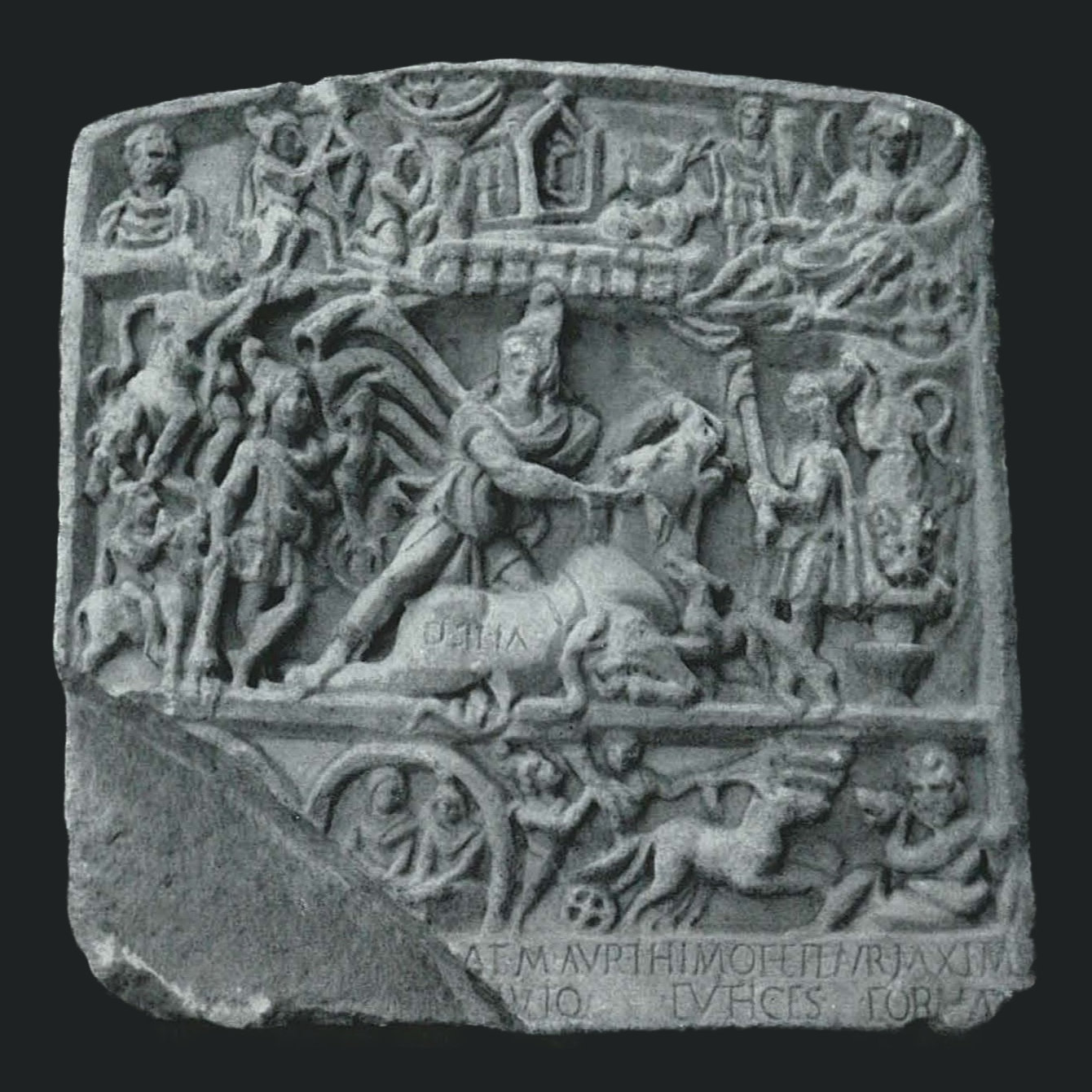
This marble relief of Mithras killing the bull was made by a freedman who dedicated it to his old masters.
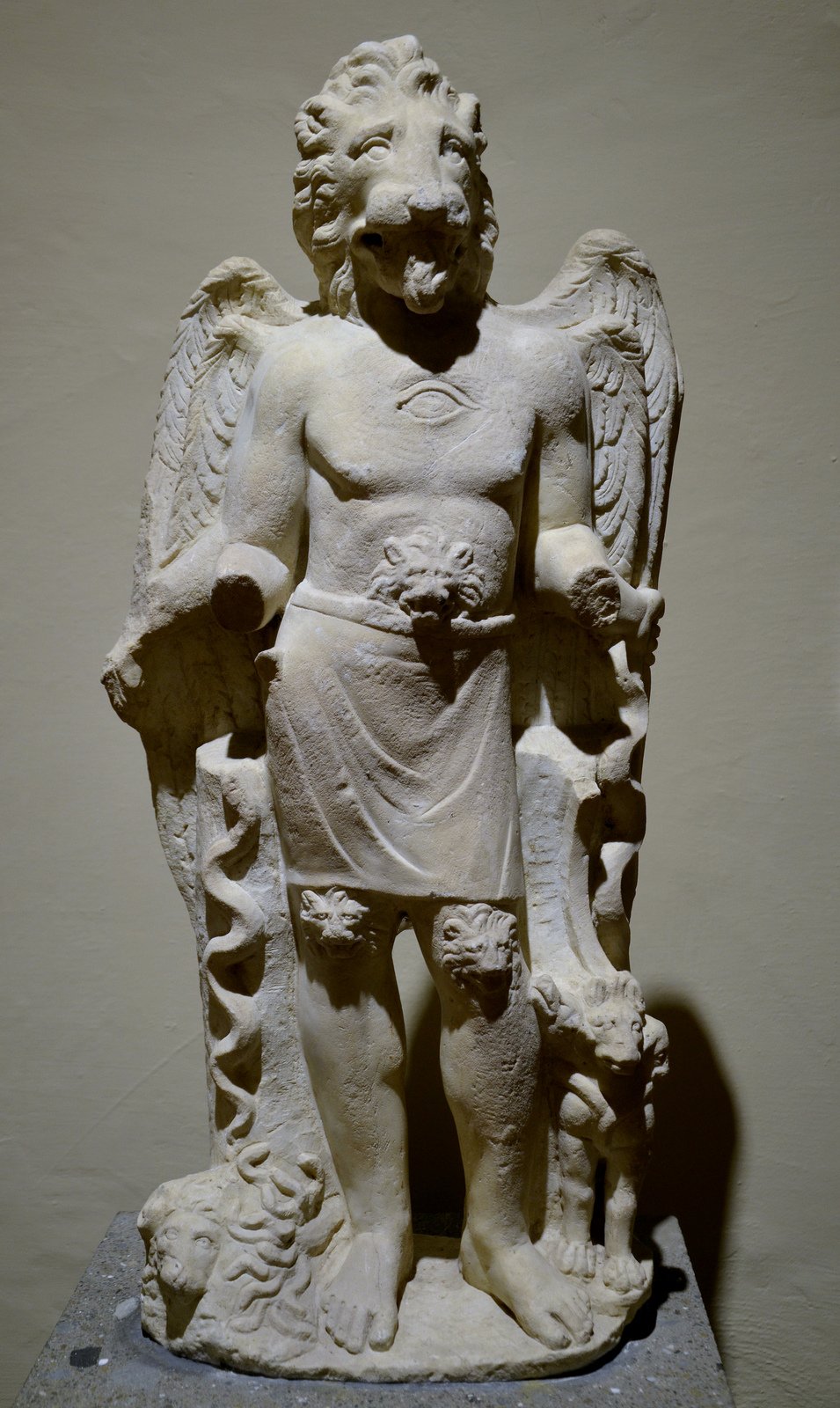
This lion-headed marble was found on the ruins of the Alban Villa of Domitianus.
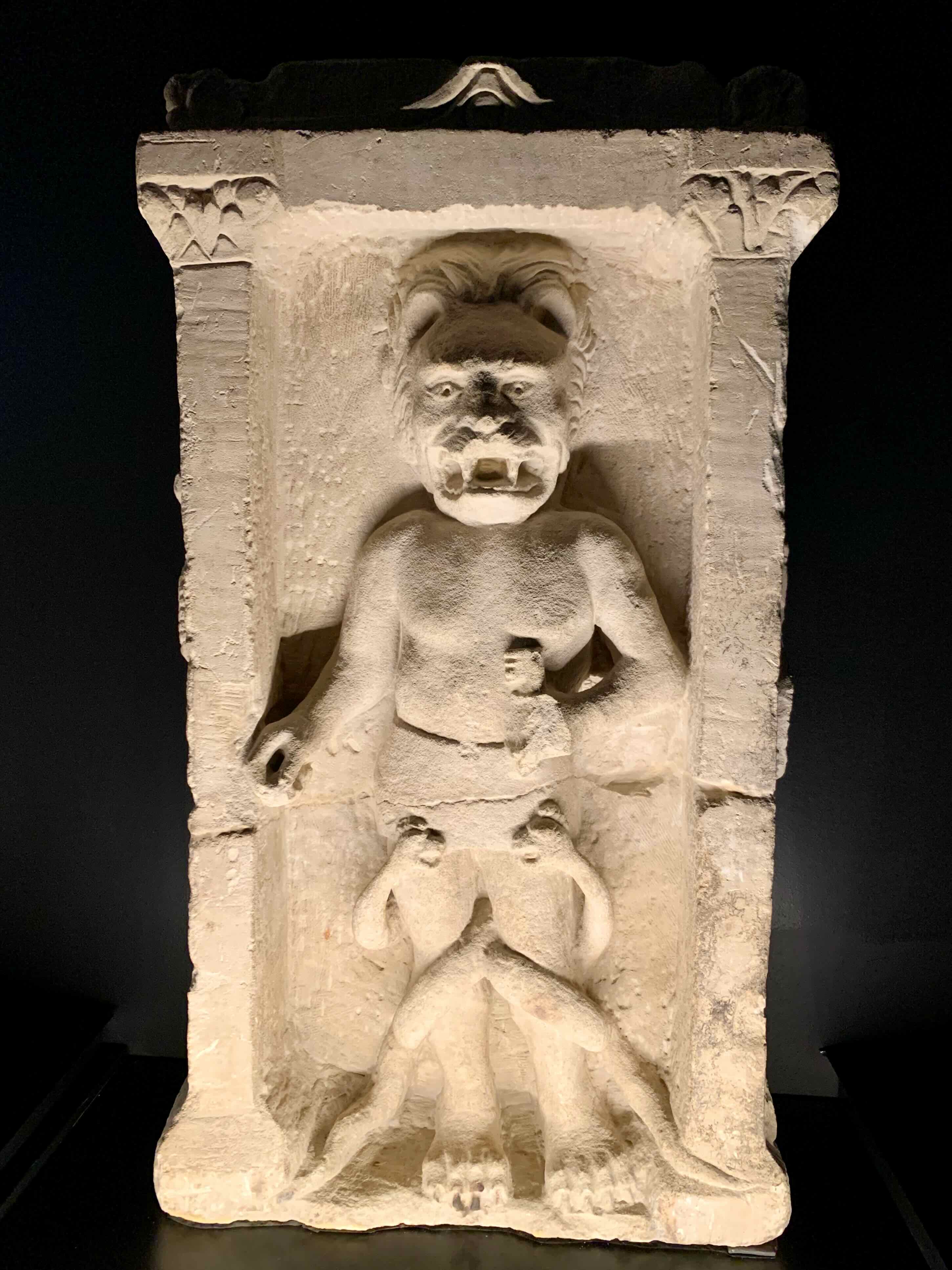
The altar depicting a lion-headed figure from Bordeaux includes a sculpted ewer and a patera on the sides.
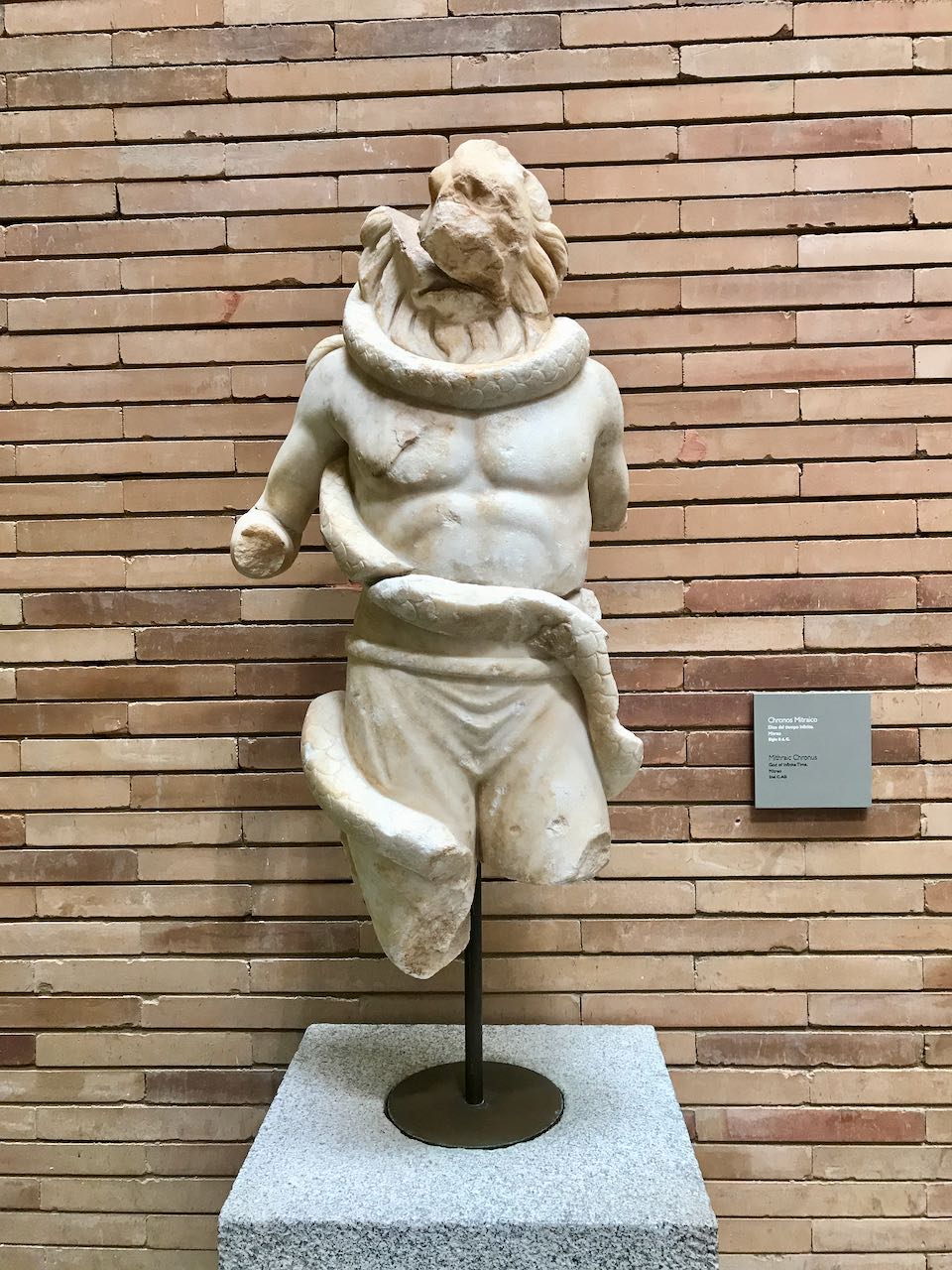
The lion-headed figure, Aion, from Mérida, wears oriental knickers fastened at the waist by a cinch strap.
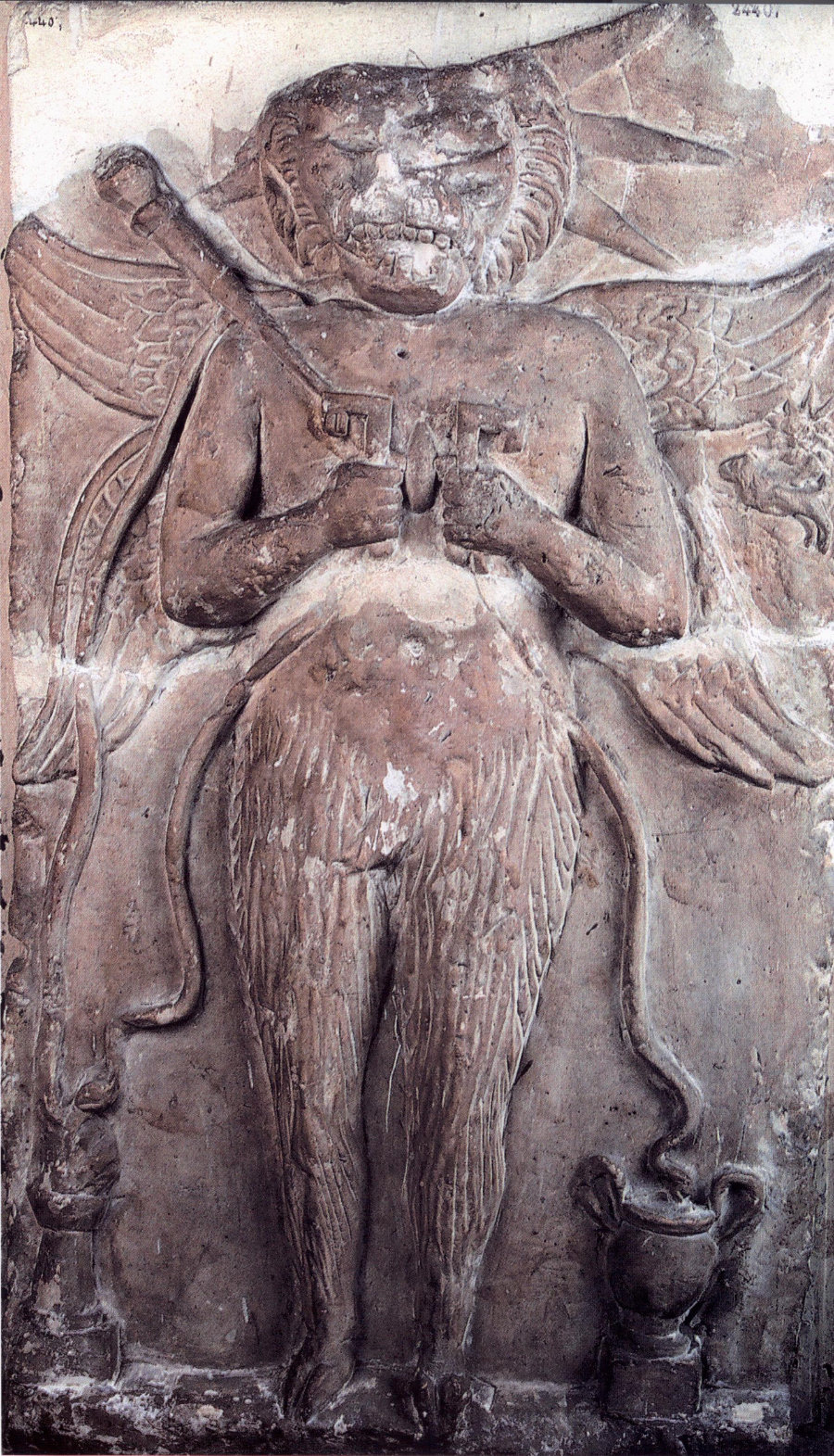
According to Pettazzoni Aion in general finds its iconographical origin in Egypt. Mithras must have been worshipped in Egypt in the third century B.C.
