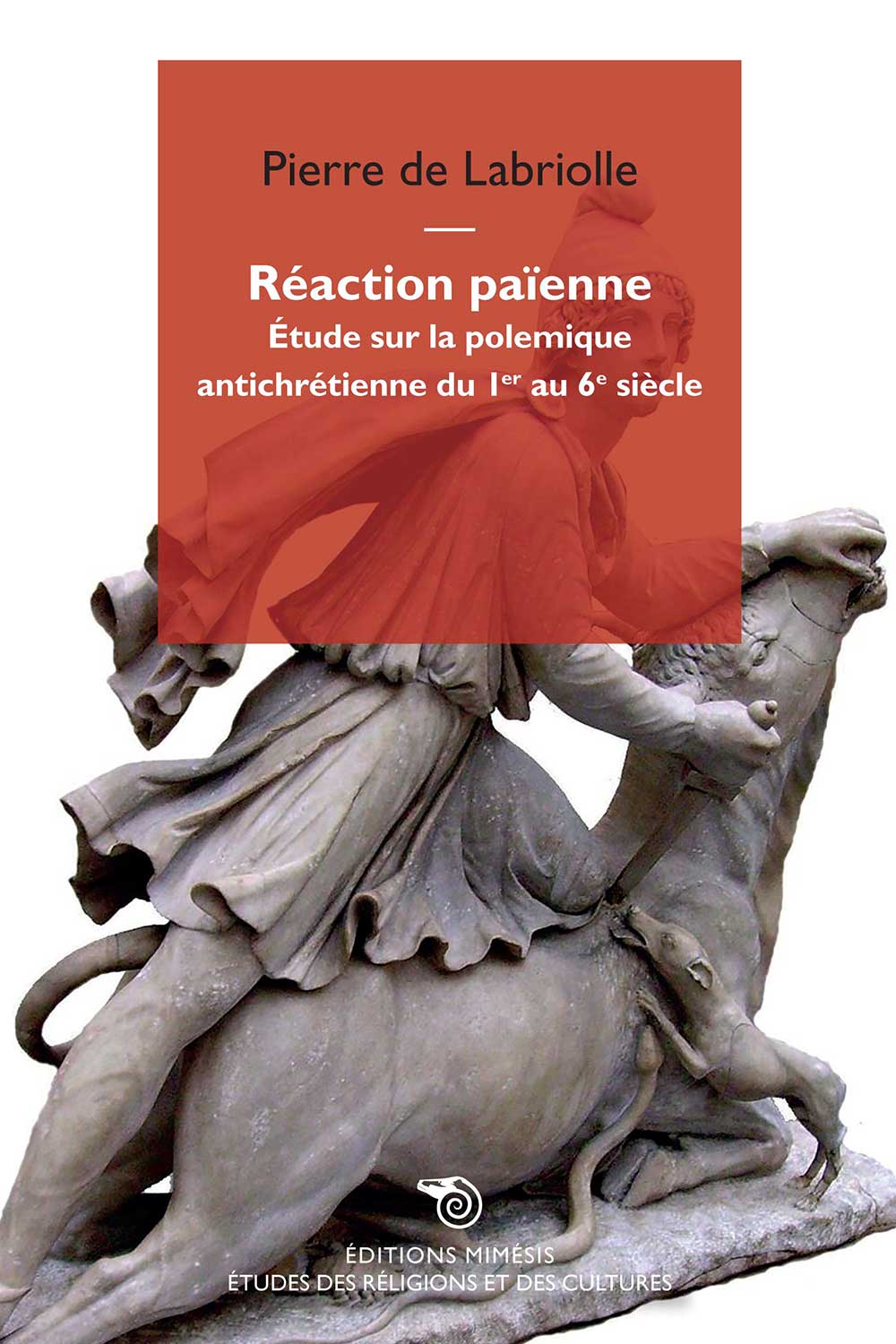
Filtering by Genre / Topic: antiquity in books gave 208 results.
Manfred Clauss's introduction to the Roman Mithras cult has become widely accepted as the most reliable and readable account of this fascinating subject.
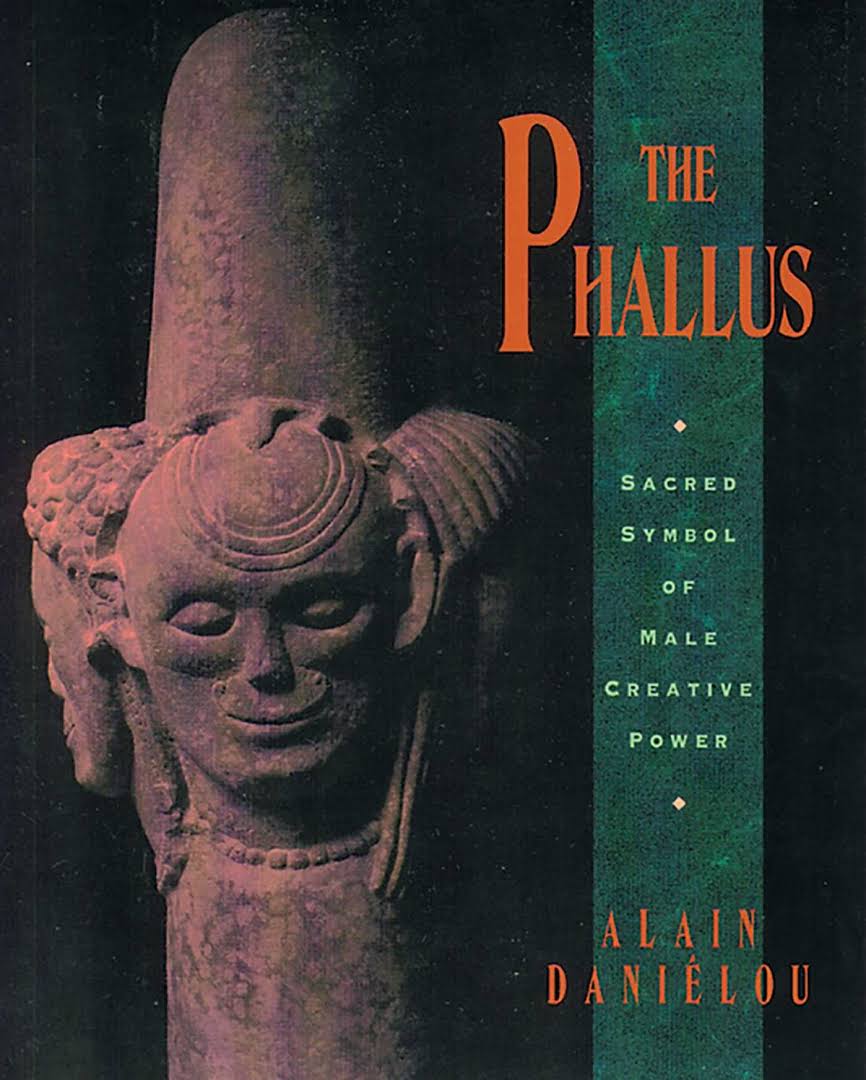
Alain Daniélou explores phallic symbolism across religious traditions, from prehistory to India, Egypt and the Greco-Roman world, taking the lingam and the cult of Shiva as his main points of reference.
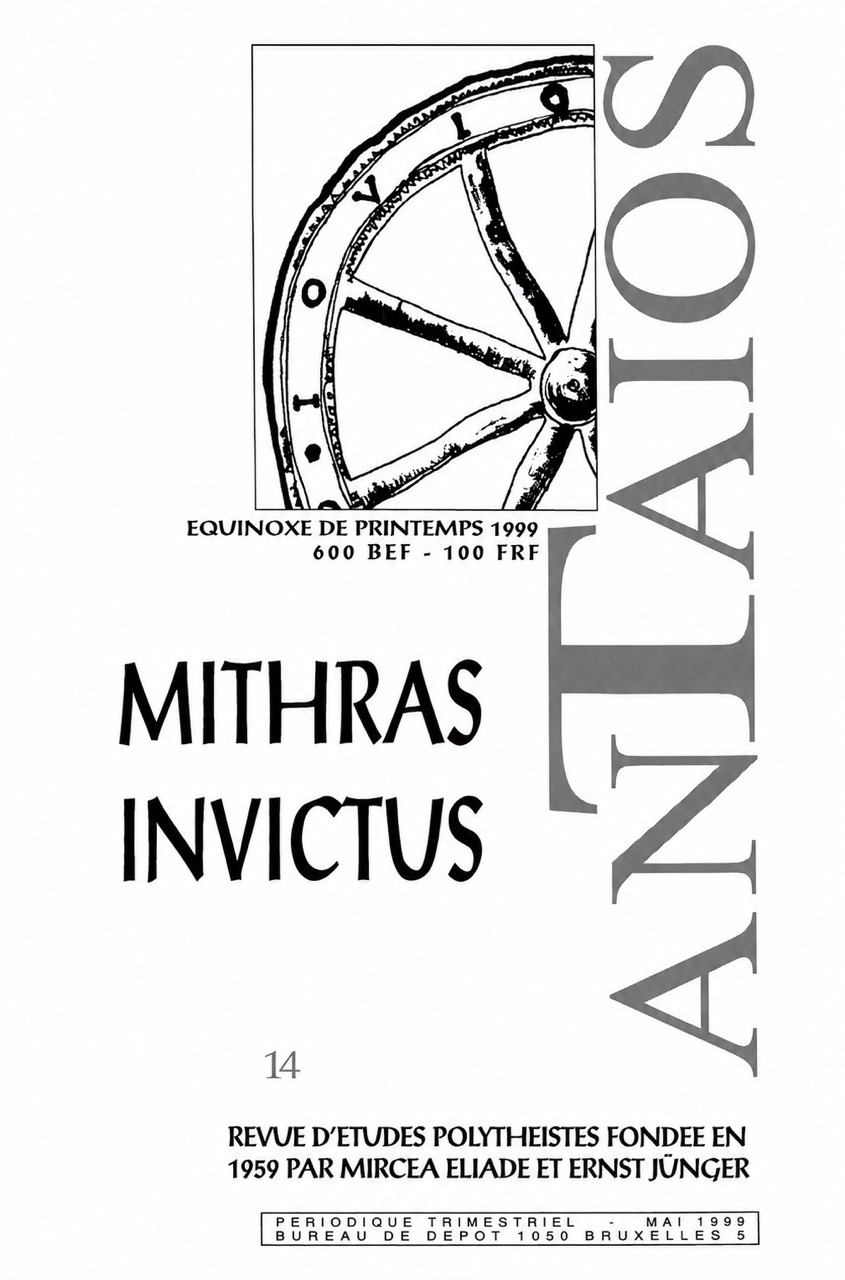
Antaios, numéro dédié au culte de Mithra avec des articles, entrevues, poèmes et d'autres textes.
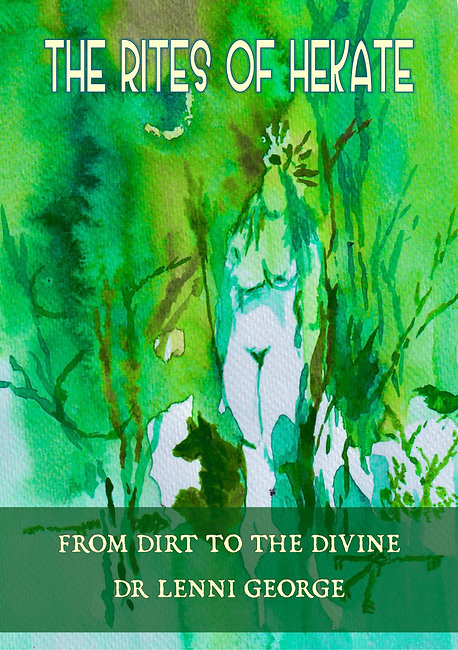
The Rites of Hekate is a personal yet deeply rooted academic account of the current understanding of this ambivalent goddess, presented as an arcane and liminal archetype.
Francesco Massa examines how the concept of mysteria was transformed in the Roman Empire, as Christian authors from the mid-second century CE adopted the language of mysteries to articulate their own rituals and beliefs, reshaping understandings of both Christian and traditional cults…
This collective volume explores the ways ancient peoples interacted with divine powers through prayer, magic, and the interpretation of the stars. Drawing on evidence from Mesopotamia to Late Antiquity, it situates these practices within broader religious and cosmological systems…
Fritz Saxl interprets Mithraism primarily through its images, proposing the cult as a visual cosmology structured around the descent, sacrifice and re-ascent of light, developed in close dialogue with Aby Warburg and Erwin Panofsky.
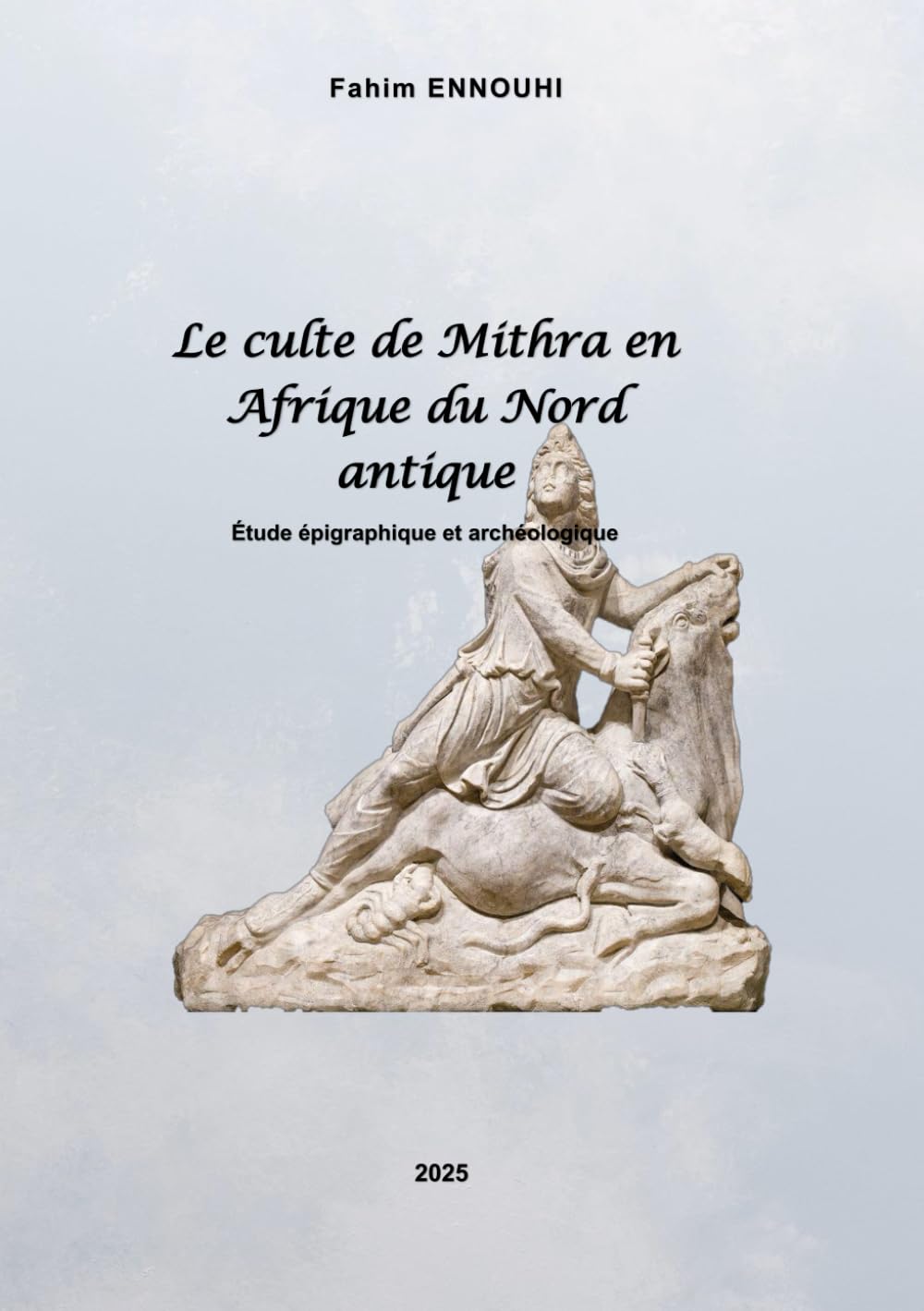
Cet ouvrage propose une étude d’ensemble du culte de Mithra en Afrique romaine. S’appuyant sur un rigoureux examen croisé des sources épigraphiques, archéologiques et littéraires, il restitue l’histoire et les spécificités de ce culte à mystères sur le sol africain…
A Roman centurion investigates a ritual murder and a deadly new weapon, the Fire of Mithras, from the alleys of Lutetia to the battle of Argentoratum.
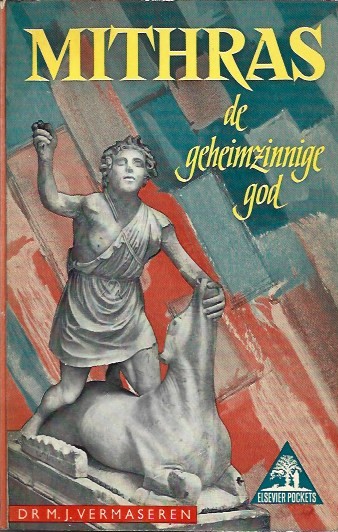
De oorspronkelijke Nederlandse uitgave van 1959 introduceerde het werk van Vermaseren, dat als klassiek geldt in de populaire studie van het mithraïsme en dat de belangstelling voor deze cultus blijvend heeft gevormd.


Collection of early passages on the cult of Mithras, curated and translated by A. S. Geden.

Kerivel explore voie mystique des Alévis que, selon lui, trouve son origine dans la très ancienne religiosité des peuples iraniens et sur les structures et les rituels du culte de Mithra.

Genet aborde les thèmes qui lui sont chers, dans les règles de l’art mais en laissant affleurer un lyrisme bien tenu.

Robert Turcan présente les dévotions immigrées dans le monde romain, sans négliger les cultes marginaux ou sporadiques, traitant également des courants gnostiques, occultistes et théosophiques.

Le présent volume les réunit en les assortissant de deux contributions inédites sur l’échelle mithriaque et sur le dieu au serpent des stèles danubiennes.

Employing all the available data & survivals of the historic Persio-Roman Mithraics. Embodying versions of Zoroastrian Scriptures; Combining the religions of all races & times...

Born in the mists of history, Mithras, the deity of light, known for at least 3,500 years and still revered today, has appeared in different ages, religions and forms. This volume explores the sources of the god's history, with a focus on the Roman myths of Mithras…

Este es un libro que pretende esbozar un panorama general de los documentos mitraicos repartidos a lo largo del Imperio romano.