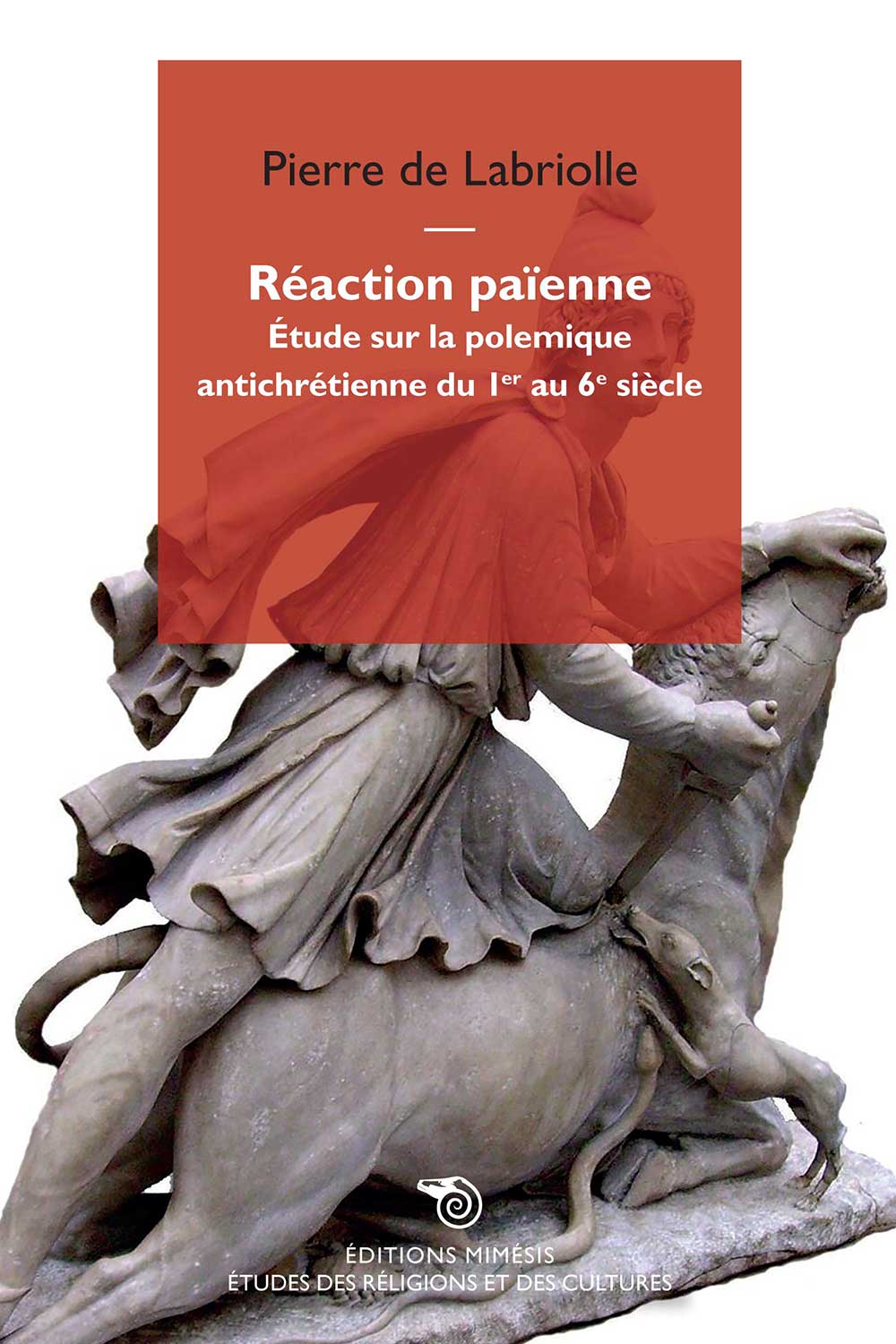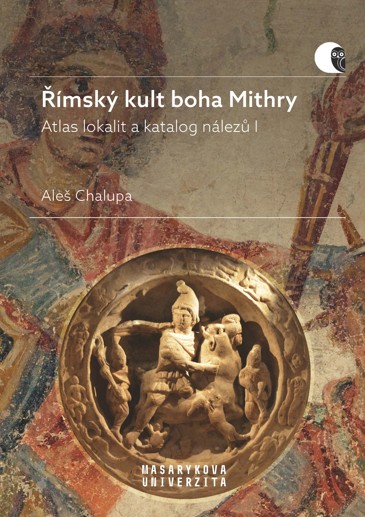
A comprehensive and critically updated catalogue of Mithraic sites, monuments and artefacts across the Roman world, incorporating both accepted and disputed evidence while reassessing decades of scholarship in light of recent research.
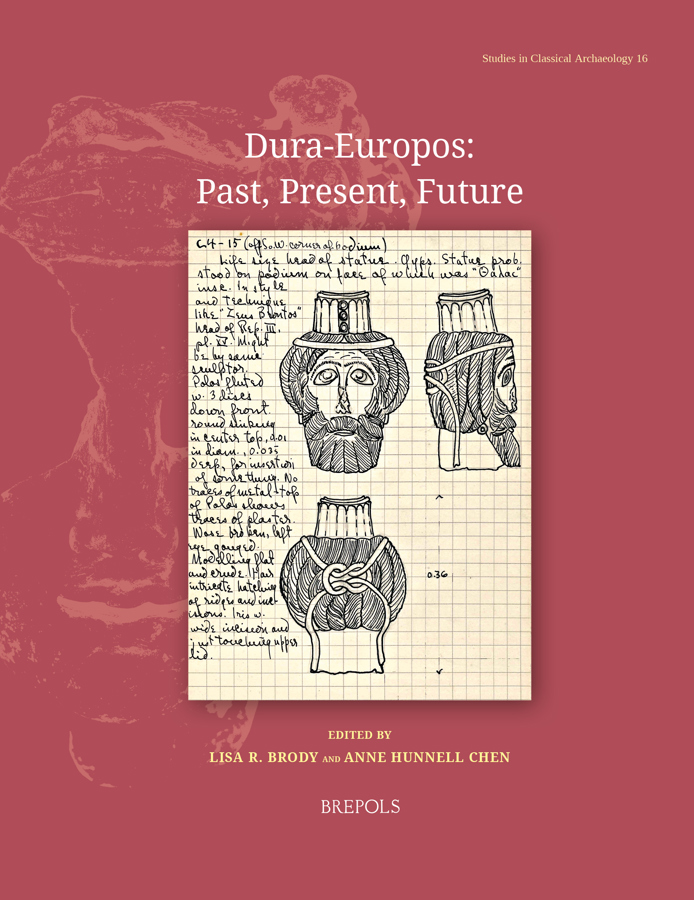
Proceedings from an international conference on the ancient city of Dura-Europos (Syria) held at Yale University in 2022, with papers that explore its cultural heritage through multidisciplinary research approaches.
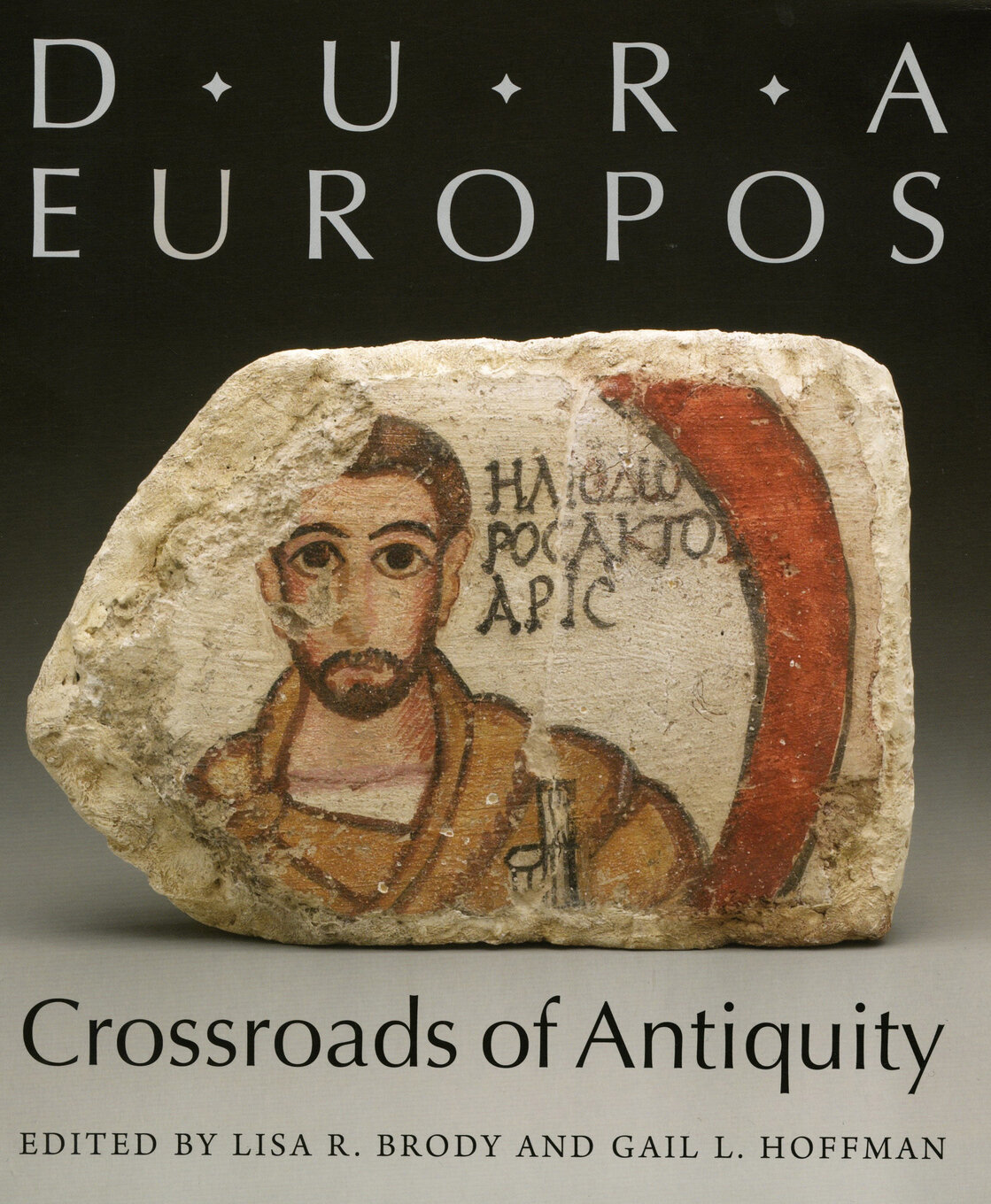
An interdisciplinary volume exploring the history, archaeology, and cultures of Dura-Europos from the Hellenistic to the Islamic period.

A comprehensive reassessment of the introduction, development and early decline of Mithraism in Roman Hispania, combining socio-historical analysis with the most complete catalogue of Hispanic Mithraic evidence currently available.
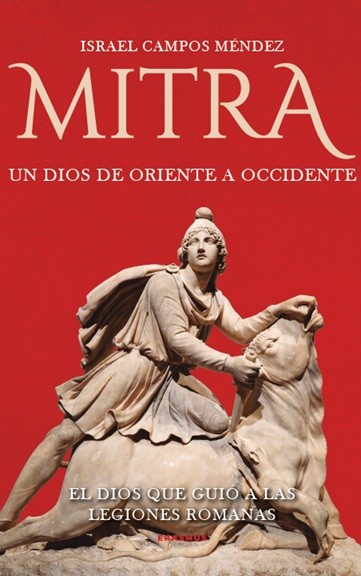
Un recorrido por los orígenes, la expansión y el legado de Mitra desde Persia hasta el corazón de Roma.
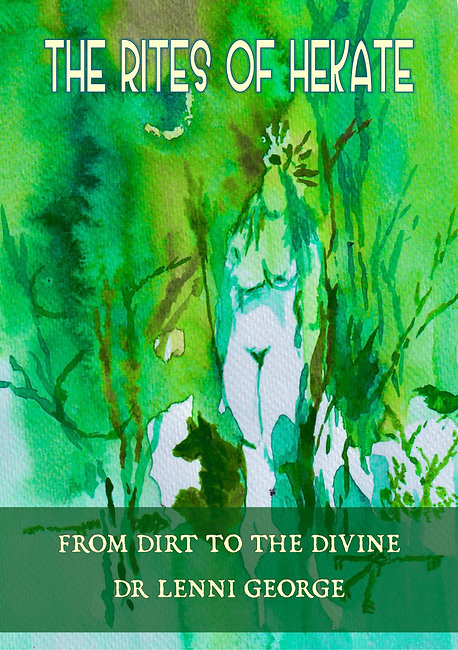
The Rites of Hekate is a personal yet deeply rooted academic account of the current understanding of this ambivalent goddess, presented as an arcane and liminal archetype.

A selection of texts gathered by Ernesto Milá that reinterprets Mithraism as an initiatory, solar, and heroic cult. It includes the so-called Great Magical Papyrus of Paris, translated and commented by Julius Evola and the Ur Group.
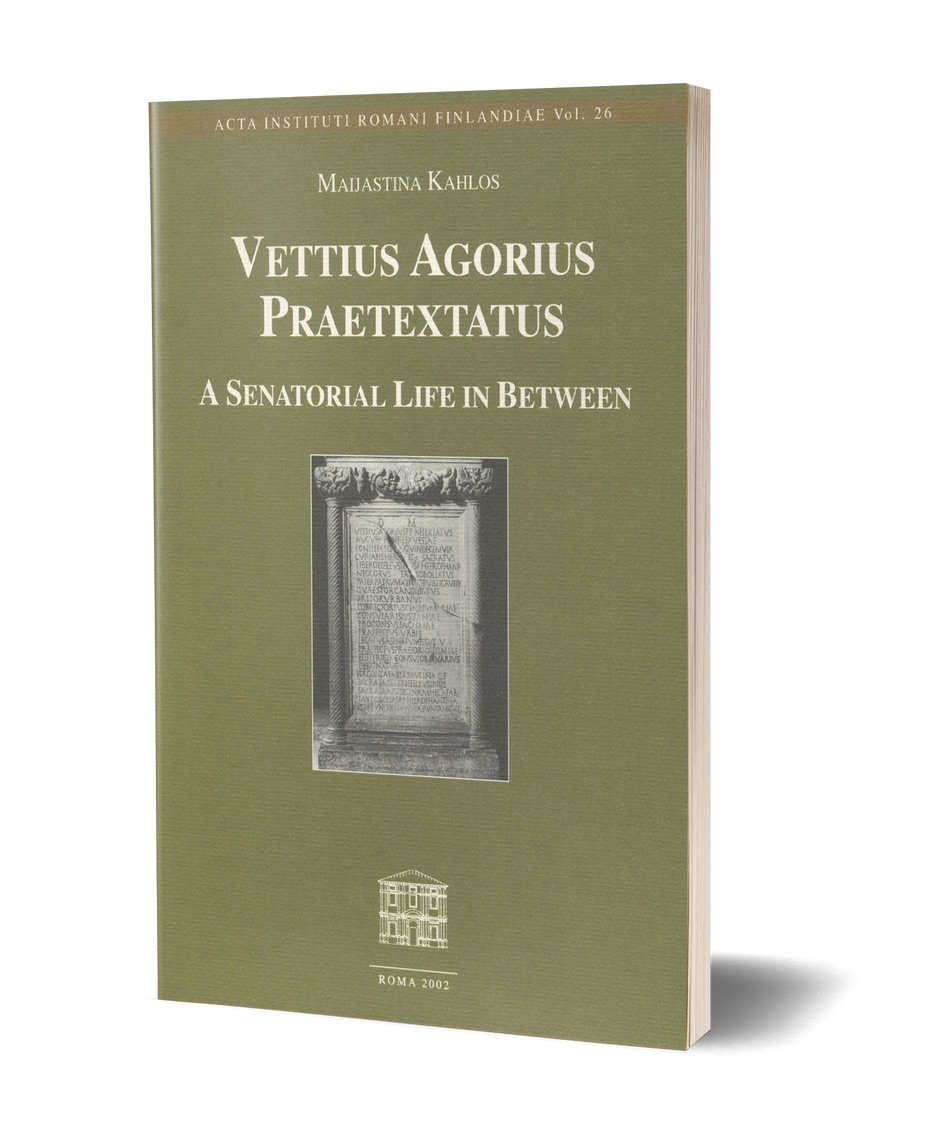
The cultural and religious world of fourth-century Rome is explored through the life and afterlife of Vettius Agorius Praetextatus. His case is set in comparison with other pagan and Christian senators of the period.

From the late first century CE, Mithras spread across the Roman Empire, leaving more than 130 sanctuaries and nearly 1,000 inscriptions. This volume offers a rigorous synthesis that renews our understanding of this enigmatic cult.
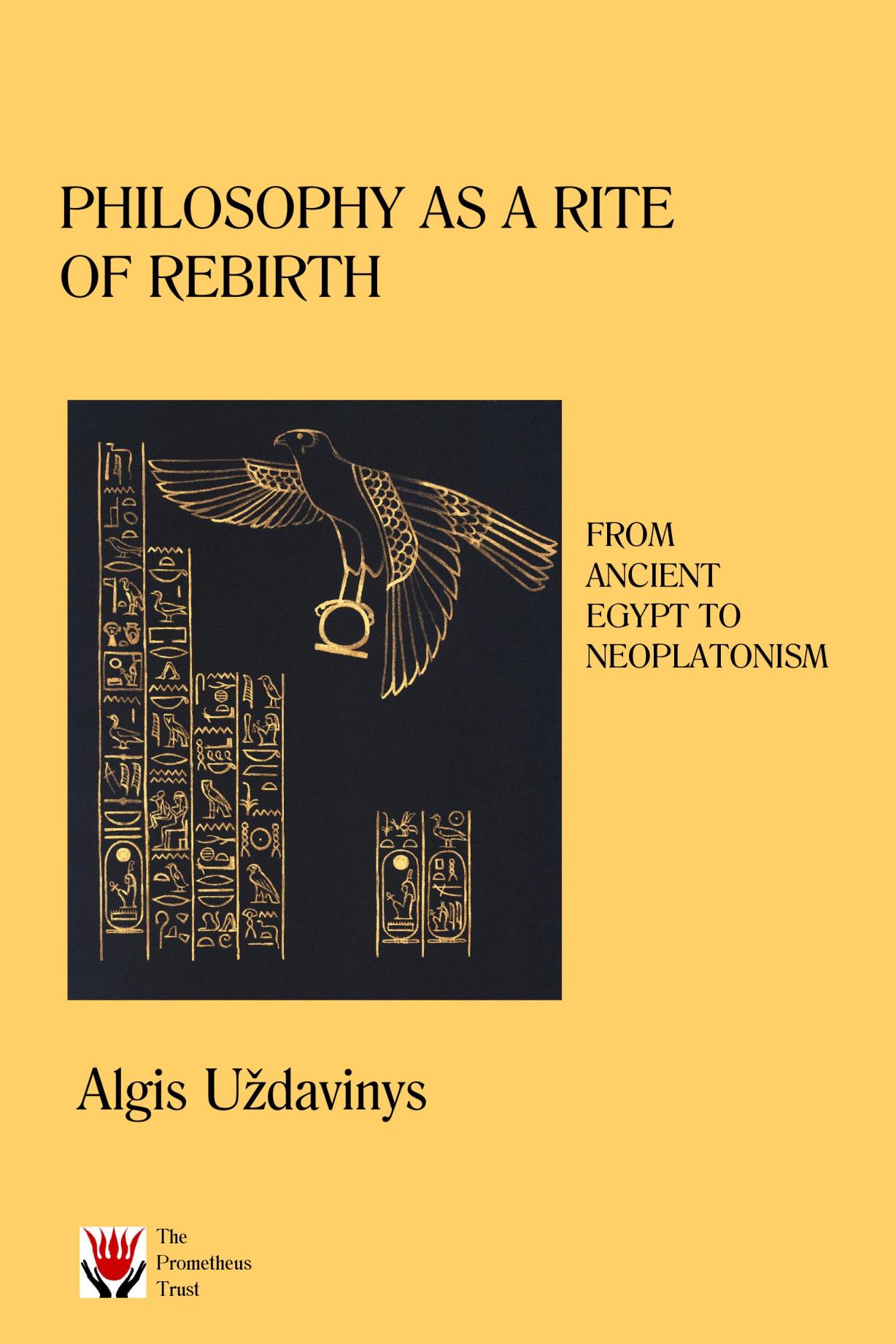
Algis Uždavinys presents philosophy as a sacred practice of inner rebirth, rooted in ancient Egyptian and traditional wisdom rather than a purely rational discipline.
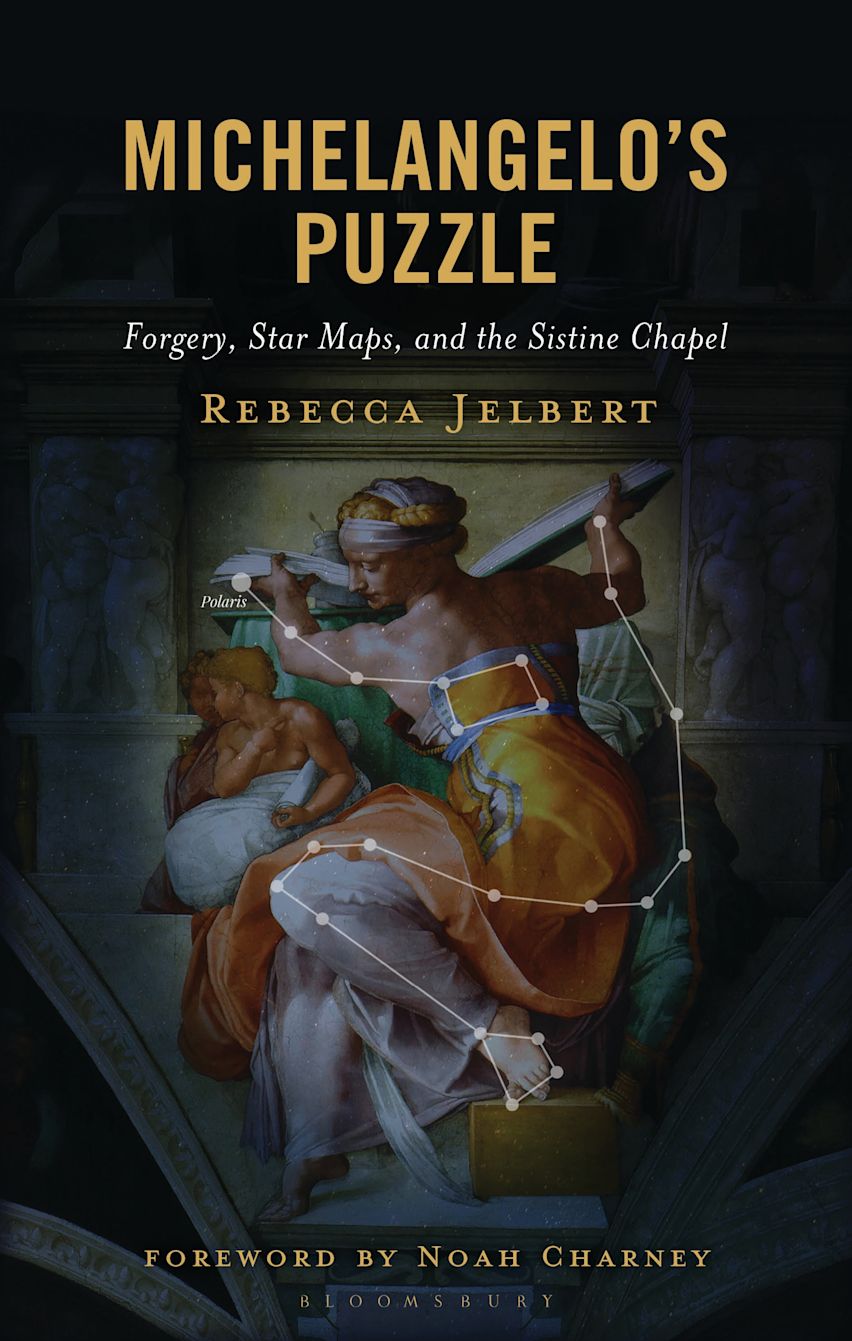
Rebecca Jelbert explores Michelangelo’s major works through the lens of hidden structures, symbolic systems, and esoteric traditions. It considers how themes associated with Mithras and other mystery cults may illuminate new interpretative possibilities within Renaissance art…

Moeller interprets the square as a Mithraic construction encoding cosmological, numerical, and theological structures of Roman mystery religion, rather than an early Christian cryptogram.

Maarten Vermaseren, qui a publié un corpus des inscriptions et des monuments de la religion mithriaque et un certain nombre d'études savantes sur le même sujet est certainement l'un des meilleurs spécialistes de la question.
A study of Roman Mithraism that combines historical evidence with a symbol-centred interpretive approach, exploring Mithraic iconography, ritual experience, and the cult’s encounter with Christianity in the Late Empire.
A study that re-examines Roman Mithraism through epigraphic evidence and comparative analysis, exploring its links with Orphism, Platonism, and Iranian traditions, and presenting the cult of Mithras as a solar path of individual spiritual awakening between East and West…
A philosophical study of Iranian civilization that explores its spiritual foundations, including the legacy of Mithraic and Zoroastrian traditions, in order to reflect on Iran’s historical continuity and civilizational meaning.

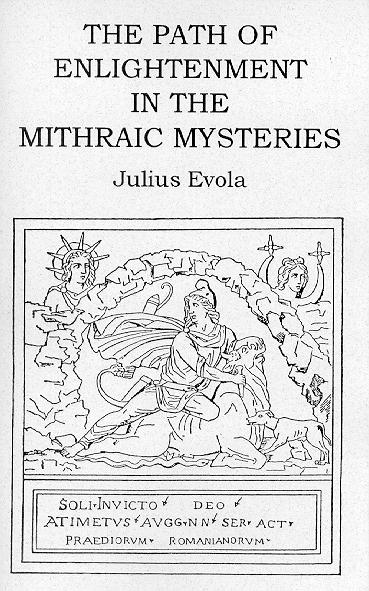
The first and the third of the following essays written by Julius Evola are dedicated to the mysteries of Mithras, while the second essay concerns itself with the Roman Emperor, Julian.