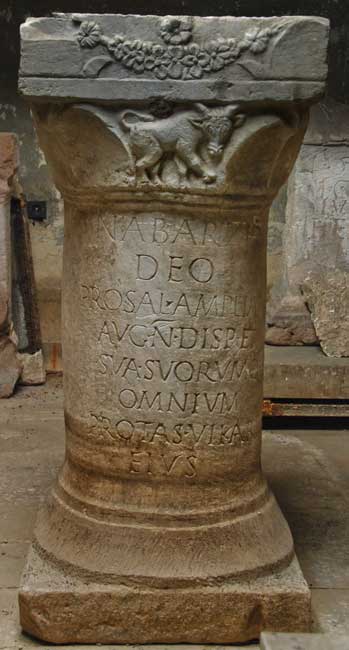
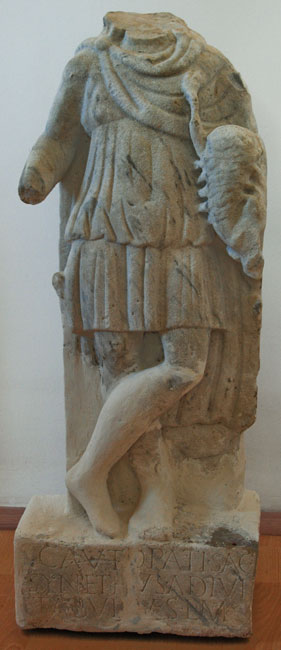
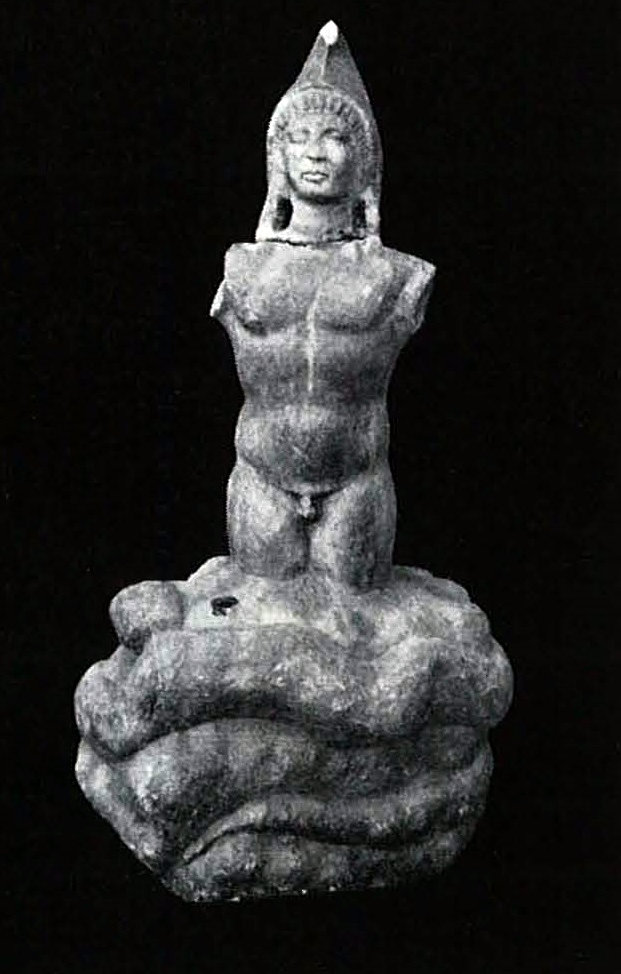
Mithraeum of Sarmizegetusa
TNMM 57 ↔ CIMRM 2027 & 2033
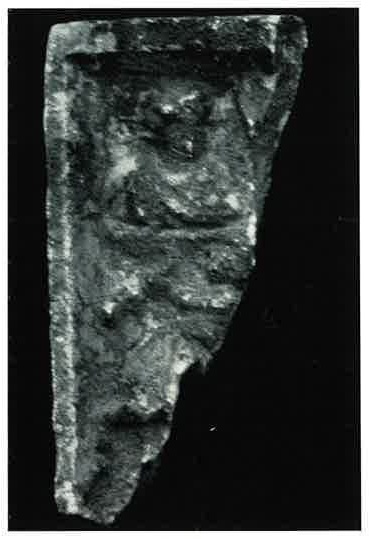
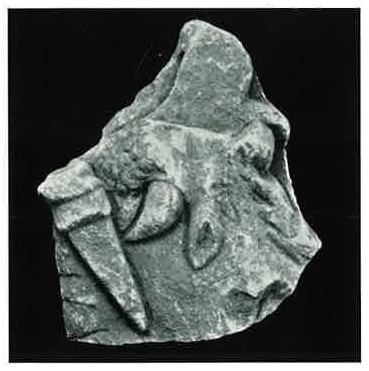
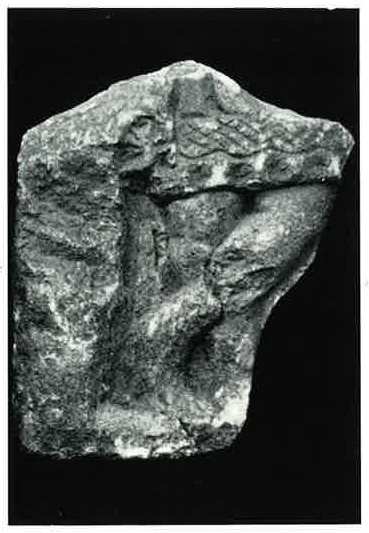
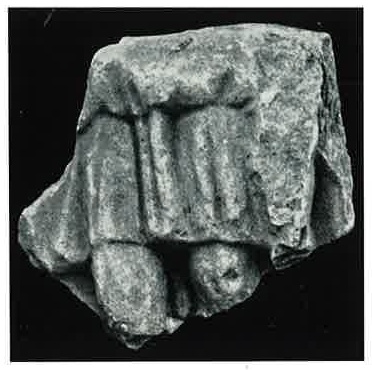
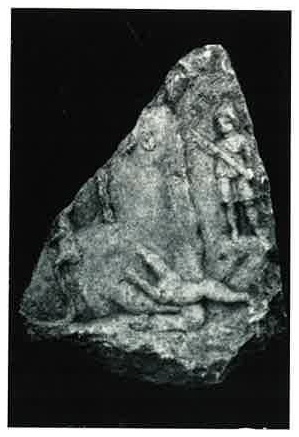
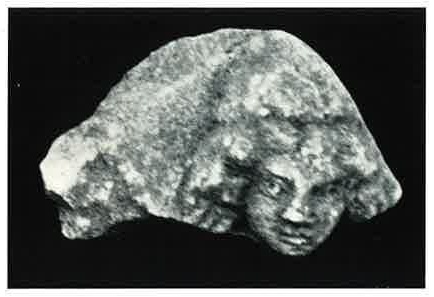
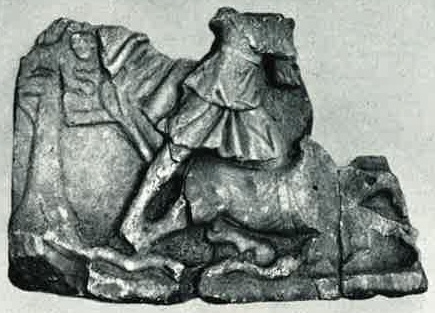
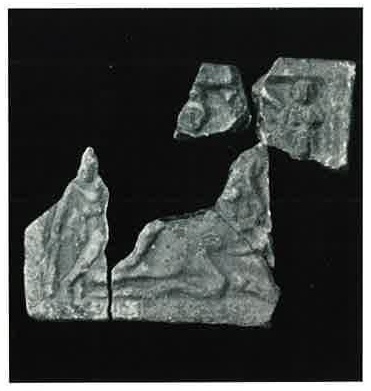
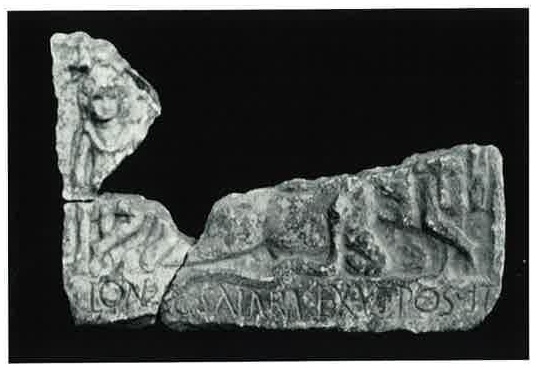
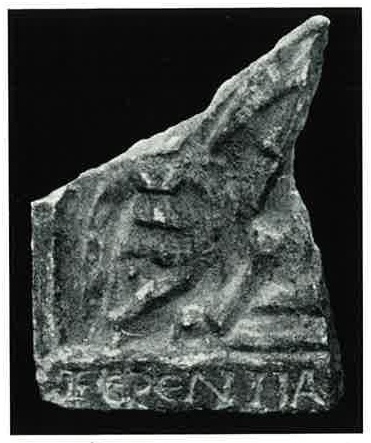
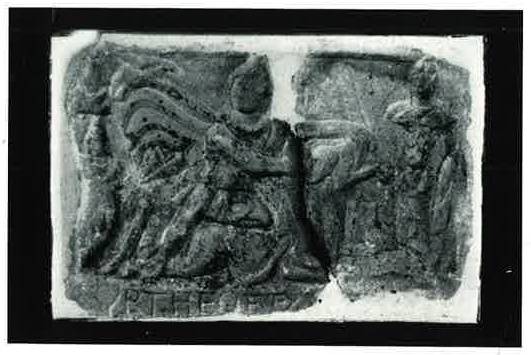
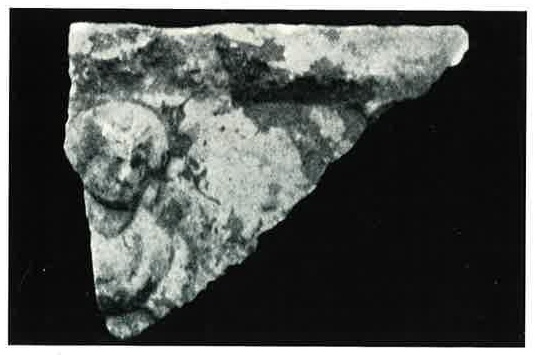
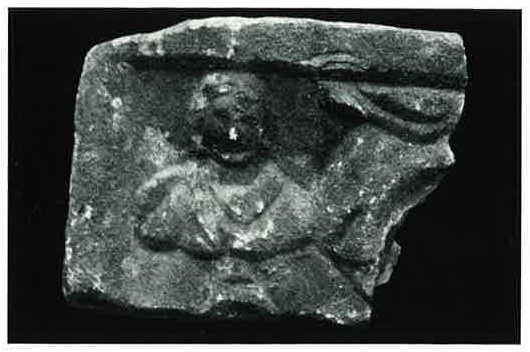
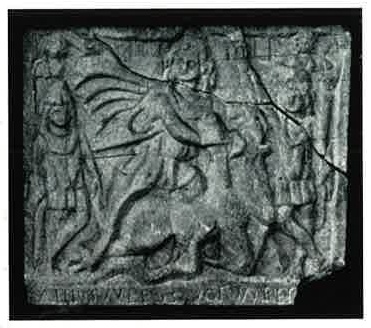
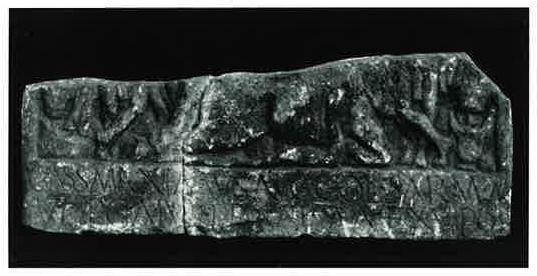
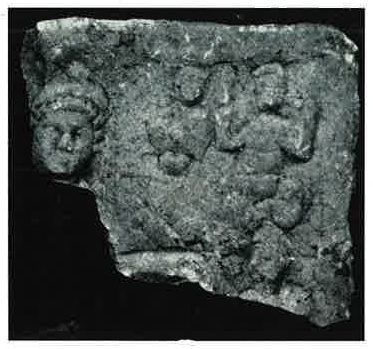
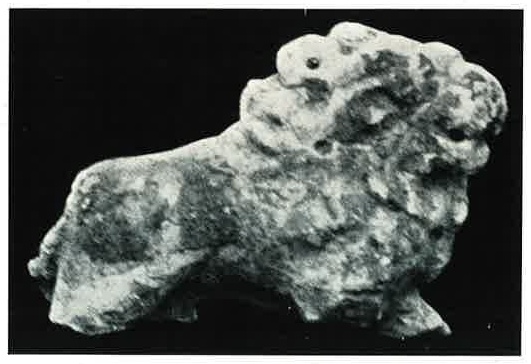
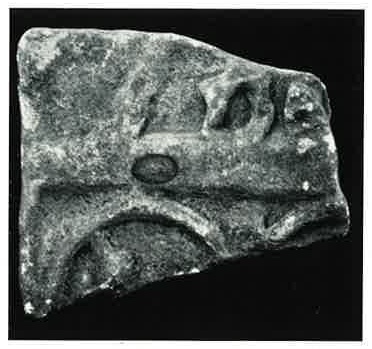
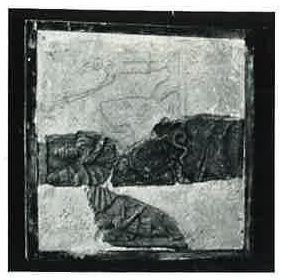
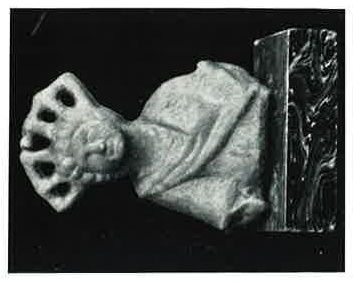
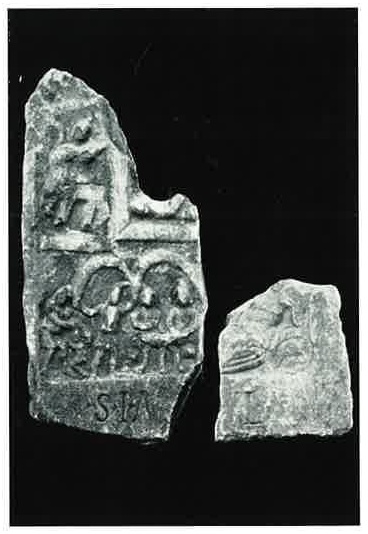
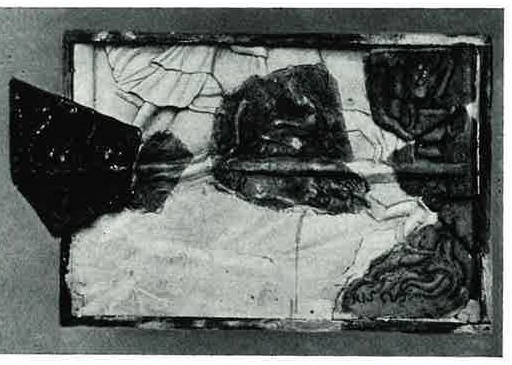
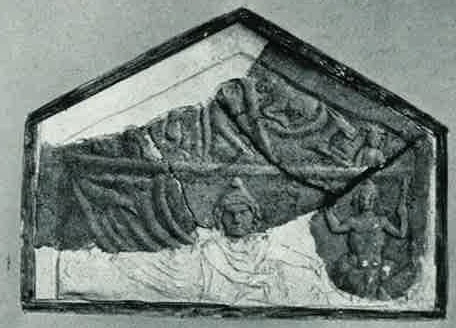
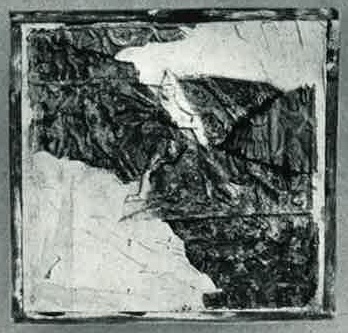
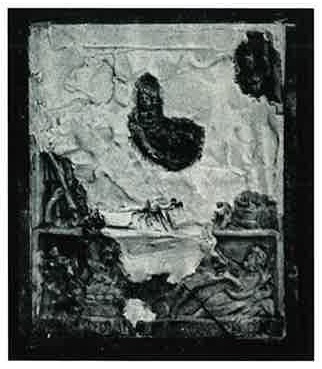
Between 1882 and 1883 PálKirály and his team excavated the only Mithraic sanctuary (mihraeum) known from Colonia Ulpia Traiana Sarmizegetusa. The mithraeum was published in a separate monograph and in various articles, attracting also the interest of the international scholarship – entering in the bibliography, as the „biggest” sanctuary ever found outside Rome.
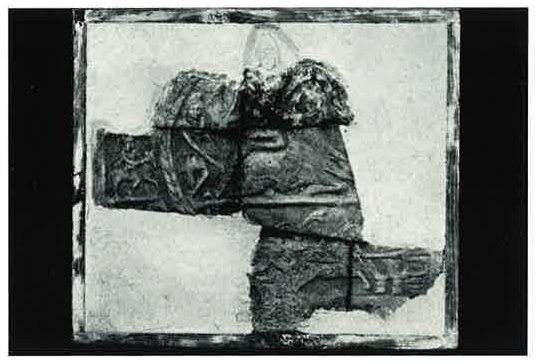
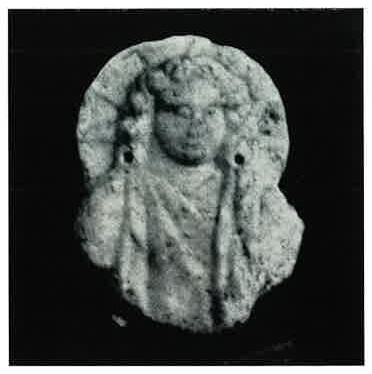
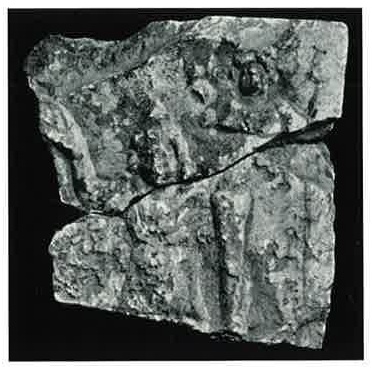
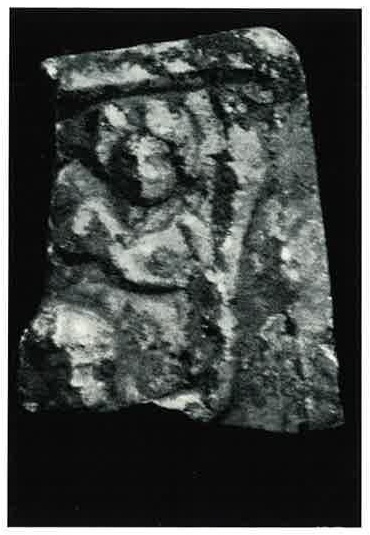
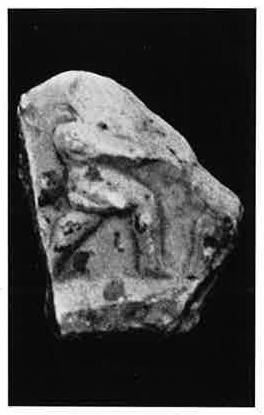
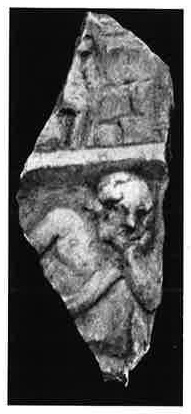
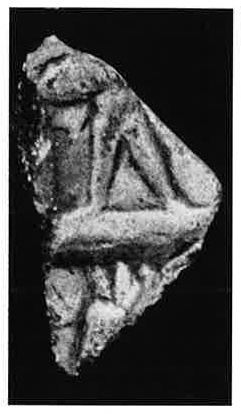
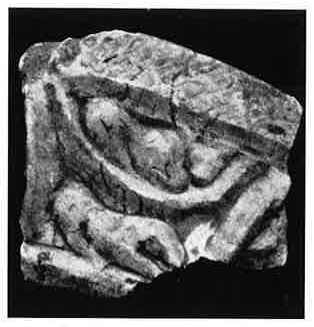
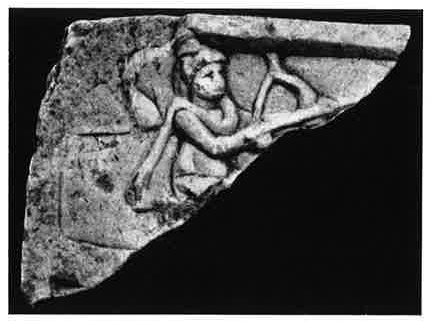
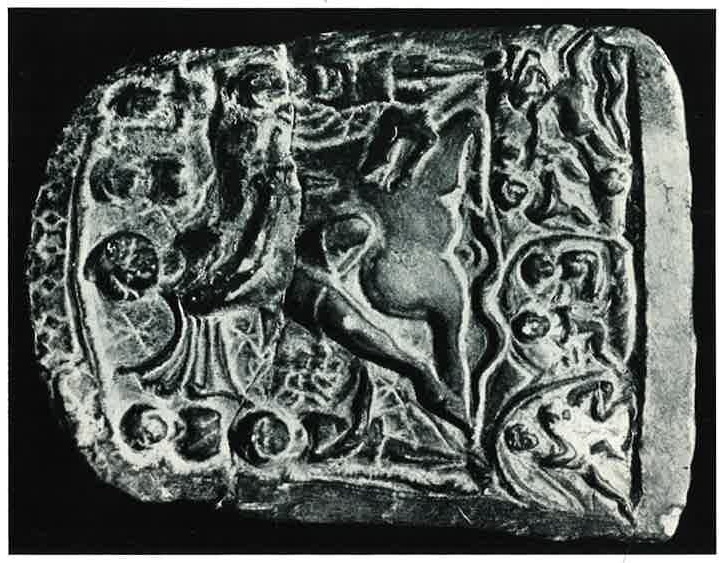
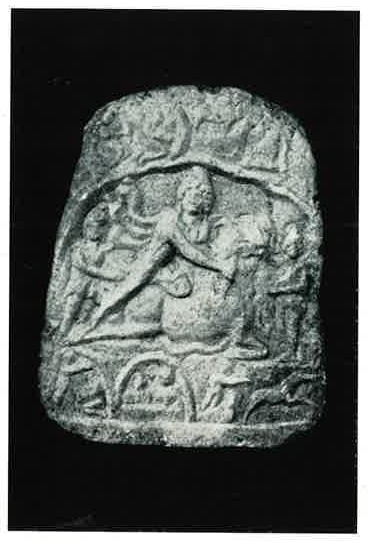
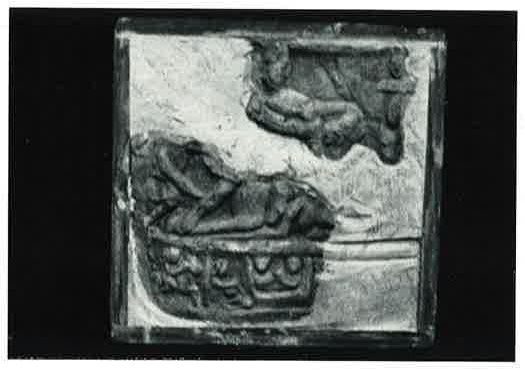
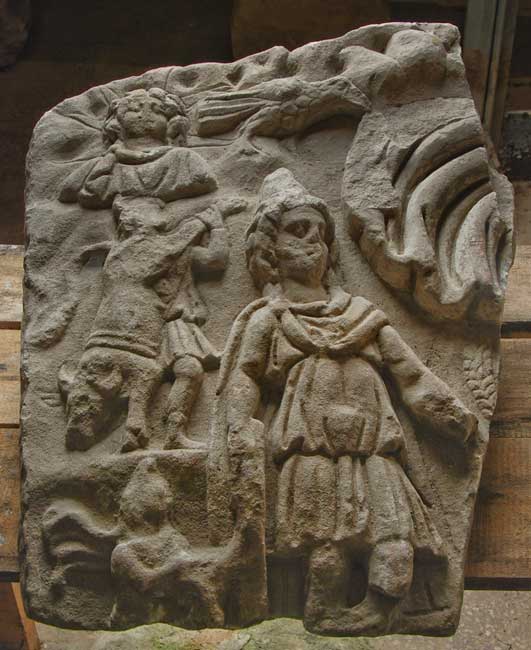
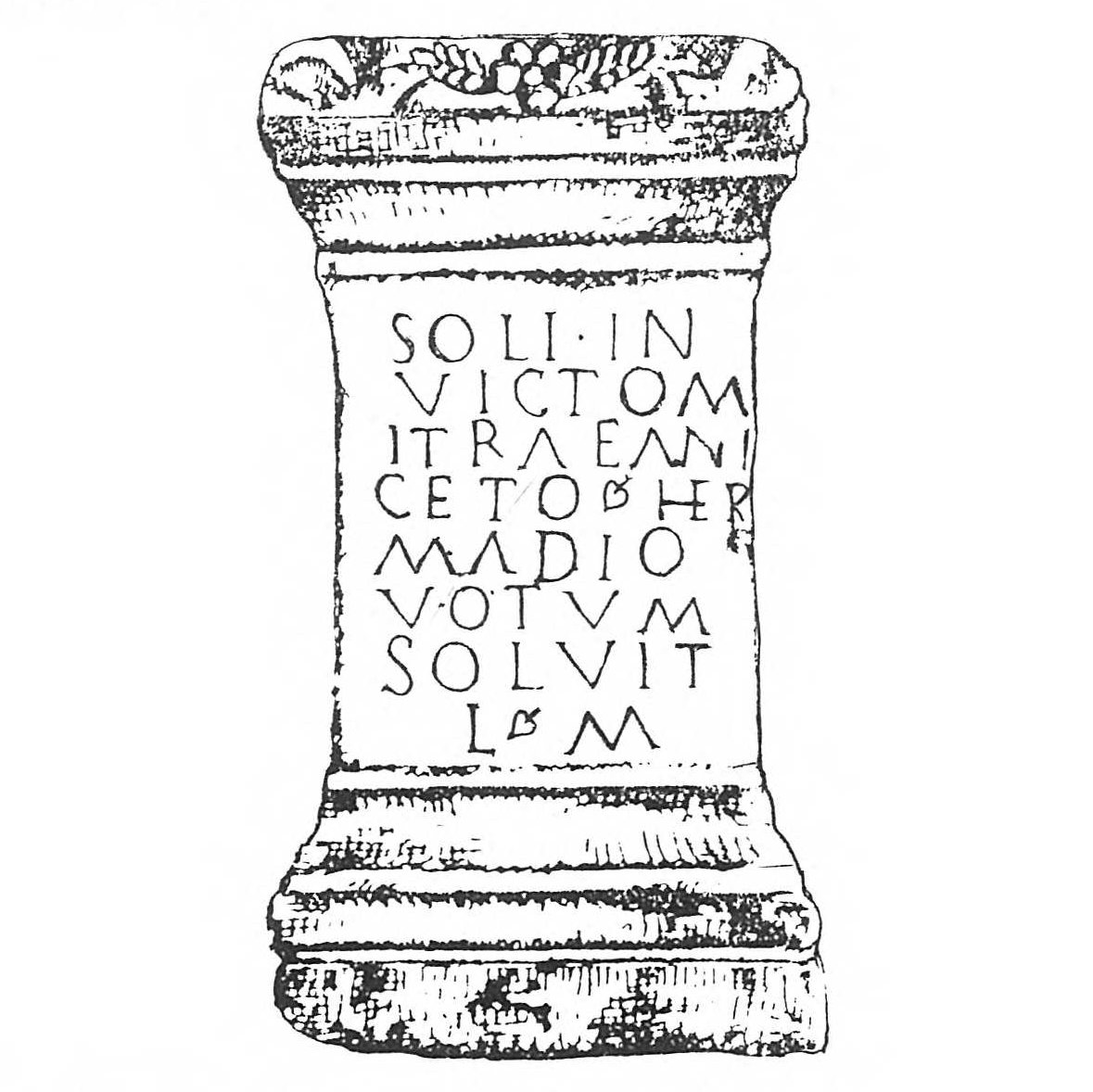
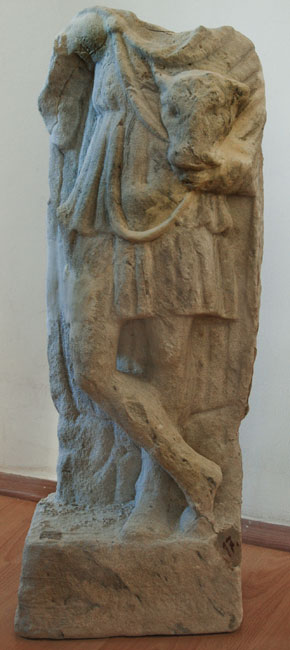
[…] Without entering in details about the excavation, it is important to mention some particularities of this find. First, the extreme number of the monuments (around 260 artifacts) is so unusual, that it suggest or a later deposition and votive spolia from many different Mithraic sites of the city or a possible workshop – center for reliefs. There are no Mithraic sanctuaries in the Roman Empire with such amount of reliefs found in a same place. Similar deposits we can find in Merida (CIMRM 772), Sidon (CIMRM 74), the Walbrook mithraeum (CIMRM 815) or in Apulum (CIMRM 1953). It is possible that the finds came from multiple mithraea, however, the topography of Sarmizegetusa at the moment doesn’t help us to identify the sanctuaries, even if some scholars suggested the existence of three mithraea in Sarmizegetusa. If they come from one sanctuary, than we need to reconsider the inside geography of a mithraeum. The iconographic typology of the reliefs, the material used suggesting a single provenience and a local workshop. The example of Tienen shows that this kind of sanctuaries based on a collegia‐system were in strict relation with mass production of pottery. Other studies revealed the important role of the commercial and merchant groups and collegia with the Mithraic communities in Ostia or even in Dacia.
The plan of the sanctuary – reconstructed by Király as a monumental, 44,23 m long building – is an exaggerated one, which need to be reinterpreted. He get this unusual size from a very sophisticated equation based on the two monographs available at that time. There are few sanctuaries with similar dimensions in the Empire (CIMRM 1682) which makes sure that his calculation is wrong. However, the international bibliography still use the plan of Király without questioning its authenticity.
CIMRM 2033
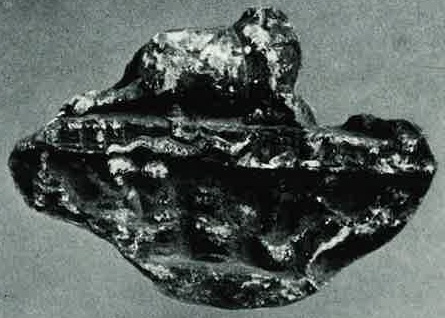
A bronze ring; fragments of pottery (a jug and a dish are in complete preservation); a bronze chain with a hook; a bronze knife; a bronze cup and dish; a small terracotta lamp (Kiraly No. 48) with the stamp of FORTIS.
References
- Vermaseren, Maarten Jozef (1956) Corpus Inscriptionum et Monumentorum Religionis Mithriacae
- Csaba Szabó (2014) Notes on the Mithraic small finds from Sarmizegetusa.
- Csaba Szabó (2024) ‘The mithraeum from Colonia Sarmizegetusa: on the limits of materiality of religion’. Contextualizing ’Oriental’ Cults, 281-308.