This site uses cookies to offer you a better browsing experience.
Find out more on how we use cookies in our privacy policy.

 
Acta diurna

Daily Gazette

Acta diurna is our Mithraic social stream for keeping up to date with what is happening in The New Mithraeum.

avatar
Sept 2026
NewScriptum
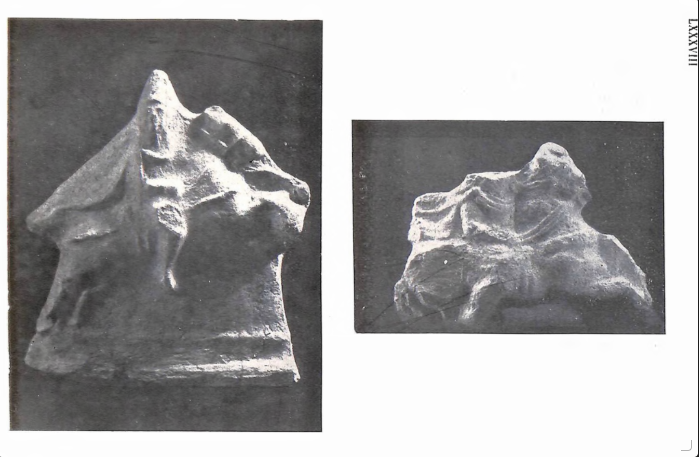
Clay figurine of Mithra (Mihr) on horseback from Artashat (Artaxata)

"During the Parthian period, the figure of a deified and immortalized horseman—who held cultic significance—was widespread across Western Asia and the Roman Empire. It is possible that the aforementioned figurines depict this very figure. Could these horseman figurines embody Mihr—the son of Aramazd and the god of the sun and fire—whose cult was also prevalent in Armenia and in whose honor horses were sacrificed during Mihraic festivals? In any case, the horseman’s magnificent attire, the style of depiction, the dynamic posture, and the fluttering cloak all suggest that he is no ordinary mortal. This is further evidenced by the resemblance between the attire of these horsemen and the robes worn by Antiochus I and Mihr in the reliefs at Nemrut Dağ."

"The snake is also considered one of Mihr’s companions; on the Nemrut monument, the ends of Mihr’s mantle are shaped like snake heads. Thus, in all likelihood, the aforementioned clay figurines—depicting a figure on horseback with a mantle draped over the sides—represent Mihr. In other words, Mihr is portrayed just as Lucian describes the Great Mihr: in "Persian attire and headdress." "

Sources:
1. Аракелян, Б. Н. - Очерки по истории искусства Древней Армении
2. ZHORES KHACHATRYAN - THE ICONOGRAPHY OF CLAY FIGURINES

https://www.mithraeum.eu/go/6aa51835e3f17

Clay figurine of Mithra (Mihr) on horseback from Artashat (Artaxata)

"During the Parthian period, the figure of a deified and immortalized horseman—who held cultic significance—was widespread across Western Asia and the Roman Empire. It is possible that the aforementioned figurines depict this very figure. Could these horseman figurines embody Mihr—the son of Aramazd and the god of the sun and fire—whose cult was also prevalent in Armenia and in whose honor horses were sacrificed during Mihraic festivals? In any case, the horseman’s magnificent attire, the style of depiction, the dynamic posture, and the fluttering cloak all suggest that he is no ordinary mortal. This is further evidenced by the resemblance between the attire of these horsemen and the robes worn by Antiochus I and Mihr in the reliefs at Nemrut Dağ."

"The snake is also considered one of Mihr’s companions; on the Nemrut monument, the ends of Mihr’s mantle are shaped like snake heads. Thus, in all likelihood, the aforementioned clay figurines—depicting a figure on horseback with a mantle draped over the sides—represent Mihr. In other words, Mihr is portrayed just as Lucian describes the Great Mihr: in "Persian attire and headdress." "

Sources:
1. Аракелян, Б. Н. - Очерки по истории искусства Древней Армении
2. ZHORES KHACHATRYAN - THE ICONOGRAPHY OF CLAY FIGURINES

https://www.mithraeum.eu/go/6aa51835e3f17
avatar
 
Back to Top