Your selection in monuments gave 428 results.
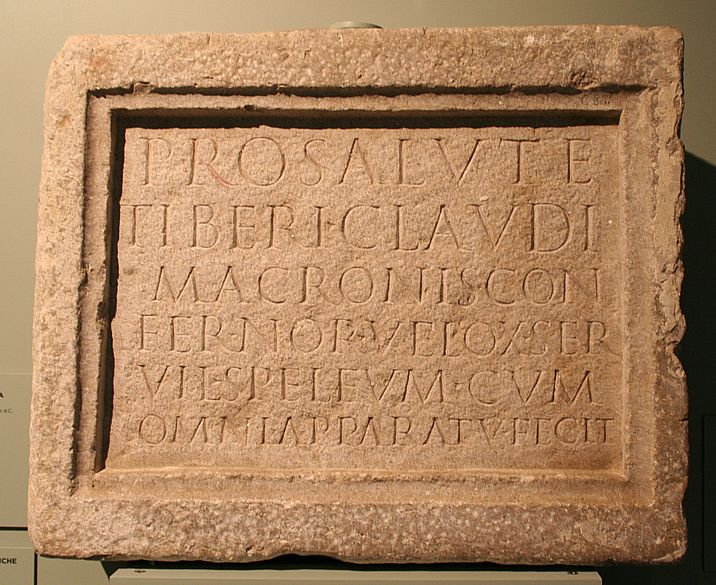
Marble slab with inscription by Velox for the salvation of the chief of the iron mines of Noricum.

The dedicator of this monument is also known for having made a tauroctonic relief in Nesce.
This monument bears an inscription to Mithras by a well-known general of the Roman Empire.
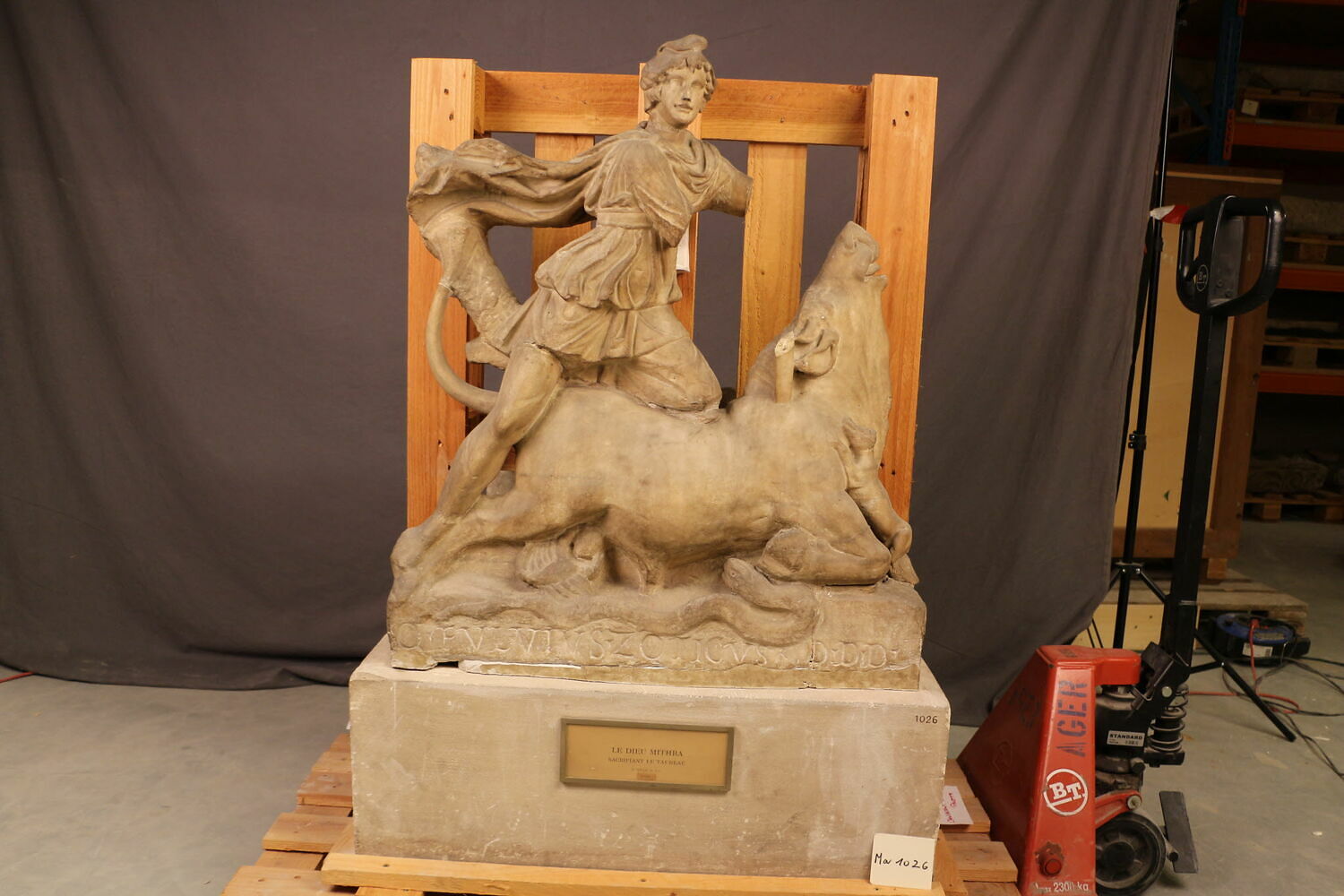
The Tauroctony found in Velletri, Rome, bears an inscription from its owner and donor.
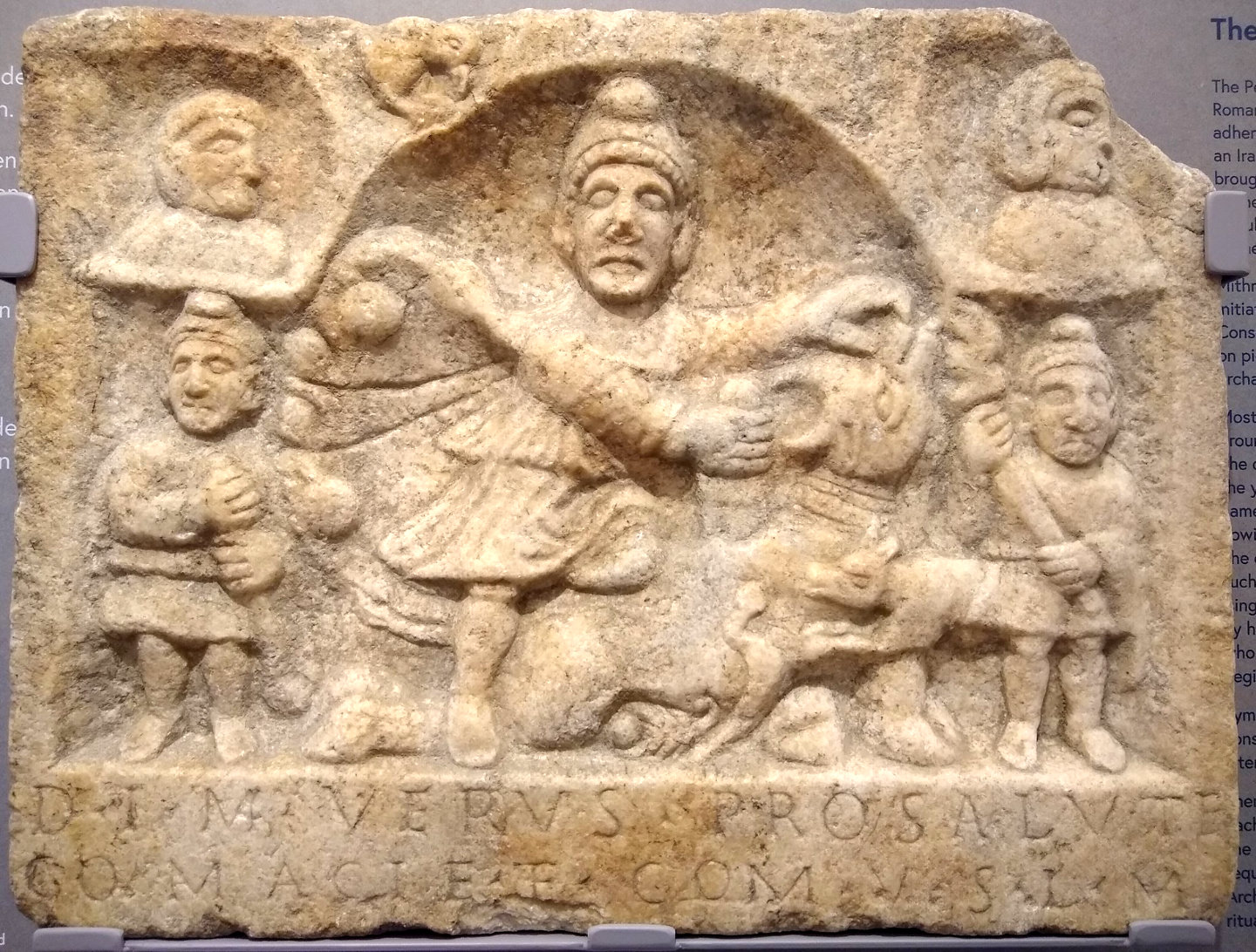
The votive image was donated by a certain Verus for a mithraeum which was probably located in the hinterland of the Limes.
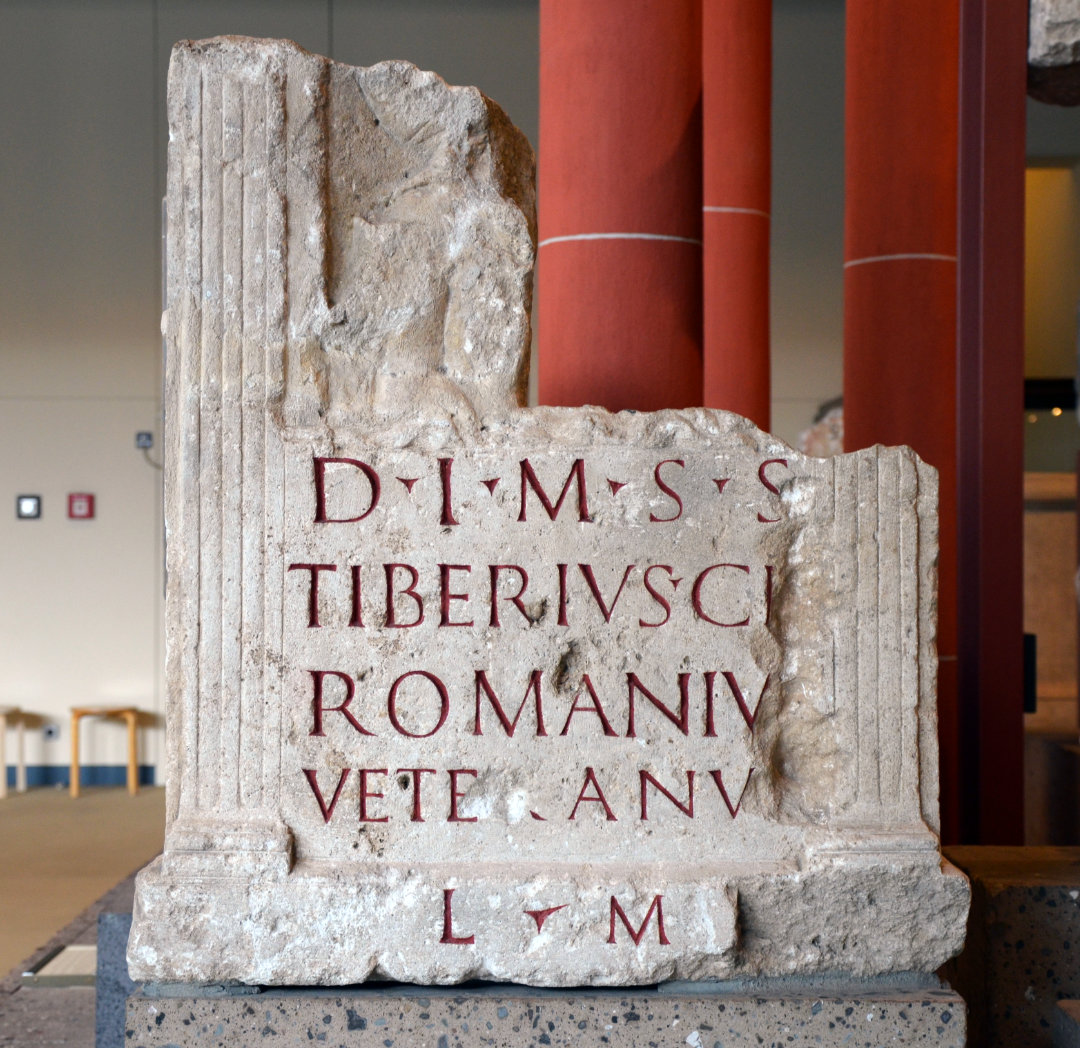
Votive inscription dedicated to Mithras by the veteran soldier Tiberius Claudius Romanius, from the Mithraeum II Köln, 3rd century.
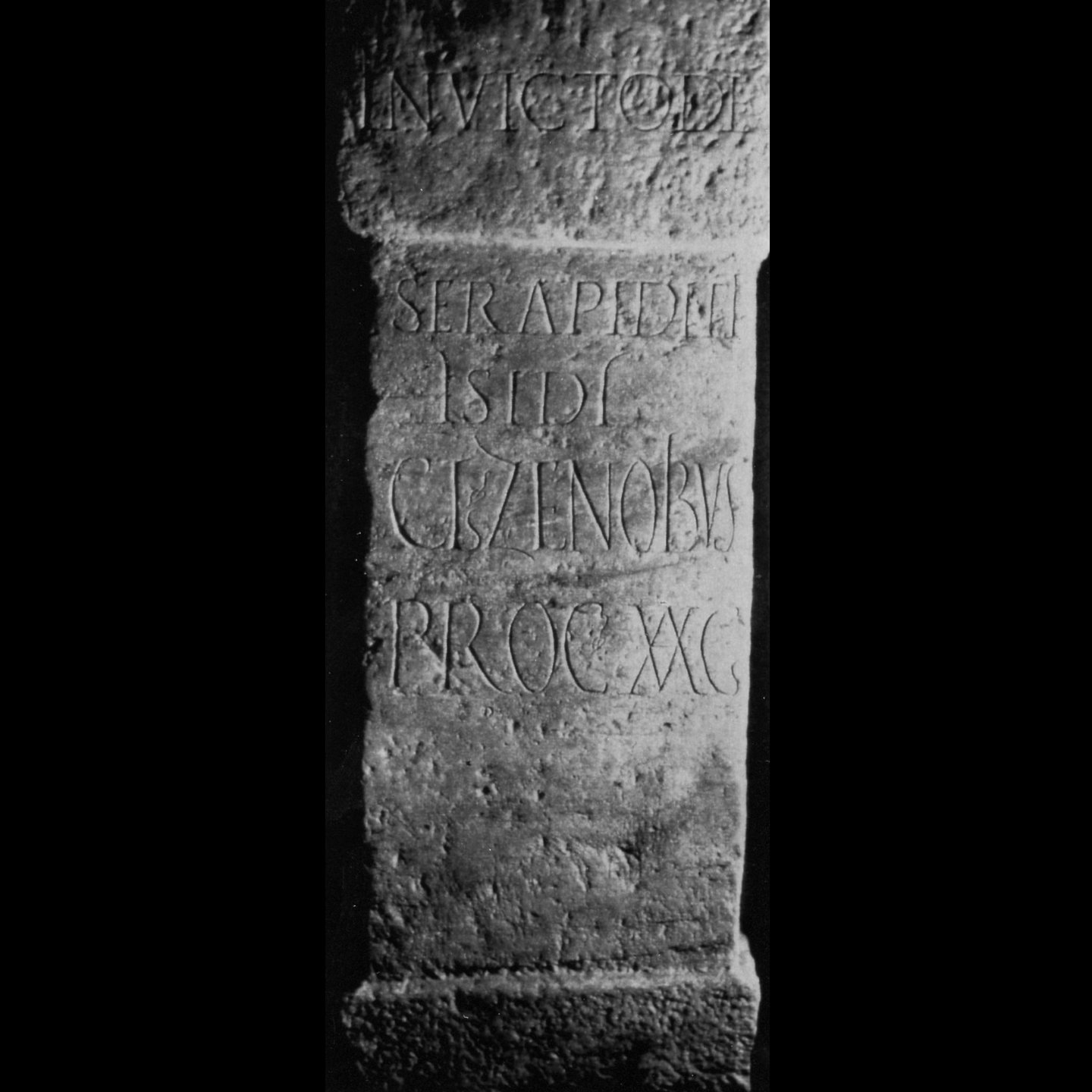
This slab dedicated to the invincible god, Serapis and Isis by Claudius Zenobius was found in 1967 in the walls of the city of Astorga, Spain.
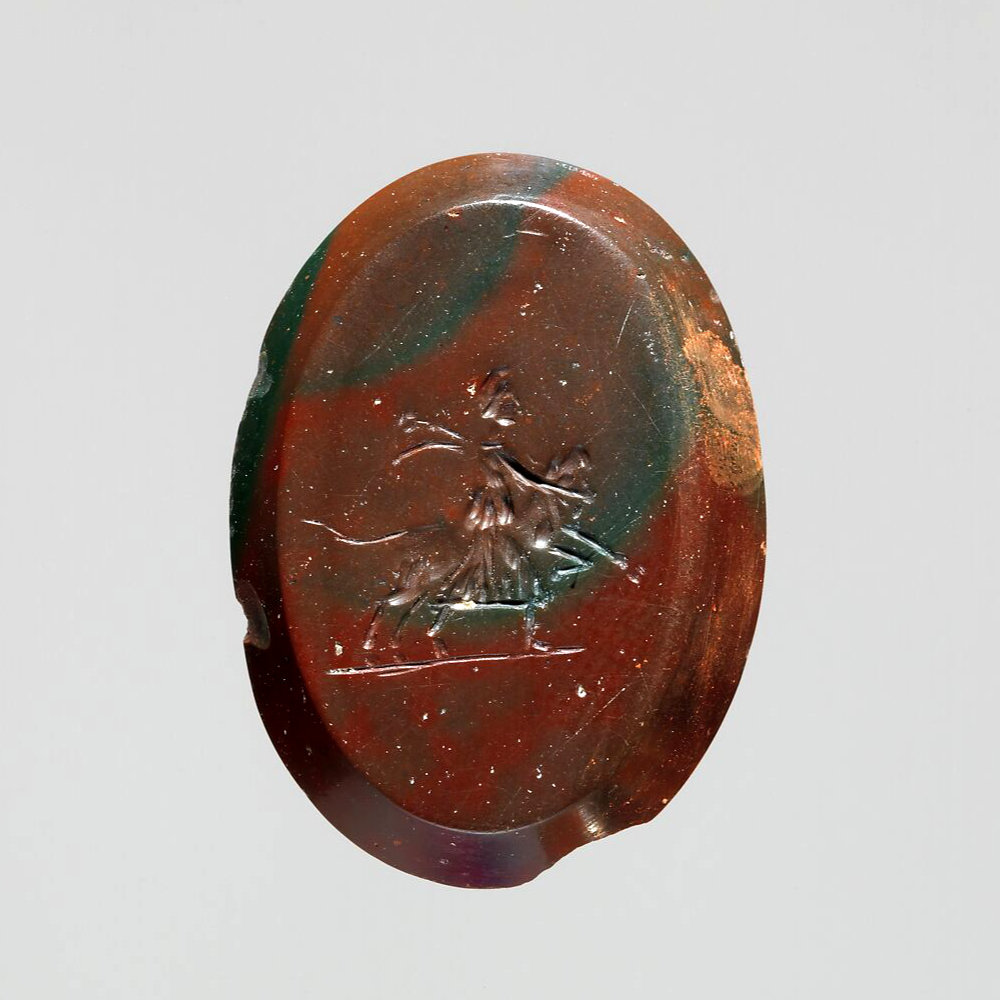
This small magical jasper gem shows Sol in a quadrigra on the recto and Mithras as a bull slayer on the verso.
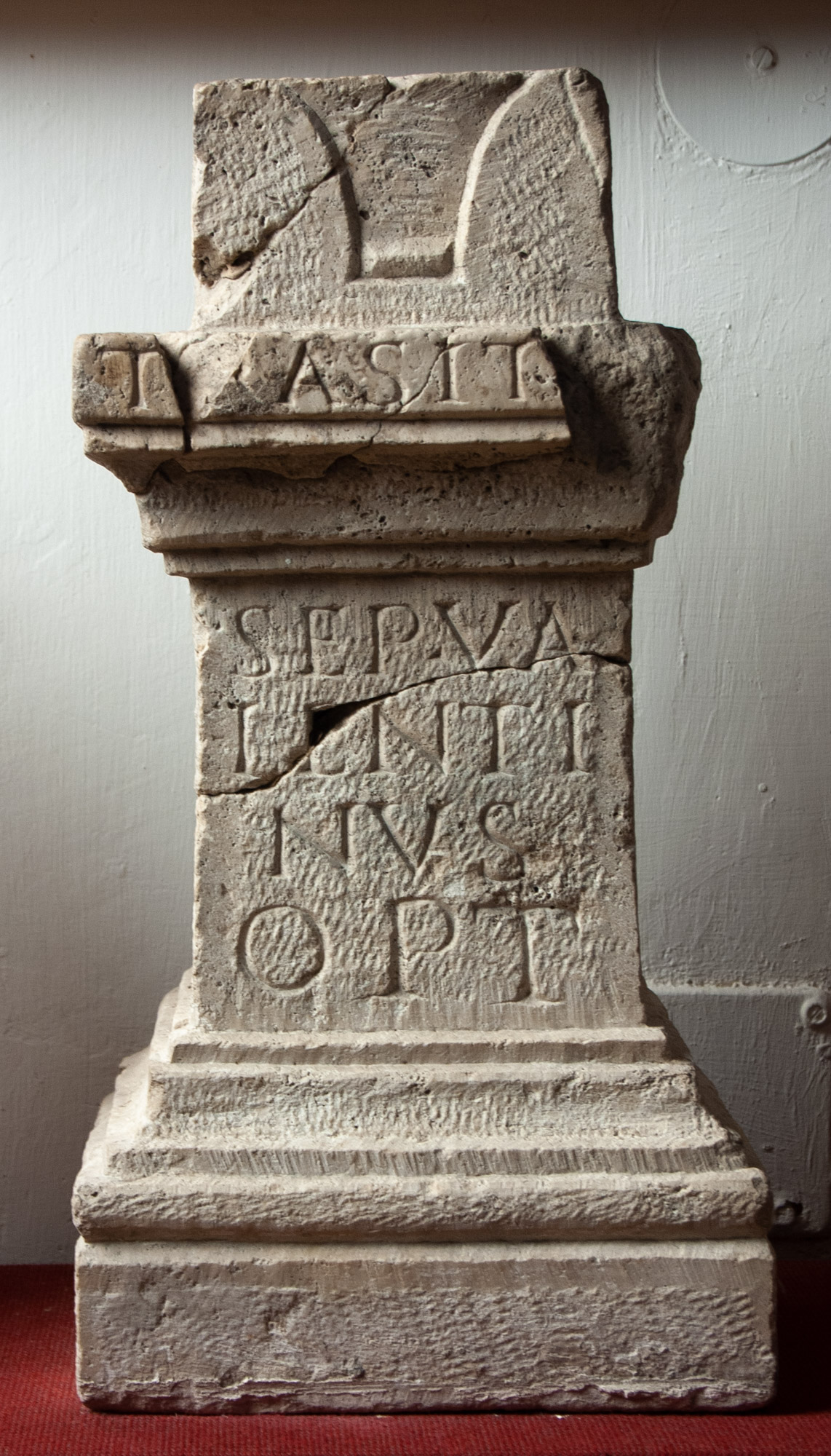
This is one of the altars erected by Septimius Valentinus, in this case, to the transitus of Mithras.
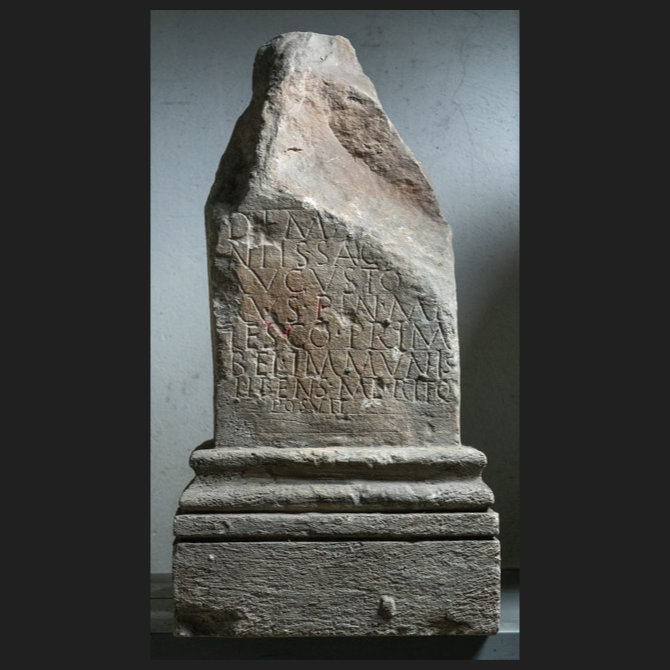
This altar, discovered in Grude, near Tihaljina, Bosnia and Herzegovina, bears an inscription by Pinnes, a soldier of the Cohors Prima Belgica.
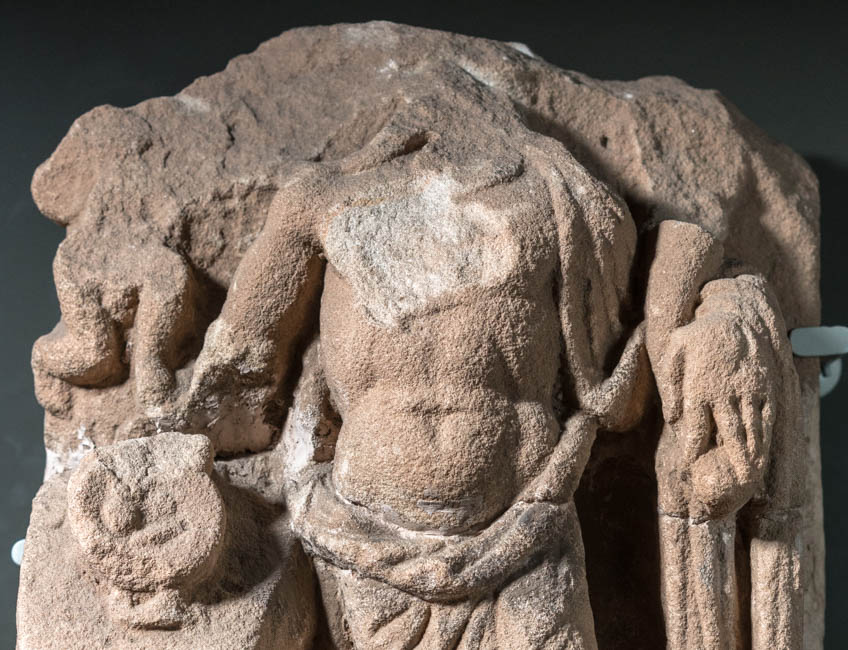
A standing half naked man makes offerings to an altar while holding a cornucopia in his other hand.
In this 4th-century Roman altar, the senator Rufius Caeionius Sabinus defines himself as Pater of the sacred rites of the unconquered Mithras, having undergone the taurobolium.
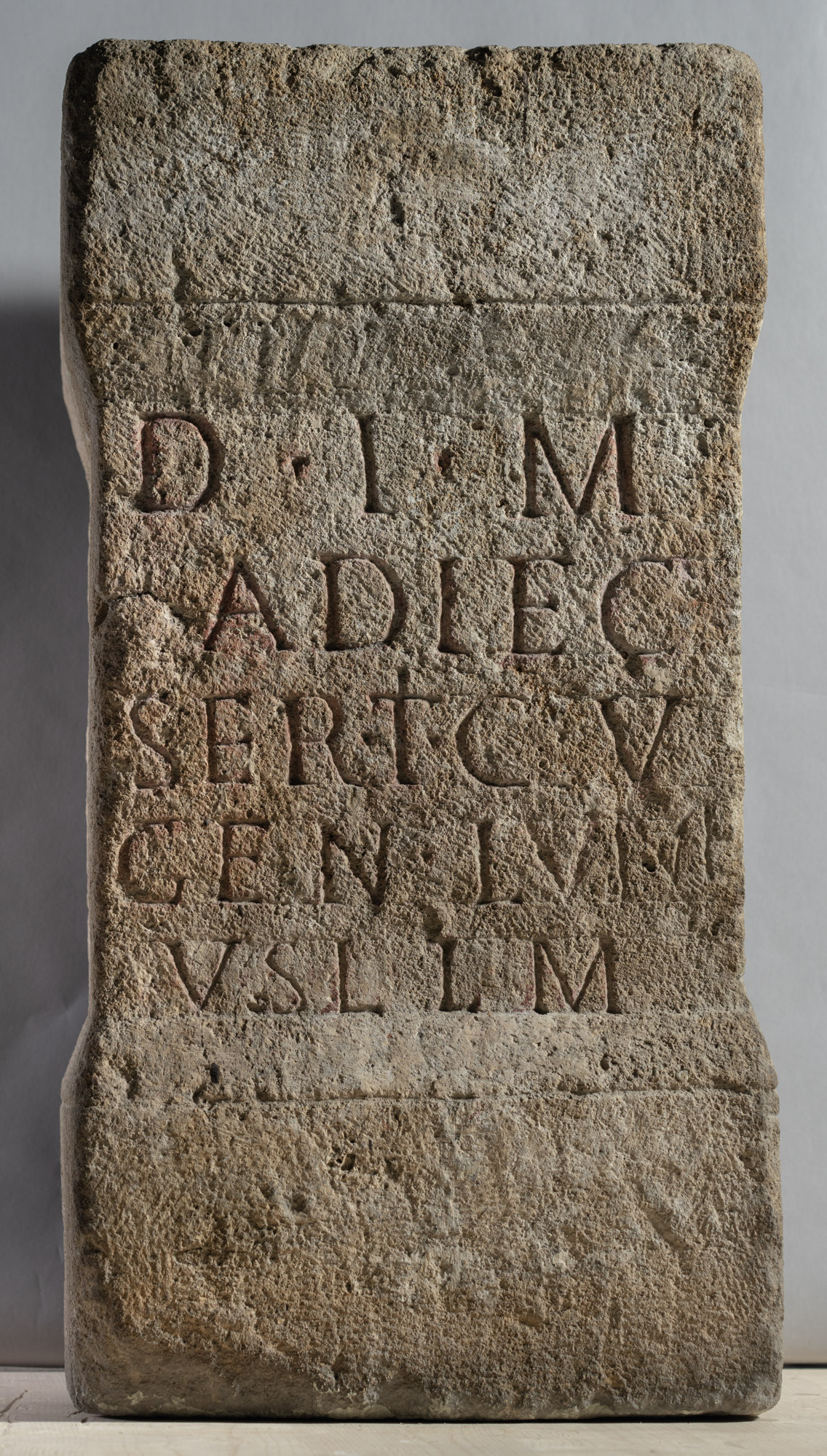
There is no consensus as to whether the altar of the slave Adiectus from Carnuntum is dedicated to a Mithras genitor of light.
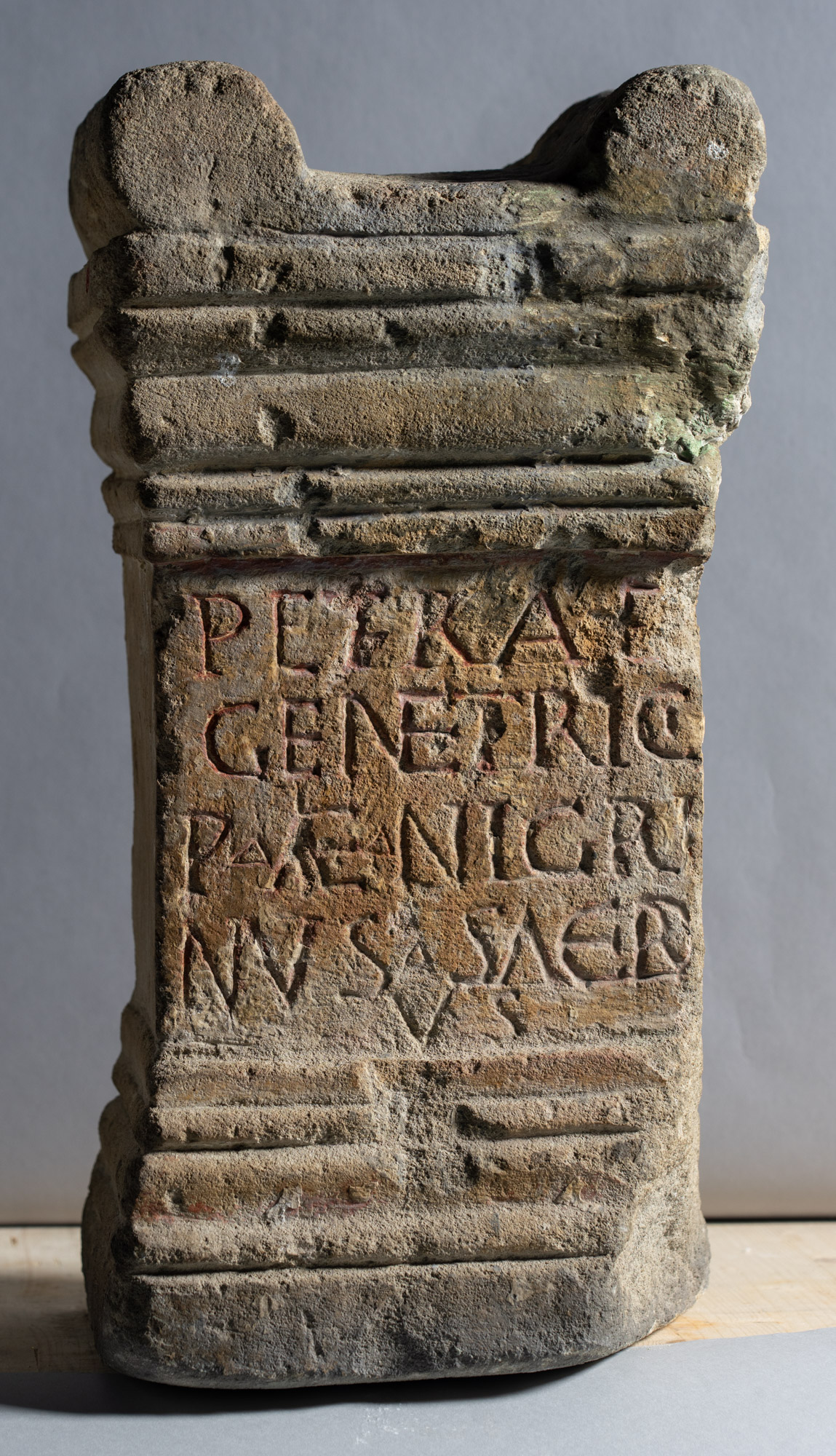
Aelius Nigrinus dedicated this small altar in Carnuntum to the rock from which Mithras was born.
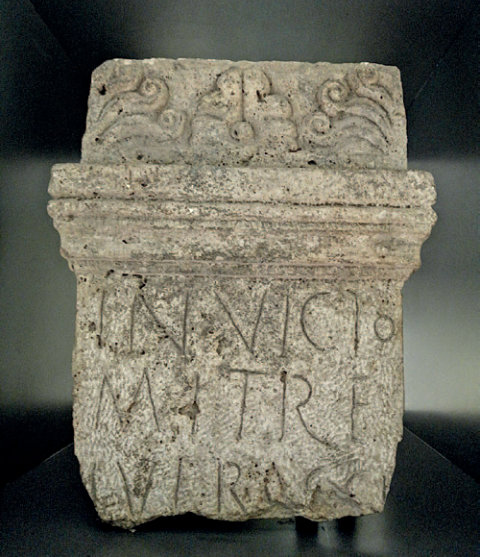
This Mithraic altar of a certain Iulius Rasci or Racci was found in 1979 in a field in Borovo, Croatia, in the area of the Roman fort of Teutoburgium.
This limestone altar dedicated to Mithras by a certain Veturius Dubitatus was found in Dalj, Croatia, in 1910.
A certain Secundinus, steward of the emperor, dedicated this altar to Mithras in Noricum, today Austria.
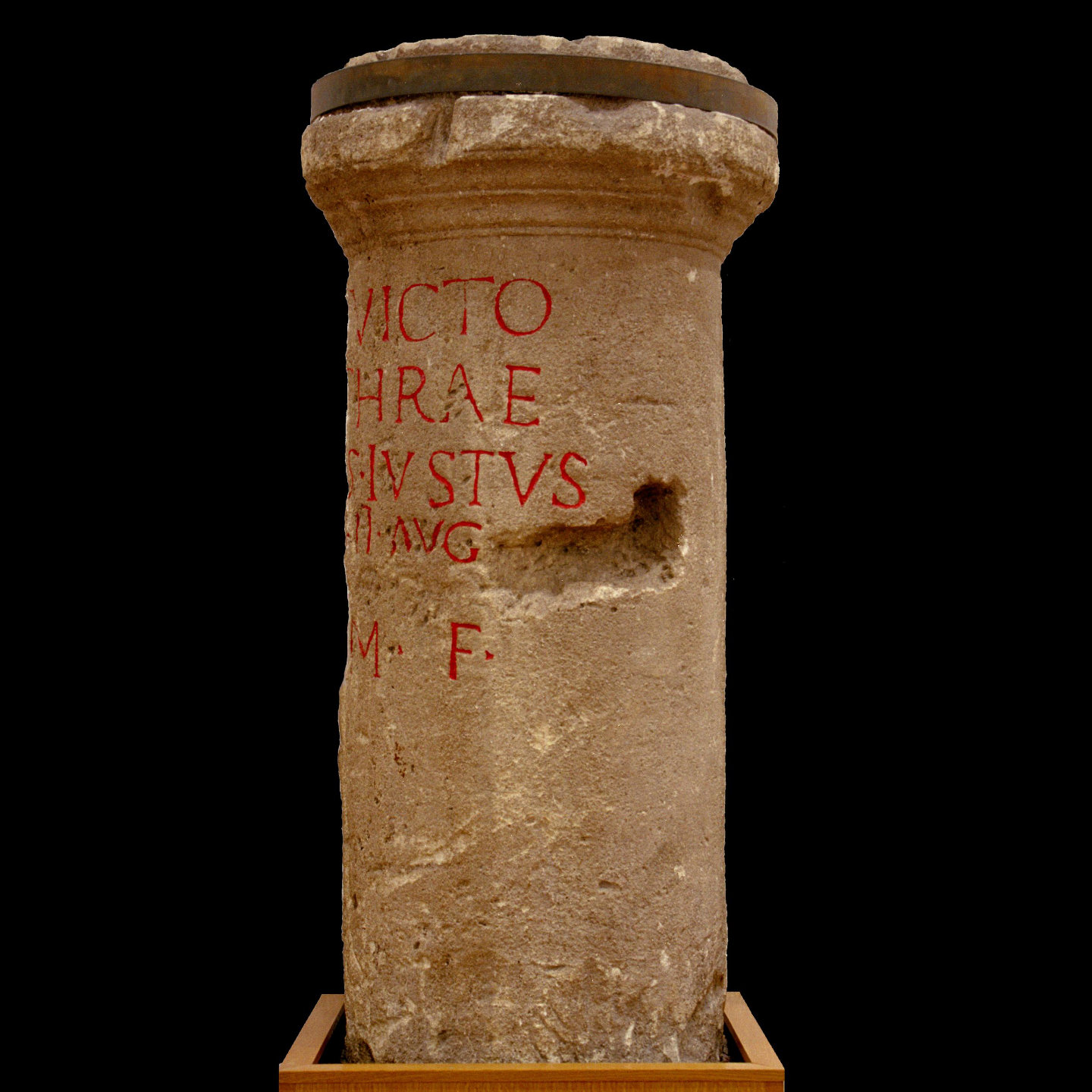
This oolite base, dedicated to the invincible Mithras, was found in the baths of the Villa de Caerleon, Walles.
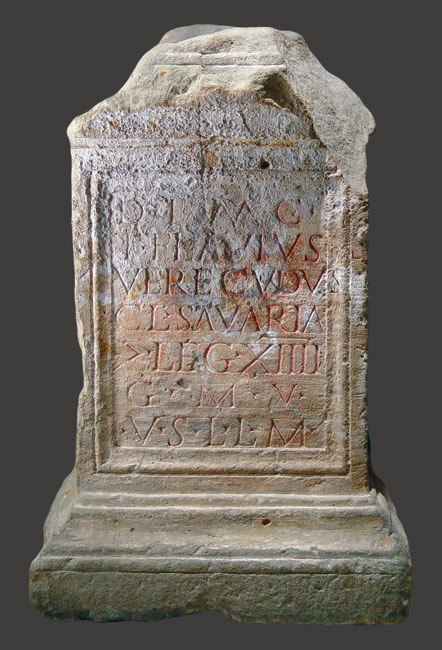
This monument to Mithras and Cautes (or Cautopates) was erected in Carnuntum by the centurion Flavius Verecundus of Savaria.
This marble slab, found in the Mithraeum of San Clemente, bears an inscription by a certain Aelius Sabinus for the health of the Emperor Antoninus Pius and his sons.
