
Oxyrhynchus, also known by its modern name Al-Bahnasa, is a city in Middle Egypt located about 160 km south-southwest of Cairo in Minya Governorate.
Mampsis or Memphis, today Mamshit, Arabic Kurnub, is a former Nabataean caravan stop and Byzantine city.
Capital of the Hittite Empire and discovery site of the earliest securely dated textual attestation of Mitra.
Kermanshah is a city in the Central District of Kermanshah province, Iran, serving as capital of the province, the county, and the district.
Ceremonial capital of the Achaemenid Empire and one of the foremost cities of ancient Persia.
Nuzi at modern Yorghan Tepe, Iraq was an ancient Mesopotamian city 12 kilometers southwest of the city of Arrapha and 70 kilometers southwest of Sātu Qala, located near the Tigris river.
Hattusa, also Hattuşa, Ḫattuša, Hattusas, or Hattusha, was the capital of the Hittite Empire in the late Bronze Age during two distinct periods.
Ózd is a town in Borsod-Abaúj-Zemplén county, Northern Hungary, 40 km from the county seat of Miskolc.
Small settlement on the lower Vit River in northern Bulgaria, within the territory of Roman Moesia Inferior.
Roman town founded on the site of the Celtiberian settlement of Arekorataz, beneath modern Muro de Ágreda in northern Hispania.
Thirmarum is recorded as a findspot for Mithraic material in Tarraconensis.
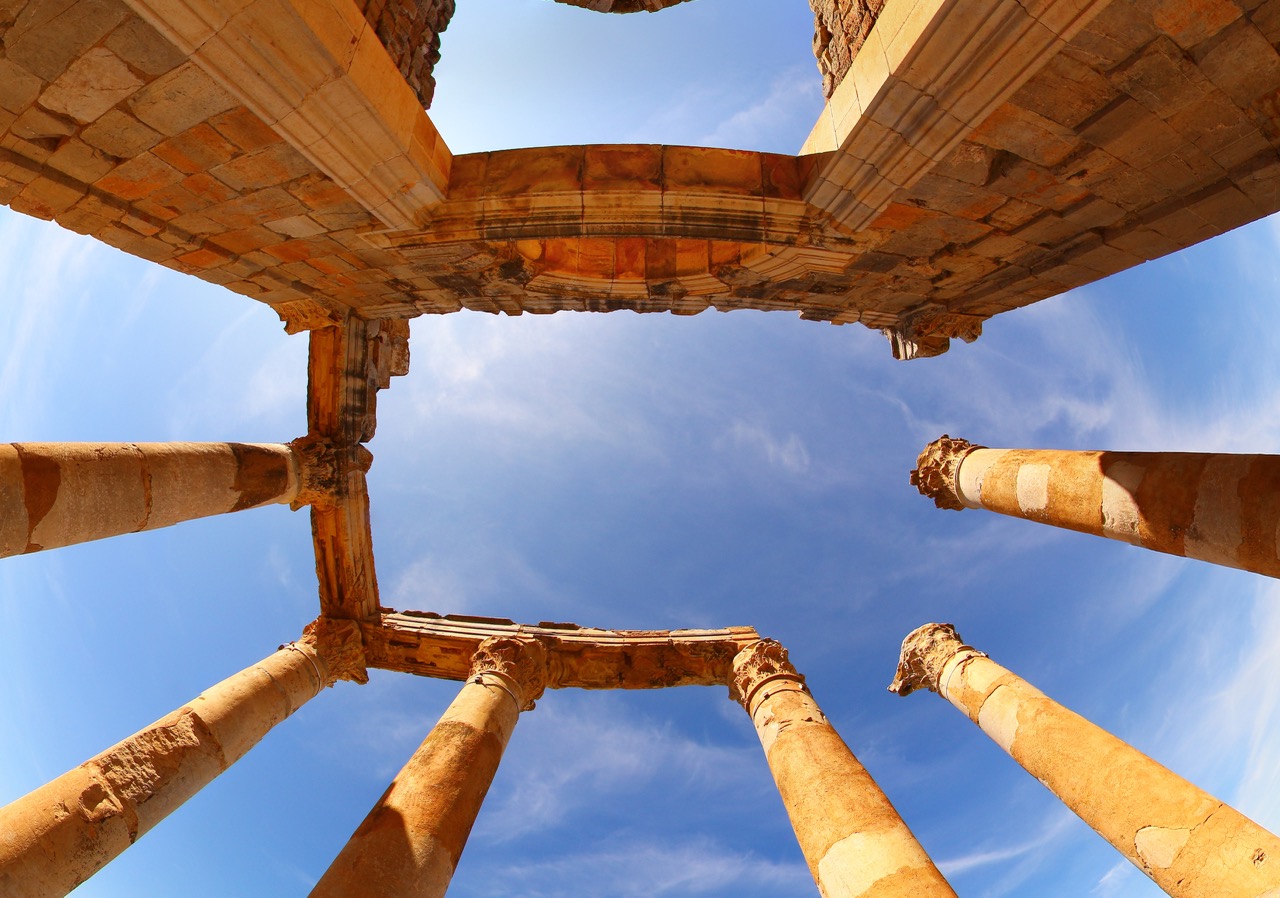
Roman colonial city of Numidia, later known as Djémila, renowned for its exceptionally well-preserved late antique urban remains.
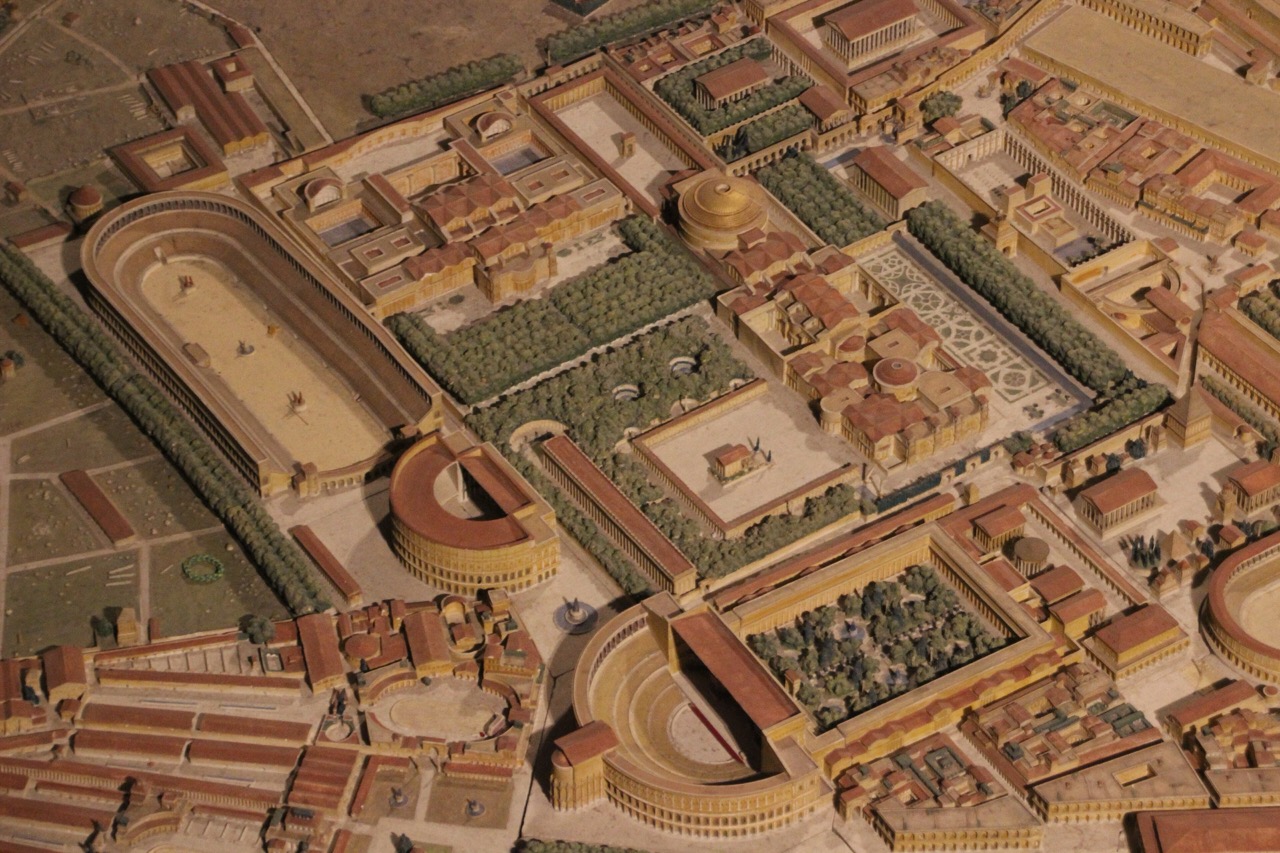
Archaeological evidence shows that the area around Rome has been inhabited since around 14,000 years ago. Excavations support the theory that Rome grew from pastoral settlements on the Palatine Hill, which was built over the area of the Roman Forum.
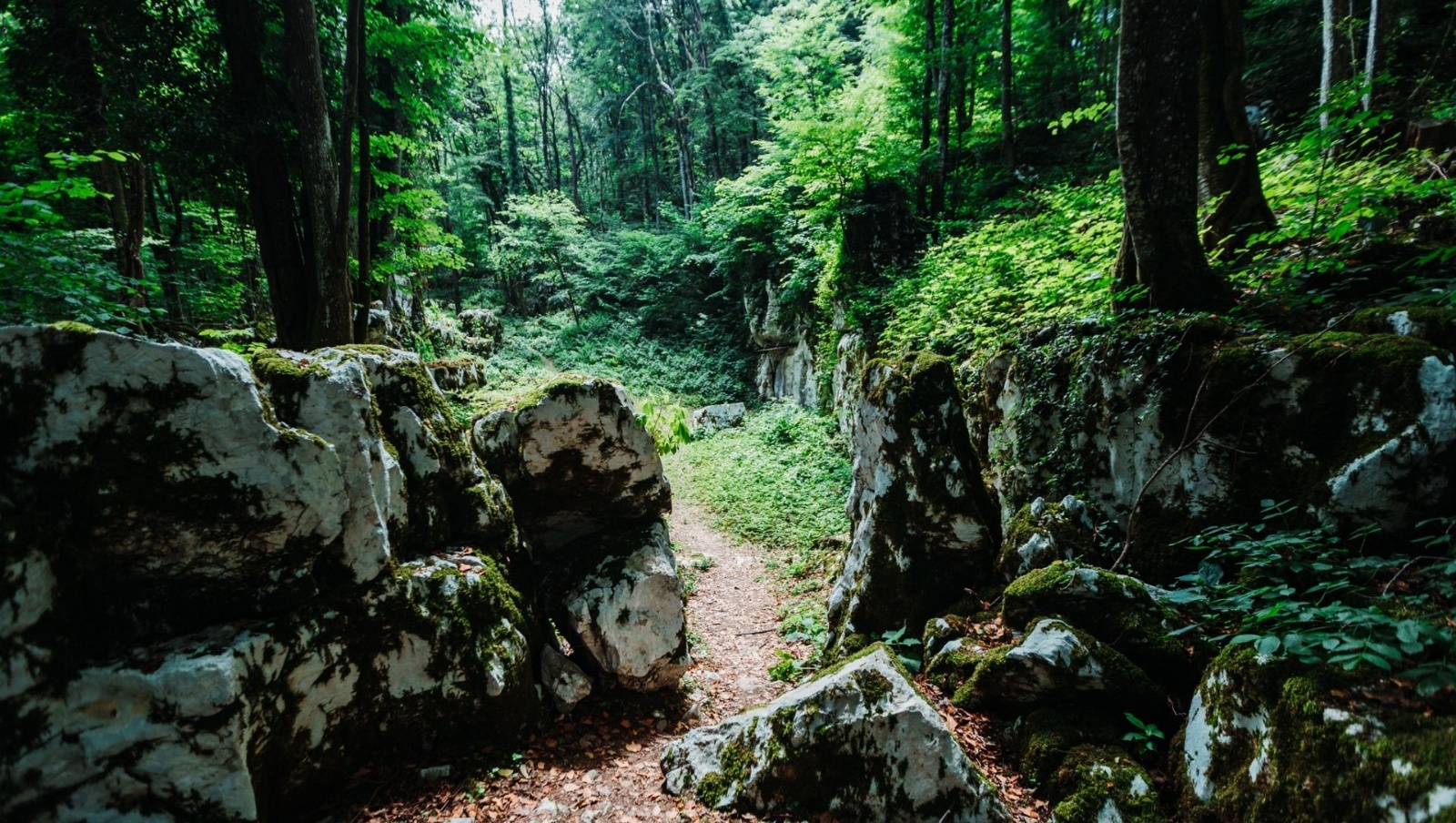
Rožanec is a settlement north of the town of Črnomelj in the White Carniola area of southeastern Slovenia.
Aristocratic villa near Tarraco, capital of Hispania Tarraconensis, associated with Caius Valerius Avitus and a Mithraic sanctuary.
Murviel-lès-Montpellier is a commune in the Hérault department in the Occitanie region in southern France.
The Roman remains of Benifaió, or Benifayó in Spanish, are located on the outskirts of the city. Of particular interest is a rustic villa inhabited between the 1st and 4th centuries according to the numismatic and ceramic remains found.
Villa Vicentina is associated with archaeological material from the Roman territory of Venetia.
Torcello is associated with the lagoon landscape of Venetia and later settlement activity.
Cataio is associated with archaeological material from the Euganean area of Venetia.
