Your selection gave 165 results.
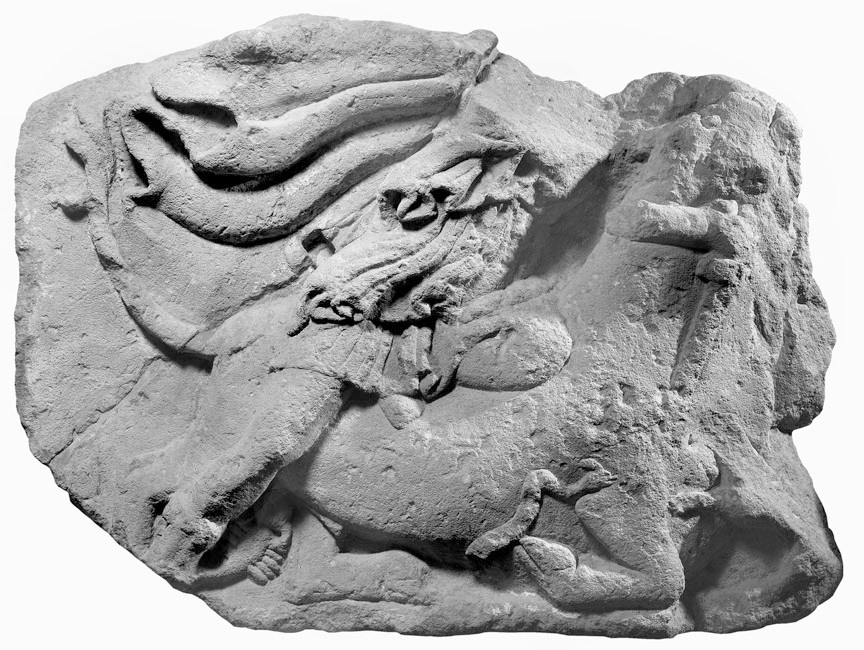
Sandstone relief of Mithras killing the bull, broken in two parts and partly restored, with dog, serpent and scorpion preserved; formerly in Vienna, now on loan to the Museum Carnuntinum.
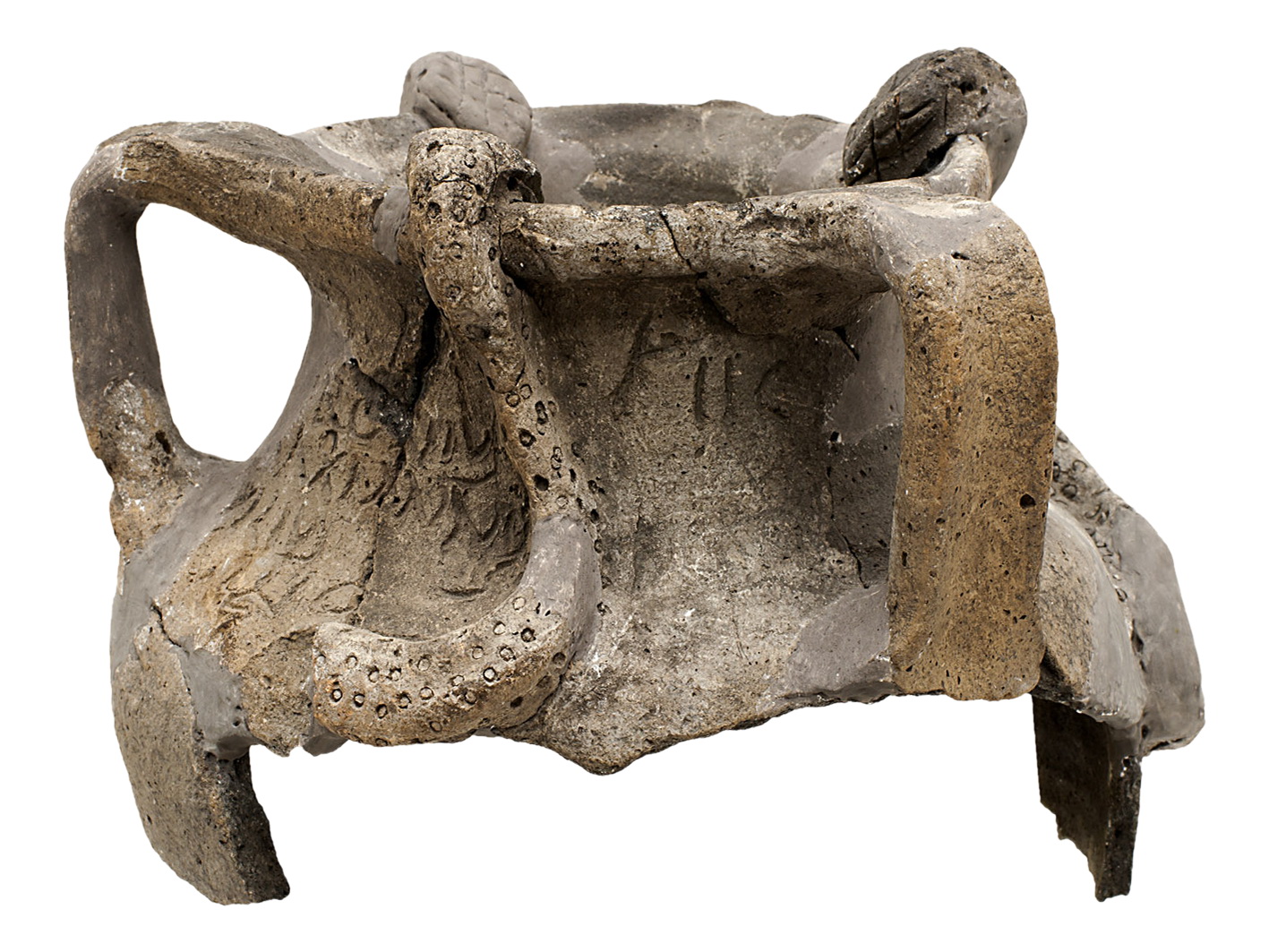
Upon first examination, archaeologists interpreted the inscription on the cult vessel from Gradishje as referencing Mithras, though it has since been re-evaluated.
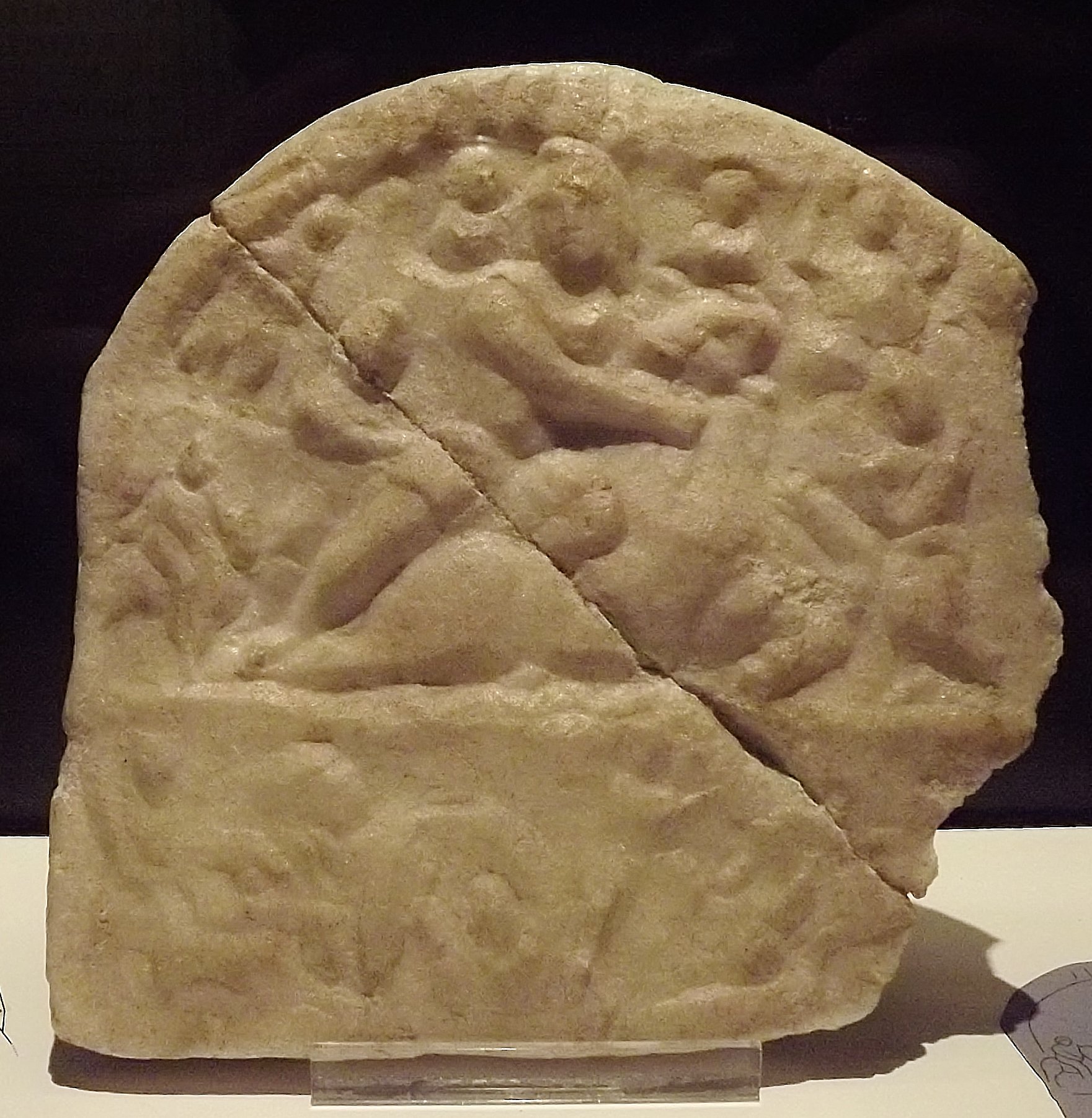
This small white marble relief of Mithras as a bullkiller was found in the Botanical Gardens of Vienna in 1950.
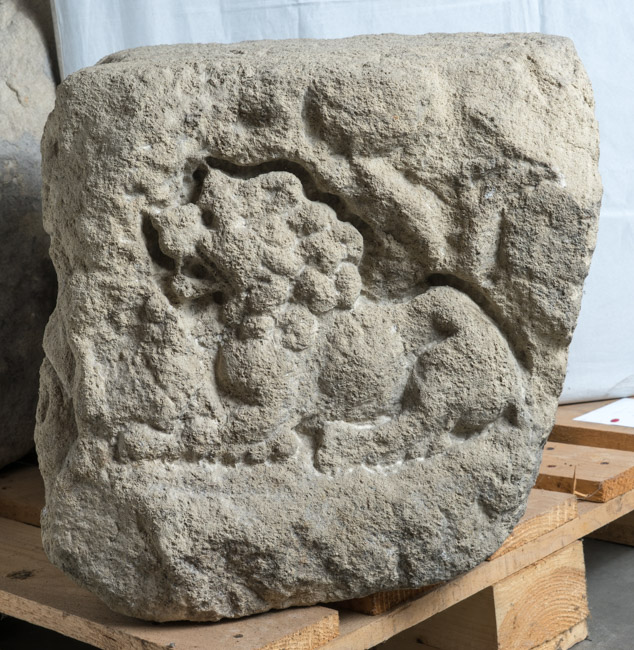
Sandstone base carved on two sides, with a head of Medusa framed by acanthus leaves and a reclining lion holding a head between its forelegs.
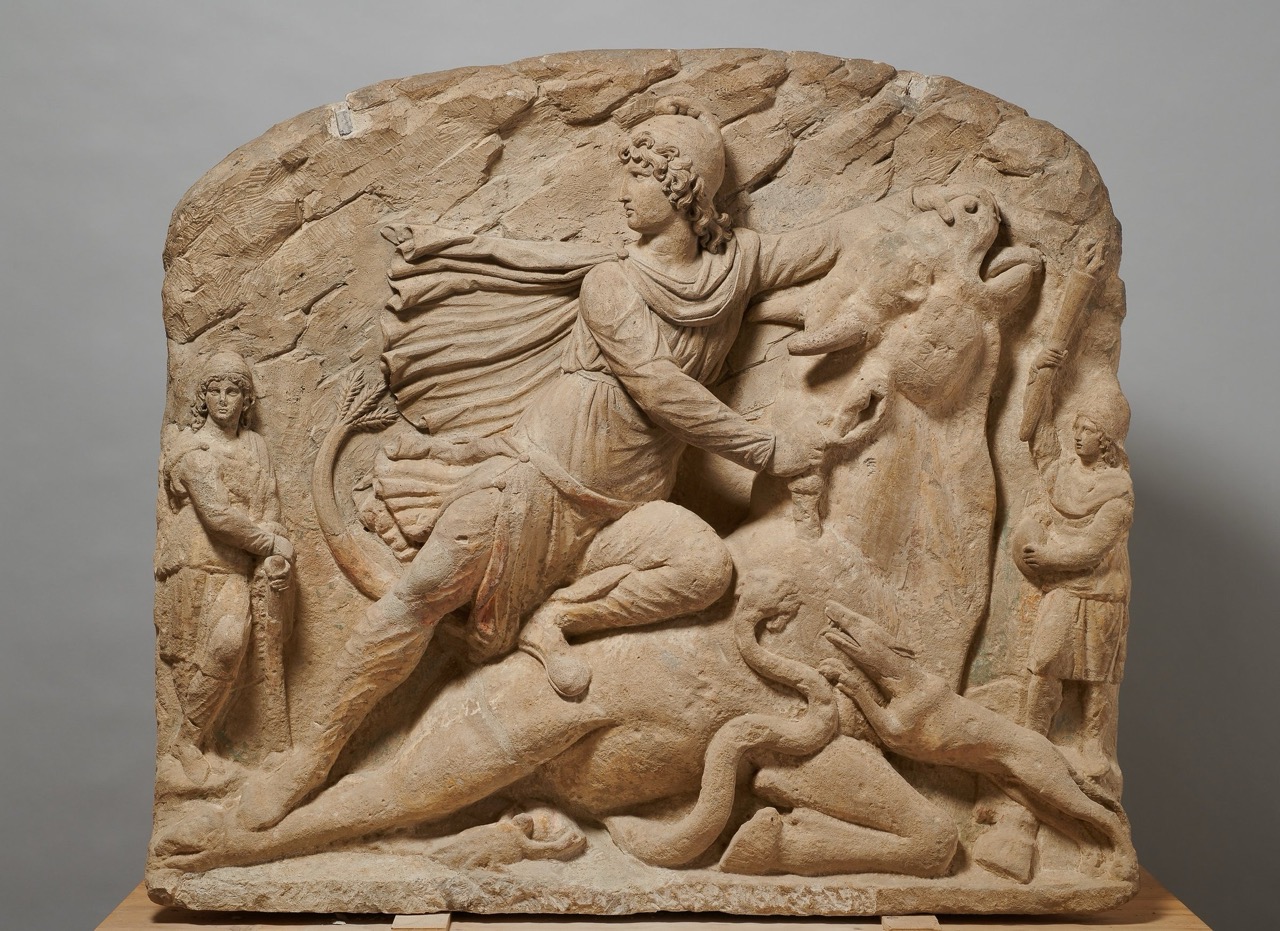
Limestone tauroctony relief from Carnuntum with traces of polychromy and a graffito on the bull’s neck. The inscribed base was carved separately.
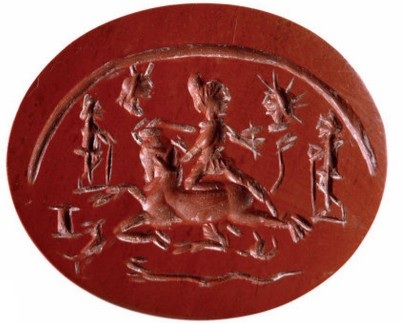
An oval carnelian gem from Carnuntum showing Mithras tauroktonos in a grotto. Sol and Luna appear above, with both torchbearers and a small altar before the bull.

The Mithraeum of Stix-Neusiedl was discovered in the summer of 1816. Although the structure of the sanctuary is unknown, several associated monuments are preserved today in Vienna.

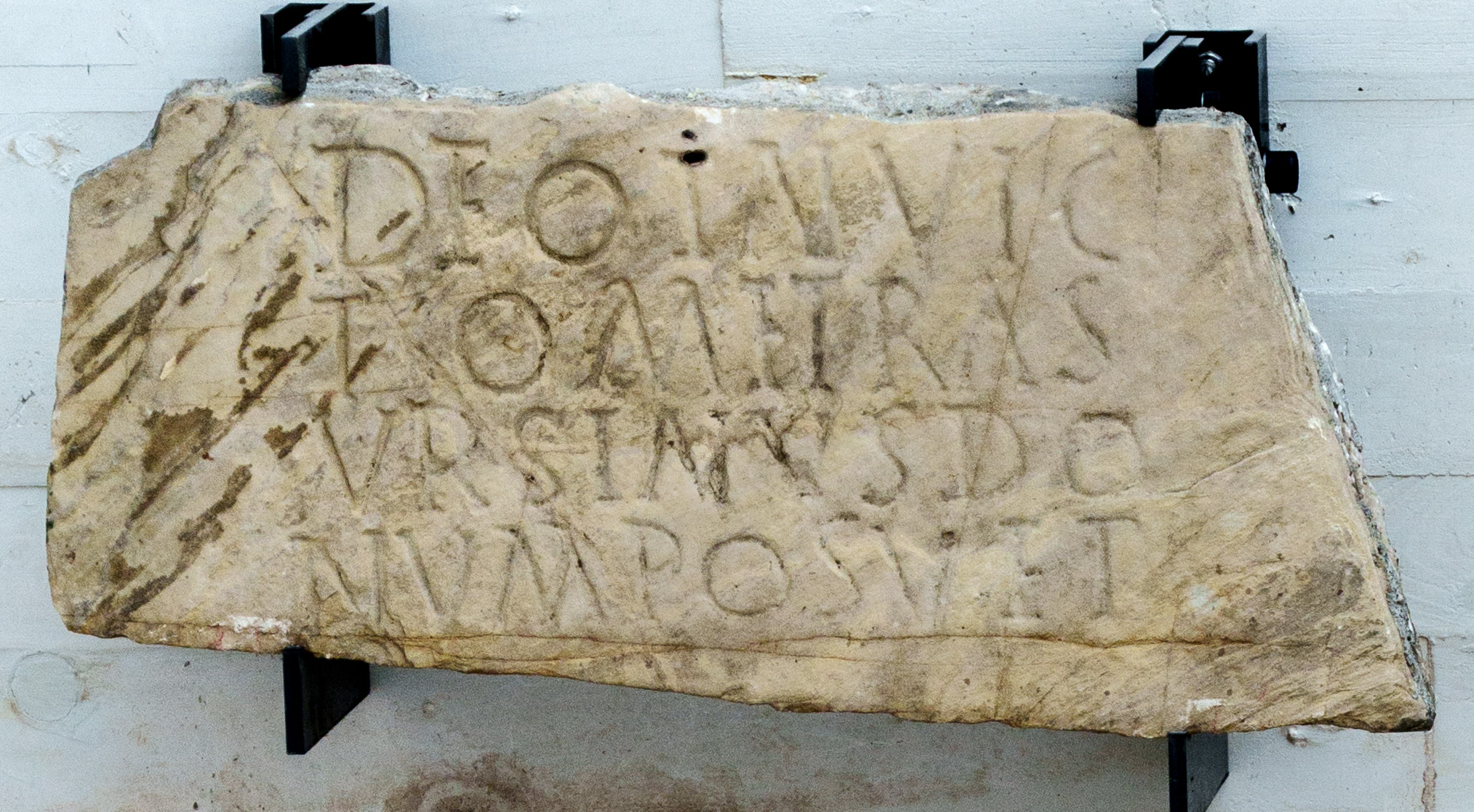
Marble plaque with inscription by a certain Ursinus found in Virunum in 1838.
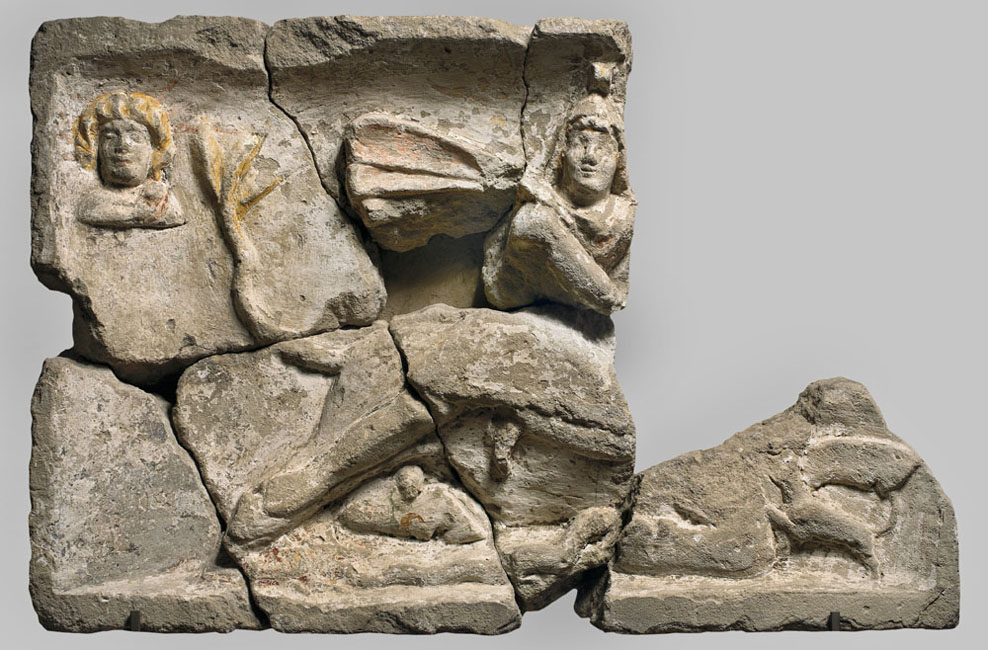
Sandstone relief of Mithras as bull-slayer, found at Petronell in 1932, with dog, serpent and scorpion, traces of polychromy preserved, now in the Museum Carnuntinum.
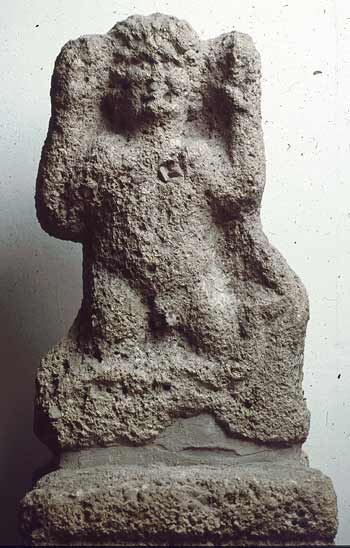
Conglomerate statue of the birth of Mithras, found in a burnt layer, showing the god nude emerging from the rock with raised hands and a snake.
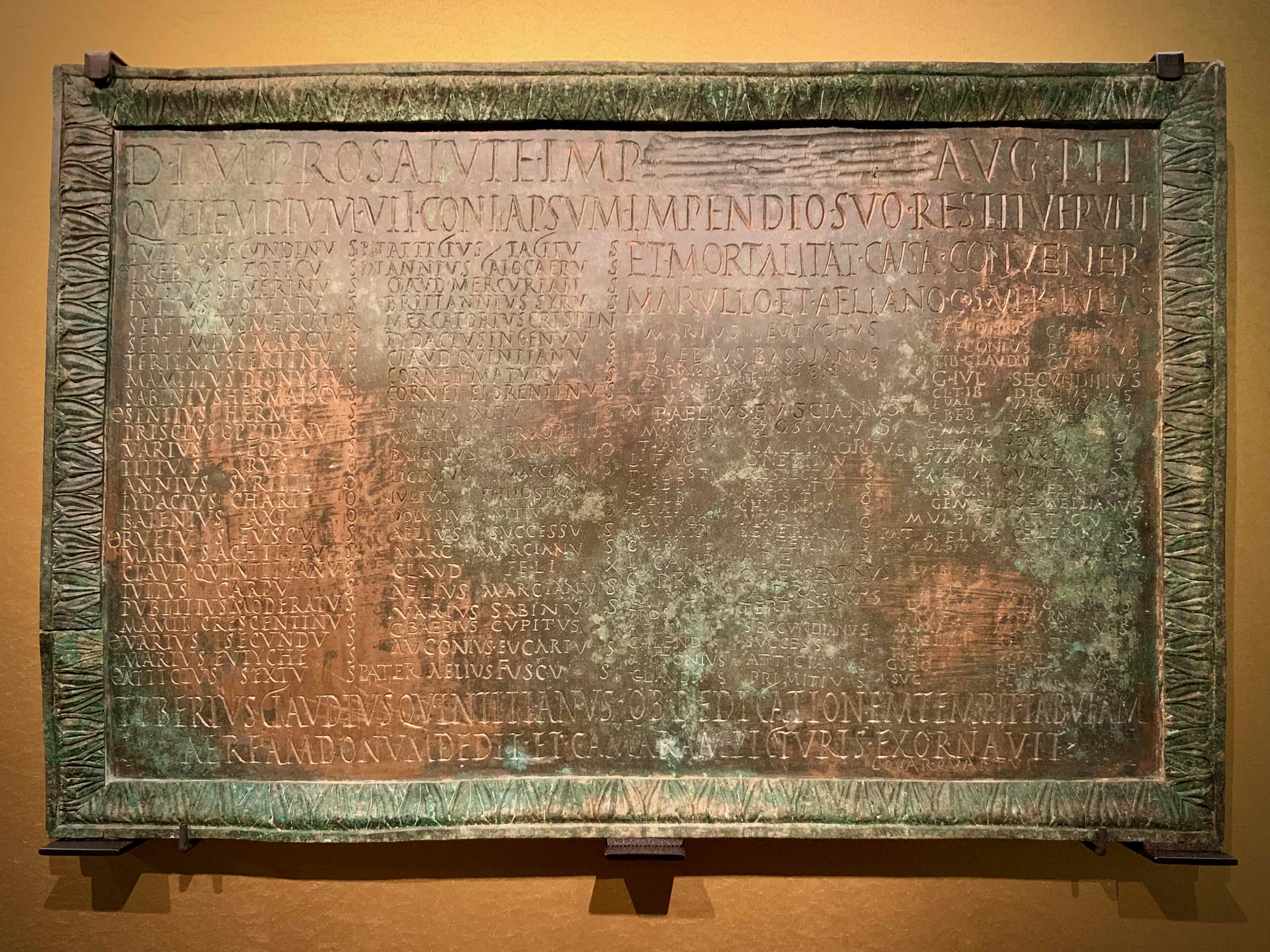
The bronze bears the dedication of a restoration of a Mithraeum carried out in 183.

A slave of a certain Tiberius, he likely dedicated an altar to the invincible god Mithras in Carnuntum.

He was a centurion from Savaria, serving in Legio XIV Gemina based in Carnuntum.


Priest of Mithras who dedicated an altar to Petra Genetrix in Carnuntum.



Centurion who dedicated the first known Latin inscription to the invincible Mithras.