Filtering by Country: Algeria gave 76 results.

Lambaesis, Lambaisis or Lambaesa, is a Roman archaeological site in Algeria, 11 km southeast of Batna and 27 km west of Timgad, located next to the modern village of Tazoult.
Zuccabar was an ancient town in the Roman province of Mauretania Caesariensis.
Thagaste was a Roman-Berber city in present-day Algeria, now called Souk Ahras.
Cirta, also known by various other names in antiquity, was the ancient Berber and Roman settlement which later became Constantina, Algeria.
Diana Veteranorum, today a village called Ain Zana, was an ancient Roman-Berber city in Algeria.
Zaraï was a Berber, Carthaginian, and Roman town at the site of present-day Aïn Oulmene, Algeria.
Madauros was a Roman-Berber city in Numidia, in present-day Algeria, renowned in antiquity as an important intellectual and educational centre of Roman North Africa.
Tiddis was a Roman city that depended on Cirta and a bishopric as Tiddi, which remains a Latin Catholic titular see. It was located on the territory of the current commune of Bni Hamden in the Constantine Province of eastern Algeria.
Settlement in inland Numidia associated with the mountainous region south of Cirta and the wider network of North Africa.
The Roman settlement overlooked a passage between the Hodna and the Sahara via the Aïn Rich plain and the valley of the Oued Chaïr, between the Ouled-Naïl and Zab mountains.
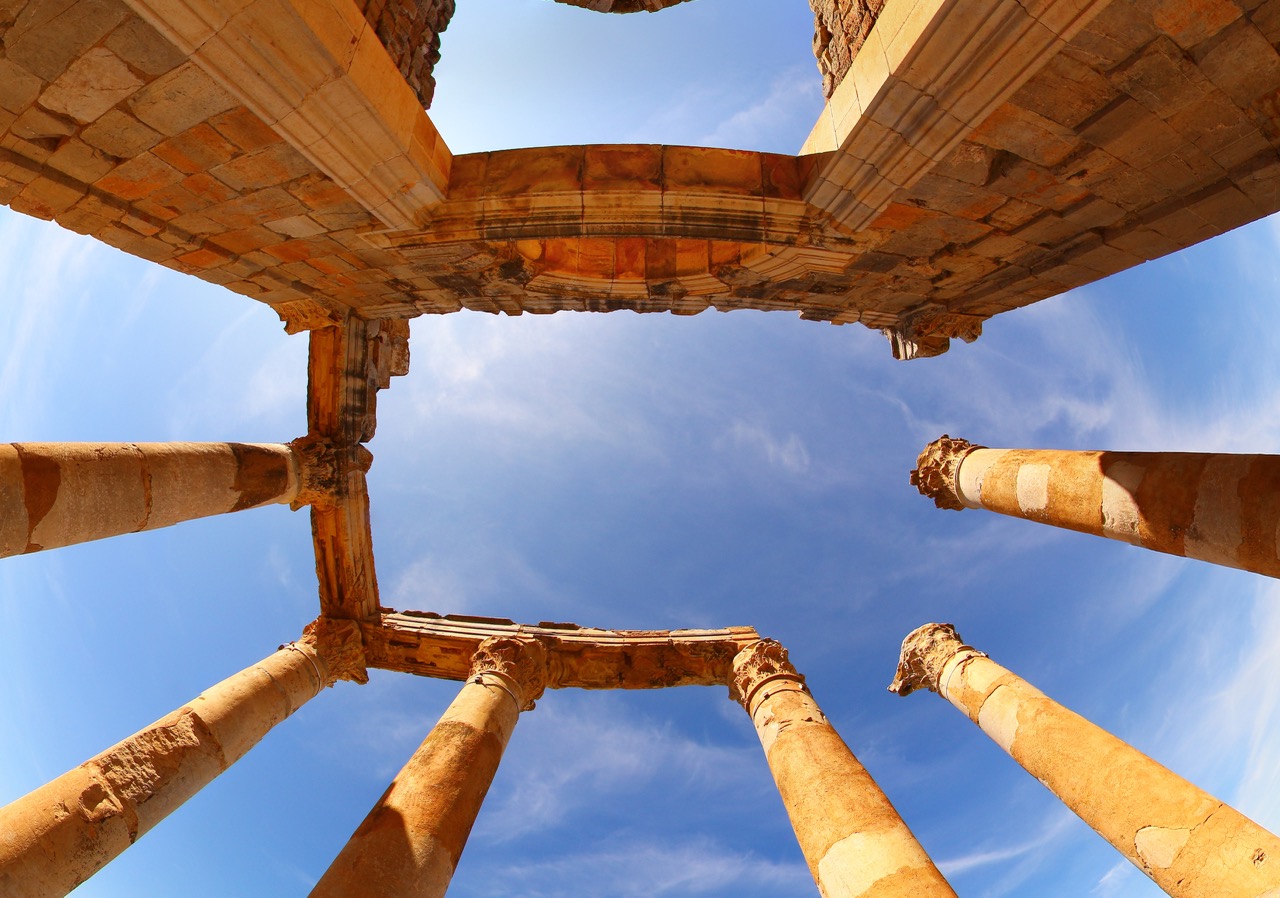
Roman colonial city of Numidia, later known as Djémila, renowned for its exceptionally well-preserved late antique urban remains.
Icosium was a Berber city that was part of Numidia which became an important Roman colony and an early medieval bishopric in the casbah area of actual Algiers.
