Your selection gave 167 results.

Housesteads Roman Fort is the remains of an auxiliary fort on Hadrian's Wall, at Housesteads, Northumberland, England, south of Broomlee Lough.
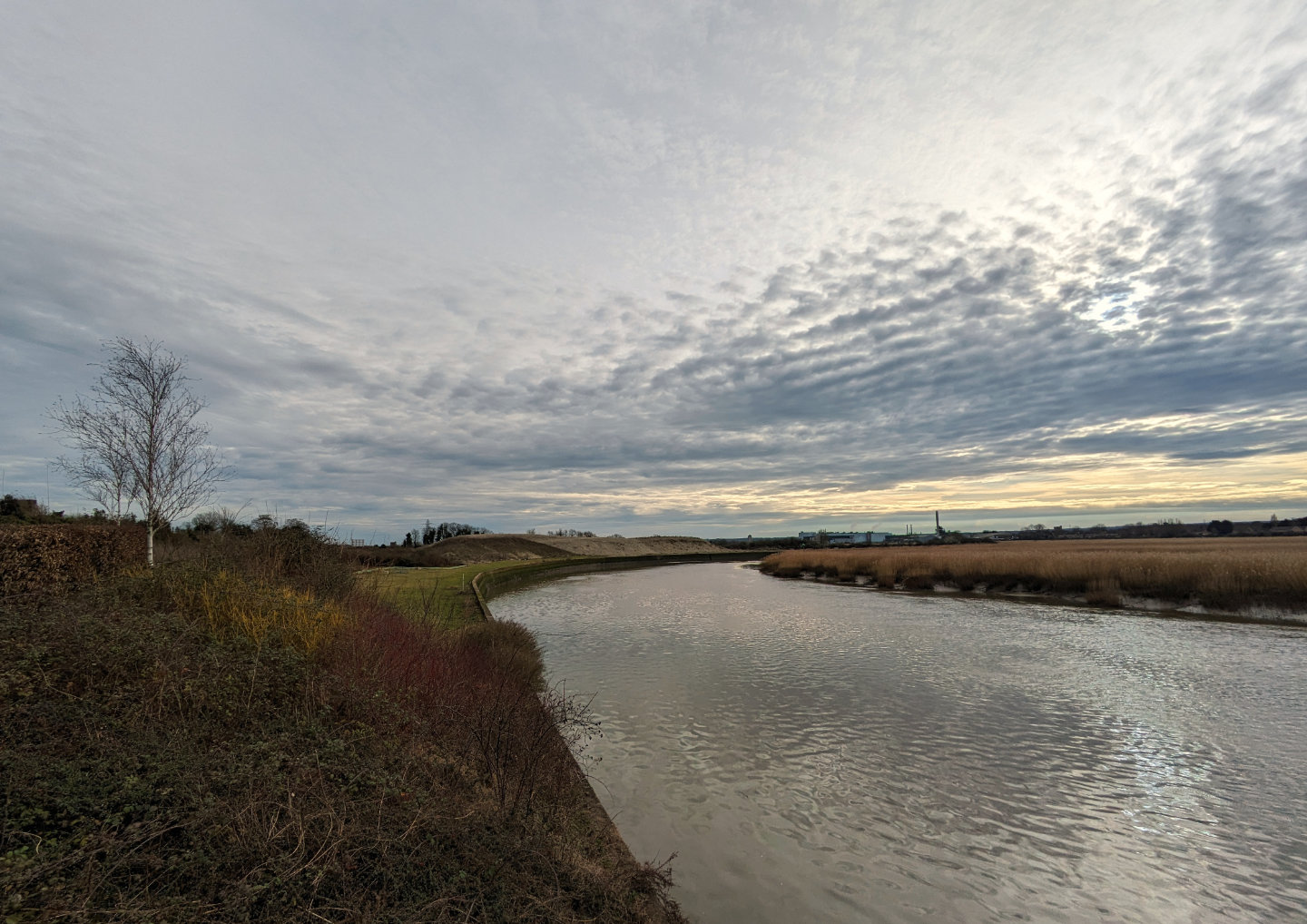
To date, there is no evidence that the so-called Mithraeum of Burham was ever used to worship the sun god.
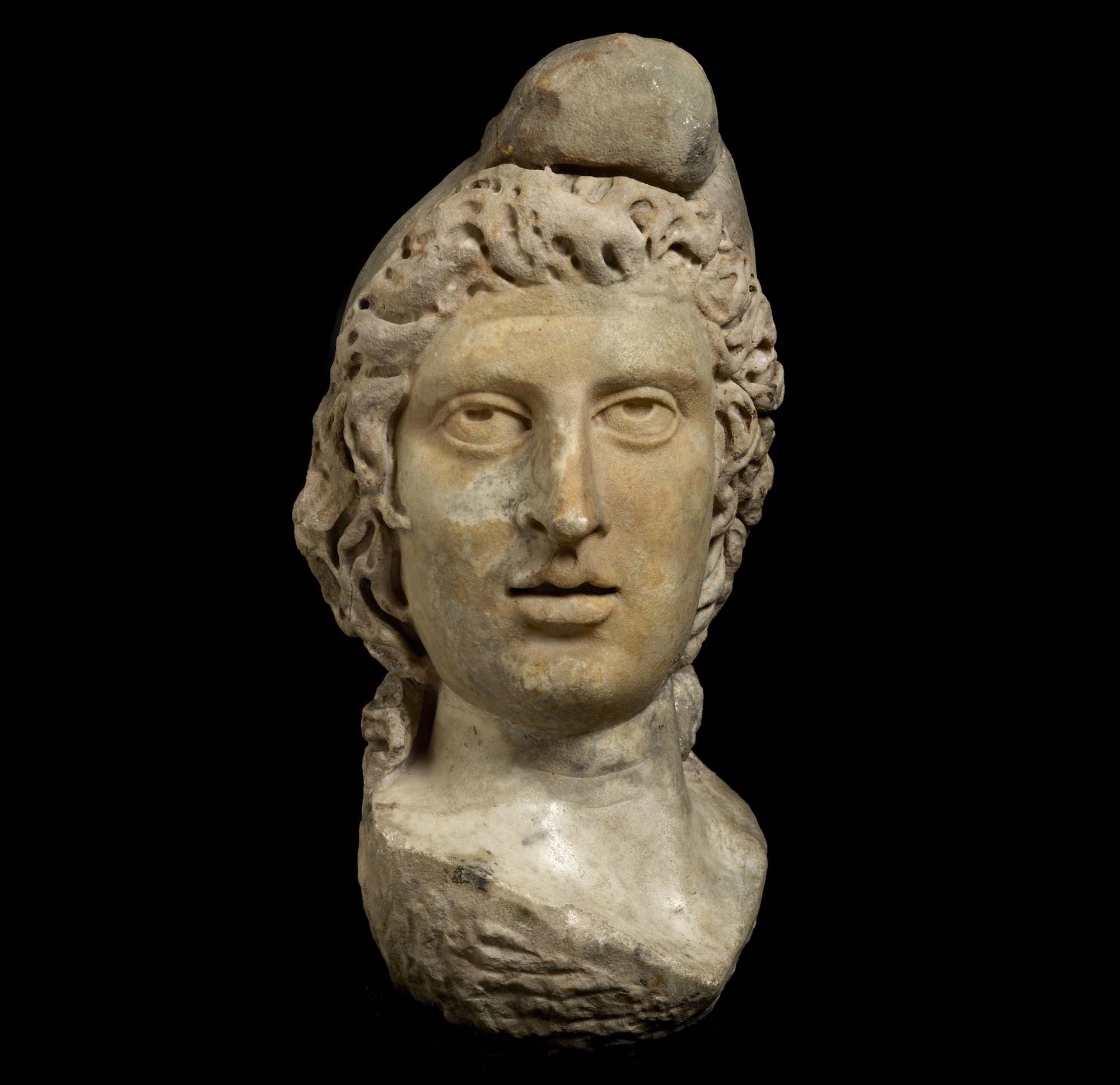
The Mithras's head of Walbrook probable belonged to a life-size scene of the god scarifying the bull.
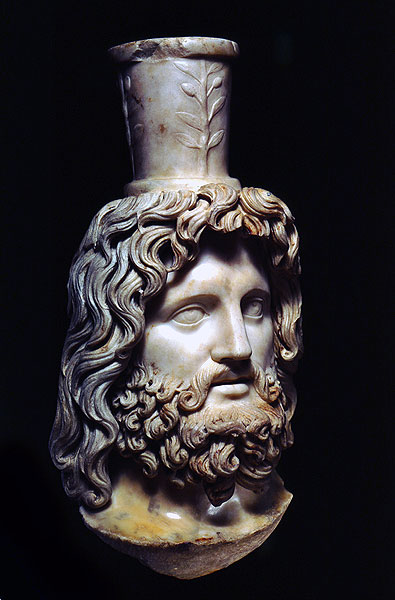
The head of Serapis found at Walbrook, London, is decorated with stylised olive branches.
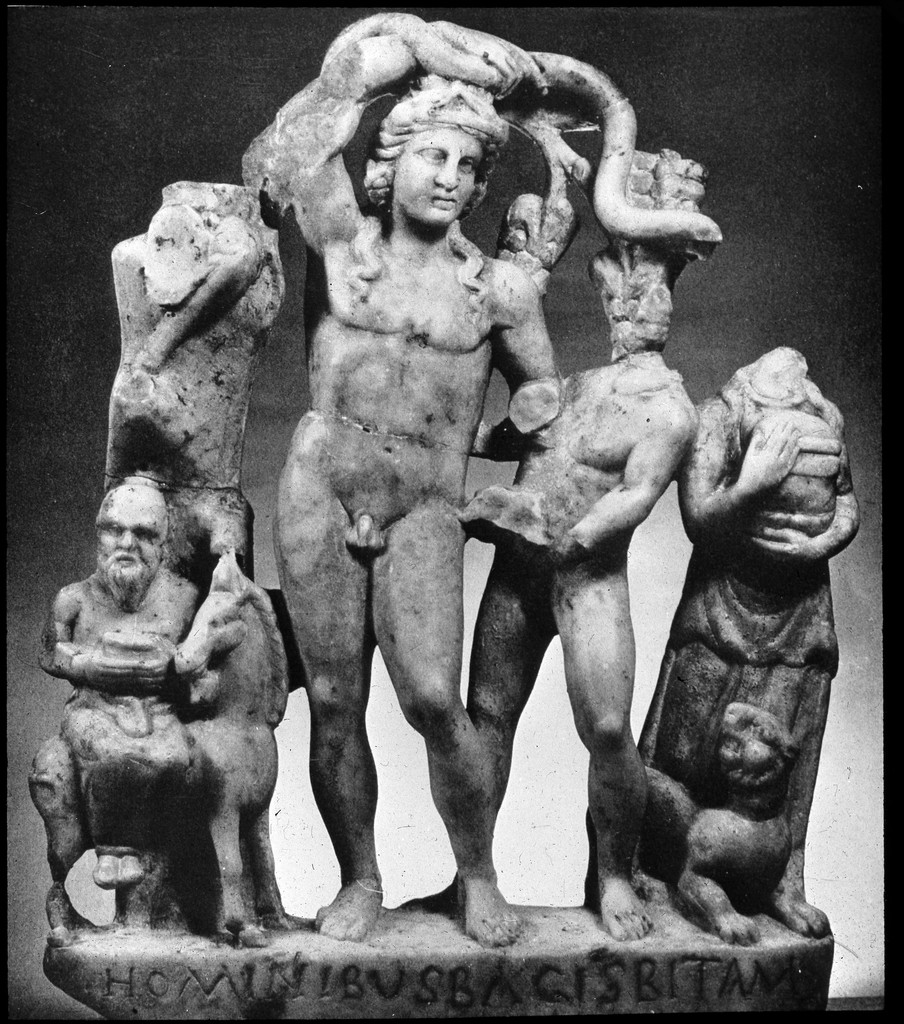
Marble group of Dionysus accompanied by a Silenus on a donkey, a satyr and a menead.

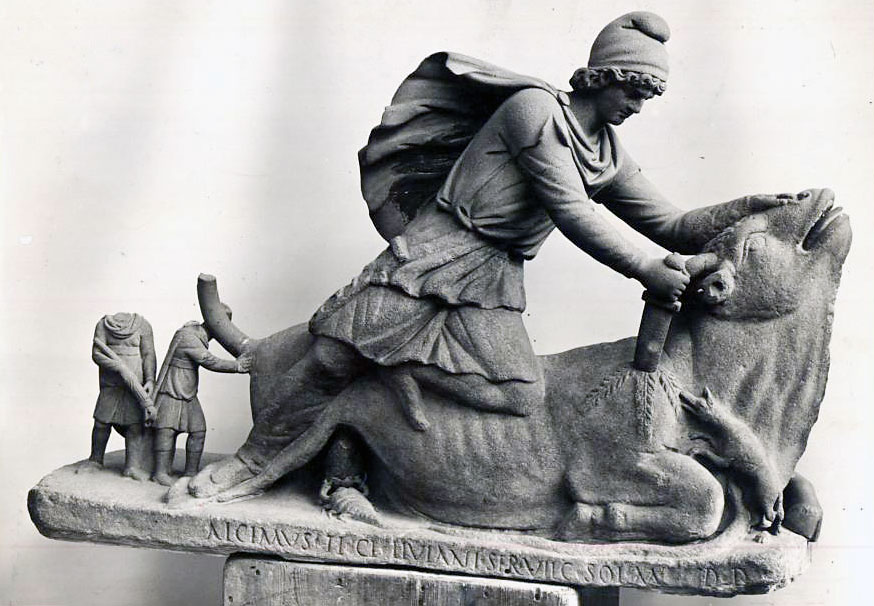
Roman Mithraic relief illustrated in figure 171 of Vermaseren’s catalogue.
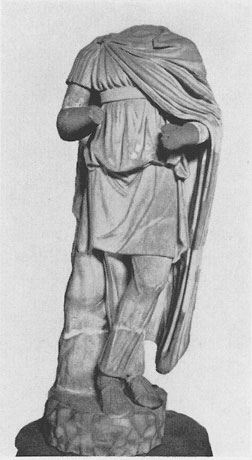
Penthelic marble statue of a standing torchbearer in Eastern attire, cross-legged, with head and torch arm broken off, probably 2nd century A.D., found at Antium (modern Anzio).
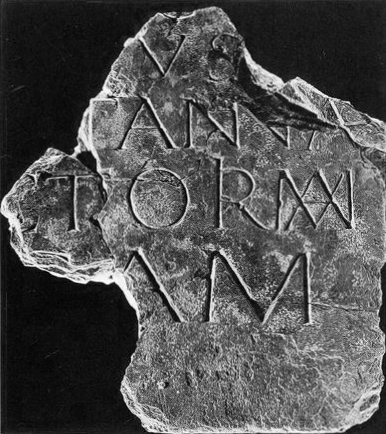
Archaeological material from the Mithraeum of Londinium discussed in Hill’s study of Roman London.
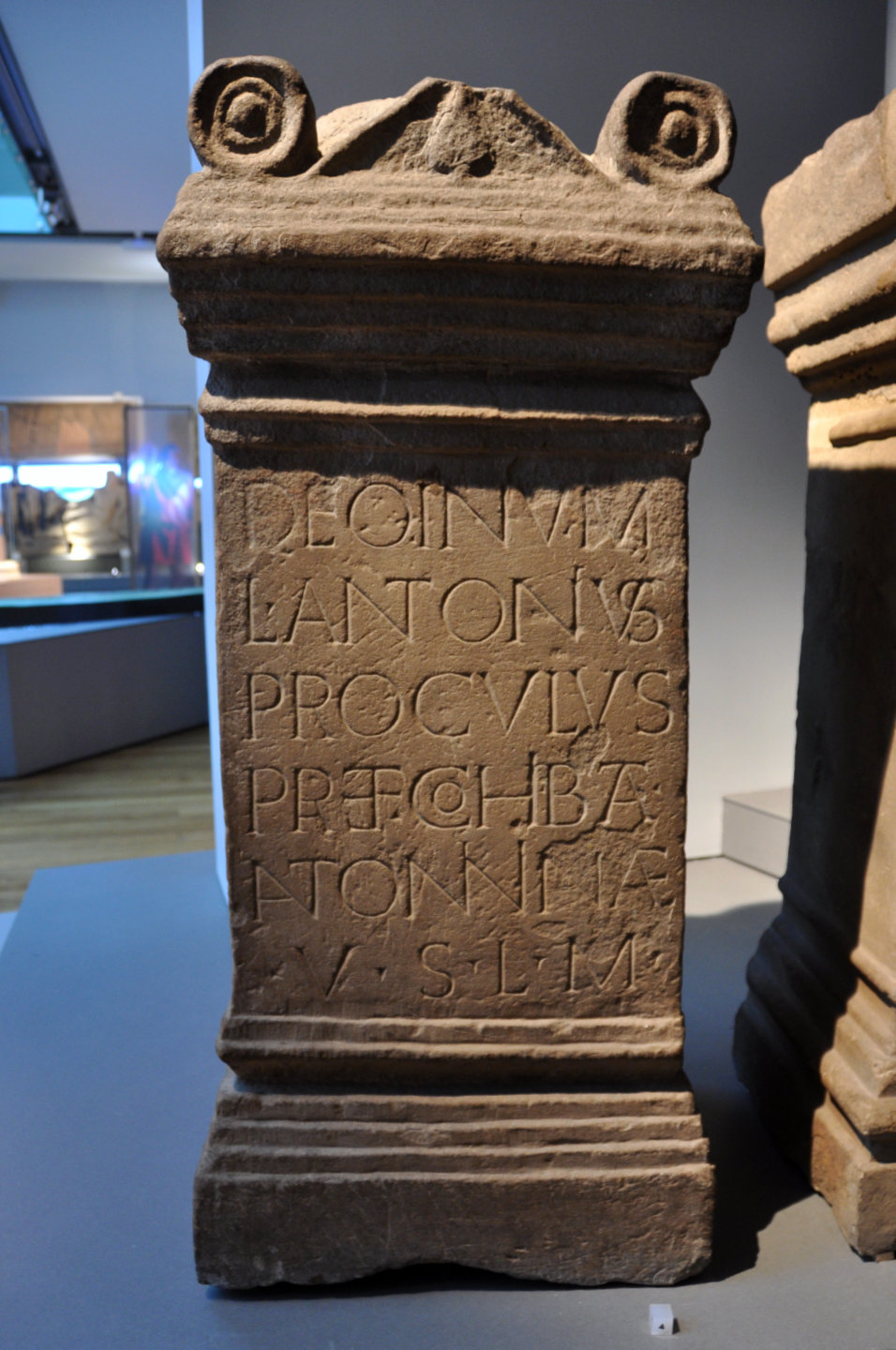
One of the three altars to Mithras found at the Mithraeum of Carrawburgh fort.
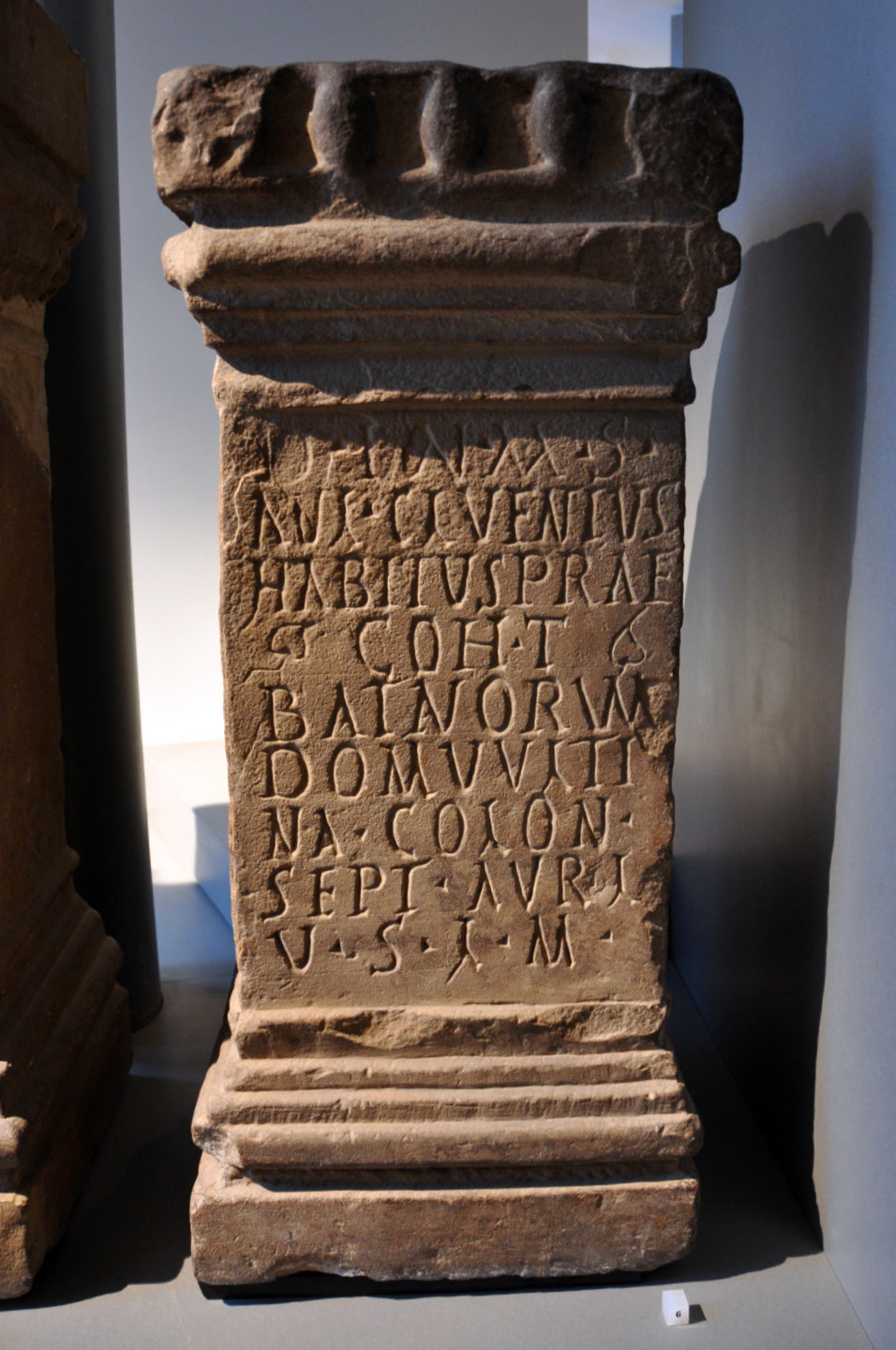
One of the three altars to Mithras found at the Mithraeum of Carrawburgh fort.
.jpg)
This limestone statue of Cautes is now exposed at Great North Museum of Newcastle.
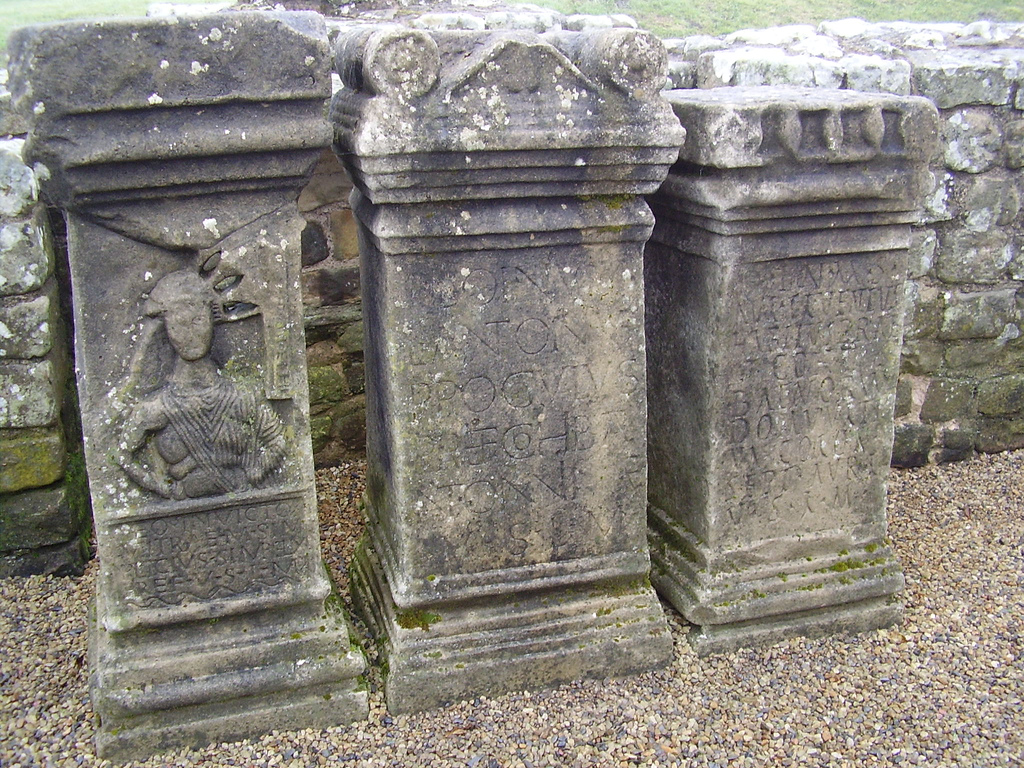
One of the altars from the Carrawburgh Mithraeum depicts the bust of Mithras or Sol.
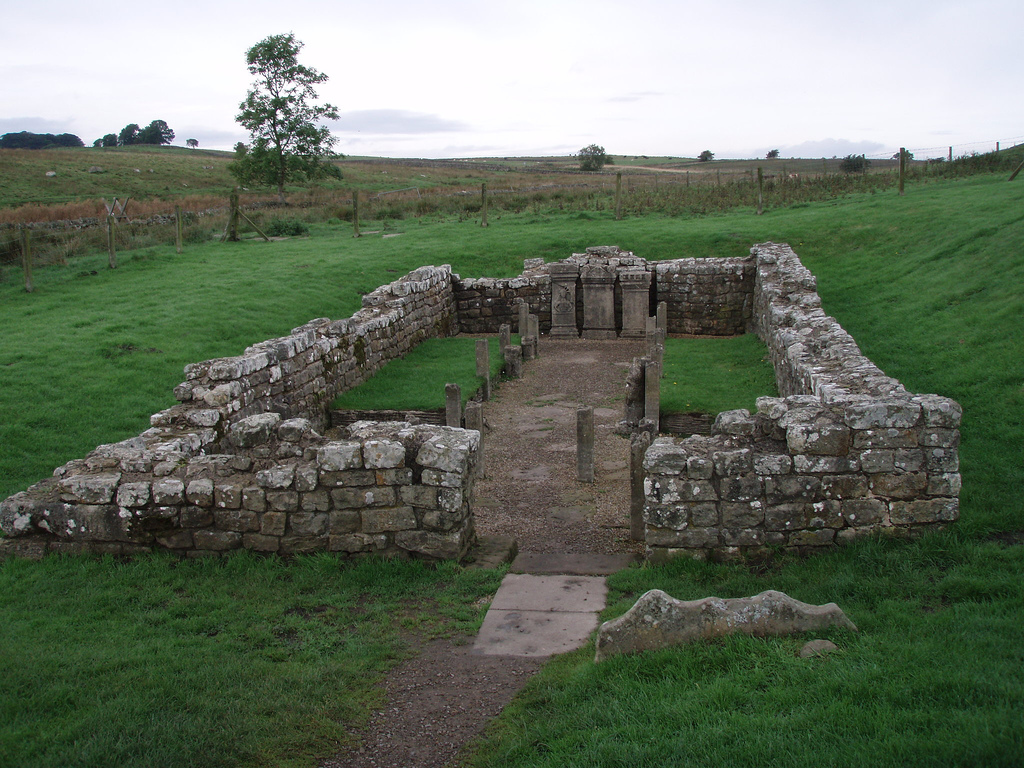
The temple of Mithras of Carrawburgh, Brocolita, disclosed three main stages of development, the second exhibiting two reconstructions.

One of the rooms in a sustantive masonry building in Hollytrees Meadow was considered to be a Mithreum, a theory that has now been discarded.
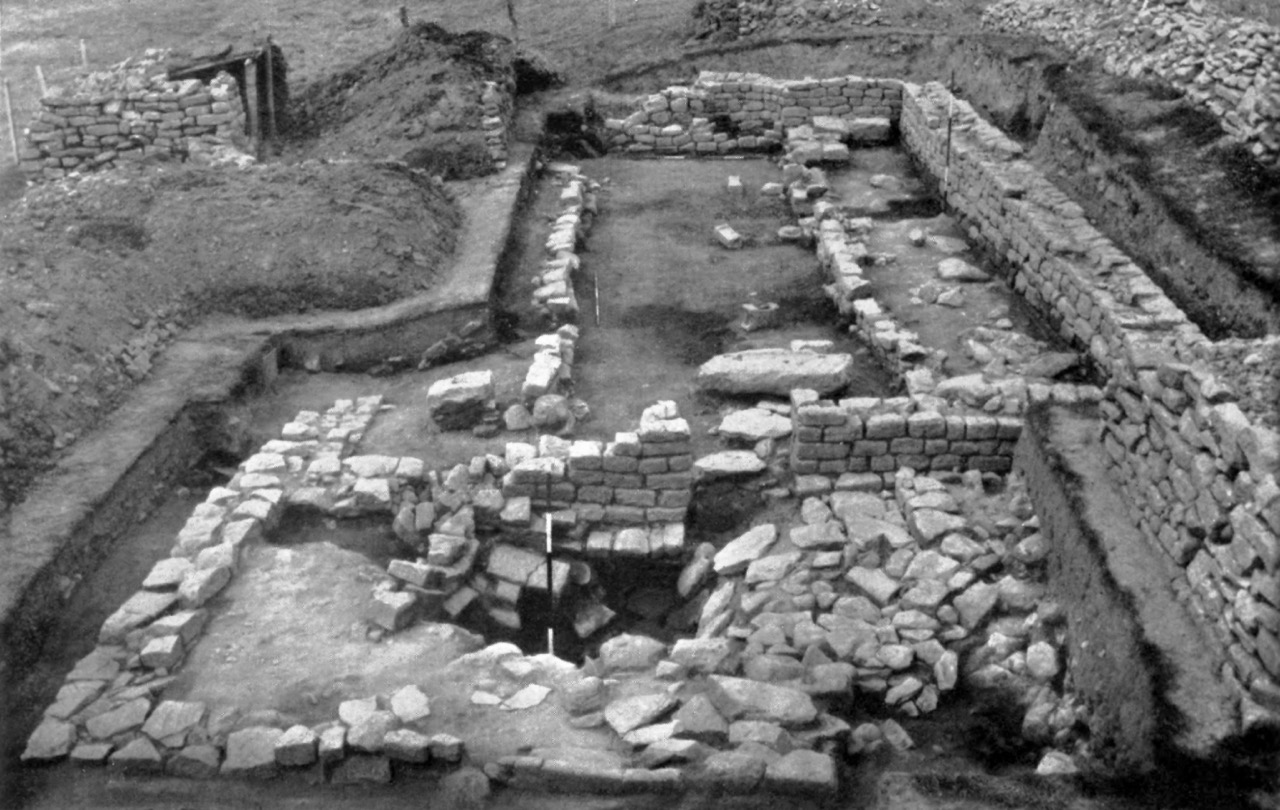
The Mithraeum of Rudchester was discovered in 1844 on the brow of the hill outside the roman station.

Pair of Castor ware vessels interpreted as ritual banquet deposits from the Mithraeum of Procolitia.
Sandstone altar combining imagery of Apollo, Mithras and the torchbearers Cautes and Cautopates near the Roman fort of Whitley Castle.

Stone lamp installation, vessels and bronze chain links associated with ritual activity inside the Mithraeum of Vindobala.
