Your search Ain Zana gave 1346 results.
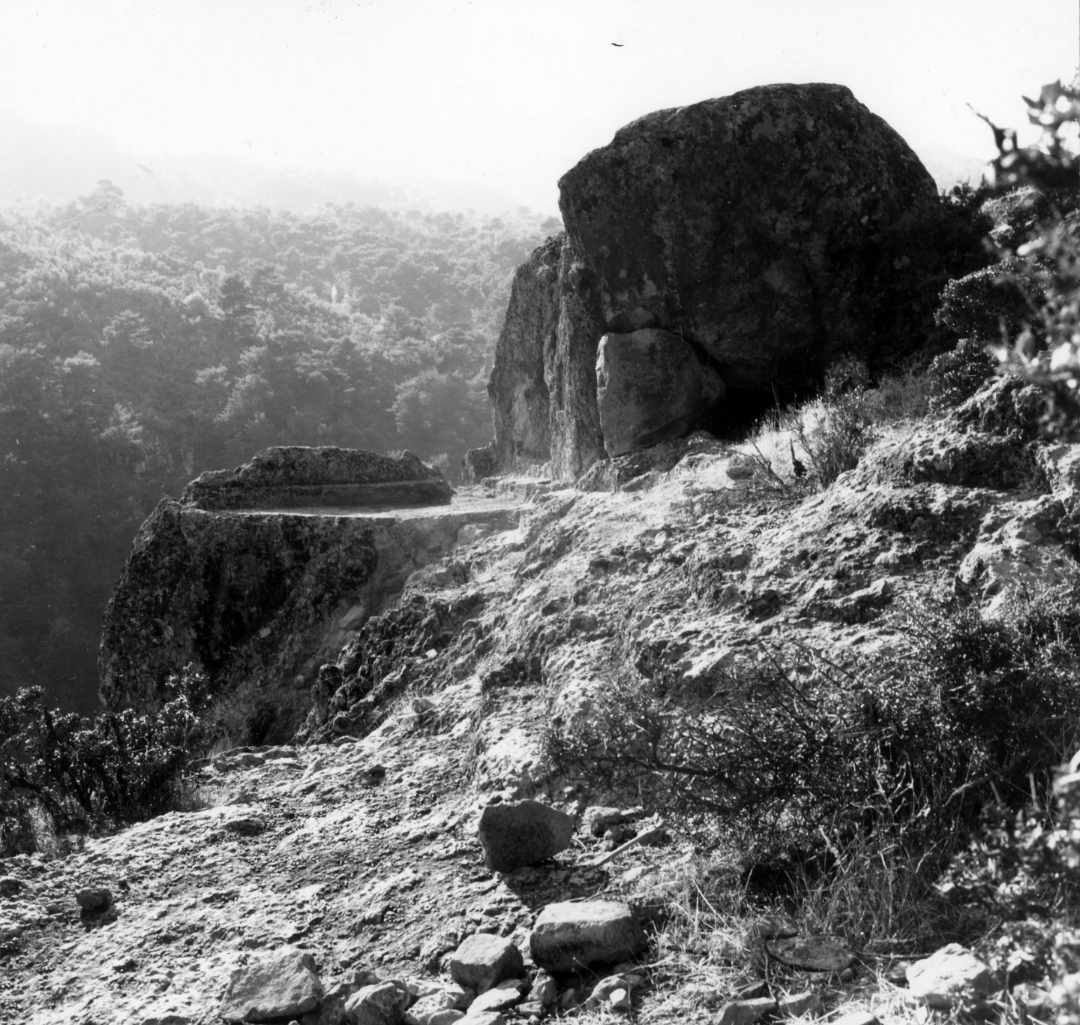
Mithras became the main deity worshipped in the sanctuary of Meter in Kapikaya, Turkey, in Roman times, at least until the fourth century.
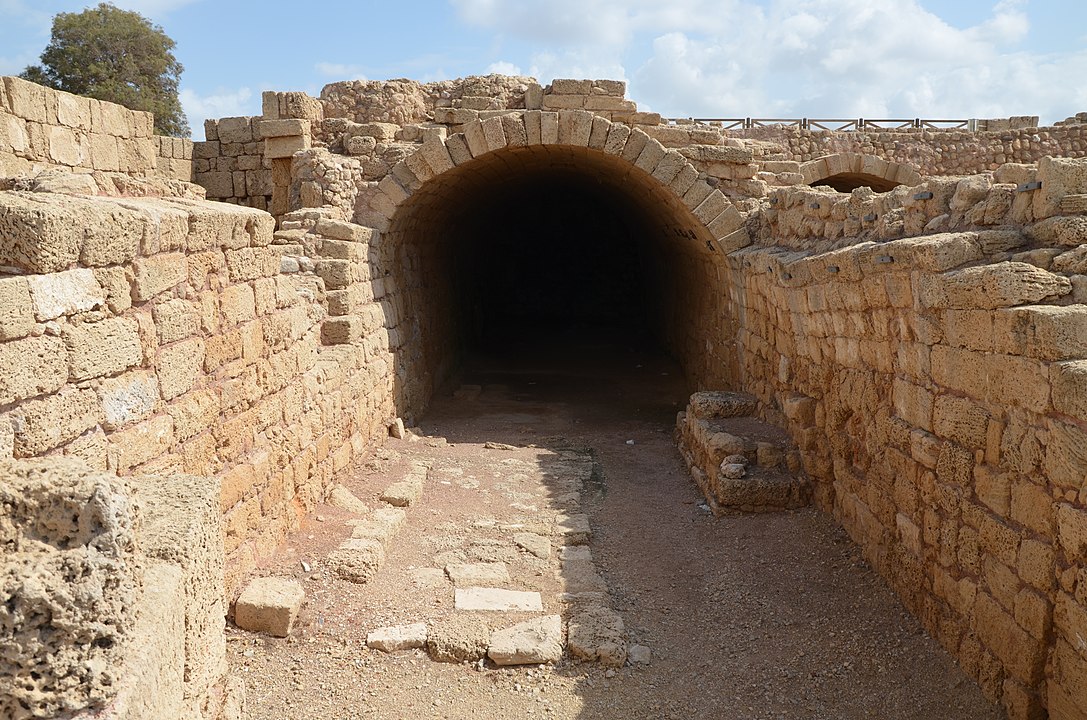
This shrine developed towards the end of 2nd century and remained active until beginning 4th.

A possible Mithraeum II was found in Bingen, but the few remains are not sufficient to prove it.
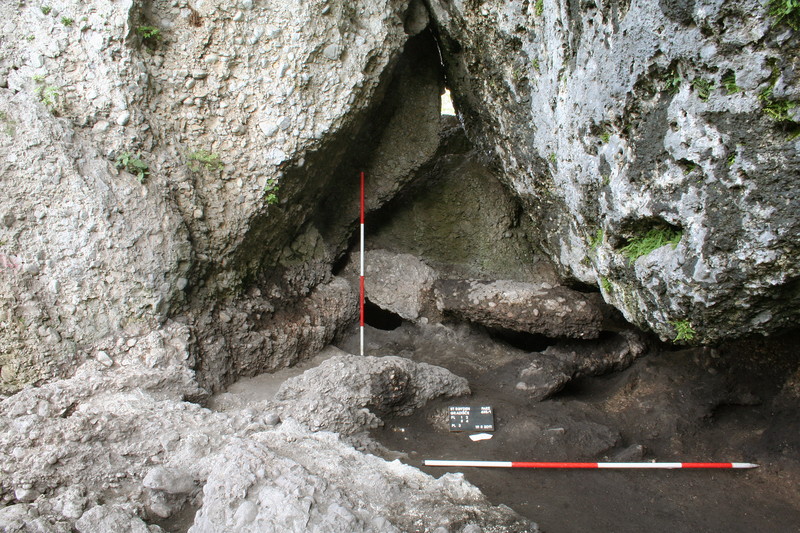
The 'Mithraic cave' in the Gradische/Gradišče massif near St. Egidio contained vessels decorated with snakes and the remains of chicken bones and other animals that were consumed during Mithraic ceremonies.
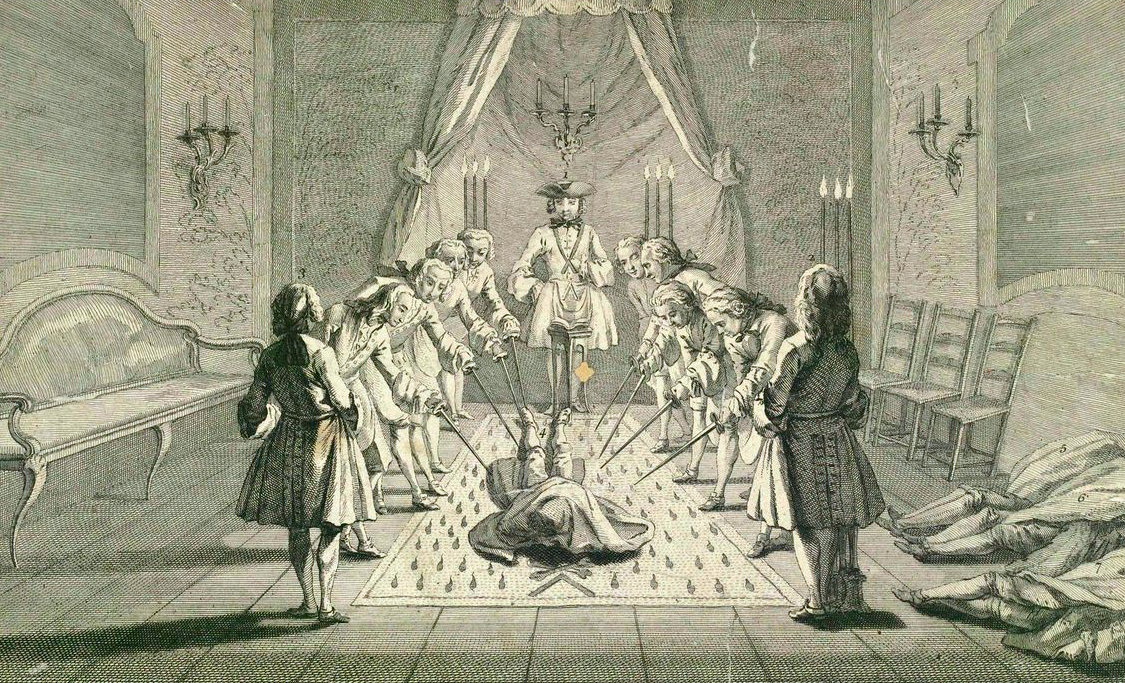
Twelve centuries separate the decline of Roman Mithraism from the dawn of Freemasonry. Twelve centuries during which the mysteries of Mithras have remained more secret than ever.
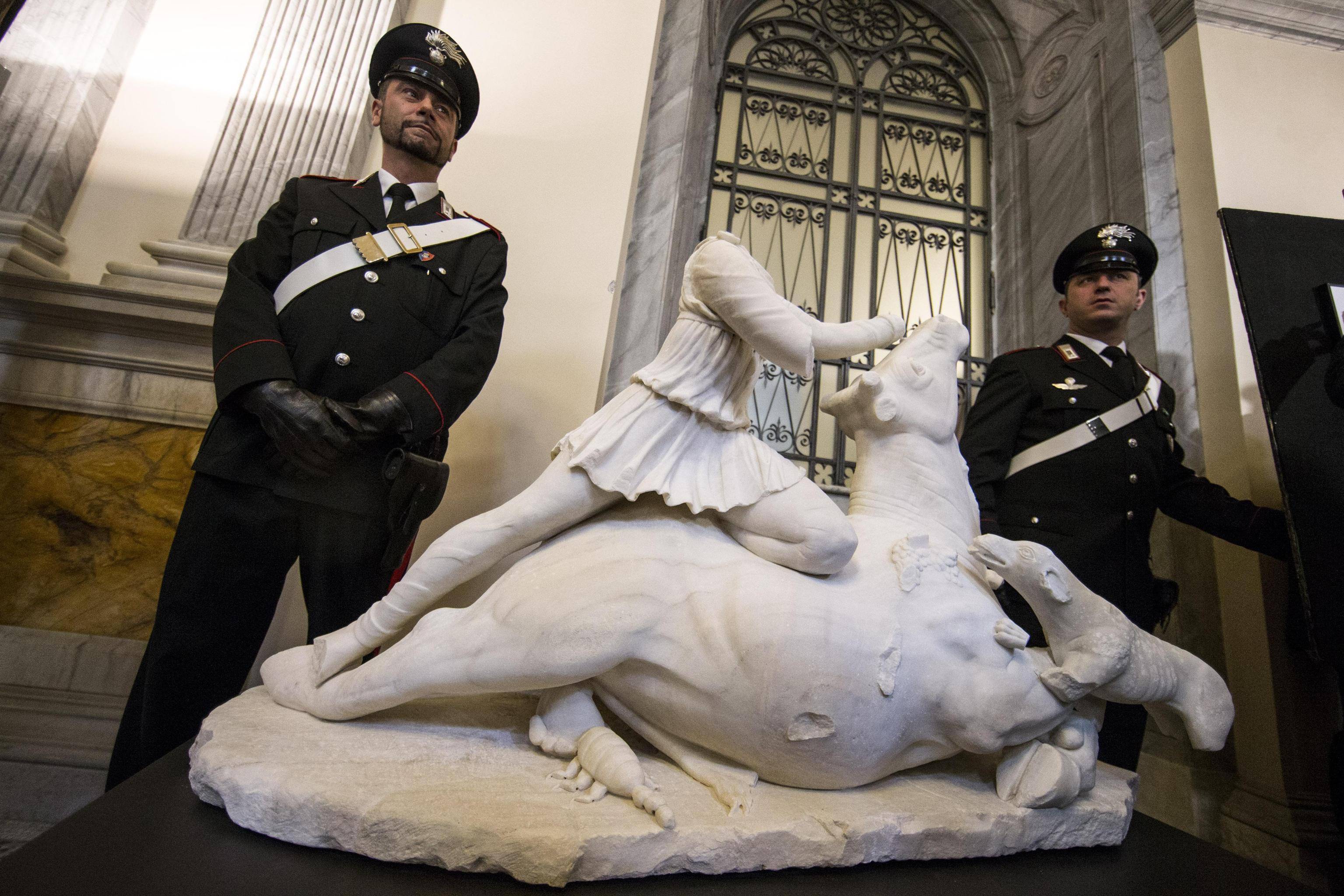
The Mithriac votive sculpture comes from a clandestine excavation in the Tarquinia area. The criminal chain is active in archaeological areas of Rome and southern Etruria.
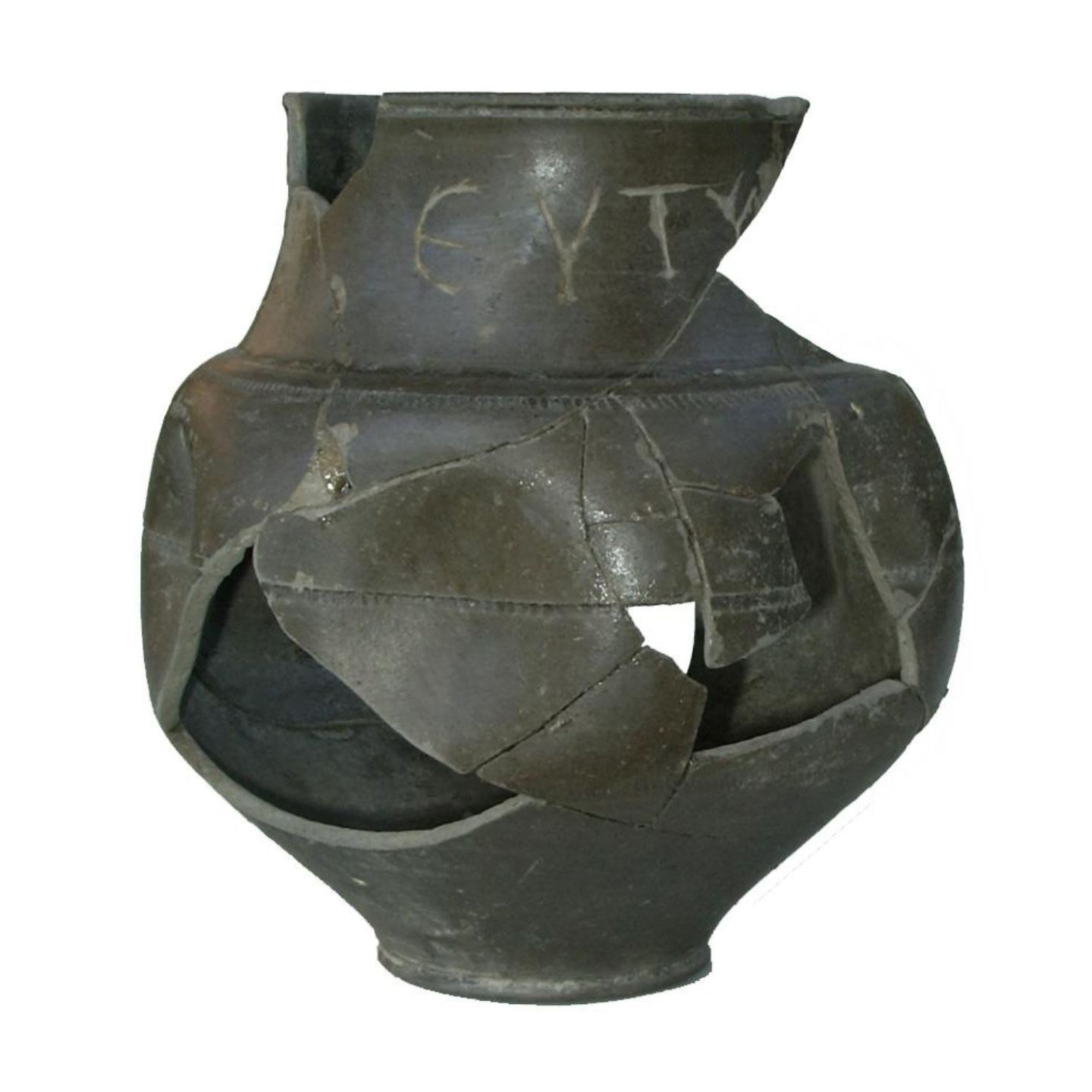
Ceramic cup inscribed with a Greek graffito and recovered from the Mithraeum of Martigny, providing evidence for the use of inscribed vessels within the sanctuary assemblage.

Alesia became famous as the site of Caesar’s decisive siege during the Gallic Wars.
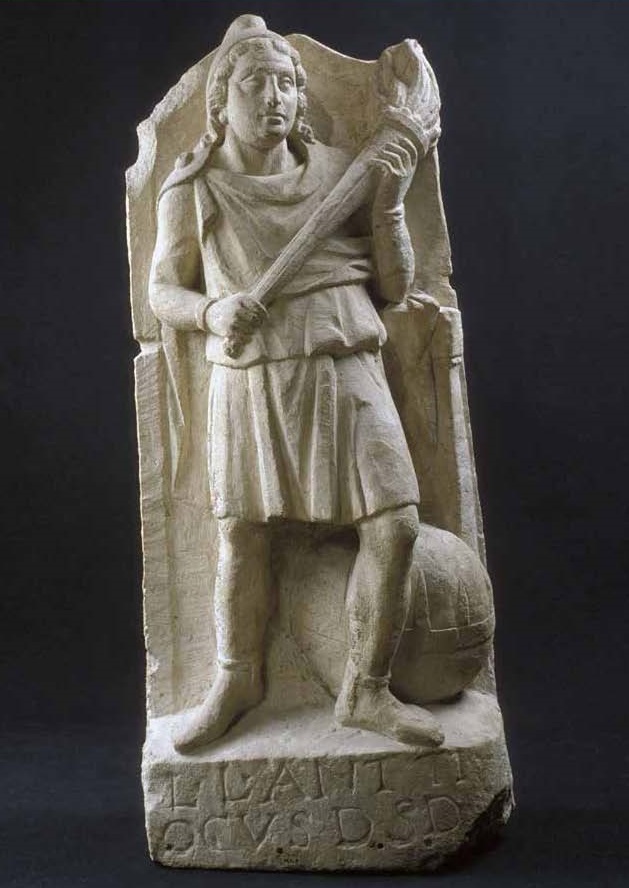
This monument representing Cautes with uncrossed legs was consecrated by a certain Anttiocus.
Square bronze plate from Mithraeum III at Heddernheim, ancient Nida, probably a cult tessera bearing barely legible engraved letters
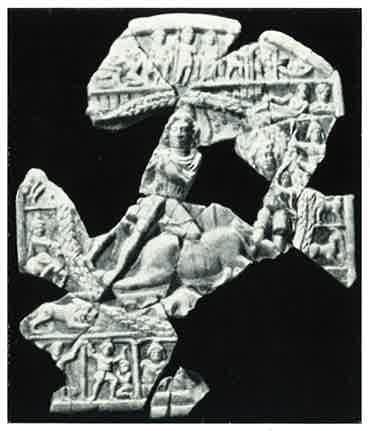
Fragments of a white marble arched tauroctony from Mithraeum III at Heddernheim, ancient Nida, showing Mithras killing the bull in a leaf wreath
Three basalt fragments of a standing figure in jack-boots from Mithraeum III at Heddernheim, ancient Nida, with traces of red paint on the loin-cloth
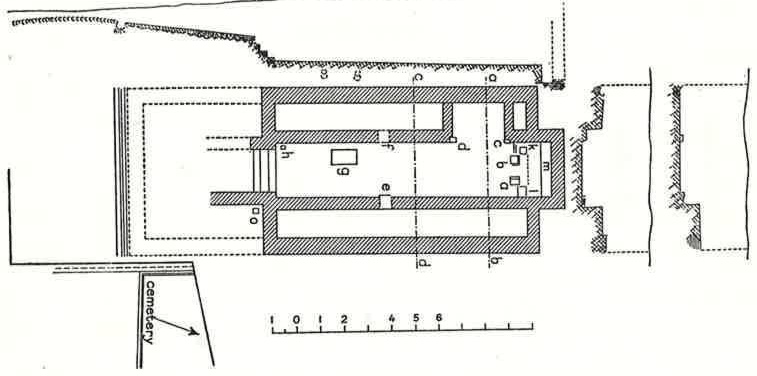
Third Mithraic sanctuary found north-west of the cemetery at Heddernheim, ancient Nida, in 1887 and fully excavated by G. Wolff in 1890
Tall sandstone column base from Mithraeum I at Heddernheim, ancient Nida, with an inscription set between two columns, possibly naming Mithras
Triple-part sanctuary at Saalburg whose Mithraic interpretation remains uncertain despite serpent-vases and possible Aion fragments.
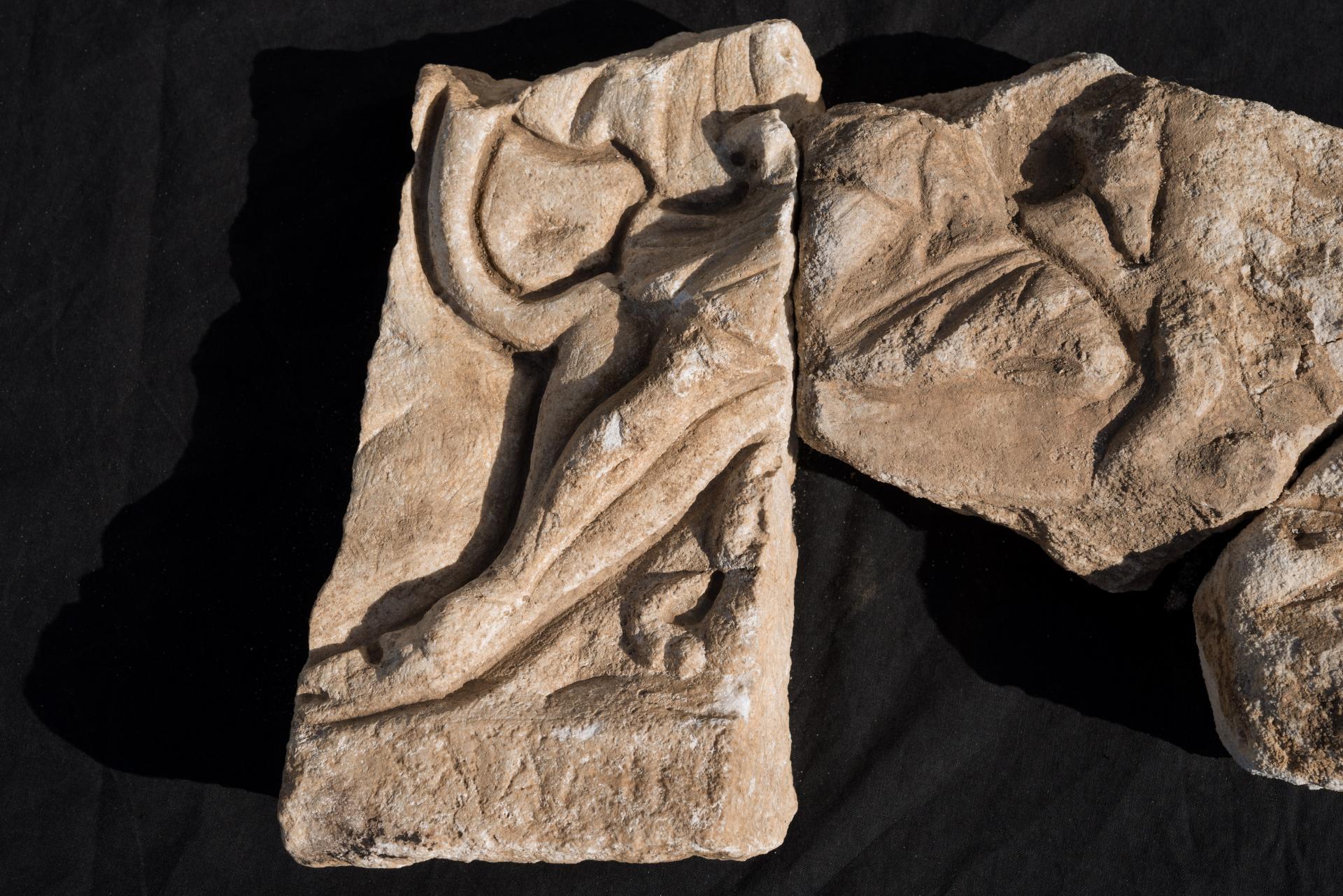
The archeologists have found three fragments of the Tauroctony of Lucciana, which includes Cautes and Cautopates.
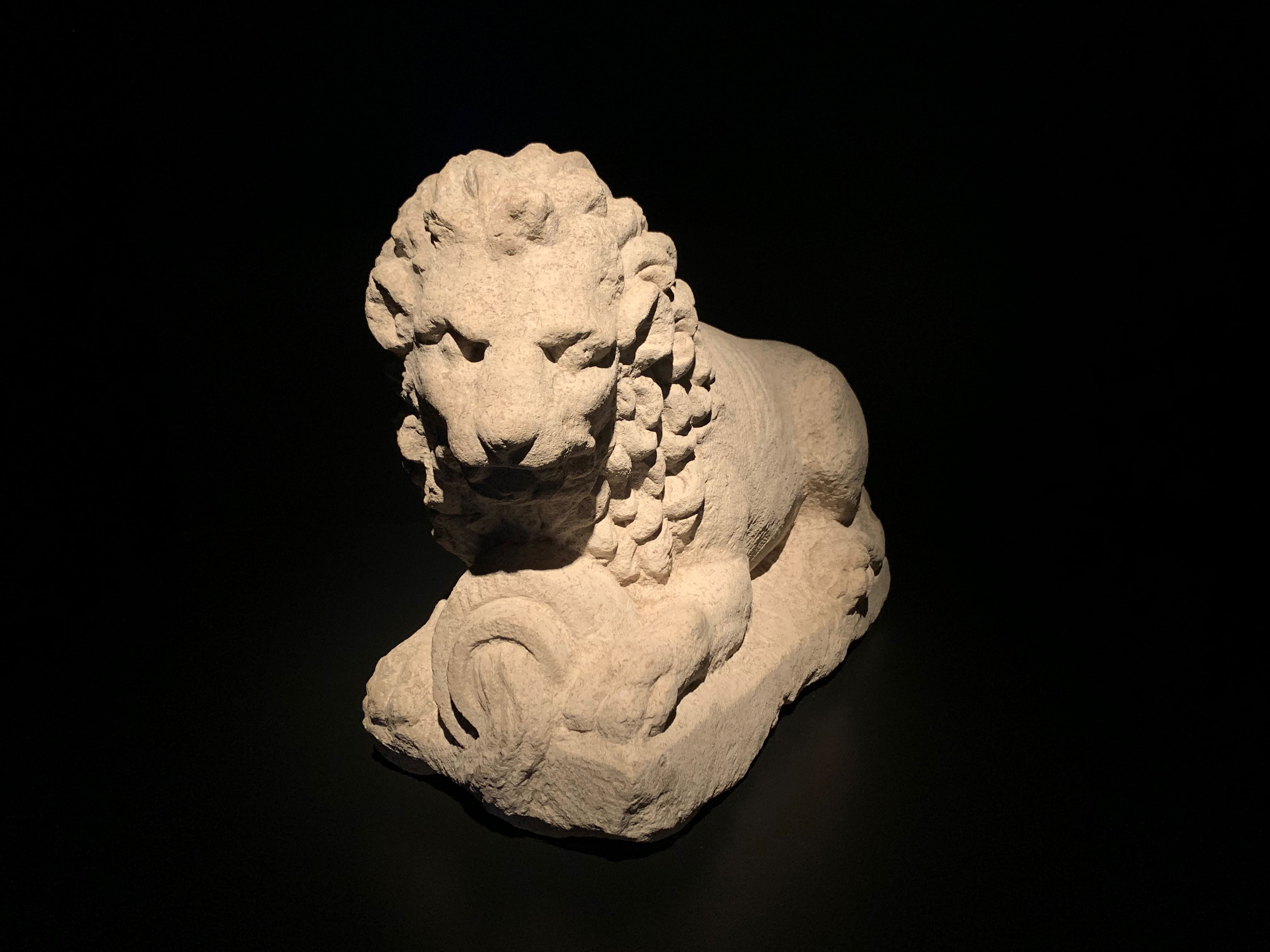
A limestone lion holding a flowing urn, discovered at the entrance of the Mithraeum of Les Bolards, reflects the ritual significance of water within the cult of Mithras.
Red sandstone altar from Stockstadt, featuring a square cavity in the front that contained a fragment of crystal and a small lamp.
Standing stone statuette of Cautopates, the downward-torch bearer, found at Bordeaux and kept in the city’s museum of antiquities (musée d’Aquitaine ?).

