Your search Al. N. Oikonomides gave 3559 results.

Lost tauroctony relief from Apulum, Dacia, formerly at the Palace of the Prince at Alba Julia, recorded only in early modern sources.
Small Mithras relief from Apulum, Dacia, mentioned by Buday but not published; a design shows the bust of Sol with one ray pointing towards Mithras.
Large marble base from near Kutyamál at Apulum, Dacia, dedicated ex iussu dei Apollinis and naming the Fons Aeternus — the eternal spring — by Ulpius Proculinus, speculator of Legio XIII Gemina.
Limestone base from near the Kutyamál vineyard south of the fortress at Apulum, Dacia, decorated with Bacchic vine scrolls and grapes at the top.
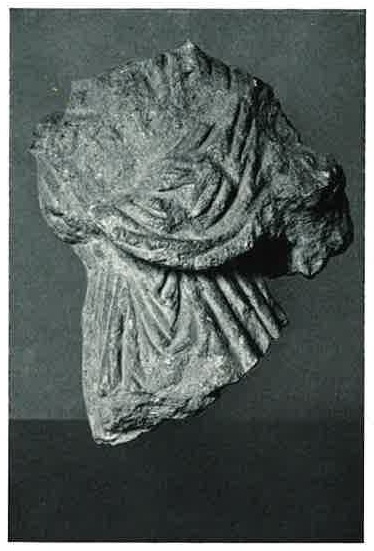
Limestone statue torso from the Mithraeum at Apulum, Dacia, found with the preceding piece, depicting a person in Oriental dress carrying a bull's head in his left hand; head, arms, and legs are lost.
Altar from Apulum, Dacia, found in 1715, dedicated to Soli by Quintus Marcius Victor Felix Maximillianus, legatus Augusti of Legio XIII Gemina, together with his wife Pullaiena Caeliana and his son.
Triple-part sanctuary at Saalburg whose Mithraic interpretation remains uncertain despite serpent-vases and possible Aion fragments.
Assemblage of lamps, serpent-vases and painted ritual pottery from the sanctuary complex.
Decorative bronze candlestick discovered near the entrance of the supposed Mithraic sanctuary.
Sandstone basin from the pronaos of the sanctuary originally mounted on a short column.
Cult statue base discovered with a hooked ritual sword in front of the sanctuary niche.
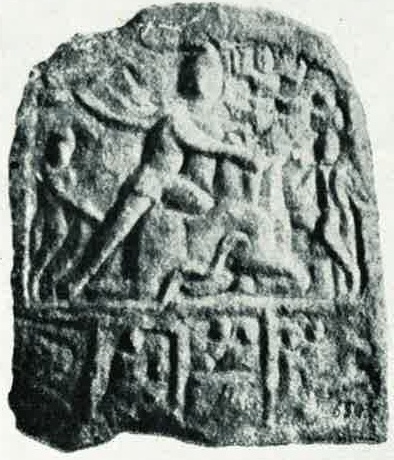
Small arched marble tauroctony relief from Philippovtsi near Sofia, Thracia, divided into two parts by a horizontal rim.
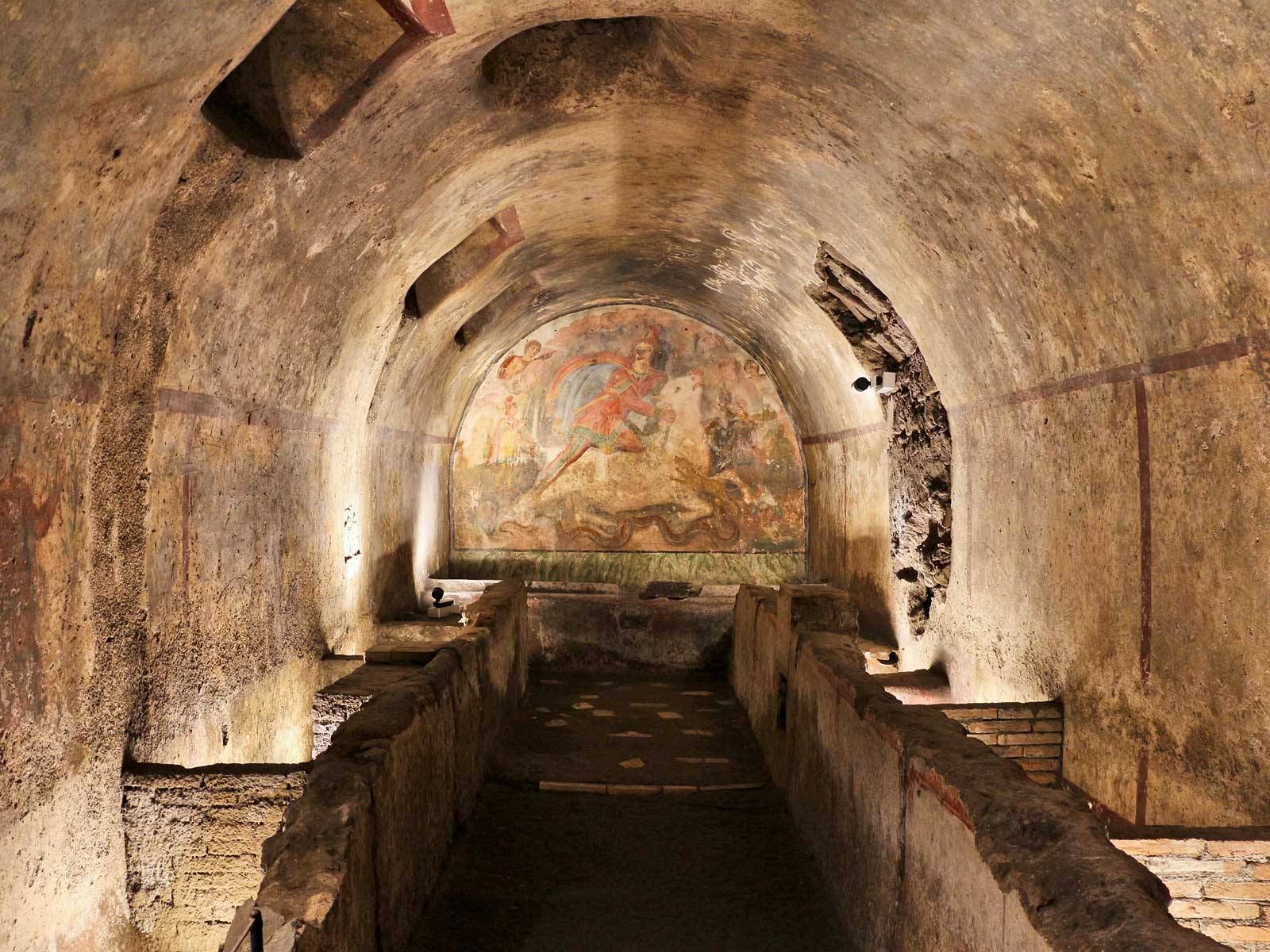
One of Roman Italy’s most important Mithraic sanctuaries, the Mithraeum at S. Maria Capua Vetere preserves a remarkable painted cycle of initiation scenes, offering rare visual evidence for the ritual life of Roman Mithaism.
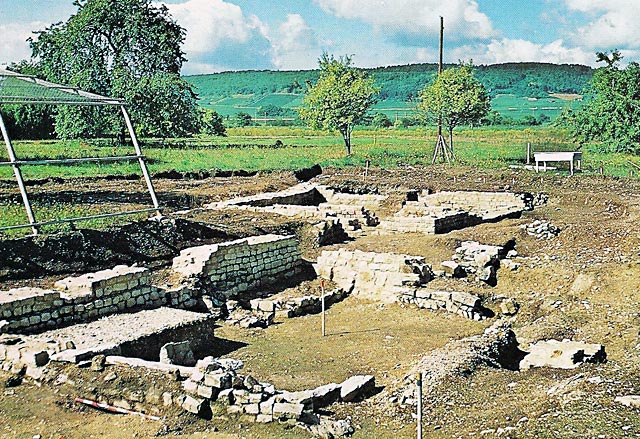
The Mithraeum des Bolards was integrated into a therapeutic cultural complex related to healing waters.
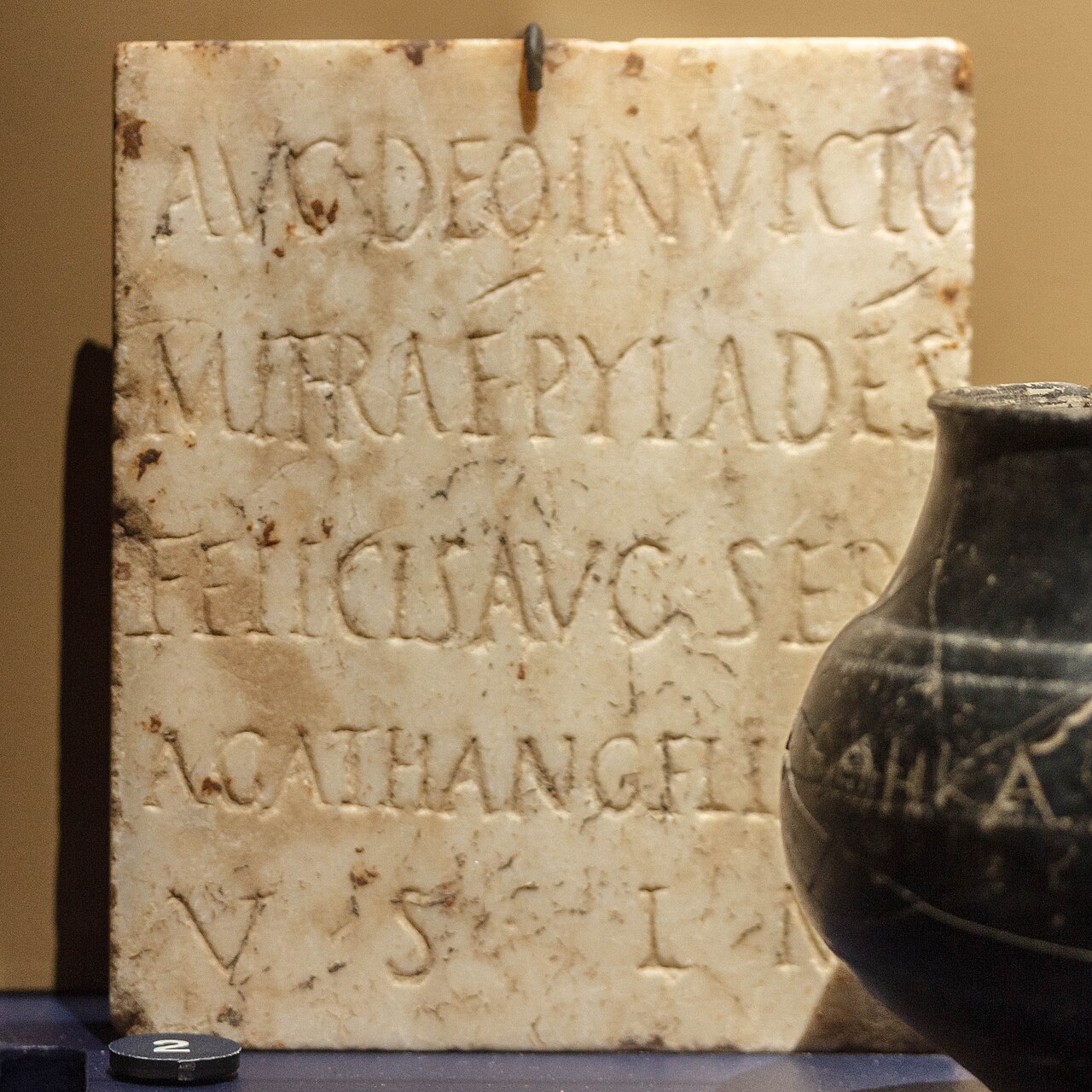
This marble plaque from Iuliomagus, Roman Angers, bears a rare dedication to Mithras by Pylades, a slave of an imperial slave connected to the Roman administration in Gaul.
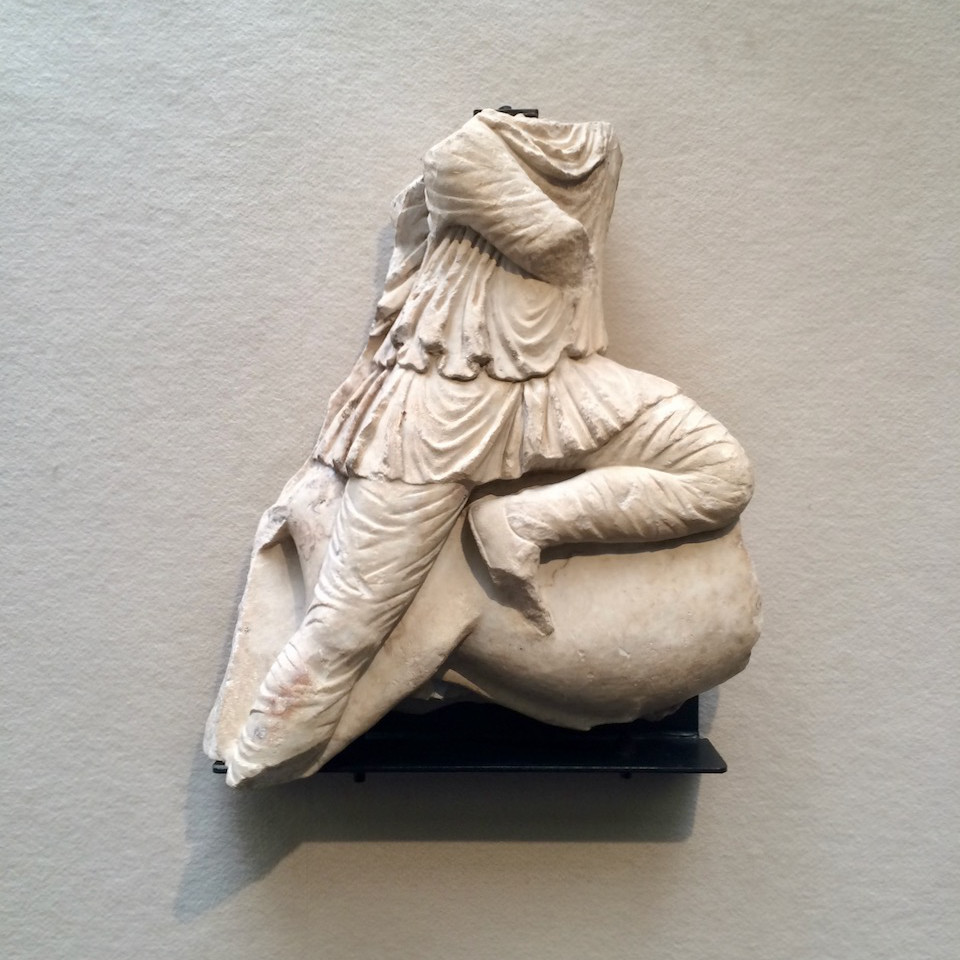
The Mithra Tauroctonos from Syracuse, Sicily, is currently on display in the city's archaeological museum.
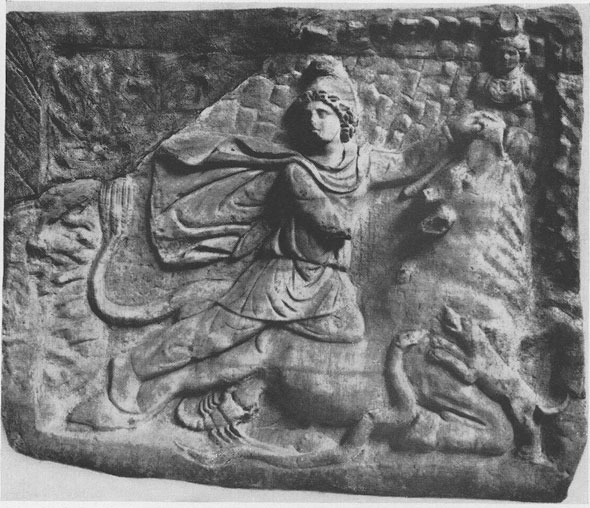
This marble tauroctony relief, probably originating from Naples, depicts Mithras slaying the bull within a cave-like setting, accompanied by the usual animals and celestial busts.
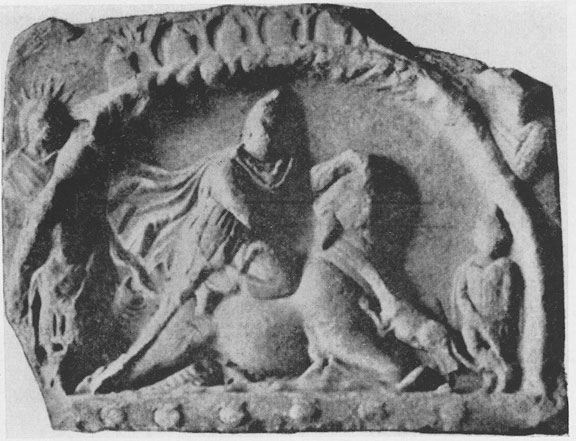
This finely carved marble tauroctony from Interamna features an unusual series of altars and ritual vases surrounding the scene.
This stele found at the foot of the Aventine bears an inscription of Kastos father and son, and mentions several syndexioi who shared the same temple.
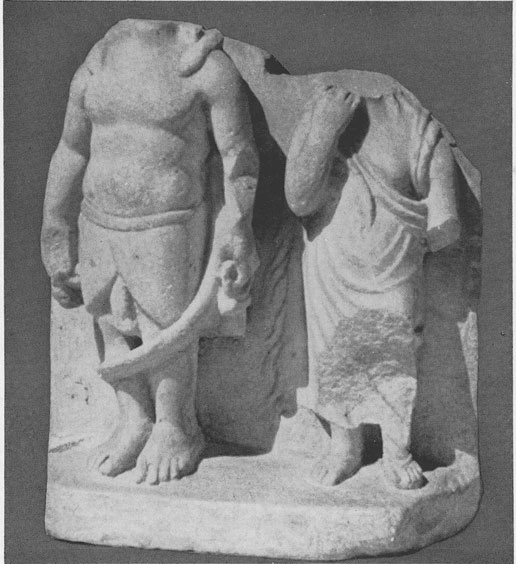
Marble relief, probably found in Rome during the construction of the Palazzo Primoli along the Via Zanardelli.
