Your search for Alexandria gave 11 results.

Alexandria was founded by Alexander the Great in April 331 BC as one of his many city foundations. After he captured the Egyptian Satrapy from the Persians, Alexander wanted to build a large Greek city on Egypt’s coast that would bear his name.

Roman Aegyptus preserves a distinctive body of Mithraic evidence shaped by Alexandria and the religious diversity of the eastern Mediterranean.
Aegyptus occupied a unique position within the Roman world where Mediterranean trade, Nile networks and ancient religious traditions intersected.

Limestone head with Phrygian cap, possibly depicting Mithras, found in Egypt (possibly Alexandria), now in Tübingen, 2nd–3rd century A.D.

Egyptian scholar of Greek descent, philosopher, astrologer and trusted adviser to the emperor Tiberius, whose intellectual milieu has been associated with the emergence of the Roman Mysteries of Mithras.
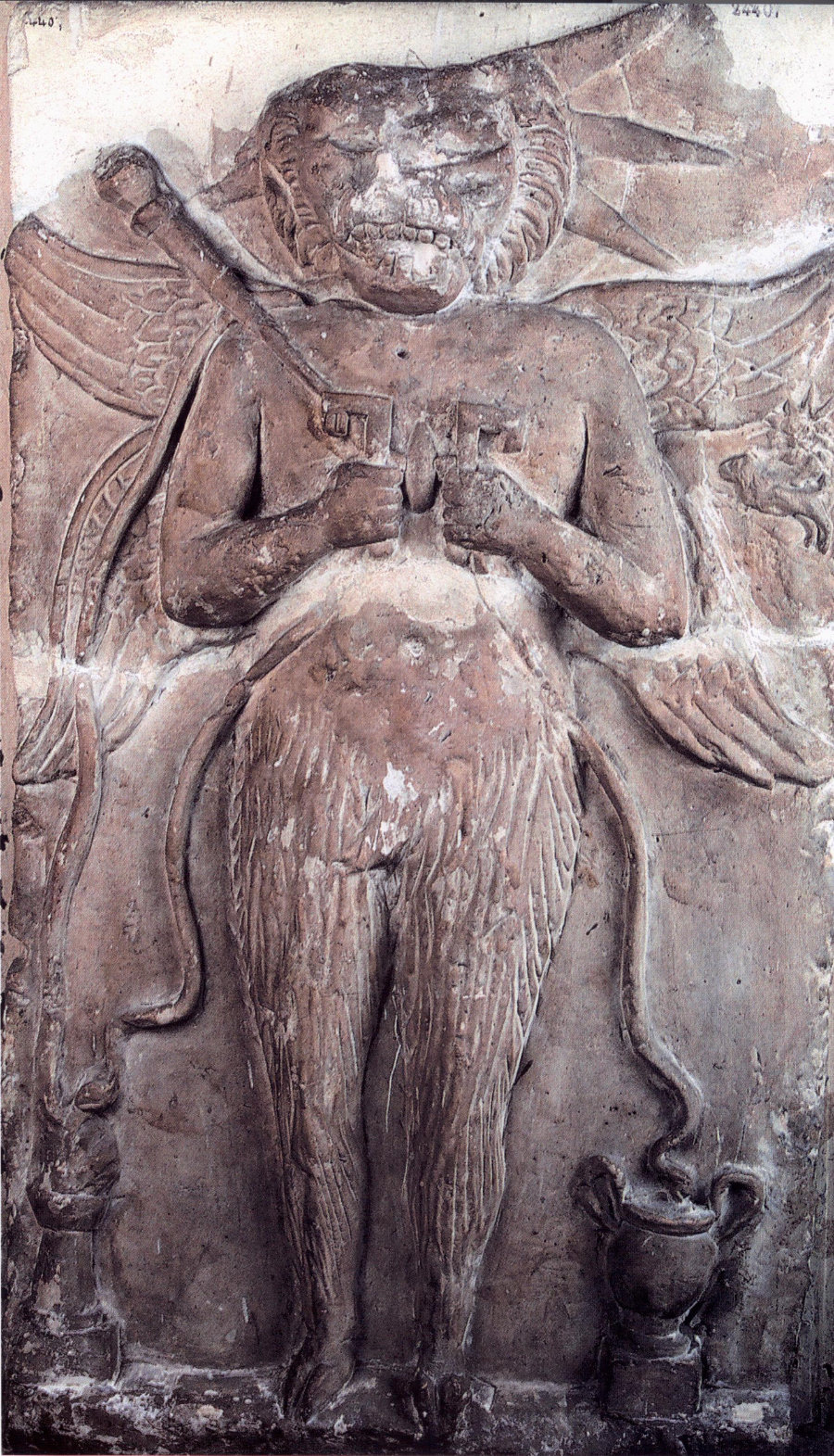
Limestone relief from ancient Oxyrhynchus depicting a four-winged lion-headed deity with keys, torch and three serpents, one of which emerges from the god’s mouth towards a burning altar.

Scholar, astrologer, imperial administrator and trusted adviser to the emperors Claudius, Nero and Vespasian.
Grey sandstone slab from the Mithraeum at Königshoffen, a companion piece to the preceding, recording the same act of repainting a cult image by Caius Celsinius Matutinus, veteran of Legio VIII Augusta Alexandriana.
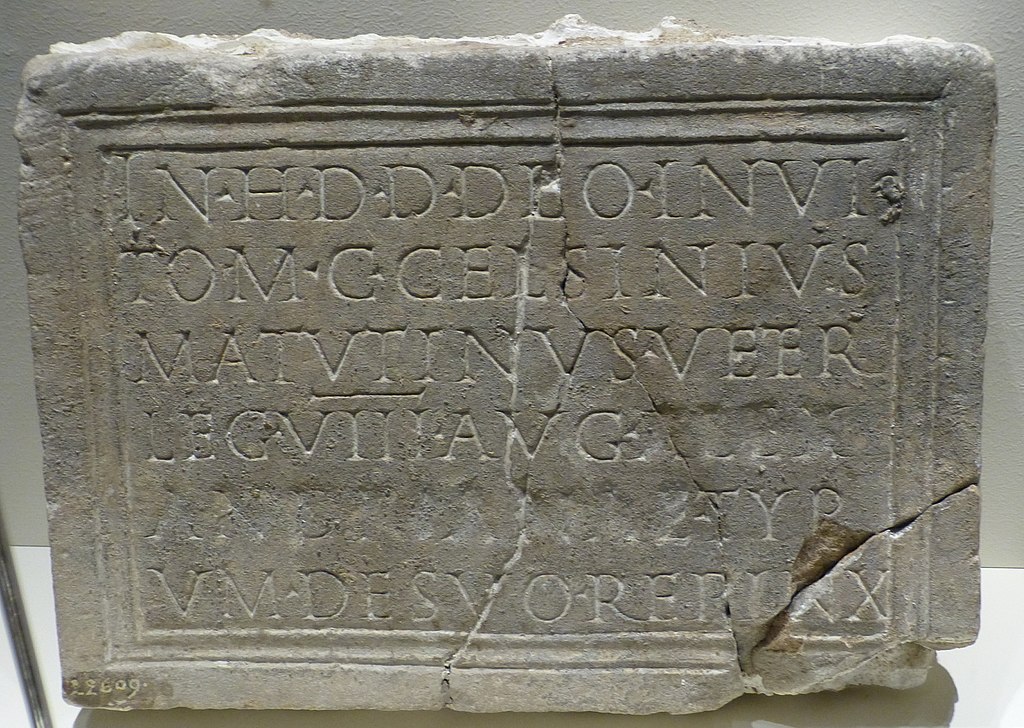
The inscription reports the restoration of the coloured painting of the main relief of the Mithraeum by a veteran of the Legio VIII Augusta.
