Your search Arsha wa Qibar - Qaybar - Qeibar - Qibare, al-Hawa gave 3160 results.

Barbara-stone pedestal from Mithraeum III at Ptuj, ancient Poetovio, with a hollow and three attachment holes in the top indicating that a votive object was originally fixed to it.
Large marble water-basin on a column from Mithraeum II at Ptuj, ancient Poetovio, decorated with a central rosette; it probably stood near the entrance of the sanctuary.
Inscription on the column base from Mithraeum II at Ptuj, ancient Poetovio, dedicated to Deo invicto Mithrae for the welfare of the Emperors and Geta Caesar by Salvianus, contrascrip of the statio Atrantiana; Geta's name was subsequently erased.
Fragment of a small altar from Ljubljana, ancient Emona in Pannonia Superior, preserving a dedication to Invicto Mithrae by a dedicant whose name ends in -quartus; the Mithraic attribution is not entirely certain.
Two basalt blocks walled into the podium of Mithraeum III at Heddernheim, ancient Nida, which supported decorative sandstone bases
Fragmentary inscribed altar dedicated to Mercury from the Saalburg sanctuary area.
Small inscribed plaque invoking Mithras and Mercury attached to a sandstone column inside the sanctuary.
Assemblage of lamps, serpent-vases and painted ritual pottery from the sanctuary complex.
Sandstone basin from the pronaos of the sanctuary originally mounted on a short column.
Cult statue base discovered with a hooked ritual sword in front of the sanctuary niche.
Elongated cult building near the Saalburg fort traditionally interpreted as a Mithraeum but later reconsidered as a possible funerary enclosure.

These twin inscriptions found in the Mithraeum of Tazoult were dedicated by the legate Marcus Valerius Maximianus.
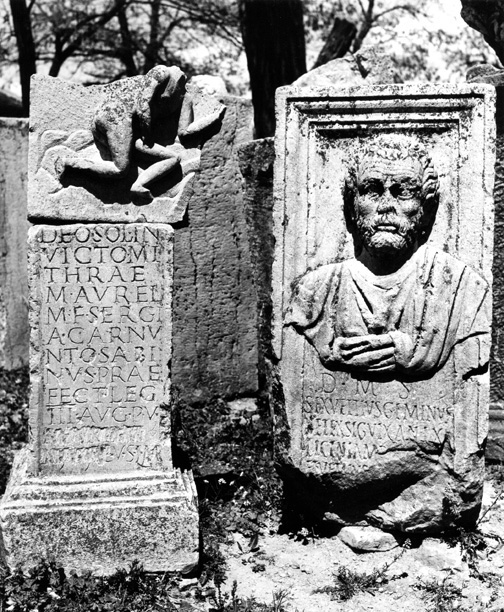
This altar to the god Sol invicto Mithra was erected by a legate during Maximin’s reign in Lambaesis, Numidia.

Uruk, the archeological site known today as Warka, was an ancient city in the Near-East or West-Asia, located east of the current bed of the Euphrates River, on an ancient, now-dried channel of the river in Muthanna Governorate, Iraq.
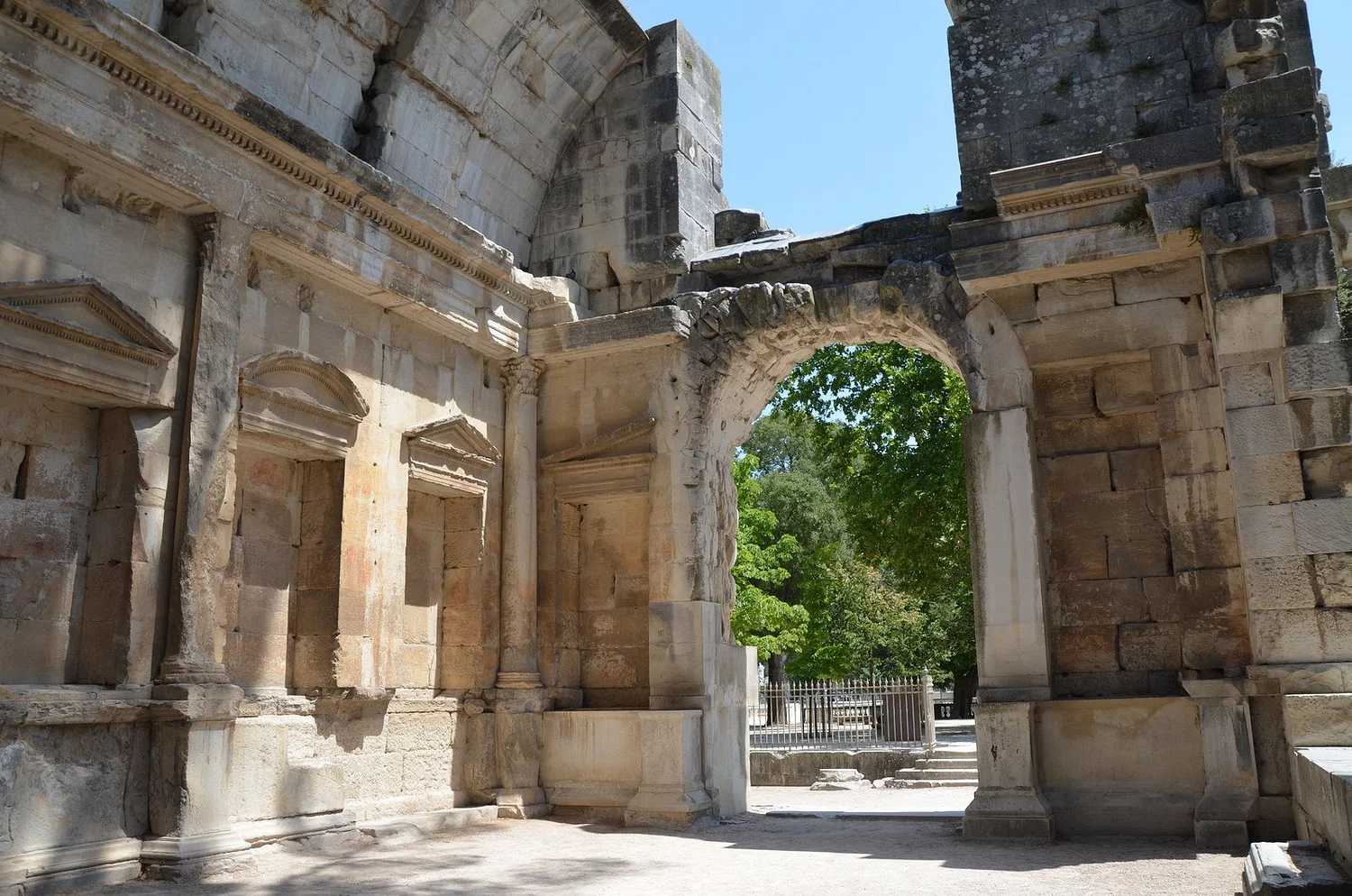
Roman Gallia preserves one of the largest and most geographically diverse corpora of Mithraic evidence in the western empire.
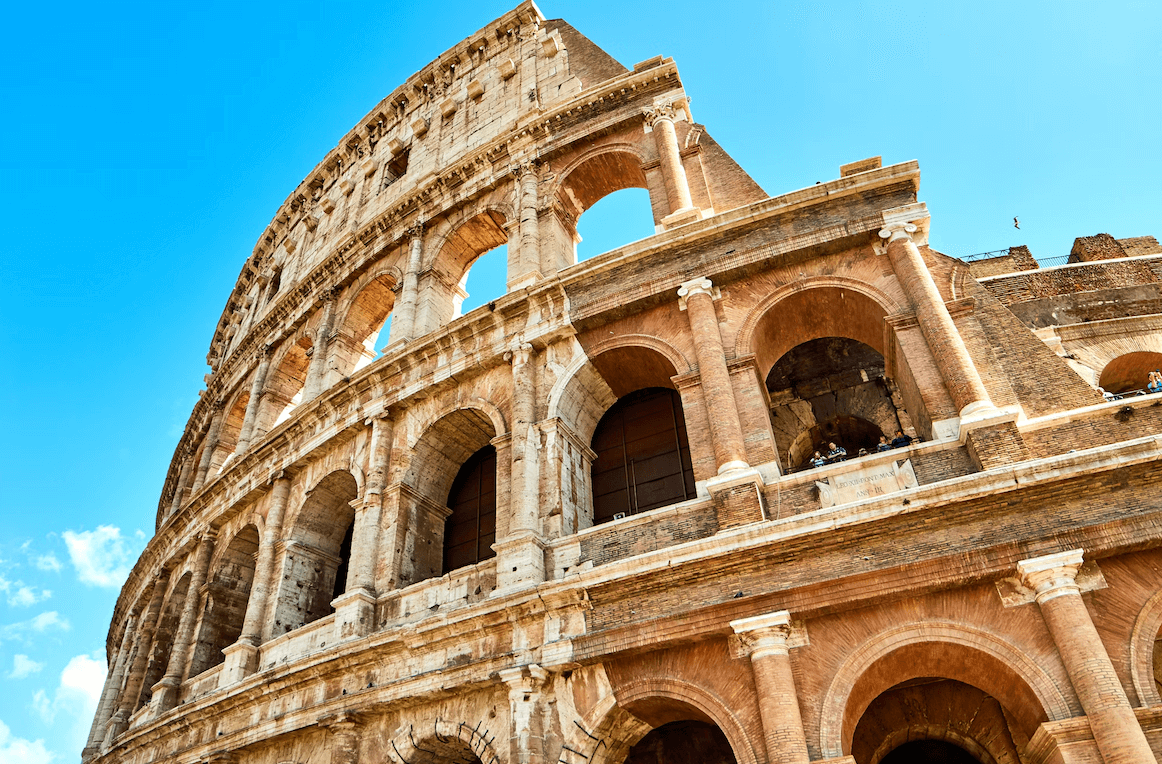
Roman Italia preserves a central and exceptionally influential corpus within the development of Mithraic cults.
