Your search Arsha wa Qibar - Qaybar - Qeibar - Qibare, al-Hawa gave 3160 results.
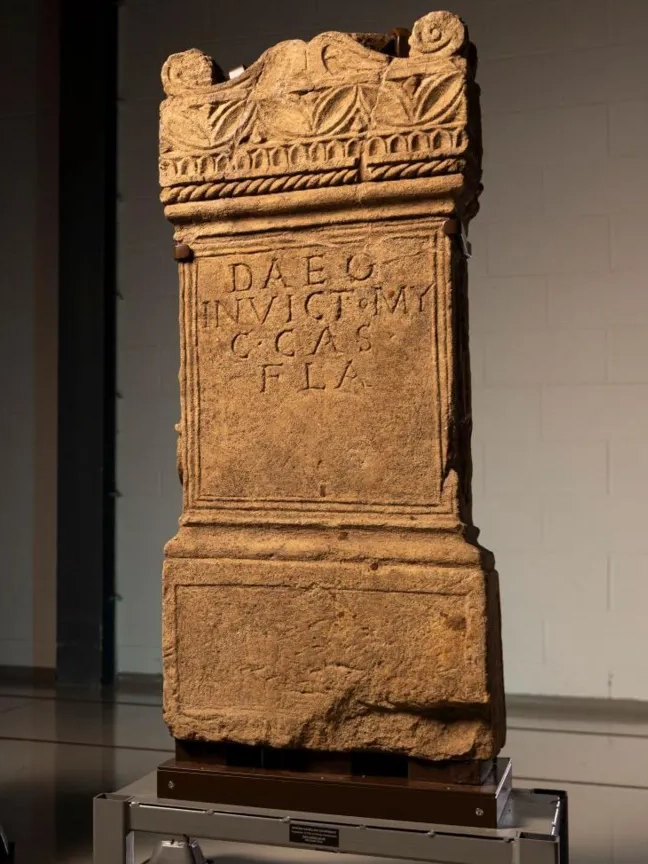
This second altar discovered to date near Inveresk includes several elements unusual in Mithraic worship.
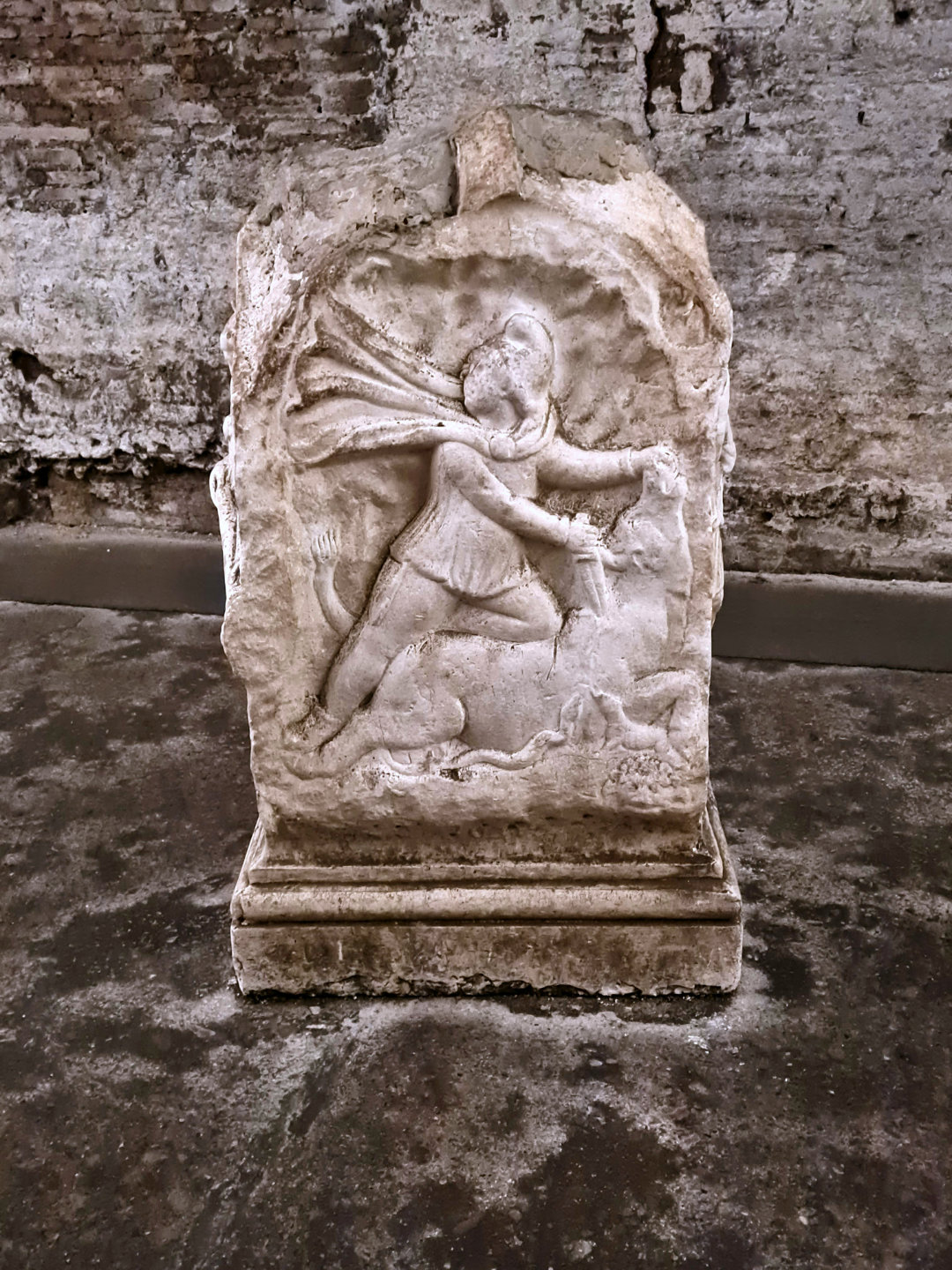
The altar of the Mithraeum of San Clemente bears the Tauroctony on the front, Cautes and Cautopates on the right and left sides and a serpent on the back.


Two altars dedicated to Sucellus and Nantosvelta found near the Sarrebourg Mithraeum.

Limestone altar from the Trier baths, carved on four sides with a lion and serpent, flanked by Sol and Luna, and likely linked to a Mithraic context involving Hekate.


A selection of texts gathered by Ernesto Milá that reinterprets Mithraism as an initiatory, solar, and heroic cult. It includes the so-called Great Magical Papyrus of Paris, translated and commented by Julius Evola and the Ur Group.
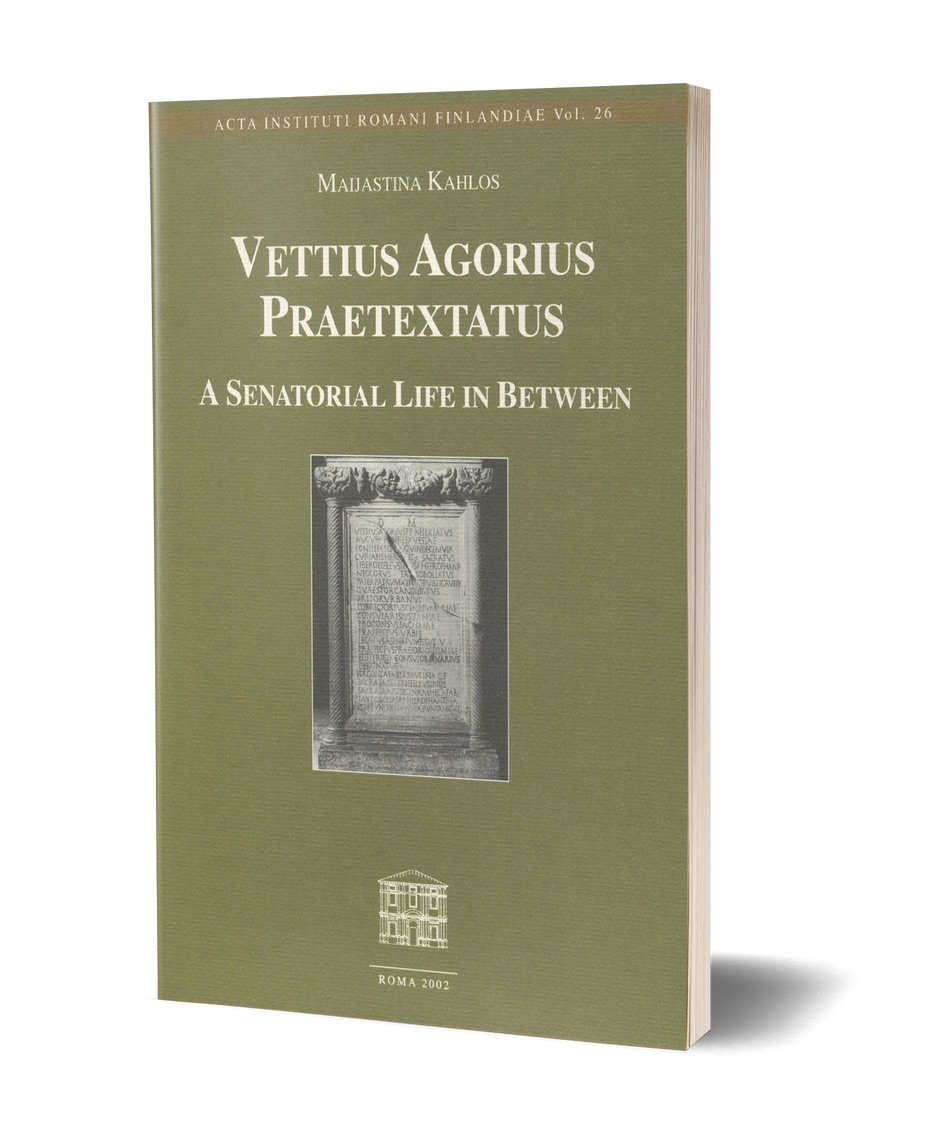
The cultural and religious world of fourth-century Rome is explored through the life and afterlife of Vettius Agorius Praetextatus. His case is set in comparison with other pagan and Christian senators of the period.
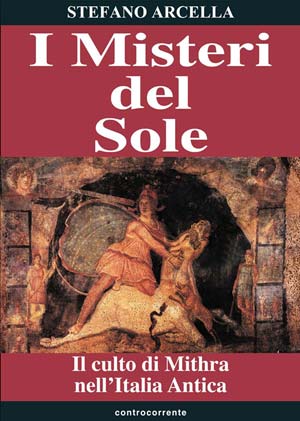
A study of Roman Mithraism that combines historical evidence with a symbol-centred interpretive approach, exploring Mithraic iconography, ritual experience, and the cult’s encounter with Christianity in the Late Empire.
A philosophical study of Iranian civilization that explores its spiritual foundations, including the legacy of Mithraic and Zoroastrian traditions, in order to reflect on Iran’s historical continuity and civilizational meaning.


Interprets Mithraism as an initiatory path of inner transformation, reading its myths and rites as symbolic maps of consciousness rather than as historical narratives, and includes an appendix with the Ritual of Mithra from the Great Magical Papyrus of Paris…
