Your search As Salhiyah gave 2383 results.
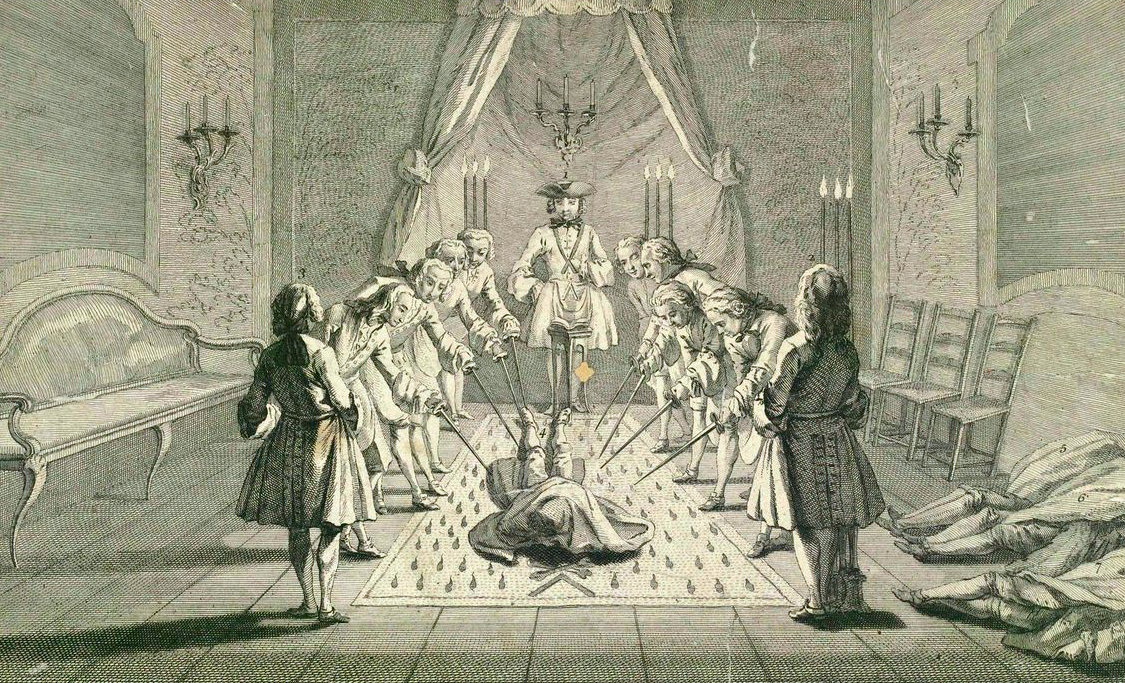
Twelve centuries separate the decline of Roman Mithraism from the dawn of Freemasonry. Twelve centuries during which the mysteries of Mithras have remained more secret than ever.
The Temple of Mithras, inside an ancient military settlement, is situated on the eastern border of the Roman Empire.
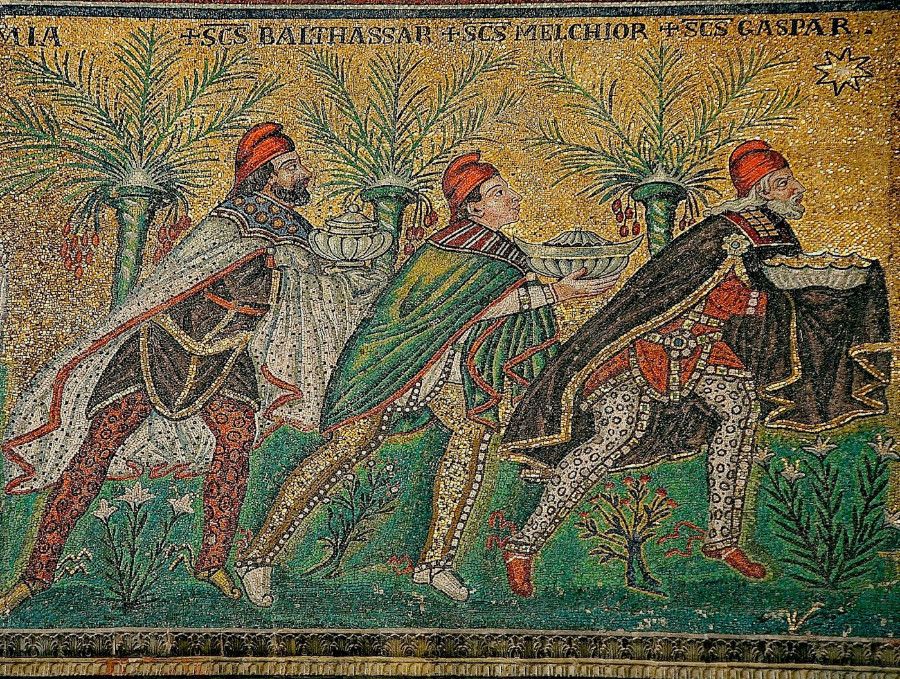
Despite the current political landscape of the US, we can look to antiquity to see that the red cap was actually once a symbol of citizenship and welcome to the foreigner.
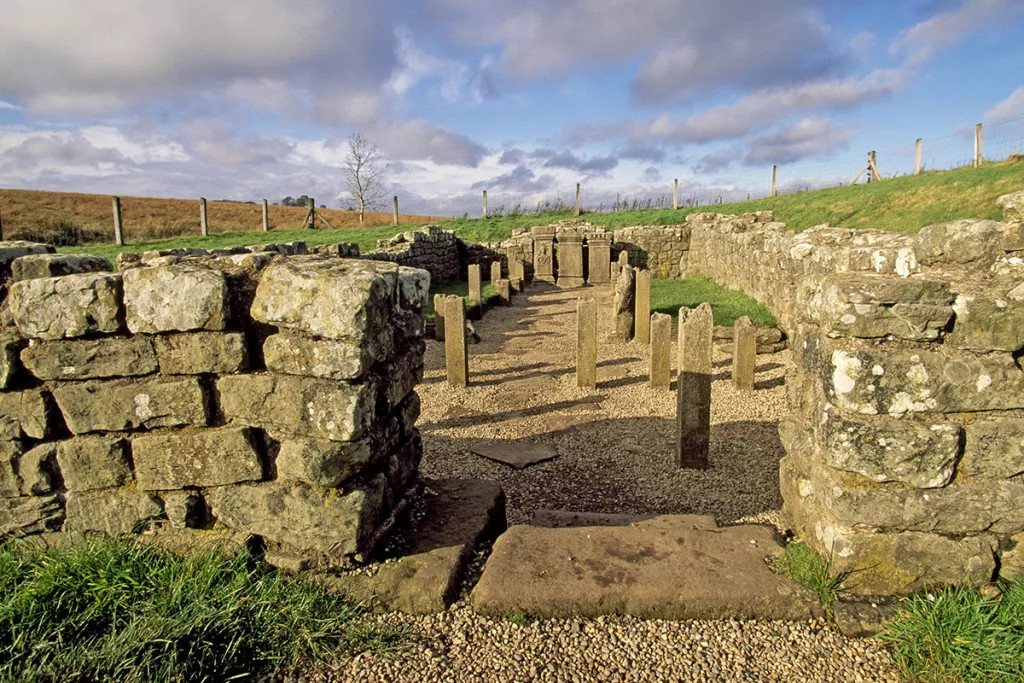
The temple of Mithras disclosed three main stages of development, the second exhibiting two reconstructions.
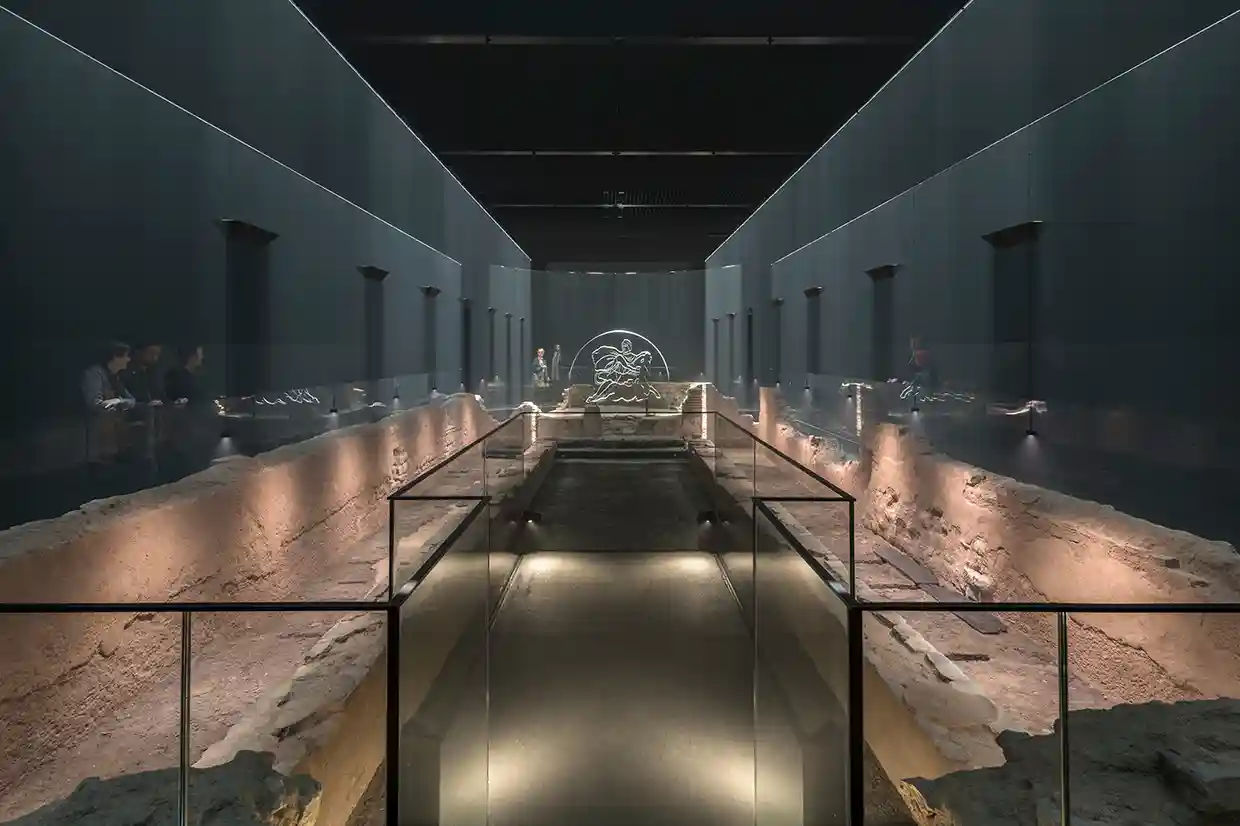
Visitors to new museum will uncover mystery cult of Mithras the bull slayer in multi-sensory experience.
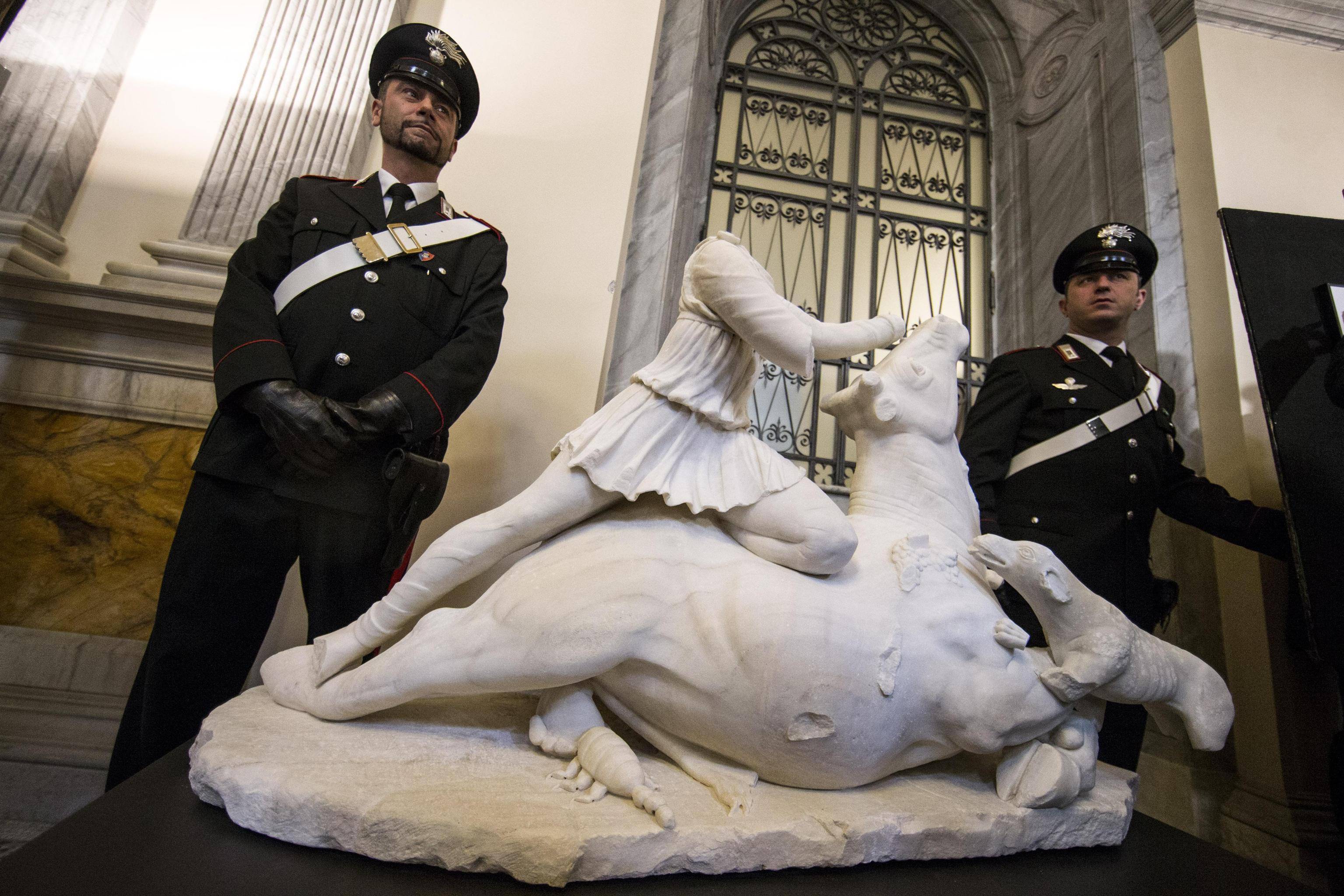
The Mithriac votive sculpture comes from a clandestine excavation in the Tarquinia area. The criminal chain is active in archaeological areas of Rome and southern Etruria.
Severan governor and commander of Legio VII Gemina, associated with the religious milieu that fostered the rise of Mithraic communities in north-western Hispania.

Cataio is associated with archaeological material from the Euganean area of Venetia.
Sextantio occupied a strategic position near the Mediterranean routes of southern Gaul.
The hill fort of Epiacum, known today as Whitley Castle, occupied a strategic upland position south of Hadrian’s Wall.
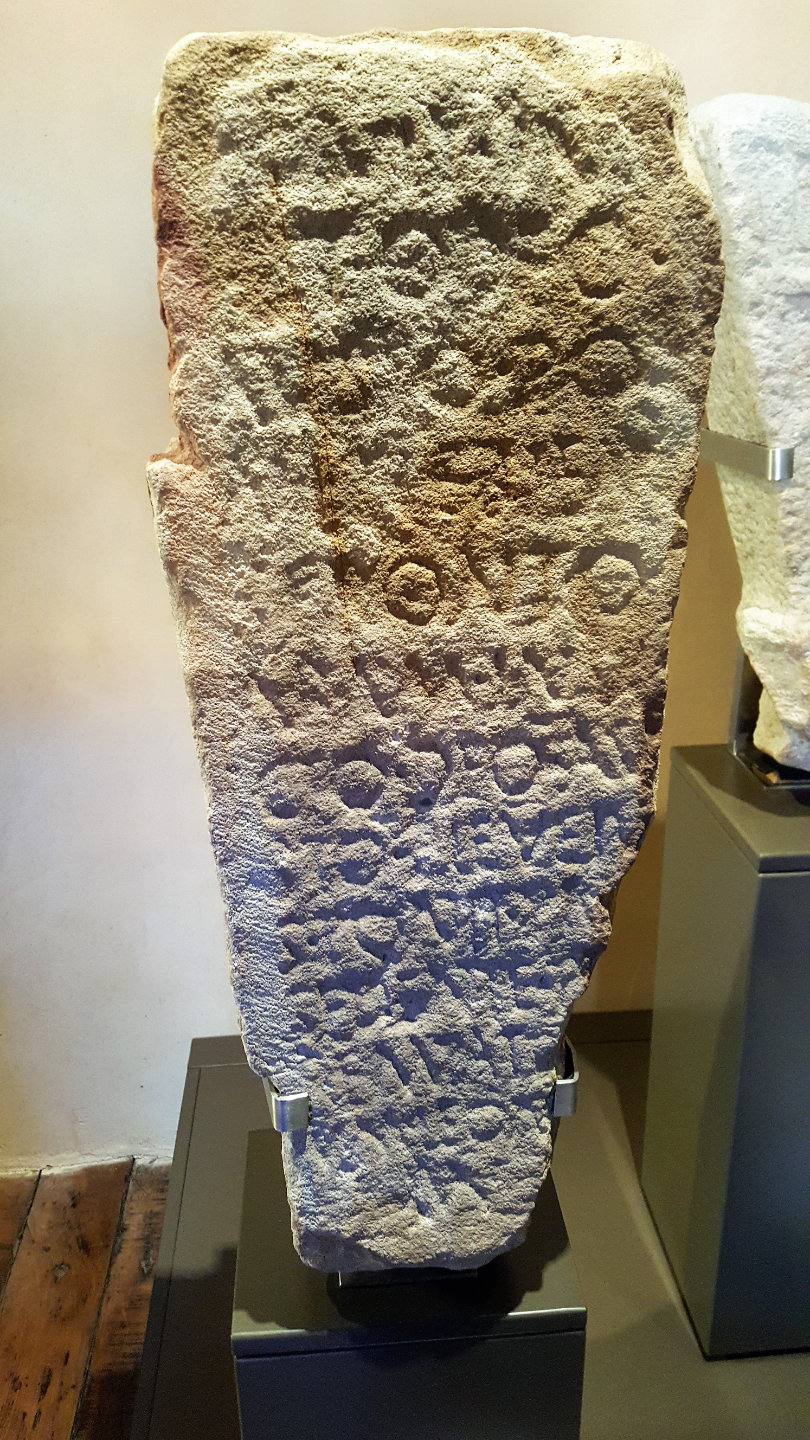
The monument of San Juan de la Isla (Asturias) devoted to Mithras was preserved in the portico of the main church until 1843.
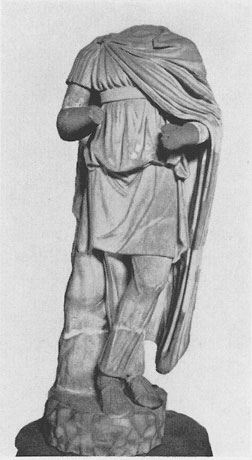
Penthelic marble statue of a standing torchbearer in Eastern attire, cross-legged, with head and torch arm broken off, probably 2nd century A.D., found at Antium (modern Anzio).
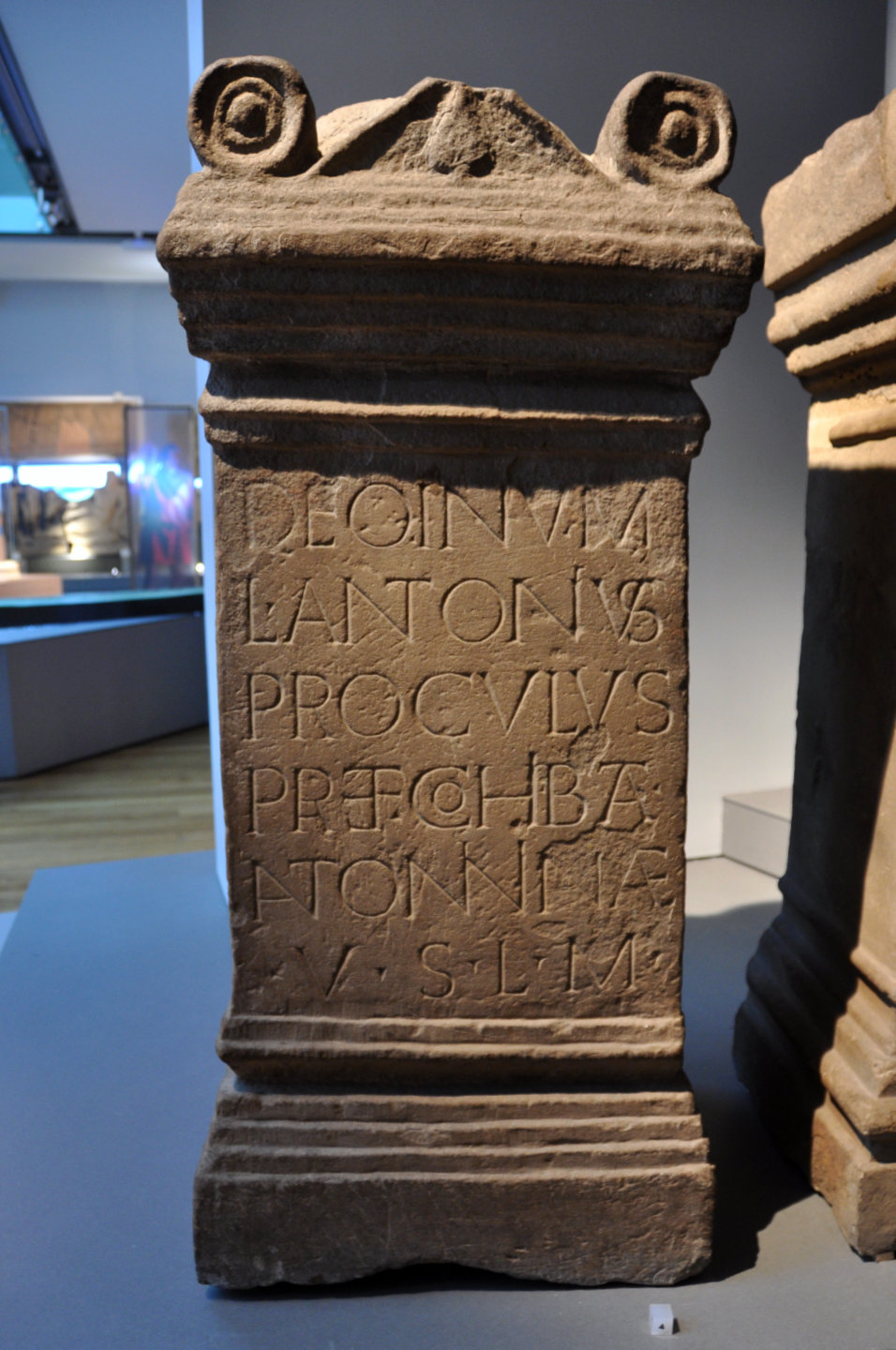
One of the three altars to Mithras found at the Mithraeum of Carrawburgh fort.
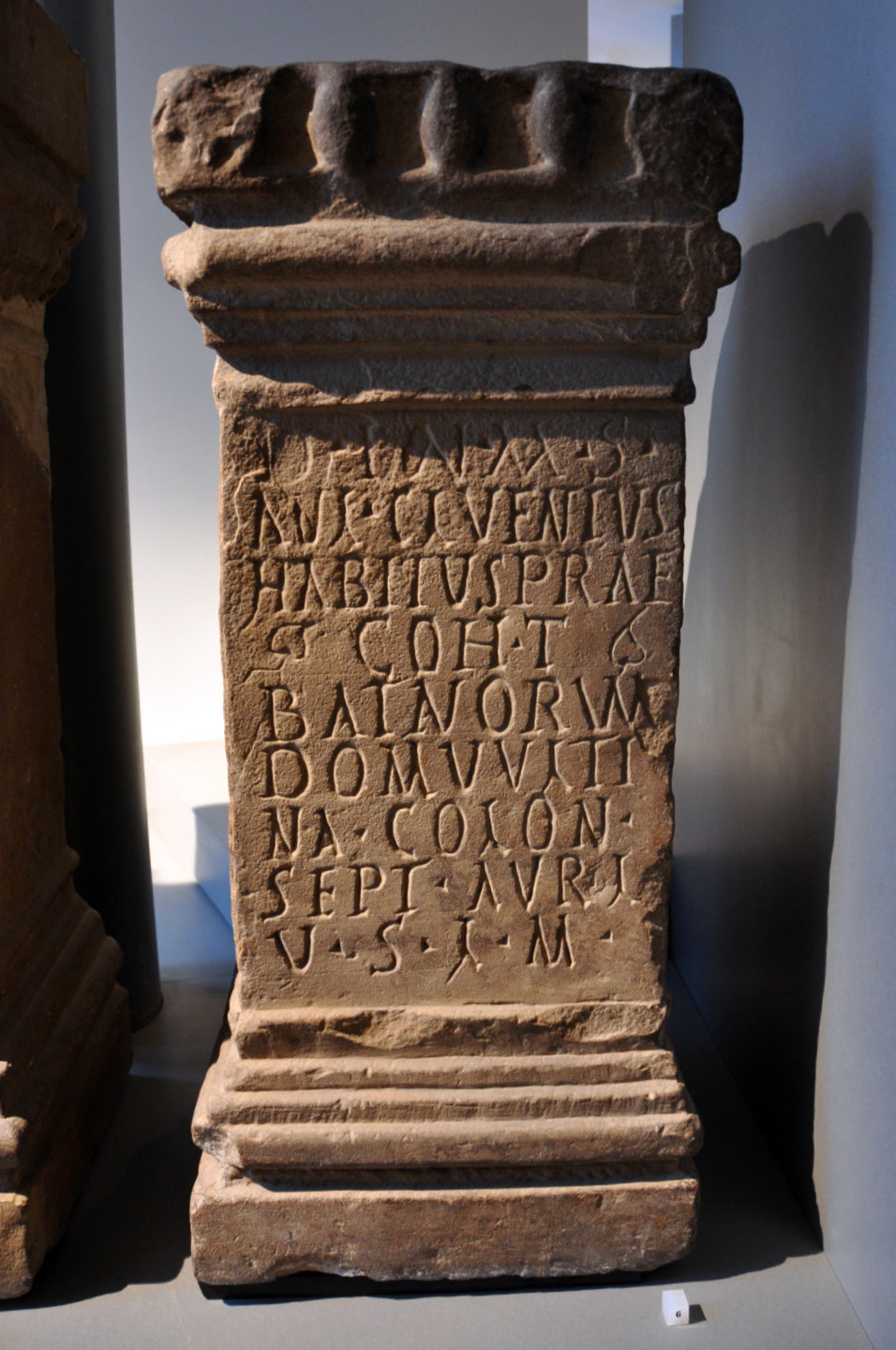
One of the three altars to Mithras found at the Mithraeum of Carrawburgh fort.

Limestone keystone dedicated to the invincible Sun by Peticius Pastor and preserved at Lepcis Magna.
Limestone stele recording endowments for the feast of the Mithrakana by Antipater and his son Gaios, found at Amorium (modern Hisarköy), Phrygia.
A skull and two human femora, the lower jaw missing, recovered from a small circular pit within the Mithraeum at Königshoffen; interpreted by Cumont as a parallel to ritual deposits of human remains in other Oriental sanctuaries on the Janiculum.
Animal bones from the refuse pit of the Mithraeum at Königshoffen, comprising goat, hen, ox, and deer remains, attesting to ritual feasting within the sanctuary.
Assemblage of cult objects from the Mithraeum at Königshoffen including painted lamps, glass and terra-sigillata fragments with potters' stamps and graffiti (including Deo invicto Mithrae), two iron bells, an iron shield-knob, and stone fragments.
Altar from the Mithraeum at Königshoffen, dedicated in honour of the Domus Divina to Deo invicto Mithrae by a dedicant whose name is partially preserved and may be read as Secundus or Secundinus.
