Your search Ay-Todor gave 1062 results.
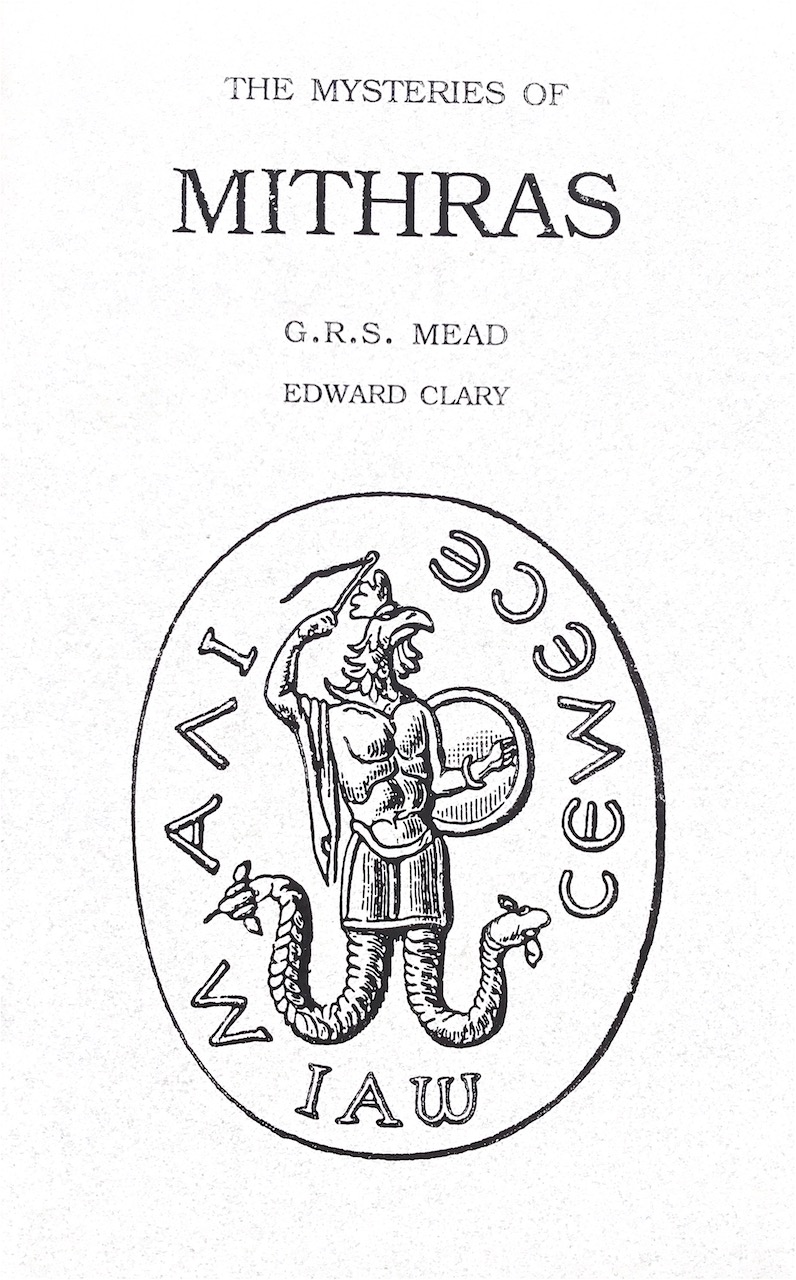

The Mithraeum under and behind S. Prisca on the Aventine is without doubt the most important sanctuary of the Persian god in Rome.
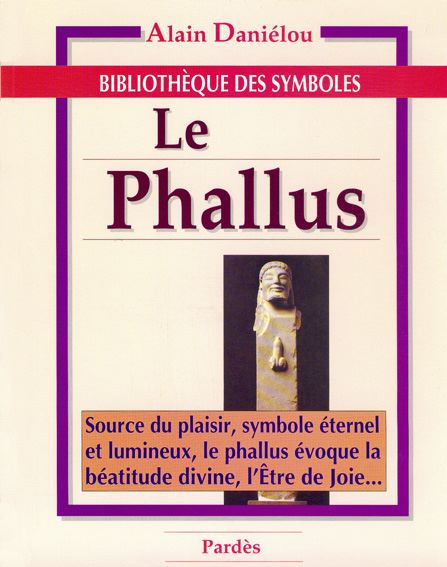
It is only when the penis stands up straight, that it emits semen, the source of life. It is then called the phallus and has been considered, since earliest prehistory the image of the creative principle, a symbol of the process by which the Supreme

In their groundbreaking new book, Mushrooms, Myths & Mithras, classics scholar Carl Ruck and friends reveal compelling evidence suggesting that psychedelic mushroom use was equally influential in early Europe, where it was central to initiation cerem

Wasson has aroused considerable attention by advancing and documenting the thesis that Soma was a hallucinogenic mushroom – none other than the Amanita muscaria, the fly-agaric that until recent times was the center of shamanic rites among the Siberian and Uralic tribesmen…

Lissa-Caronna details the excavation and findings of a mithraeum beneath San Stefano Rotondo, focusing on its decor, sculptures, and rituals.

Actes du 2e Congrès International, Téhéran, du 1er au 8 septembre 1975. (Actes du Congrès, 4). Éditions Brill, collection. Acta Iranica.

Roger Beck describes Mithraism from the point of view of the initiate engaging with the religion and its rich symbolic system in thought, word, ritual action, and cult life.

Ce 4e fascicule de Mithriaca concerne un très curieux monument exhumé au XVIe siècle sur le site d'un Mithraeum qu'on localise tout près de l'église S. Maria in Domnica, non loin de S. Stefano Rotondo où un autre spelaeum fut mis au jour en 1973…

This magnificently illustrated publication renews the Mithraic dossier on the basis of concrete data, with caution and penetration. Marino's discovery is disconcerting and rekindles the controversy about the order in which bands should be read.
Second volume of Vermaseren's series Études préliminaires aux religions orientales dans l'Empire romain, Mithriaca, dedicated to a small Mithraic sanctuary on the island of Ponza in the Tyrrhenian Sea.